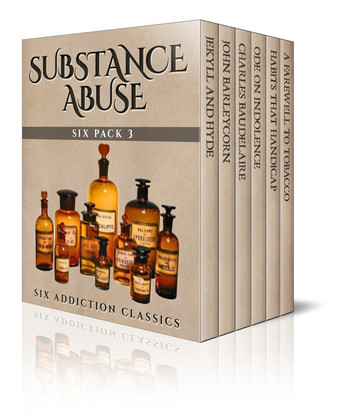
Substance Abuse Six Pack 3

Price range: $3.99 through $24.49

This collection examines the dark allure of addiction through classic literature. Gautier, Stevenson, and London share haunting tales of substance use. These stories reveal the deep psychological impacts of human vice.

Additional information

Publisher

Enhanced E-Books

ISBN

1230000604383

Release Date

August 12, 2015

Number of pages

567

Language

English

Download options

Epub

Format

Digital Book, Paper Book

SKU: 1230000604383 Categories: , , , Product ID: 25764

Description

Substance Abuse Six Pack 3: Classic Literary Explorations of Addiction and Vice

Introduction: Substance Abuse Six Pack 3 Collection Overview

Substance Abuse Six Pack 3 presents six timeless literary works exploring addiction and human vice. This remarkable anthology brings together classic authors who examined substance abuse with unflinching honesty. Moreover, the collection features works by Robert Louis Stevenson, Jack London, and Théophile Gautier. These masterful writers captured addiction’s psychological and social dimensions through compelling narratives.
Substance Abuse Six Pack 3 offers readers profound insights into dependency across different eras and cultures. Each work examines how substances fundamentally alter human behavior, morality, and relationships. Furthermore, these classic texts remain startlingly relevant to contemporary understanding and treatment of addiction. The anthology serves students, addiction professionals, and general readers seeking literary perspectives on vice.
The collection demonstrates how great literature illuminates the complexities of addiction better than clinical descriptions alone. These authors wrote from personal experience, observation, and deep psychological insight into human weakness. Additionally, their works transcend their historical periods to speak to universal human struggles. Consequently, Substance Abuse Six Pack 3 stands as essential reading for anyone interested in addiction studies.

The Strange Case of Dr. Jekyll and Mr. Hyde: Addiction’s Dual Nature

Robert Louis Stevenson’s The Strange Case of Dr. Jekyll and Mr. Hyde anchors Substance Abuse Six Pack 3. This iconic novella explores addiction through the metaphor of chemical transformation and dual identity. Moreover, Dr. Jekyll’s potion represents any substance that unleashes hidden, destructive aspects of personality. The story brilliantly captures how addiction splits the self into conflicting personas.
Jekyll begins experimenting with his transformative potion out of scientific curiosity and desire for freedom. He seeks to separate his respectable public self from his darker impulses and desires. Furthermore, the potion initially provides exhilarating liberation from Victorian social constraints and moral expectations. However, Jekyll quickly loses control over his transformations and his monstrous alter ego.
The novella illustrates addiction’s progressive nature with chilling accuracy and psychological depth throughout. Jekyll requires increasingly larger doses to maintain control over his transformations into Hyde. Additionally, Hyde eventually emerges without the potion, demonstrating how addiction rewires the brain permanently. Consequently, Jekyll’s tragic fate mirrors countless real addiction stories where substances consume their users.

Jekyll and Hyde: The Loss of Control

Stevenson’s masterpiece in Substance Abuse Six Pack 3 depicts addiction’s most terrifying aspect: complete loss of control. Jekyll initially believes he can manage his transformations and maintain his respectable life. Moreover, he convinces himself that Hyde’s actions don’t reflect his true character or moral values. This self-deception mirrors how people with an addiction rationalize their substance use and destructive behaviors.
The physical transformations Jekyll undergoes parallel the visible deterioration addiction causes in real people. His body changes, his voice alters, and his very essence becomes corrupted by continued use. Furthermore, his relationships suffer as he withdraws from friends and becomes increasingly secretive. His isolation deepens as Hyde’s actions become more violent and uncontrollable over time.
Jekyll’s final confession reveals the destruction addiction wreaks on identity and morality itself. He recognizes too late that he cannot separate himself from Hyde’s actions or consequences. Additionally, he understands that his scientific curiosity masked deeper desires for escape and transgression. Consequently, his story serves as a powerful cautionary tale about addiction’s progressive, destructive nature.

John Barleycorn: Jack London’s Autobiographical Addiction Account

John Barleycorn stands among Substance Abuse Six Pack 3’s most brutally honest works. Jack London wrote this autobiographical account of his lifelong struggle with alcohol addiction courageously. Moreover, he personifies alcohol as “John Barleycorn,” a seductive companion who ultimately betrays him. The book provides unprecedented insight into addiction from the sufferer’s own perspective and experience.
London traces his relationship with alcohol from childhood encounters through his adult dependency. He describes how alcohol initially represented masculinity, adventure, and social acceptance in his world. Furthermore, he explains how drinking became intertwined with his identity as a writer and adventurer. His candid narrative reveals addiction’s social dimensions often overlooked in purely medical approaches.
The author’s remarkable self-awareness makes John Barleycorn particularly valuable for understanding the psychology of addiction. London recognizes alcohol’s destructive effects even while continuing to drink compulsively and destructively. Additionally, he describes the physical cravings, mental obsession, and social pressures that perpetuate addiction. Consequently, his work anticipated modern addiction science by decades through personal observation and brutal honesty.

London’s White Logic: Alcohol’s Philosophical Destruction

In Substance Abuse Six Pack 3, London introduces the concept of “White Logic” to describe alcohol’s effects. This term represents the nihilistic, despairing worldview that chronic drinking produces in his mind. Moreover, White Logic strips away hope, meaning, and joy from existence through alcohol’s depressive effects. London’s description captures how substance abuse destroys not just bodies but entire worldviews.
White Logic convinces London that life is meaningless, relationships are hollow, and achievement is futile. Alcohol transforms his naturally optimistic, adventurous spirit into cynical despair and existential emptiness. Furthermore, he recognizes this transformation but feels powerless to resist alcohol’s philosophical and physical grip. His struggle illustrates addiction’s power to corrupt thought patterns and emotional responses completely.
London’s honesty about his inability to quit despite understanding alcohol’s harm remains powerfully relevant. He describes multiple attempts at sobriety that fail because of social pressure and internal compulsion. Additionally, he acknowledges that writing John Barleycorn didn’t cure his addiction or prevent future drinking. Consequently, his work demonstrates that insight alone cannot overcome addiction’s powerful biological and psychological hold.

Théophile Gautier: French Romanticism and Substance Exploration

Théophile Gautier’s contributions to Substance Abuse Six Pack 3 bring French Romantic perspectives on vice and excess. This influential writer explored altered states of consciousness through hashish and other substances experimentally. Moreover, he documented these experiences with the literary skill and psychological insight characteristic of French Romanticism. His works examine how substances fundamentally affect perception, creativity, and consciousness.
Gautier belonged to the famous Club des Hashischins, where French artists and writers experimented with hashish. He wrote detailed accounts of his experiences that influenced later drug literature significantly. Furthermore, his descriptions balance fascination with the substances’ effects against awareness of their dangers. His work represents nineteenth-century intellectual curiosity about consciousness and altered states of perception.
The French writer’s explorations differ from London’s addiction narrative by emphasizing aesthetic and philosophical dimensions. Gautier approached substances as tools for expanding consciousness and enhancing artistic perception and creativity. Additionally, his work reflects the Romantic movement’s interest in transcendence, imagination, and extraordinary experiences. Consequently, his contributions to Substance Abuse Six Pack 3 provide important historical context for substance literature.

Charles Baudelaire: Poetry of Addiction and Artificial Paradise

Charles Baudelaire’s works in Substance Abuse Six Pack 3 explore addiction through poetry’s unique expressive power. This groundbreaking French poet wrote extensively about opium, hashish, and alcohol’s effects on consciousness. Moreover, his collection “Les Paradis Artificiels” (Artificial Paradises) examined drug experiences with unprecedented literary sophistication. Baudelaire understood that substances promise transcendence but ultimately deliver degradation and dependency.
Baudelaire’s poetry captures the seductive appeal and devastating consequences of addiction with equal intensity and honesty. He describes the initial euphoria, expanded perception, and escape that substances provide to suffering souls. Furthermore, he portrays the inevitable crash, the growing dependency, and the destruction of health and creativity. His work acknowledges the temporary relief substances offer while condemning their ultimate effects on human dignity.
The poet’s own struggles with addiction informed his writing with authentic psychological and physical detail. He experienced opium addiction and alcoholism firsthand, suffering the health consequences he described in poetry. Additionally, his work influenced generations of writers exploring consciousness, addiction, and altered states through literature. Consequently, Baudelaire’s inclusion in Substance Abuse Six Pack 3 provides essential poetic perspectives on dependency.

John Keats: Romantic Escape and Substance Themes

John Keats’ contributions to Substance Abuse Six Pack 3 explore escape and transcendence through Romantic poetry. This English Romantic poet frequently wrote about the desire to escape suffering through various means. Moreover, his work examines how humans seek relief from pain, mortality, and the harsh realities of life. While not explicitly about substance abuse, his themes resonate with addiction’s underlying psychological motivations.
Keats’ poetry often depicts longing for oblivion, sleep, or altered consciousness as escape from suffering. His famous “Ode to a Nightingale” expresses a desire to “fade far away, dissolve, and quite forget.” Furthermore, he writes about wine’s ability to temporarily transport consciousness away from painful reality. These themes parallel the escapism that drives many people toward substance abuse and addiction.
The poet’s personal suffering from tuberculosis intensified his desire for escape from physical and emotional pain. He understood the appeal of anything promising relief from relentless suffering and awareness of mortality. Additionally, his work captures the Romantic era’s fascination with altered states, dreams, and transcendence. Consequently, Keats’ poetry in Substance Abuse Six Pack 3 illuminates the psychological and emotional roots of addiction.

Charles Lamb: Essays on Human Weakness and Vice

Charles Lamb’s essays in Substance Abuse Six Pack 3 examine human weakness with gentle humor and profound insight. This English essayist wrote about drinking, smoking, and other vices with characteristic wit and self-awareness. Moreover, his personal essays reveal his own struggles with alcohol and his brother’s mental illness. Lamb approached human frailty with compassion rather than judgment or moral condemnation throughout his work.
Lamb’s essay “Confessions of a Drunkard” provides one of literature’s earliest honest accounts of alcoholism. He describes the progression from social drinking to compulsive consumption with remarkable psychological accuracy. Furthermore, he captures the shame, self-deception, and failed resolutions that characterize addiction’s psychological dimensions. His work predates modern addiction medicine but demonstrates a timeless understanding of dependency’s nature.
The essayist’s gentle, humorous tone makes his observations about vice and weakness particularly accessible and engaging. He never preaches or condemns but rather invites readers to recognize shared human frailties. Additionally, his work demonstrates that addiction affects people across all social classes and intellectual levels. Consequently, Lamb’s contributions to Substance Abuse Six Pack 3 provide compassionate, literary perspectives on human weakness.

Cross-Cultural Perspectives on Substance Abuse in Literature

Substance Abuse Six Pack 3 brings together writers from diverse cultures to examine addiction through varied lenses. The collection includes American, English, and French perspectives on substance abuse and human vice. Moreover, these different cultural contexts reveal how societies across time and place grapple with addiction. The anthology demonstrates that dependency transcends cultural boundaries while manifesting in culturally specific ways.
American writer Jack London approached addiction through rugged individualism and the cultural framework of frontier masculinity. English writers like Stevenson, Keats, and Lamb reflected Victorian morality and Romantic sensibilities in their work. Furthermore, French writers Gautier and Baudelaire brought Continental sophistication and philosophical depth to the exploration of substance. These varied approaches enrich readers’ understanding of addiction’s universal and culturally specific dimensions.
The collection reveals how different literary traditions and cultural values shape addiction narratives and understanding. American writing emphasizes individual struggle and self-reliance in overcoming or succumbing to addiction. Additionally, French literature explores aesthetic and philosophical dimensions often absent from Anglo-American addiction narratives. Consequently, Substance Abuse Six Pack 3 provides invaluable cross-cultural perspectives on dependency and human weakness.

Literary Techniques for Portraying Addiction

The authors in Substance Abuse Six Pack 3 employ diverse literary techniques to capture the complexity of addiction. Stevenson uses Gothic horror and scientific fantasy to externalize addiction’s internal psychological warfare. Moreover, London employs autobiography and personification to make alcohol a character in his life story. These varied approaches demonstrate literature’s unique power to illuminate addiction’s multifaceted nature and effects.
Baudelaire and Gautier use poetry’s concentrated language to capture altered consciousness and the nuances of perception. Their imagery conveys sensory experiences that prose descriptions might struggle to communicate effectively. Furthermore, Keats employs Romantic symbolism to explore the psychological appeal and ultimate futility of escapism. Each author’s technique serves their particular insights into substance abuse and human vulnerability.
Lamb’s essay form allows for personal reflection, humor, and direct address to readers simultaneously. His conversational tone creates intimacy, helping readers recognize their own weaknesses and struggles. Additionally, all these authors balance sympathy for sufferers with an honest portrayal of addiction’s destructive consequences. Consequently, Substance Abuse Six Pack 3 showcases literature’s superior ability to capture the human dimensions of addiction.

Psychological Insights in Classic Addiction Literature

Substance Abuse Six Pack 3 offers psychological insights that anticipated modern addiction science by many decades. These authors understood addiction as a progressive disease rather than a simple moral failure or weakness. Moreover, they recognized that substances fundamentally alter brain chemistry, personality, and decision-making capacity. Their observations remain remarkably accurate, consistent with contemporary neuroscience and addiction medicine research.
Jekyll’s loss of control over his transformations mirrors how addiction hijacks the brain’s reward system. London’s description of craving and compulsion aligns with the modern understanding of addiction’s neurological basis. Furthermore, Baudelaire’s portrayal of tolerance and withdrawal symptoms demonstrates keen observation of addiction’s physical dimensions. These writers understood addiction’s biological reality even without modern scientific terminology or frameworks.
The psychological portraits in Substance Abuse Six Pack 3 also capture addiction’s emotional and social dimensions. Authors describe shame, isolation, self-deception, and relationship destruction that accompany substance abuse universally. Additionally, they explore how trauma, suffering, and existential despair drive people toward substances seeking relief. Consequently, these classic works provide psychological depth that complements modern clinical understanding of addiction perfectly.

The Progressive Nature of Addiction in Literature

All works in Substance Abuse Six Pack 3 demonstrate addiction’s progressive, escalating nature with remarkable consistency. Jekyll requires larger doses and loses control over transformations as his addiction advances inexorably. Moreover, London describes how social drinking evolved into solitary, compulsive consumption over many years. These narratives capture how addiction worsens over time without successful intervention or treatment.
The authors show how initial substance use provides genuine pleasure or relief that hooks users. Jekyll enjoys Hyde’s freedom, while London appreciates alcohol’s social lubrication and confidence-boosting effects initially. Furthermore, Baudelaire describes the genuine transcendence and expanded consciousness that substances initially provide users. However, all authors demonstrate how these benefits diminish while negative consequences multiply over time.
Substance Abuse Six Pack 3 illustrates how addiction progresses from voluntary use to involuntary compulsion gradually. Users lose the ability to control their consumption despite mounting negative consequences and suffering. Additionally, the works show how addiction isolates sufferers from loved ones and destroys careers and health. Consequently, these literary accounts provide powerful warnings about addiction’s progressive, destructive trajectory over time.

Moral and Philosophical Dimensions of Substance Abuse

The works in Substance Abuse Six Pack 3 thoroughly explore addiction’s profound moral and philosophical implications. Stevenson examines how substances corrupt moral judgment and unleash humanity’s darker impulses and capacities. Moreover, London grapples with whether addiction represents moral failure or disease beyond individual control. These philosophical questions remain central to contemporary addiction treatment and public policy debates today.
Baudelaire and Gautier explore whether substance-induced altered states provide genuine insight or mere illusion. They question whether “artificial paradises” offer legitimate paths to transcendence or only degrading escapism. Furthermore, their work examines the relationship between creativity, consciousness, and substance use in artistic communities. These philosophical explorations add intellectual depth to the addiction narratives in Substance Abuse Six Pack 3.
The collection also examines the role of free will in the development of addiction and in recovery efforts. Jekyll’s inability to stop transforming raises questions about autonomy and moral responsibility under addiction. Additionally, London’s continued drinking despite understanding its harm challenges simple notions of willpower and choice. Consequently, Substance Abuse Six Pack 3 engages readers in profound philosophical reflection on addiction and human nature.

Social Dimensions of Addiction in Classic Literature

Substance Abuse Six Pack 3 reveals how social factors contribute significantly to addiction development and maintenance. London describes how drinking represented masculinity, camaraderie, and social acceptance in his working-class world. Moreover, refusing drinks meant social isolation and questioning of one’s manhood in frontier culture. These social pressures made sobriety nearly impossible despite personal desire to quit drinking.
The French writers in Substance Abuse Six Pack 3 show how artistic communities normalized and even celebrated substance use. Gautier’s Club des Hashischins made drug experimentation a mark of intellectual sophistication and artistic seriousness. Furthermore, Baudelaire’s circles viewed substance use as essential to artistic creativity and to the expansion of consciousness. These social contexts profoundly and often destructively shaped individual relationships with substances.
Victorian society’s hypocrisy about substance use appears throughout Substance Abuse Six Pack 3’s English works. Respectable people consumed laudanum, alcohol, and other substances while condemning obvious addiction publicly. Additionally, class distinctions determined whether substance use was viewed as vice or acceptable recreation. Consequently, the collection illuminates how social factors shape addiction beyond individual psychology or biology.

Relevance to Modern Addiction Understanding

Substance Abuse Six Pack 3 remains remarkably relevant to contemporary addiction treatment and understanding today. These classic works anticipated modern addiction science’s key insights about dependency’s progressive, biological nature. Moreover, they capture psychological and social dimensions that purely medical approaches sometimes overlook or minimize. The anthology effectively and illuminatingly bridges historical and contemporary perspectives on addiction.
Modern readers recognize the brain hijacking that neuroscience describes in Jekyll’s loss of control. London’s White Logic parallels the depression and cognitive distortions that accompany chronic substance abuse. Furthermore, Baudelaire’s descriptions of tolerance and withdrawal match contemporary clinical observations of addiction’s physical manifestations. These literary accounts validate and humanize scientific understanding of addiction’s mechanisms and progression.
The works in Substance Abuse Six Pack 3 also remind modern readers that addiction is a timeless human struggle. Substances and social contexts change, but dependency’s fundamental nature remains constant across centuries. Additionally, these classics demonstrate that addiction affects intelligent, creative, accomplished people, not just the marginalized. Consequently, Substance Abuse Six Pack 3 provides a historical perspective that enriches contemporary addiction discourse and treatment approaches.

Educational Value for Addiction Studies

Substance Abuse Six Pack 3 serves as an invaluable educational resource for addiction studies programs and professionals. The anthology offers literary perspectives that effectively complement medical, psychological, and sociological coursework on addiction. Moreover, these works humanize addiction in ways that clinical texts and statistics cannot achieve. Students gain deeper empathy and understanding through these authors’ honest, detailed accounts of addiction.
The collection demonstrates how addiction manifests across different substances, cultures, and historical periods consistently. Students observe universal patterns while appreciating culturally specific factors that shape individual addiction experiences. Furthermore, the works illustrate how addiction affects every aspect of human life: physical, psychological, social, and spiritual. This comprehensive perspective prepares students for the complex, multifaceted challenges of addiction treatment in practice.
Substance Abuse Six Pack 3 also teaches critical thinking about addiction’s causes, progression, and potential interventions. Students analyze how different authors understand the nature of addiction and the solutions they propose or imply. Additionally, comparing historical and contemporary perspectives reveals how our understanding of addiction has evolved. Consequently, the anthology enhances addiction education through an effective combination of literary analysis and historical perspective.

Perfect Collection for Literature Students

Literature students find Substance Abuse Six Pack 3 essential for understanding major authors and literary movements. The collection includes canonical works by Stevenson, London, Keats, and other significant literary figures. Moreover, it demonstrates how great writers tackled difficult social issues through various literary forms and techniques. Students analyze how genre, style, and cultural context shape addiction narratives and their impacts.
The anthology showcases multiple literary periods and movements through its diverse selection of authors and works. Romantic poetry, Victorian Gothic fiction, American naturalism, and French Symbolism all appear in Substance Abuse Six Pack 3. Furthermore, students compare how different literary traditions approach similar themes of vice, weakness, and dependency. This comparative approach deepens understanding of both literature and addiction as human phenomena.
Substance Abuse Six Pack 3 also provides excellent material for studying literary techniques and narrative strategies. Students examine how authors use metaphor, symbolism, personification, and other devices to portray addiction. Additionally, they analyze how the point of view affects readers’ understanding and sympathy for addicted characters. Consequently, the collection serves multiple pedagogical purposes in literature courses at various educational levels.

Accessibility for General Readers

Despite its literary significance, Substance Abuse Six Pack 3 remains accessible to general readers without specialized training. The works tell compelling stories that engage readers through narrative power and psychological insight. Moreover, the anthology requires no academic background to appreciate these authors’ honesty and observational skill. General readers find these classics surprisingly readable and relevant to contemporary life and struggles.
The collection appeals to readers interested in addiction from personal experience or concern for loved ones. These literary accounts offer understanding and perspective that self-help books and clinical texts cannot. Furthermore, readers recognize their own experiences or those of family members in these honest portrayals. The works validate suffering while offering hope through understanding addiction’s nature and progression patterns.
Substance Abuse Six Pack 3 also attracts readers interested in psychology, history, and human nature generally. The anthology explores universal themes of temptation, weakness, self-deception, and redemption that resonate across audiences. Additionally, the varied writing styles ensure that different readers find works that speak to them. Consequently, the collection succeeds as both a literary achievement and an accessible exploration of addiction’s human dimensions.

The Anthology’s Comprehensive Approach to Vice

Substance Abuse Six Pack 3 examines addiction from multiple angles through its carefully selected six works. The collection includes autobiography, fiction, poetry, and essays to provide varied perspectives on substance abuse. Moreover, it covers different substances, including alcohol, opium, and hashish, across various cultural contexts. This comprehensive approach gives readers a fuller understanding of addiction’s complexity and universality across substances.
The anthology balances works that emphasize addiction’s physical dimensions with those that explore its psychological and spiritual aspects. London and Lamb focus on alcohol’s physical and social effects on their lives and relationships. Furthermore, Gautier and Baudelaire examine how substances fundamentally alter consciousness, perception, and creative processes. This balance prevents a reductive understanding of addiction as a purely physical or purely psychological phenomenon.
Substance Abuse Six Pack 3 also includes works from different points in addiction’s progression and understanding. Some authors write during active addiction, while others reflect from recovery or continued struggle. Additionally, the historical span shows how understanding of addiction evolved from a moral failing to a recognized disease. Consequently, the anthology provides a comprehensive, nuanced exploration of substance abuse through literature’s unique lens.

Timeless Themes in Substance Abuse Literature

The works in Substance Abuse Six Pack 3 explore timeless themes that transcend their historical contexts. All authors examine the human desire to escape suffering, boredom, or existential awareness through substances. Moreover, they portray the universal pattern of initial pleasure giving way to compulsion and destruction. These themes remain as relevant today as when these works were first published centuries ago.
The collection explores how substances promise transcendence but deliver degradation and dependency consistently instead. Jekyll seeks freedom from Victorian constraints, while London seeks masculine camaraderie and confidence through drinking. Furthermore, Baudelaire and Gautier pursue expanded consciousness and artistic inspiration through drug experimentation initially. However, all discover that substances ultimately imprison rather than liberate their users over time.
Substance Abuse Six Pack 3 also examines the isolation that addiction creates between sufferers and loved ones. Addicted individuals withdraw from relationships, become secretive, and prioritize substances over human connections increasingly. Additionally, shame and self-deception prevent honest communication and help-seeking until addiction reaches crisis points. Consequently, these timeless themes help contemporary readers understand addiction’s unchanging fundamental nature despite changing substances.

Literary Merit and Historical Significance

Substance Abuse Six Pack 3 brings together works of exceptional literary merit and historical significance. Stevenson’s Jekyll and Hyde remains one of literature’s most influential and widely adapted stories. Moreover, London’s John Barleycorn pioneered addiction memoir as a literary genre and influenced countless subsequent works. These classics shaped how subsequent generations understood and portrayed addiction through literature and other media.
Baudelaire’s poetry revolutionized French literature, profoundly and permanently influencing the Symbolist and Modernist movements. Gautier’s explorations of consciousness anticipated later psychedelic literature and countercultural drug writing in significant ways. Furthermore, Keats’ Romantic poetry established themes and techniques that addiction literature continues employing today. The anthology thus represents major literary achievements beyond its addiction-focused content and themes.
The historical significance of Substance Abuse Six Pack 3 extends beyond literature to addiction studies and treatment. These works documented addiction’s nature before modern medicine understood its biological and psychological mechanisms. Additionally, they influenced public perception and policy regarding substance abuse across multiple countries and cultures. Consequently, the collection serves as both a literary masterwork and a historical document of the evolution of the understanding of addiction.

Why Substance Abuse Six Pack 3 Matters Today

Substance Abuse Six Pack 3 addresses contemporary readers facing unprecedented addiction crises in their communities. The opioid epidemic, alcoholism, and other substance abuse problems affect millions of families worldwide. Moreover, these classic works provide perspective, understanding, and hope to those struggling with addiction personally. The anthology reminds readers that addiction is an ancient human struggle, not a modern moral failure.
The collection combats stigma by showing that addiction affects talented, intelligent, accomplished people throughout history. Jekyll is a respected doctor, London a celebrated author, and Baudelaire a revolutionary poet. Furthermore, their honest accounts of struggle and suffering humanize addiction beyond stereotypes and judgmental attitudes. This destigmatization encourages people to seek help and supports compassionate treatment approaches over punishment.
Substance Abuse Six Pack 3 also provides a historical perspective on treatment approaches and societal attitudes toward addiction. Readers see how understanding evolved from moral condemnation to medical treatment over the course of centuries of observation. Additionally, the works demonstrate that no single approach addresses addiction’s complex biological, psychological, and social dimensions. Consequently, the anthology encourages nuanced, compassionate responses to the contemporary addiction challenges individuals and communities face.

The Six Works: A Detailed Overview

Substance Abuse Six Pack 3 includes the following essential works exploring addiction and vice comprehensively:
  1. The Strange Case of Dr. Jekyll and Mr. Hyde by Robert Louis Stevenson – A Gothic novella exploring addiction’s dual nature through chemical transformation
  2. John Barleycorn by Jack London – Autobiographical account of lifelong alcohol addiction and its devastating effects
  3. Works by Théophile Gautier – French Romantic explorations of hashish and altered consciousness
  4. Works by Charles Baudelaire – Poetry examining opium, hashish, and artificial paradises’ seductive dangers
  5. Works by John Keats – Romantic poetry exploring escapism and transcendence’s psychological appeal
  6. Works by Charles Lamb – Essays on drinking and human weakness with compassion and humor
Each work contributes unique perspectives while reinforcing common themes about addiction’s progressive, destructive nature. Moreover, together they provide a comprehensive literary exploration of substance abuse across cultures and centuries. The anthology’s careful selection ensures both variety and thematic coherence throughout.

Conclusion: Essential Reading on Addiction and Literature

Substance Abuse Six Pack 3 stands as essential reading for anyone interested in addiction or classic literature. The anthology brings together six masterworks that illuminate dependency’s human dimensions with unmatched depth. Moreover, these works remain relevant to contemporary understandings of addiction despite their historical origins and contexts. The collection serves students, professionals, and general readers seeking literary perspectives on substance abuse.
The anthology’s diverse authors and approaches provide a comprehensive exploration of addiction’s complexity and universality. From Gothic horror to autobiography, from poetry to essays, Substance Abuse Six Pack 3 showcases literature’s power. Furthermore, these works humanize addiction while honestly portraying its devastating consequences on individuals and relationships. They balance sympathy with realism, understanding with a warning about substance abuse’s progressive nature.
For literature students, addiction professionals, and general readers alike, Substance Abuse Six Pack 3 offers invaluable insights. The collection demonstrates how great writers captured the essence of addiction before modern science explained its mechanisms. Additionally, it shows that literature provides understanding that complements and enriches clinical knowledge of addiction. These timeless works continue speaking to contemporary readers facing addiction challenges in themselves or their loved ones.
Substance Abuse Six Pack 3 ultimately reminds us that addiction is a fundamental human struggle transcending time and culture. These classic authors faced the same temptations, weaknesses, and suffering that contemporary people experience today. Moreover, their honest accounts provide hope that understanding and compassion can address addiction more effectively. The anthology stands as a testament to literature’s enduring power to illuminate humanity’s darkest struggles and brightest possibilities.

Reviews

There are no reviews yet.

Be the first to review “Substance Abuse Six Pack 3”

Your email address will not be published. Required fields are marked *

E-mail
Password
Confirm Password