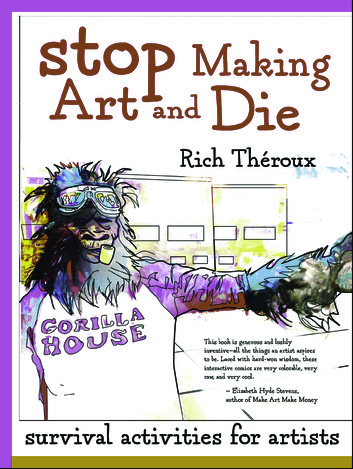
Stop Making Art and Die: Survival Activities for Artists

Author: Rich Theroux
Book 1 - Artist Survival Series

Price range: $5.35 through $25.85

Rich Theroux delivers a playful, essential guide for artists. This survival manual offers creative activities to spark inspiration and prevent burnout. It empowers creators to keep making art every day.

Additional information

Publisher

Durvile Publications Ltd.

Release Date

November 9, 2016

Language

English

ISBN

9780995232235

Download options

Epub

Format

Digital Book, Paper Book

Description

Stop Making Art and Die: Essential Artist Survival Guide and Practical Activities

Introduction: Understanding Artist Survival in the Modern World

Artist survival requires more than just creative talent and passion for your craft. Furthermore, it demands practical skills that help you navigate financial challenges and personal obstacles. This comprehensive guide by Rich Theroux addresses survival activities for artists who want sustainable careers.

Many artists struggle to balance their creative work with basic life necessities. Therefore, this book provides actionable strategies for maintaining both artistic integrity and financial stability. Moreover, it offers honest advice about the realities of pursuing art professionally.

Rich Theroux’s “Stop Making Art and Die” challenges conventional wisdom about artistic careers. Additionally, it presents survival activities for artists that go beyond typical career advice. Consequently, readers gain tools to thrive rather than merely survive in creative fields.

Why Artists Need Survival Strategies

The creative industry presents unique challenges that other professions rarely face. However, artists often receive little practical training for managing these difficulties. Also, society frequently undervalues artistic work and contributions to culture.

Financial instability affects most artists at various points in their careers. Furthermore, irregular income streams create stress that can stifle creativity and productivity. Therefore, developing survival strategies becomes essential for long-term artistic practice.

Mental health challenges disproportionately impact creative professionals across all disciplines. Moreover, isolation and self-doubt compound the difficulties of pursuing artistic careers. Consequently, artists need comprehensive approaches to sustain both their work and well-being.

The Reality of Making Art for a Living

Making art professionally differs dramatically from creating as a hobby or passion project. Additionally, the romantic notion of the “starving artist” obscures real survival challenges. Therefore, artists must confront practical realities while maintaining their creative vision.

Most artists work multiple jobs to support their creative practice and basic needs. Furthermore, this juggling act requires exceptional time management and energy allocation. Also, it demands clear priorities about what matters most in life.

The art market operates according to complex economic and social dynamics. However, understanding these systems helps artists navigate them more effectively and strategically. Consequently, knowledge becomes a crucial survival tool for creative professionals.

Artist Survival: Financial Planning and Money Management

Financial literacy represents a critical survival skill that art schools rarely teach. Moreover, artists must learn to manage irregular income and plan for lean periods. Therefore, this book provides practical financial strategies tailored to creative careers.

Creating multiple income streams protects artists from complete financial collapse during slow periods. Furthermore, diversification allows for greater creative freedom in primary artistic work. Also, it reduces the pressure to compromise artistic vision for immediate income.

Budgeting for artists requires different approaches than traditional employment financial planning. Additionally, tracking expenses and income patterns helps identify opportunities and potential problems. Consequently, artists gain control over their financial situations through awareness.

Time Management and Productivity for Creative Professionals

Artists face unique time management challenges that conventional productivity advice often ignores. However, creative work requires different mental states and energy levels than administrative tasks. Therefore, effective scheduling must account for these creative rhythms and requirements.

Balancing studio time with income-generating activities demands careful planning and discipline. Furthermore, artists must protect their creative time while meeting financial obligations. Also, they need strategies for maintaining productivity during emotionally difficult periods.

Procrastination and perfectionism plague many artists and undermine their survival efforts. Moreover, these patterns often stem from fear rather than laziness or incompetence. Consequently, addressing underlying psychological issues becomes part of effective time management.

Building Sustainable Artist Survival Systems

Sustainable artistic careers require systems that support both creativity and practical necessities. Additionally, these systems must adapt to changing circumstances and evolving career stages. Therefore, flexibility becomes as important as structure in long-term planning.

Creating routines helps artists maintain consistent output despite external chaos and challenges. Furthermore, habits reduce decision fatigue and preserve mental energy for creative work. Also, reliable systems provide stability during uncertain times and market fluctuations.

Documentation and organization prevent artists from losing opportunities or important information. Moreover, professional systems enhance credibility with galleries, clients, and potential collaborators. Consequently, basic business practices become survival tools rather than creative obstacles.

Mental Health and Emotional Survival Activities for Artists

Mental health directly impacts an artist’s ability to create and sustain their practice. However, creative professionals often neglect their psychological well-being until crisis hits. Therefore, proactive mental health strategies become essential survival activities for artists everywhere.

Isolation intensifies mental health challenges and limits access to support and resources. Furthermore, many artists work alone for extended periods without regular social interaction. Also, the competitive nature of art worlds can foster unhealthy comparison and self-doubt.

Developing emotional resilience helps artists weather rejection, criticism, and market fluctuations. Moreover, resilience allows for continued creative risk-taking despite setbacks and disappointments. Consequently, psychological strength becomes as important as technical skill for career longevity.

Artist Survival Through Community and Networking

Building supportive communities provides both practical resources and emotional sustenance for artists. Additionally, connections with other creatives combat isolation and create collaboration opportunities. Therefore, networking becomes a survival strategy rather than merely career advancement.

Peer support groups offer understanding that non-artists often cannot provide to creatives. Furthermore, these communities share practical knowledge about navigating industry-specific challenges. Also, they provide accountability and encouragement during difficult creative periods.

Professional networks open doors to exhibitions, commissions, and other income-generating opportunities. Moreover, relationships with galleries, curators, and collectors develop over time through consistent engagement. Consequently, investing in genuine connections pays dividends throughout artistic careers.

Marketing Yourself Without Selling Your Soul

Self-promotion challenges many artists who view marketing as antithetical to authentic creativity. However, visibility directly impacts an artist’s ability to sustain their practice financially. Therefore, learning ethical marketing becomes a necessary survival skill for professionals.

Social media provides free platforms for reaching audiences and potential buyers worldwide. Furthermore, consistent online presence builds recognition and credibility over time through regular engagement. Also, digital tools democratize access to markets previously controlled by gatekeepers.

Authentic marketing aligns promotional activities with personal values and artistic vision. Moreover, artists can share their work without compromising integrity or creative independence. Consequently, marketing becomes an extension of artistic practice rather than betrayal.

Practical Survival Activities for Artists: Essential Strategies

Rich Theroux’s book outlines specific activities that help artists survive and thrive. Furthermore, these practical strategies address real challenges that creative professionals face daily. Also, they provide actionable steps rather than vague inspirational platitudes.

Key Survival Activities Covered in This Book:

  • Developing multiple income streams while maintaining artistic integrity and vision
  • Creating realistic budgets that account for irregular creative income patterns
  • Building emergency funds specifically designed for freelance and artistic careers
  • Establishing productive daily routines that protect creative time and energy
  • Managing client relationships and setting appropriate boundaries with buyers
  • Navigating rejection and criticism without abandoning your artistic practice
  • Finding and maintaining affordable studio space in expensive urban markets
  • Balancing day jobs with creative work without burning out completely
  • Building professional networks that provide support and real opportunities
  • Maintaining physical health despite sedentary or physically demanding artistic work
  • Developing mental resilience against industry pressures and personal doubts
  • Learning basic business skills including contracts, invoicing, and tax management
  • Creating sustainable work habits that prevent creative burnout over time
  • Finding grants, residencies, and other funding sources for artistic projects
  • Protecting your creative time from well-meaning friends and family demands

Artist Survival: Dealing with Rejection and Failure

Rejection forms an inevitable part of every artist’s career regardless of talent level. However, learning to process rejection constructively separates surviving artists from those who quit. Therefore, developing healthy responses to rejection becomes a critical survival skill.

Failure provides valuable information about what works and what needs adjustment. Furthermore, successful artists typically experience more failures than unsuccessful ones because they try more. Also, reframing failure as feedback rather than judgment protects creative confidence.

Separating personal worth from artistic success prevents devastating emotional crashes after setbacks. Moreover, this psychological boundary allows for continued risk-taking and creative experimentation. Consequently, artists maintain their practice through inevitable ups and downs.

Physical Health and Artist Survival Strategies

Physical health directly impacts creative output and career sustainability over decades. Additionally, many artistic practices involve repetitive motions or sedentary work that damages bodies. Therefore, maintaining physical well-being becomes essential for long-term artistic survival.

Studio work often involves poor ergonomics, toxic materials, or physically demanding activities. Furthermore, artists frequently sacrifice sleep, nutrition, and exercise during intensive creative periods. Also, lack of health insurance leaves many artists vulnerable to medical crises.

Preventive health care costs less than treating conditions after they become serious. Moreover, regular exercise and proper nutrition enhance creativity and mental clarity significantly. Consequently, investing in physical health supports rather than detracts from artistic practice.

Creating Boundaries and Saying No

Boundary-setting protects artists’ time, energy, and creative resources from constant demands. However, many artists struggle with saying no due to financial insecurity or people-pleasing tendencies. Therefore, learning to decline requests becomes a crucial survival skill.

Free work requests drain resources that artists need for their own projects. Furthermore, undervaluing your work trains others to expect free or cheap creative labor. Also, saying yes to everything leads to burnout and resentment over time.

Clear boundaries communicate professionalism and self-respect to potential clients and collaborators. Moreover, they filter out people who don’t value your work appropriately. Consequently, boundaries actually attract better opportunities rather than limiting possibilities.

Artist Survival Through Adaptability and Evolution

Artistic careers rarely follow linear paths from obscurity to success and recognition. Additionally, market conditions, personal circumstances, and creative interests change over time. Therefore, adaptability becomes essential for surviving decades in creative fields.

Successful artists evolve their practice while maintaining core artistic values and vision. Furthermore, they respond to changing markets without completely abandoning their creative identity. Also, they recognize when strategies no longer serve their current situation.

Flexibility allows artists to seize unexpected opportunities that rigid planning might miss. Moreover, it enables recovery from setbacks that would end less adaptable careers. Consequently, the ability to pivot becomes as valuable as technical skill.

The Role of Day Jobs in Artist Survival

Day jobs provide financial stability that allows for greater creative freedom and risk-taking. However, choosing the right supplementary work significantly impacts artistic sustainability and well-being. Therefore, strategic thinking about employment becomes part of survival planning.

Ideal day jobs offer flexibility, reasonable hours, and mental energy preservation for creative work. Furthermore, some employment provides skills, connections, or resources that benefit artistic practice. Also, work unrelated to art can provide necessary mental breaks from creative pressure.

Many successful artists maintained day jobs throughout their careers without shame or apology. Moreover, financial security from employment can reduce pressure to commercialize artistic vision prematurely. Consequently, day jobs sometimes protect artistic integrity rather than compromising it.

Artist Survival: Legal and Business Basics

Understanding basic legal protections prevents costly mistakes and exploitation by unscrupulous clients. Additionally, proper contracts clarify expectations and provide recourse when agreements break down. Therefore, legal literacy becomes a practical survival tool for professional artists.

Copyright law protects artists’ work from unauthorized use and reproduction by others. Furthermore, knowing your rights helps you negotiate fair terms with galleries and clients. Also, proper documentation proves ownership when disputes arise about creative work.

Basic business practices including invoicing, contracts, and tax management seem boring but matter. Moreover, professional systems prevent financial chaos and legal problems that derail careers. Consequently, administrative competence supports rather than detracts from creative success.

Finding Your Artistic Community for Survival Support

Isolation kills more artistic careers than lack of talent or market opportunities. However, finding genuine community requires effort and vulnerability from naturally introverted creatives. Therefore, actively seeking connection becomes a survival activity rather than optional networking.

Local artist groups provide immediate support, resources, and collaboration opportunities in your area. Furthermore, they offer accountability and encouragement during difficult creative periods and market downturns. Also, they create social structures that combat the loneliness of studio practice.

Online communities connect artists across geographical boundaries and specialized creative niches. Moreover, digital spaces allow for connection without requiring physical presence or travel expenses. Consequently, artists can find their people regardless of local circumstances.

Artist Survival Through Teaching and Mentorship

Teaching provides income while deepening your understanding of your own artistic practice. Additionally, it creates community connections and establishes you as an authority in your field. Therefore, educational work can support rather than distract from creative careers.

Workshops and classes offer flexible income that doesn’t require long-term employment commitments. Furthermore, they allow you to share knowledge while maintaining your primary artistic practice. Also, teaching forces clarity about your creative process and artistic philosophy.

Mentorship relationships benefit both emerging and established artists through mutual learning and support. Moreover, helping others succeed creates goodwill and strengthens the broader artistic community. Consequently, generosity often returns unexpected opportunities and connections over time.

Balancing Artistic Integrity with Commercial Survival

The tension between artistic vision and commercial viability challenges every professional creative. However, this conflict often presents false choices between purity and selling out completely. Therefore, finding middle ground becomes essential for sustainable artistic careers.

Commercial work can fund experimental projects that have no immediate market appeal. Furthermore, it develops technical skills and professional connections that benefit all creative work. Also, it provides financial security that reduces pressure on primary artistic practice.

Maintaining core values while adapting to market realities requires constant negotiation and self-awareness. Moreover, successful artists develop clear boundaries about what compromises they will and won’t make. Consequently, integrity becomes a practice rather than an absolute state.

Artist Survival: Managing Creative Burnout

Burnout threatens artistic careers more than financial struggles or lack of recognition. Additionally, it can end creative practices that survived decades of other challenges. Therefore, recognizing and preventing burnout becomes a critical survival skill.

Creative exhaustion differs from physical tiredness and requires different recovery approaches. Furthermore, it often results from emotional depletion rather than excessive work hours alone. Also, burnout frequently stems from misalignment between values and daily activities.

Prevention strategies include regular breaks, boundary-setting, and maintaining life outside artistic identity. Moreover, diversifying creative outlets prevents over-investment in single projects or career paths. Consequently, sustainable pacing protects long-term creative capacity and career longevity.

The Importance of Rest in Artist Survival Activities

Rest and recovery enable continued creative output over decades rather than brief bursts. However, hustle culture pressures artists to work constantly without adequate downtime. Therefore, intentional rest becomes a radical act of self-preservation and career sustainability.

Creative work depletes mental and emotional resources that require time to replenish fully. Furthermore, breakthrough ideas often emerge during rest periods rather than active work sessions. Also, exhaustion produces inferior work that damages reputation and self-confidence.

Scheduling regular breaks prevents the forced rest of burnout or illness later. Moreover, planned downtime allows for guilt-free recovery and genuine rejuvenation. Consequently, rest becomes productive rather than wasteful in long-term career planning.

Artist Survival Through Grants and Alternative Funding

Grants and fellowships provide crucial funding for projects without commercial market appeal. Additionally, they offer validation and credibility that opens other professional opportunities. Therefore, learning to navigate funding systems becomes an important survival skill.

Application processes require time and effort but can yield significant financial support. Furthermore, successful grant writing develops skills in articulating your artistic vision clearly. Also, even rejected applications clarify your thinking about your creative practice.

Crowdfunding platforms democratize access to project funding beyond traditional gatekeepers and institutions. Moreover, they build audience investment in your work before projects even begin. Consequently, alternative funding models create new possibilities for artistic sustainability.

Conclusion: Embracing Artist Survival as Ongoing Practice

Artist survival requires continuous adaptation, learning, and self-awareness throughout your career. Furthermore, it demands both practical skills and psychological resilience in equal measure. Also, it recognizes that sustaining creative practice is itself a creative act.

Rich Theroux’s “Stop Making Art and Die” provides honest, practical guidance for artists. Moreover, it acknowledges real challenges without sugarcoating the difficulties of creative careers. Therefore, it serves as both warning and encouragement for aspiring professionals.

Survival activities for artists extend beyond financial management to encompass holistic well-being. Additionally, they recognize that artists are whole people with needs beyond creative expression. Consequently, this comprehensive approach supports sustainable careers rather than brief artistic flames.

The provocative title challenges artists to take their survival seriously and proactively. However, the book’s true message encourages continued creative practice through practical preparation. Also, it affirms that artistic careers are possible with proper planning and support.

Ultimately, artist survival means creating systems that support both your art and your life. Furthermore, it requires rejecting false choices between artistic integrity and basic survival. Therefore, this book empowers artists to thrive rather than merely survive creatively.

Reviews

There are no reviews yet.

Be the first to review “Stop Making Art and Die: Survival Activities for Artists”

Your email address will not be published. Required fields are marked *

E-mail
Password
Confirm Password