Description
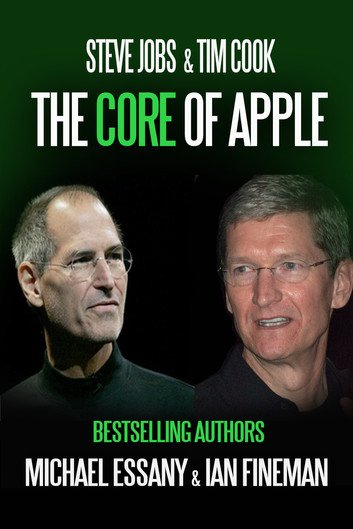
Steve Jobs and Tim Cook: The Core of Apple – A Deep Dive into Apple’s Leadership Legacy
Understanding Apple’s Revolutionary Leadership Transition
Steve Jobs and Tim Cook represent two distinct eras of Apple’s extraordinary journey. This compelling e-book explores how these visionary leaders shaped the world’s most valuable technology company. Moreover, it reveals the contrasting philosophies that drove Apple’s unprecedented success. The book examines their unique approaches to innovation, management, and corporate culture.
Michael Essany and Ian Fineman deliver an insightful analysis of Apple’s leadership evolution. Furthermore, they uncover the strategic decisions that transformed Apple into a global powerhouse. The authors present a balanced perspective on both leaders’ contributions. Consequently, readers gain valuable insights into effective leadership and organizational transformation.
The Visionary Genius of Steve Jobs
Jobs’ Revolutionary Approach to Innovation
Steve Jobs revolutionized multiple industries through his relentless pursuit of perfection. His vision extended far beyond creating products; he crafted experiences. Additionally, Jobs possessed an uncanny ability to anticipate consumer desires before they emerged. His leadership style was intense, demanding, and uncompromising.
The book explores Jobs’ early years and his triumphant return to Apple. Moreover, it details how he rescued the company from near bankruptcy. His introduction of the iMac, iPod, iPhone, and iPad changed technology forever. Therefore, his legacy remains unmatched in the business world.
The Reality Distortion Field
Jobs famously wielded what colleagues called a “reality distortion field.” This phenomenon enabled him to convince teams that impossible deadlines were achievable. Furthermore, it pushed engineers and designers beyond their perceived limitations. However, this approach sometimes created intense workplace pressure and conflict.
The authors examine both positive and negative aspects of Jobs’ management style. Consequently, readers understand the full complexity of his leadership approach. His perfectionism drove innovation but also created challenging work environments. Nevertheless, his methods produced some of history’s most iconic products.
Tim Cook’s Operational Excellence
A Different Kind of Leadership
Tim Cook and Steve Jobs could hardly be more different in their leadership styles. Cook brought operational discipline and supply chain mastery to Apple’s executive suite. Moreover, he emphasized collaboration, inclusivity, and sustainable business practices. His calm, methodical approach contrasted sharply with Jobs’ fiery intensity.
The book details Cook’s rise through Apple’s ranks before becoming CEO. Additionally, it explores his transformative work optimizing Apple’s manufacturing and distribution networks. Cook’s expertise in operations became crucial to Apple’s profitability. Therefore, his appointment as CEO represented strategic continuity with operational enhancement.
Maintaining Innovation While Scaling Operations
Cook faced enormous pressure to maintain Apple’s innovative edge after Jobs’ passing. However, he successfully guided the company to unprecedented financial heights. Furthermore, he expanded Apple’s product lines and services revenue streams. The Apple Watch, AirPods, and services growth exemplify his strategic vision.
The authors analyze how Cook balanced innovation with operational efficiency. Moreover, they examine his focus on privacy, environmental responsibility, and social issues. His leadership style emphasizes teamwork rather than individual genius. Consequently, Apple’s organizational culture evolved while maintaining its innovative spirit.
Contrasting Leadership Philosophies
Vision Versus Execution
The book highlights fundamental differences between these two legendary leaders:
- Steve Jobs: Visionary product designer focused on revolutionary breakthroughs
- Tim Cook: Operations expert emphasizing efficiency, scale, and incremental improvement
- Jobs’ Approach: Intuition-driven, design-first, perfectionist methodology
- Cook’s Method: Data-driven, collaborative, process-oriented strategy
- Jobs’ Legacy: Iconic products that redefined entire industries
- Cook’s Achievement: Massive scale, profitability, and market capitalization growth
Cultural Impact on Apple’s Organization
Steve Jobs and Tim Cook each shaped Apple’s culture in distinctive ways. Jobs created a culture of secrecy, urgency, and uncompromising quality standards. Moreover, he fostered intense competition between teams to drive innovation. His presence dominated every aspect of product development and marketing.
Cook transformed Apple’s culture toward greater transparency and social responsibility. Furthermore, he promoted diversity, environmental sustainability, and employee well-being. However, he maintained Jobs’ commitment to product excellence and customer experience. Therefore, Apple’s culture evolved while preserving its core values.
Innovation Under Two Different Leaders
The Jobs Era: Revolutionary Products
Jobs’ tenure produced transformative products that created entirely new markets. The iPod revolutionized music consumption and distribution worldwide. Additionally, the iPhone fundamentally changed mobile computing and communication. The iPad established a new category between smartphones and laptops.
The book examines Jobs’ product development philosophy in detail. Moreover, it reveals his obsessive attention to design, materials, and user experience. Jobs believed in saying no to thousands of ideas. Consequently, Apple focused resources on few products executed with perfection.
The Cook Era: Refinement and Expansion
Cook’s leadership emphasized refining existing products and expanding Apple’s ecosystem. However, critics sometimes questioned whether true innovation continued under his watch. Furthermore, the book addresses these concerns with balanced analysis and evidence. Cook’s Apple introduced significant products including Apple Watch and AirPods.
The authors explore how Cook expanded services revenue dramatically. Moreover, they examine Apple’s growing emphasis on health, fitness, and financial services. Cook’s strategy focused on ecosystem integration rather than standalone revolutionary products. Therefore, his approach prioritized sustainable growth over disruptive innovation.
Business Strategy and Market Dominance
Financial Performance Under Both Leaders
Jobs rescued Apple from bankruptcy and built it into a profitable powerhouse. His focus on premium products and brand value transformed Apple’s financial position. Additionally, his retail strategy created unprecedented direct customer relationships. Apple’s market capitalization grew exponentially during his tenure.
Cook took Apple to even greater financial heights. Furthermore, he made Apple the first trillion-dollar company in history. His operational expertise maximized margins while scaling production globally. Consequently, Apple achieved record-breaking profits and cash reserves under his leadership.
Supply Chain Mastery
The book details Cook’s legendary supply chain management expertise. Moreover, it explains how he revolutionized Apple’s manufacturing and logistics operations. Cook negotiated favorable terms with suppliers and optimized inventory management. Therefore, Apple maintained high margins while meeting massive global demand.
His operational innovations became competitive advantages that rivals couldn’t replicate. Furthermore, Cook’s supply chain strategies enabled rapid product launches worldwide. However, the book also examines challenges including labor practices and environmental concerns. Nevertheless, Cook’s operational excellence remains widely admired in business circles.
Leadership Lessons from Apple’s Transformation
What Business Leaders Can Learn
This e-book offers valuable insights for executives, entrepreneurs, and business students. Moreover, it demonstrates how different leadership styles can achieve extraordinary results. The contrasting approaches of Jobs and Cook provide important lessons. Therefore, readers gain practical knowledge applicable to various organizational contexts.
The authors identify key principles from both leaders’ successes. Additionally, they analyze mistakes and challenges each leader faced. Understanding these lessons helps leaders develop their own effective approaches. Consequently, the book serves as both historical account and practical guide.
Adapting Leadership Styles to Organizational Needs
Jobs’ visionary approach worked brilliantly for creating breakthrough innovations. However, his intense style wouldn’t suit every organization or situation. Furthermore, Cook’s methodical approach excels at scaling and optimizing operations. Yet some situations demand more disruptive, visionary leadership.
The book emphasizes that effective leadership requires situational awareness. Moreover, it shows how Apple needed different leadership at different stages. Jobs provided the vision and products that saved the company. Therefore, Cook’s operational excellence enabled sustainable growth and market dominance.
Apple’s Corporate Culture Evolution
The Jobs Foundation
Jobs established Apple’s culture around excellence, secrecy, and innovation. His famous “A players hire A players” philosophy shaped recruitment standards. Additionally, he created an environment where mediocrity was unacceptable. His Tuesday meetings became legendary for their intensity and focus.
The book explores how Jobs’ personality permeated Apple’s organizational DNA. Moreover, it examines the benefits and costs of his demanding approach. Many employees found working under Jobs incredibly challenging yet rewarding. Consequently, Apple attracted talented individuals willing to endure intense pressure.
Cook’s Cultural Refinements
Cook maintained Apple’s excellence standards while humanizing the workplace culture. Furthermore, he emphasized collaboration over internal competition between teams. His leadership style encouraged open communication and diverse perspectives. Therefore, Apple’s culture became more inclusive while remaining performance-driven.
The authors detail Cook’s initiatives promoting diversity and environmental responsibility. Moreover, they examine his public advocacy on social issues. Cook’s willingness to take stands on controversial topics marked a departure. However, he carefully balanced activism with business priorities and shareholder interests.
The Succession Challenge
Preparing for Leadership Transition
The book examines how Jobs prepared Cook for the CEO role. Moreover, it reveals the careful succession planning that occurred over years. Jobs recognized Cook’s complementary strengths and operational expertise. Therefore, he gradually expanded Cook’s responsibilities and authority.
This succession represents one of business history’s most successful leadership transitions. Furthermore, it demonstrates the importance of thoughtful succession planning. Many companies struggle when visionary founders depart. Consequently, Apple’s smooth transition offers valuable lessons for organizational continuity.
Skepticism and Validation
Initially, many doubted whether Cook could fill Jobs’ shoes successfully. However, Cook’s performance silenced critics through consistent results and growth. Furthermore, he proved that different leadership styles can maintain organizational excellence. His tenure validated the succession decision and planning process.
The authors analyze how Cook established his own leadership identity. Moreover, they examine how he honored Jobs’ legacy while charting new directions. Cook avoided simply imitating Jobs’ style or completely abandoning his principles. Therefore, he successfully balanced continuity with necessary evolution and adaptation.
Looking Forward: Apple’s Future
Challenges and Opportunities Ahead
The book concludes by examining challenges facing Apple’s future leadership. Moreover, it considers how Jobs’ and Cook’s legacies will influence future directions. Apple faces increasing competition, regulatory scrutiny, and market saturation. Therefore, future leaders must navigate complex technological and geopolitical landscapes.
The authors discuss potential successors and what qualities Apple’s next leader needs. Additionally, they explore emerging technologies and market opportunities for Apple. The company’s future success depends on maintaining innovation while scaling operations. Consequently, future leaders must synthesize lessons from both Jobs and Cook.
Why Read This E-Book?
Comprehensive Leadership Analysis
“Steve Jobs & Tim Cook: The Core of Apple” offers unparalleled insights into transformational leadership. Moreover, it provides detailed analysis unavailable in shorter articles or superficial accounts. The authors combine extensive research with engaging storytelling and practical insights. Therefore, readers gain deep understanding of what makes great leaders effective.
This e-book appeals to multiple audiences including business professionals and technology enthusiasts. Furthermore, it serves students studying leadership, management, and organizational behavior. Anyone interested in Apple’s remarkable story will find valuable information. Consequently, the book delivers both entertainment and educational value.
Practical Applications Beyond Apple
While focused on Apple, the leadership lessons apply broadly across industries. Moreover, the contrasting styles demonstrate that multiple approaches can succeed. Readers learn to identify their own leadership strengths and development areas. Therefore, the book functions as both case study and practical guide.
The authors emphasize adapting principles rather than copying specific tactics. Additionally, they encourage readers to develop authentic leadership styles. Understanding Jobs’ and Cook’s approaches helps leaders make better decisions. Consequently, this e-book provides lasting value beyond immediate reading enjoyment.
Conclusion: Two Leaders, One Extraordinary Legacy
Steve Jobs and Tim Cook together built Apple into history’s most valuable company. Their contrasting leadership styles complemented each other across different organizational phases. Moreover, their combined legacy demonstrates that great companies need different leaders. Jobs provided revolutionary vision while Cook delivered operational excellence and sustainable growth.
This e-book by Michael Essany and Ian Fineman captures their remarkable story comprehensively. Furthermore, it offers insights that extend far beyond Apple’s specific context. Understanding these leaders helps anyone interested in business, technology, or leadership. Therefore, “Steve Jobs & Tim Cook: The Core of Apple” represents essential reading.
The book ultimately celebrates how different leadership approaches can achieve extraordinary results. Moreover, it demonstrates the importance of matching leadership style to organizational needs. Both leaders left indelible marks on Apple and the broader business world. Consequently, their stories continue inspiring current and future generations of leaders.






Reviews
There are no reviews yet.