Description
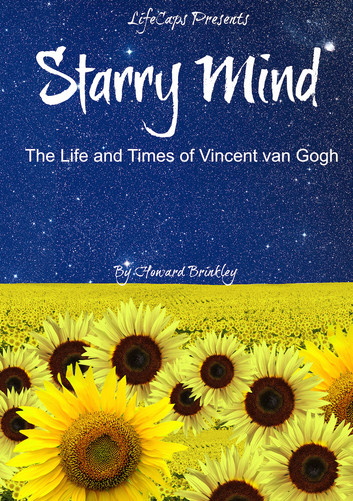
Starry Mind: The Life and Times of Vincent van Gogh by Howard Brinkley
Introduction to Vincent van Gogh’s Extraordinary Life
“Starry Mind: The Life and Times of Vincent van Gogh” by Howard Brinkley offers an intimate portrait of history’s most passionate artist. This comprehensive biography explores how Vincent van Gogh transformed personal suffering into timeless masterpieces. Furthermore, Brinkley examines the emotional depths, creative genius, and tragic circumstances that defined his brief career. Additionally, readers discover how this misunderstood painter revolutionized art through bold colors and expressive brushwork.
The book provides unprecedented insights into van Gogh’s turbulent life, from his Dutch childhood to French fame. Moreover, Brinkley draws on extensive letters, historical records, and psychological analysis to create a vivid narrative. Consequently, readers gain intimate access to the mind behind “The Starry Night” and other iconic works. Indeed, this biography illuminates both the brilliance and darkness that characterized his extraordinary existence.
Who Was Vincent van Gogh?
Vincent Willem van Gogh was born in 1853 in Groot-Zundert, Netherlands, into a religious family. His father served as a Protestant minister, instilling strong moral values and spiritual sensitivity from an early age. Furthermore, young Vincent showed intense emotions and deep empathy that would later fuel his art. However, he struggled to find his calling, trying various careers before discovering painting late in life.
Van Gogh initially worked as an art dealer, teacher, and missionary before becoming an artist. Moreover, he felt drawn to helping the poor and suffering, identifying deeply with their struggles. Therefore, his early experiences consistently shaped his artistic vision and his choice of humble subjects. Additionally, his compassionate nature influenced the emotional intensity that characterizes his greatest paintings today.
The artist began painting seriously only at age twenty-seven, giving him just ten productive years. Consequently, his artistic output demonstrates remarkable urgency and passionate dedication throughout his brief career.
Vincent van Gogh’s Artistic Journey and Development
Van Gogh’s early works featured dark, somber tones reflecting Dutch artistic traditions and peasant life. Furthermore, paintings such as “The Potato Eaters” demonstrated his commitment to honestly depicting the dignity of the working class. His palette remained subdued during this period, emphasizing predominantly earthy browns and muted colors. However, everything changed when he moved to Paris and encountered Impressionist and Post-Impressionist movements.
In Paris, Vincent van Gogh discovered vibrant colors, innovative techniques, and revolutionary artistic approaches that transformed him. Moreover, he studied Japanese prints, which significantly influenced his bold compositions and flattened perspective. Additionally, he regularly befriended artists like Paul Gauguin, Émile Bernard, and Henri de Toulouse-Lautrec. Consequently, his palette exploded with yellows, blues, and greens, becoming his signature style.
The artist’s most productive period came after moving to Arles in southern France, seeking light. Indeed, the Mediterranean sun inspired his most famous works, including the sunflower series and starry landscapes.
Major Masterpieces and Artistic Achievements
Vincent van Gogh created approximately 2,100 artworks during his decade-long career, including 860 oil paintings. Furthermore, his most celebrated works emerged during his final two years despite deteriorating mental health. “The Starry Night,” painted from his asylum window, captures swirling cosmic energy and emotional turbulence. Additionally, his sunflower series demonstrates mastery of color, texture, and symbolic meaning through simple subjects.
Other significant paintings include “Irises,” “Café Terrace at Night,” and numerous self-portraits revealing psychological depth. Moreover, his bedroom paintings depict intimate domestic spaces, rendered in bold colors and expressive lines. Consequently, these works revolutionized how artists approached color, emotion, and personal expression in painting. Therefore, van Gogh’s influence extends across modern art movements from Expressionism to Abstract Expressionism.
Some of Vincent van Gogh’s most important contributions to art history include:
- Pioneering expressive use of color to convey emotion rather than realistic representation
- Developing a distinctive brushwork technique, creating movement and energy across canvas surfaces
- Creating over 2,100 artworks in just ten years of intensive creative production
- Writing extensive letters documenting artistic philosophy, techniques, and creative process thoroughly
- Influencing countless modern artists through bold experimentation and emotional authenticity consistently
- Elevating everyday subjects like peasants, flowers, and landscapes to profound artistic statements
The Artist’s Mental Health Struggles
Vincent van Gogh battled severe mental illness throughout his adult life, experiencing episodes and breakdowns. Furthermore, his condition worsened during his final years, leading to hospitalization and self-harm incidents. The famous ear-cutting episode occurred tragically after a confrontation with Paul Gauguin in Arles. Additionally, he voluntarily admitted himself to Saint-Paul asylum in Saint-Rémy-de-Provence seeking treatment.
Despite his suffering, van Gogh continued painting prolifically during periods of stability and clarity. Moreover, his artwork became increasingly powerful and emotionally resonant as his condition deteriorated progressively. Consequently, many scholars debate whether his mental illness enhanced or hindered his creative genius. Indeed, his paintings reflect both the agony and the transcendent beauty he experienced simultaneously.
Modern researchers suggest van Gogh may have had bipolar disorder, epilepsy, or other conditions. However, a definitive diagnosis remains impossible given the limited historical medical records and understanding at that time.
Howard Brinkley’s Biographical Approach to Van Gogh
Howard Brinkley brings a fresh perspective to van Gogh’s well-documented life through psychological and cultural analysis. Furthermore, he examines how nineteenth-century society failed to recognize or support the struggling artist. His approach balances artistic analysis with compassionate exploration of mental health and personal relationships. Additionally, Brinkley contextualizes van Gogh’s work within broader Post-Impressionist movements and artistic developments.
Brinkley explores not just the paintings but also the extensive letters van Gogh wrote regularly. Moreover, these letters to his brother Theo provide invaluable insights into his artistic philosophy. Consequently, readers encounter van Gogh’s own words, directly explaining his creative vision and personal struggles. Therefore, the biography succeeds as both art history and an intimate psychological portrait simultaneously.
The author’s accessible writing style makes complex artistic concepts understandable for general audiences everywhere. Indeed, Brinkley demonstrates deep knowledge while maintaining an engaging narrative flow throughout the entire book.
Vincent van Gogh’s Relationship with Theo
Theo van Gogh, Vincent’s younger brother, provided crucial financial and emotional support throughout his career. Furthermore, Theo worked as an art dealer in Paris, sending money regularly for Vincent’s works. Their correspondence reveals a deep bond, mutual respect, and shared passion for art and beauty. Additionally, Theo tirelessly championed Vincent’s work, though sales remained minimal during the artist’s lifetime.
The brothers’ relationship sustained Vincent through poverty, illness, and artistic rejection from mainstream society. Moreover, Theo’s unwavering belief in his brother’s genius consistently provided essential validation and encouragement. Consequently, without Theo’s support, Vincent van Gogh might never have produced his revolutionary masterpieces. Indeed, Theo’s dedication demonstrates profound love and recognition of his brother’s extraordinary talent.
Tragically, Theo died just six months after Vincent, possibly from grief and syphilis complications.
Influence on Modern Art and Lasting Legacy
Vincent van Gogh profoundly influenced twentieth-century art movements despite selling only one painting during lifetime. Furthermore, his expressive use of color inspired Fauvists like Henri Matisse and André Derain. His emotional intensity and bold brushwork paved the way for German Expressionists and Abstract Expressionists. Additionally, his personal authenticity encouraged artists to explore subjective experience rather than objective representation.
Today, van Gogh’s paintings rank among the world’s most valuable and recognizable artworks globally. Moreover, his life story resonates with audiences as a testament to artistic perseverance and creative passion. Consequently, his legacy extends beyond paintings to inspire anyone pursuing creative dreams despite obstacles. Therefore, van Gogh represents the archetypal misunderstood genius whose work transcends his tragic circumstances.
Museums worldwide display his works, attracting millions of visitors each year who seek a connection with his genius.
Why Readers Should Explore This Biography
“Starry Mind” offers a compelling, comprehensive understanding of art history’s most fascinating and tragic figure. Furthermore, Brinkley’s engaging narrative makes van Gogh’s complex life accessible and deeply moving for readers. The book provides insights into creative processes, mental health, and the cost of artistic dedication. Additionally, it illuminates how society often fails to recognize genius until it is tragically too late.
The biography appeals to art enthusiasts, psychology students, and anyone interested in stories of human resilience. Moreover, it provides valuable lessons about perseverance, authenticity, and following creative passions courageously. Consequently, readers find both educational content and a profoundly inspiring human story within these pages. Indeed, van Gogh’s life demonstrates that true art emerges from genuine emotion and personal truth.
What Makes This Book Special
Brinkley’s biography stands out for its balanced treatment of van Gogh’s genius and mental illness. Furthermore, he avoids romanticizing suffering while acknowledging how pain influenced the artist’s unique vision. The book includes beautiful reproductions that showcase van Gogh’s artistic evolution throughout his career. Additionally, Brinkley’s psychological insights offer a fresh perspective on the man behind the legendary paintings.
The author examines how van Gogh’s religious background, failed relationships, and social isolation shaped him. Moreover, he explores the artist’s philosophical beliefs about nature, beauty, and art’s spiritual purpose. Consequently, readers gain a nuanced understanding rather than a simplistic tragic-hero narrative or a superficial biography. Therefore, this honest, thorough approach makes the book valuable to serious readers and casual enthusiasts alike.
Conclusion: Celebrating Vincent van Gogh’s Enduring Impact
“Starry Mind: The Life and Times of Vincent van Gogh” by Howard Brinkley offers a definitive portrait of the art world’s most passionate and misunderstood genius. The biography demonstrates how Vincent van Gogh transformed suffering into transcendent beauty through unwavering dedication. Furthermore, Brinkley’s scholarship and storytelling create an engaging, emotionally resonant reading experience for all audiences.
This book ensures that van Gogh’s contributions to art receive the recognition and understanding they deserve. Moreover, it inspires readers to appreciate both artistic excellence and the human courage behind creative achievement. Therefore, anyone interested in art history, mental health, or inspiring biographies will find this essential reading.


Reviews
There are no reviews yet.