Description
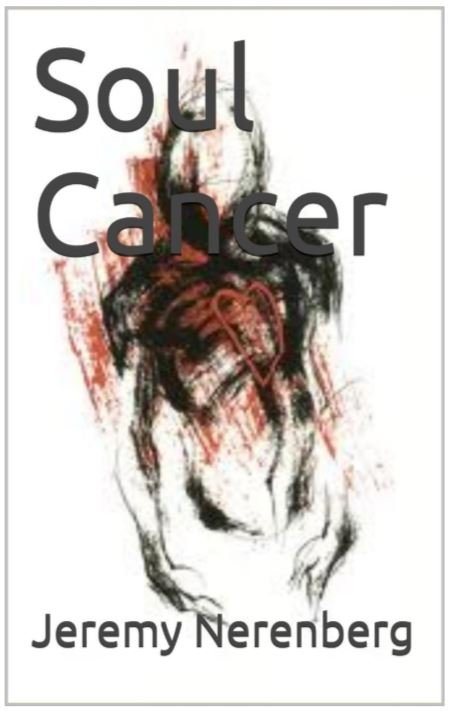
Soul Cancer: A Raw Addiction Memoir from the Disambiguation Series
Soul Cancer by Jude Blues is an unflinching addiction memoir that strips away every comfortable illusion about substance abuse. This true addiction story refuses to romanticize or sanitize the devastating reality of addiction.
Instead, Blues presents addiction as what he calls “cancer of the soul”—a disease that metastasizes through every aspect of life. Furthermore, this book belongs to the Disambiguation series and carries ISBN 9781484898437. Consequently, readers should prepare themselves for brutal honesty rather than Hollywood-style redemption arcs.
What Makes This Addiction Memoir Different
Most addiction narratives follow predictable patterns with tidy resolutions and inspirational messages. However, Soul Cancer takes a radically different approach to telling a true addiction story. Blues describes his work as “sick and twisted,” and he means it. Moreover, this addiction memoir doesn’t offer easy answers or comfortable takeaways. Instead, it forces readers to confront the raw, unfiltered consequences of addiction.
This book covers:
- The psychological devastation addiction causes to the addict and everyone around them
- Unflinching descriptions of rock-bottom moments without dramatic embellishment
- The “soul cancer” metaphor—how addiction spreads and destroys from within
- Real consequences that don’t disappear with a single moment of clarity
- The messy, non-linear reality of struggling with substance abuse
- Honest examination of relapse, failure, and the brutal truth about recovery
Therefore, readers seeking inspiration porn or feel-good recovery stories should look elsewhere. Nevertheless, those wanting authentic truth will find it here in abundance.
A True Addiction Story Without Filter
Blues refuses to glamorize his experiences or present himself as a sympathetic protagonist. Indeed, this true addiction story shows addiction in its most devastating form. The author doesn’t shy away from describing the “sick and twisted” realities of active addiction. Furthermore, he explores how substance abuse functions like cancer—silently spreading, destroying healthy tissue, and consuming everything it touches.
This narrative doesn’t follow the typical memoir structure of problem-struggle-triumph. Instead, it presents addiction as an ongoing battle with no guaranteed happy ending. Moreover, Blues examines the collateral damage addiction causes to families, relationships, and communities. Consequently, readers gain insight into addiction’s ripple effects beyond the individual addict.
The book’s raw honesty extends to uncomfortable truths many addiction narratives avoid. Additionally, Blues discusses the shame, degradation, and moral compromises addiction demands. Thus, this true addiction story serves as both testimony and warning. Meanwhile, it validates the experiences of those who’ve lived through similar darkness.
The “Cancer of the Soul” Metaphor
Blues’s central metaphor frames addiction as soul cancer—a disease attacking one’s essential humanity. This comparison illuminates how addiction operates beyond mere physical dependency. Furthermore, like cancer, addiction often goes undetected until it’s already spread extensively. The metaphor also captures addiction’s progressive nature and its resistance to treatment.
Moreover, calling addiction “cancer of the soul” emphasizes its life-threatening seriousness. This framing rejects minimizing language that treats substance abuse as a lifestyle choice. Instead, it positions addiction as a genuine medical and spiritual crisis. Consequently, readers understand why recovery requires such intensive, ongoing intervention.
The soul cancer concept also addresses addiction’s psychological and spiritual dimensions. Indeed, Blues explores how substance abuse hollows out identity and purpose. Additionally, he examines how addiction metastasizes through every relationship and life domain. Thus, the metaphor provides a framework for understanding addiction’s comprehensive destruction.
Who Should Read Soul Cancer
This addiction memoir serves multiple audiences seeking unvarnished truth about substance abuse. However, it’s not for everyone, and that’s intentional. Blues wrote for people tired of sanitized, inspirational addiction narratives. Furthermore, this book speaks directly to those who’ve experienced addiction’s brutal reality firsthand.
Ideal readers include:
- People in recovery who want validation rather than platitudes
- Family members seeking to understand addiction’s true nature
- Healthcare professionals working with addicted populations
- Memoir readers who appreciate unflinching honesty over comfortable narratives
- Anyone affected by addiction who feels alienated by typical recovery literature
- Readers interested in the Disambiguation series’s raw storytelling approach
Nevertheless, potential readers should understand this true addiction story contains disturbing content. The “sick and twisted” description isn’t marketing hyperbole—it’s an accurate warning. Moreover, those seeking trigger content warnings should research thoroughly before reading. Consequently, this book demands emotional resilience from its audience.
Raw Reality Over Hollywood Redemption
Soul Cancer deliberately rejects the redemption narrative arc dominating most addiction memoirs. Instead, Blues presents addiction as an ongoing struggle without guaranteed resolution. Furthermore, he refuses to position himself as an inspirational figure who “beat” addiction. This honesty distinguishes his work from celebrity tell-alls and recovery success stories.
The book’s rawness extends to its prose style and structural choices. Indeed, Blues writes with visceral immediacy rather than polished literary distance. Additionally, he includes details other memoirists might omit for palatability. Thus, readers experience addiction’s reality rather than a curated version designed for comfort.
Moreover, this approach serves an important purpose beyond shock value. By refusing to glamorize or sanitize, Blues honors the genuine experiences of addicts. Consequently, his true addiction story provides representation for those whose experiences don’t fit inspirational templates. Meanwhile, it challenges readers’ preconceptions about addiction and recovery.
The Disambiguation Series Context
Soul Cancer belongs to the Disambiguation series, which shares its commitment to unfiltered truth-telling. This series explores difficult subjects without softening edges or providing easy answers. Furthermore, the series title suggests its mission—disambiguating reality from comfortable fictions. Therefore, readers familiar with the series know to expect challenging, confrontational content.
The series context also indicates Blues’s broader literary project beyond this single addiction memoir. Indeed, Disambiguation examines various forms of human struggle and darkness. Additionally, the series maintains consistent aesthetic and ethical commitments across volumes. Thus, Soul Cancer fits within a larger framework of radical honesty.
Critical Reception and Reader Responses
This addiction memoir has generated strong reactions reflecting its uncompromising approach. Some readers praise its brutal honesty and validation of difficult experiences. However, others find its rawness overwhelming or unnecessarily graphic. Nevertheless, even critical readers acknowledge the book’s authentic voice and refusal to pander.
The “sick and twisted” descriptor has become both selling point and warning label. Indeed, this phrase accurately captures the book’s unflinching examination of addiction’s darkest aspects. Moreover, it sets appropriate expectations for potential readers. Consequently, those who proceed know they’re entering difficult emotional territory.
Furthermore, the book has found particular resonance within recovery communities seeking alternatives to traditional narratives. Many readers report feeling seen and validated by Blues’s honest portrayal. Additionally, family members have noted the book helped them understand their loved ones’ experiences. Thus, despite its challenging content, Soul Cancer serves important educational and therapeutic functions.
Why This True Addiction Story Matters
In a literary landscape saturated with redemptive addiction narratives, Soul Cancer offers necessary counterbalance. Not every addiction story ends in triumphant recovery and inspirational speaking tours. Furthermore, many addicts and their families experience ongoing struggle without clear resolution. Therefore, Blues’s honest portrayal validates experiences typically excluded from mainstream addiction literature.
The book also challenges cultural narratives that romanticize or trivialize substance abuse. Indeed, by presenting addiction as soul cancer, Blues emphasizes its deadly seriousness. Moreover, he refuses to separate “good addicts” who recover from “bad addicts” who don’t. Consequently, his work promotes more compassionate, realistic understanding of addiction’s complexity.
Additionally, this true addiction story serves as testimony for those who didn’t survive their addictions. Blues writes not just his own story but represents countless others. Thus, the book functions as memorial and warning simultaneously. Meanwhile, it insists that society confront addiction’s reality rather than comfortable myths.
Conclusion
Soul Cancer stands as a landmark addiction memoir precisely because it refuses to comfort readers. Jude Blues has created a true addiction story that prioritizes truth over palatability. Furthermore, his “cancer of the soul” framework provides powerful language for understanding addiction’s comprehensive destruction. This book from the Disambiguation series (ISBN: 9781484898437) demands readers confront uncomfortable realities.
Moreover, Blues’s unflinching honesty serves readers tired of sanitized recovery narratives. His “sick and twisted” approach validates experiences typically excluded from mainstream addiction literature. Consequently, Soul Cancer fills a crucial gap in addiction memoir publishing. Indeed, it represents those whose stories don’t fit inspirational templates.
Therefore, this addiction memoir matters not despite its difficulty but because of it. Blues has written something raw, real, and necessary. Furthermore, he’s created a true addiction story that honors the brutal reality of substance abuse. Soul Cancer isn’t easy reading, but it’s essential reading for anyone seeking authentic understanding.
Ready to Confront the Raw Truth?
Soul Cancer by Jude Blues offers an addiction memoir unlike any other—no glamour, no easy answers, just unflinching truth. This true addiction story from the Disambiguation series presents addiction as “cancer of the soul” with devastating honesty.
If you’re ready for a raw, unfiltered look at substance abuse’s brutal reality, find Soul Cancer (ISBN: 9781484898437) at your preferred bookseller. However, be prepared—this “sick and twisted” narrative doesn’t pull punches or offer comfortable resolutions.





Reviews
There are no reviews yet.