Description
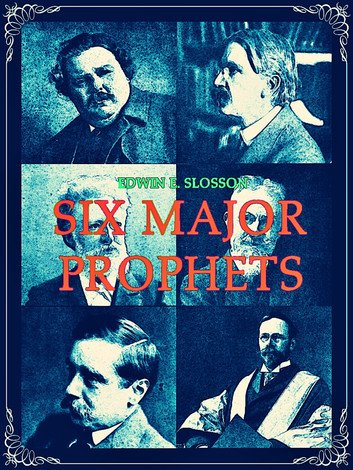
Six Major Prophets: Edwin Emery Slosson’s Guide to Visionary Thinkers
Introduction to the Six Major Prophets
“Six Major Prophets,” by Edwin Emery Slosson, examines influential thinkers who profoundly shaped human civilization. This remarkable book explores the six major prophets and their enduring contributions to society. Furthermore, Slosson analyzes how these visionaries transformed religious, social, and philosophical thought across different cultures.
The work offers accessible insights into prophetic wisdom that remains relevant for contemporary readers. Additionally, it demonstrates how understanding these six major prophets enriches our comprehension of history and human progress.
Slosson wrote this book to make complex prophetic traditions understandable for general audiences everywhere. Moreover, he recognized that these figures transcended their historical contexts to influence generations worldwide. Consequently, he created a comprehensive guide that balances scholarly depth with engaging, readable prose. Therefore, readers gain valuable knowledge without requiring specialized theological or historical training beforehand.
Edwin Emery Slosson: Scholar and Science Writer
Edwin Emery Slosson was a distinguished American chemist, editor, and popular science writer. He lived from 1865 to 1929 and contributed significantly to public understanding of science and culture. Furthermore, Slosson served as literary editor of The Independent and founded Science Service. His writing made complex subjects accessible to everyday readers seeking knowledge and understanding.
Slosson possessed a remarkable ability to explain difficult concepts in clear, engaging language that anyone could grasp. Additionally, he wrote numerous books covering science, philosophy, education, and social issues throughout his career. His interdisciplinary approach combined scientific rigor with humanistic insight and cultural awareness effectively. Moreover, he believed that understanding great thinkers helped people navigate modern life’s challenges more successfully.
The Six Major Prophets Covered in This Book
Slosson carefully selected six prophets whose influence significantly shaped civilization across continents and centuries. These visionary figures include Moses, Buddha, Confucius, Zoroaster, Jesus, and Muhammad, respectively. Furthermore, each prophet founded or transformed major religious and philosophical traditions that endure to this day. The book examines their lives, teachings, and lasting impact on billions of people worldwide.
The six major prophets Slosson profiles represent diverse cultural backgrounds and historical periods:
- Moses: Hebrew prophet who led the Israelites and established foundational Jewish law
- Buddha: Indian spiritual teacher who founded Buddhism and taught enlightenment through compassion
- Confucius: Chinese philosopher who created ethical systems governing social harmony and personal conduct
- Zoroaster: Persian prophet who introduced dualistic theology and influenced Abrahamic religions significantly
- Jesus: Jewish teacher whose life and teachings became Christianity’s foundation worldwide
- Muhammad: Arabian prophet who received the Quran and established Islam’s core principles
Additionally, Slosson explores how these six major prophets addressed universal human concerns and questions. He demonstrates that, despite different contexts, they shared the common goal of improving human life. Moreover, each prophet offered unique perspectives on morality, justice, spirituality, and social organization effectively.
Why These Six Major Prophets Matter
These prophets fundamentally transformed how billions of people understand existence, morality, and human purpose. Furthermore, their teachings established ethical frameworks that continue to guide societies worldwide today. Slosson argues that studying these figures reveals essential truths about human nature and aspiration. Additionally, understanding their messages helps us address contemporary challenges with timeless wisdom and insight.
The six major prophets created systems of thought that transcended their original cultural boundaries remarkably. Moreover, their ideas spread across continents, adapting to diverse societies while maintaining core principles. Consequently, they shaped art, literature, law, politics, and social structures throughout recorded history. Therefore, comprehending their contributions becomes essential for understanding civilization itself and its development.
Slosson also emphasizes that these prophets addressed problems that remain relevant today. Indeed, issues such as justice, compassion, community, and meaning continue to challenge humanity today as they did before. Furthermore, their solutions offer valuable perspectives for navigating our complex, interconnected world more effectively.
Historical and Cultural Context
Each of the six major prophets emerged during periods of significant social upheaval and transformation. Furthermore, they responded to specific challenges facing their communities with innovative spiritual and ethical solutions. Slosson provides historical background that helps readers understand why these figures arose when they did. Additionally, he explains how cultural conditions shaped their messages and methods of teaching others.
Moses led the Israelites during their exodus from Egyptian slavery to establish a new nation. Buddha lived during India’s spiritual ferment when people questioned traditional Vedic religious practices extensively. Moreover, Confucius witnessed China’s political chaos and sought to restore social harmony through ethical education. Zoroaster emerged in ancient Persia, introducing revolutionary concepts of good and evil and the cosmic struggle.
Jesus taught during the Roman occupation of Judea, offering spiritual liberation amid political oppression and suffering. Muhammad received revelations in seventh-century Arabia, unifying warring tribes under monotheistic faith and law. Consequently, understanding these contexts illuminates why their messages resonated so powerfully with contemporary audiences.
Key Teachings and Prophetic Contributions
Slosson examines the core teachings that made each of the six major prophets a transformative figure. Moses emphasized law, covenant, and monotheism as foundations for communal life and worship. Furthermore, he established principles of justice and social responsibility that influenced Western legal traditions. Buddha taught that suffering stems from attachment and that enlightenment comes through mindful practice.
Confucius focused on proper relationships, filial piety, and ethical conduct in all social interactions. Additionally, he emphasized education, self-cultivation, and ritual as paths to personal and societal harmony. Zoroaster introduced concepts of cosmic dualism, free will, and ultimate judgment between good and evil. Moreover, his ideas influenced the later development of beliefs in heaven, hell, and resurrection in the Abrahamic religions.
Jesus preached love, forgiveness, and the kingdom of God accessible to all people equally. Furthermore, he challenged religious authorities and emphasized inner transformation over external ritual observance alone. Muhammad taught submission to Allah, social justice, and community responsibility under divine law. Indeed, each prophet offered distinctive yet complementary visions of human flourishing and spiritual truth.
How the Six Major Prophets Influenced Society
The six major prophets shaped legal systems, social structures, and cultural values across civilizations worldwide. Furthermore, their teachings established moral frameworks that governed the daily lives and decisions of billions of people. Slosson demonstrates how prophetic ideas significantly influenced art, architecture, literature, and music throughout history. Additionally, he shows how these figures inspired social reforms, humanitarian movements, and political revolutions.
Moses’ law codes fundamentally influenced Western legal traditions, emphasizing justice, equality, and human dignity. Buddha’s compassion teachings inspired charitable institutions, hospitals, and educational systems across Asia extensively. Moreover, Confucian ethics shaped Chinese governance, family structures, and educational philosophy for millennia. Zoroastrian concepts profoundly influenced Jewish, Christian, and Islamic eschatology and moral dualism.
Jesus’ teachings motivated countless charitable organizations, hospitals, schools, and social justice movements throughout history. Muhammad’s revelations established legal systems, economic principles, and social welfare structures across Islamic civilizations. Consequently, the six major prophets’ influence extends far beyond religious contexts into secular society.
Common Themes Across Prophetic Traditions
Despite arising in different times and places, the six major prophets shared remarkable thematic similarities. Furthermore, Slosson identifies universal concerns that transcend cultural and historical boundaries among these visionaries. All emphasized compassion, justice, and ethical conduct as essential for individual and communal flourishing. Additionally, they challenged existing power structures and consistently advocated for the marginalized and oppressed.
Each prophet taught that spiritual truth requires personal transformation rather than mere external observance. Moreover, they emphasized universal community responsibility, social harmony, and care for vulnerable populations. The six major prophets also addressed fundamental questions about suffering, meaning, and human purpose. Indeed, they offered hope, guidance, and practical wisdom for navigating life’s challenges effectively.
Slosson argues that these common themes reveal deep truths about human nature and aspiration. Consequently, studying multiple prophetic traditions enriches our understanding more than focusing on a single one. Furthermore, recognizing shared values across traditions promotes dialogue, understanding, and cooperation among different communities.
Modern Relevance of Prophetic Messages
The six major prophets’ teachings remain remarkably relevant for addressing contemporary global challenges and concerns. Furthermore, their emphasis on justice, compassion, and community speaks directly to modern social issues. Slosson demonstrates how prophetic wisdom offers guidance for navigating technological change, environmental crisis, and social fragmentation. Additionally, their messages provide ethical frameworks for making decisions in complex, morally ambiguous situations.
Issues like inequality, violence, environmental destruction, and meaning continue to challenge humanity today, as they did in antiquity. Moreover, the six major prophets’ solutions effectively emphasize values that transcend specific historical contexts. Their teachings on compassion address modern loneliness and social isolation in digital age societies. Furthermore, their emphasis on justice speaks to ongoing struggles against oppression and discrimination worldwide.
Slosson argues that rediscovering prophetic wisdom helps counter materialism, cynicism, and moral relativism in society. Therefore, this book serves not merely as a historical study but as a practical guide for living.
What Readers Will Learn
Readers gain a comprehensive understanding of how the six major prophets shaped human civilization and thought. Furthermore, they discover practical wisdom applicable to personal growth, relationships, and ethical decision-making today. Slosson provides accessible explanations of complex theological and philosophical concepts without oversimplifying their depth. Additionally, readers learn to appreciate diverse religious traditions while recognizing their common humanistic foundations.
The book helps readers understand historical forces that shaped contemporary religious and cultural landscapes worldwide. Moreover, it demonstrates how ancient wisdom addresses modern problems with surprising relevance and practical applicability. Readers develop critical thinking skills for evaluating religious and philosophical claims thoughtfully and respectfully. Indeed, they gain tools for interfaith dialogue and cross-cultural understanding in our interconnected world.
Conclusion: The Enduring Power of Prophetic Vision
“Six Major Prophets” by Edwin Emery Slosson offers invaluable insights into figures who transformed civilization. The book demonstrates how understanding the six major prophets enriches our comprehension of history and humanity. Furthermore, Slosson’s accessible approach makes complex traditions understandable for readers without specialized training or background. His work reminds us that ancient wisdom remains powerfully relevant for navigating contemporary challenges effectively.
Moreover, the book invites readers to engage seriously with prophetic teachings that have shaped the lives of billions. It challenges us to consider how timeless values might address modern problems and moral dilemmas. Therefore, anyone seeking historical knowledge, spiritual insight, or ethical guidance will benefit from Slosson’s thoughtful analysis. Indeed, this work serves as both a scholarly resource and a practical guide for meaningful living today.





Reviews
There are no reviews yet.