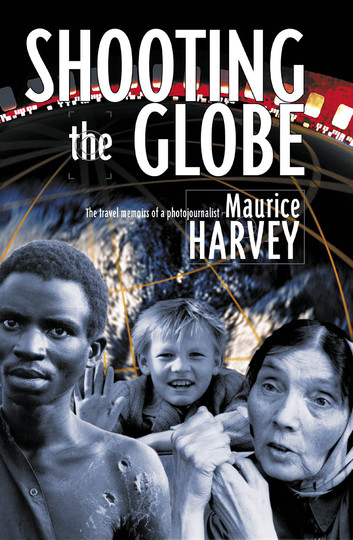
Shooting the Globe: The travel memoirs of a photojournalist

Price range: $3.43 through $23.93

Maurice Harvey shares his global adventures through the lens of a professional photojournalist. This memoir captures his most striking images and stories. It is a vibrant tribute to world cultures.

Additional information

Publisher

Castle Publishing Ltd

Release Date

September 2, 2016

Number of pages

250

Language

English

ISBN

9780987668271

Download options

Epub

Format

Digital Book, Paper Book

Description

Shooting the Globe: A Photojournalist’s Journey Through Lens and Life

Shooting the Globe by Maurice Harvey chronicles decades of extraordinary adventures behind the camera. This compelling memoir reveals what happens when a photojournalist dedicates his life to documenting the world. Moreover, Harvey shares intimate stories from conflict zones, remote villages, and bustling cities across continents. His travel memoirs of a photojournalist offer both inspiration and practical wisdom for aspiring photographers.

Harvey’s career spans over forty years capturing humanity’s most compelling moments and stories. He has photographed wars, natural disasters, cultural celebrations, and everyday life in countless countries. Furthermore, his work has appeared in major international publications and prestigious photography exhibitions worldwide. This memoir pulls back the curtain on the reality of globe-trotting photography work.

The book combines stunning visual storytelling with honest reflections on a photographer’s nomadic existence. Harvey doesn’t romanticize the challenges of constant travel and dangerous assignments throughout his career. Instead, he presents an authentic portrait of photojournalism’s rewards and sacrifices over time. Therefore, readers gain realistic insight into this demanding yet fulfilling profession and lifestyle choice.

The Making of a Globe-Trotting Photographer

Maurice Harvey’s journey into photojournalism began unexpectedly during his university years in Australia. He picked up a camera almost by accident while studying journalism and communications. However, that first photograph sparked a passion that would define his entire professional life. Additionally, early mentors recognized his natural eye for composition and storytelling through images immediately.

Harvey’s first international assignment took him to Southeast Asia in the late 1970s. The experience proved both exhilarating and terrifying for the young photographer starting out professionally. Moreover, he quickly learned that technical skill alone wouldn’t guarantee success in photojournalism’s competitive field. Cultural sensitivity, patience, and interpersonal skills proved equally important for capturing authentic human moments.

The memoir details how Harvey developed his distinctive photographic style through years of practice. He favored natural light and candid moments over staged or manipulated compositions consistently. Furthermore, he believed that the best photographs emerged from genuine human connections and trust. This philosophy guided his approach to shooting the globe throughout his entire career journey.

Early career struggles taught Harvey valuable lessons about persistence and adaptability in challenging environments. Assignments fell through, equipment failed, and cultural misunderstandings created obstacles he hadn’t anticipated initially. However, each setback strengthened his resolve and improved his problem-solving abilities significantly over time. Therefore, he learned to embrace uncertainty as an essential part of photojournalism’s nature.

Iconic Assignments That Defined a Career

Harvey recounts several landmark assignments that shaped his reputation as a photojournalist of distinction. His coverage of the Cambodian refugee crisis in the 1980s brought international attention. The haunting images captured both suffering and resilience in equal measure throughout the camps. Moreover, this work earned him his first major photography award and widespread recognition globally.

Shooting the Globe includes behind-the-scenes stories of Harvey’s most celebrated photographs and their creation. One iconic image shows a Vietnamese fisherman at dawn casting nets in golden light. Harvey explains how he waited three mornings to capture that perfect moment of beauty. Additionally, he discusses the technical choices that made the photograph work so effectively visually.

The memoir explores Harvey’s time covering conflicts in the Middle East during multiple decades. He photographed the aftermath of bombings, displaced families, and moments of unexpected humanity. Furthermore, he reflects on the ethical dilemmas photojournalists face when documenting human suffering daily. These experiences forced him to constantly examine his role and responsibilities as a witness.

Harvey also shares lighter stories from assignments covering cultural festivals and celebrations around the world. He photographed Holi in India, Carnival in Brazil, and traditional ceremonies in remote Pacific islands. Moreover, these joyful assignments provided necessary balance to the trauma of conflict photography work. Therefore, they reminded him why he loved shooting the globe and capturing human diversity.

The Technical Side of Travel Photography

The book provides practical insights into equipment choices for globe-trotting photographers working professionally today. Harvey discusses how his gear evolved from heavy film cameras to modern digital systems. He emphasizes that reliability matters more than having the latest technology in remote locations. Additionally, he explains why he always carried backup equipment for every critical assignment abroad.

Harvey’s preferred approach involved traveling light while maintaining versatility in different shooting situations and conditions. He typically carried two camera bodies and three prime lenses for most assignments. Furthermore, he avoided zoom lenses early in his career, preferring the discipline of fixed focal lengths. This limitation forced him to move physically and engage more directly with subjects constantly.

The memoir addresses technical challenges unique to travel photography in diverse environments and extreme conditions. Humidity destroyed equipment in tropical climates, while extreme cold drained batteries in Arctic regions. Moreover, dust and sand posed constant threats to delicate camera mechanisms in desert environments. Therefore, Harvey learned to protect and maintain equipment meticulously regardless of location or circumstances.

Lighting presented particular challenges when shooting the globe across different latitudes and weather conditions consistently. Harvey explains his approach to working with available light rather than relying on flash. He discusses the magic hour, overcast days, and harsh midday sun in various contexts. Additionally, he shares techniques for exposing correctly in high-contrast situations without modern digital tools.

Cultural Encounters and Human Connections

Harvey’s travel memoirs of a photojournalist emphasize relationships over technical photography skills throughout the narrative. He learned early that great photographs emerge from trust and mutual respect between photographer and subject. Moreover, he spent time getting to know communities before raising his camera to shoot. This patient approach yielded more authentic and powerful images than quick hit-and-run photography ever could.

The book recounts memorable encounters with people from vastly different cultures and backgrounds worldwide consistently. Harvey photographed nomadic herders in Mongolia, street vendors in Cairo, and indigenous communities in the Amazon. Furthermore, each interaction taught him something new about human nature and shared experiences across cultures. These connections enriched both his photography and his understanding of humanity’s common threads.

Language barriers initially seemed like insurmountable obstacles for the young photographer starting his career abroad. However, Harvey discovered that genuine interest and respect transcended verbal communication in most situations. Additionally, he learned basic phrases in multiple languages and relied on local translators when necessary. Therefore, he could focus on building rapport rather than worrying about perfect communication always.

The memoir honestly addresses cultural mistakes Harvey made despite his best intentions throughout his career. He describes photographing a funeral ceremony without fully understanding its sacred significance to participants. Moreover, he reflects on how Western perspectives sometimes blinded him to local customs and sensitivities. These experiences taught humility and the importance of continuous learning when shooting the globe respectfully.

Challenges and Dangers of Photojournalism

Shooting the Globe doesn’t shy away from discussing the physical dangers Harvey faced during assignments. He survived a helicopter crash in Afghanistan, contracted malaria in Africa, and narrowly escaped bombings. Furthermore, he witnessed colleagues injured or killed while documenting conflicts and disasters around the world. These experiences left lasting psychological impacts that he addresses candidly in the memoir.

The book explores the emotional toll of constantly witnessing human suffering and tragedy firsthand. Harvey describes the difficulty of maintaining professional detachment while photographing desperate situations and people. Moreover, he discusses how repeated trauma exposure affected his mental health over decades of work. Therefore, he emphasizes the importance of psychological support for photojournalists working in conflict zones.

Financial instability created constant stress throughout Harvey’s freelance career as a globe-trotting photographer consistently. Assignments dried up during economic downturns, and publications delayed payments for months sometimes. Additionally, he invested heavily in equipment, travel, and insurance without guaranteed income or security. However, his passion for the work sustained him through lean periods and uncertainty repeatedly.

The memoir addresses the personal sacrifices required for a life spent shooting the globe professionally. Harvey’s relationships suffered from constant travel and long absences from home throughout his career. Moreover, he missed important family events and struggled to maintain friendships across time zones. Therefore, he reflects on whether the professional achievements justified the personal costs he paid ultimately.

Philosophy and Ethics of Photojournalism

Harvey articulates his core beliefs about photojournalism’s purpose and responsibilities throughout the memoir thoughtfully. He views photographers as witnesses who document history and give voice to the voiceless. Moreover, he believes that powerful images can inspire change and increase understanding between cultures. Therefore, photojournalists carry significant ethical obligations to their subjects and audiences both simultaneously.

The book examines ongoing debates about manipulation and authenticity in documentary photography and photojournalism today. Harvey maintains strict standards against altering images beyond basic exposure and color correction adjustments. Furthermore, he criticizes photographers who stage scenes or misrepresent situations for dramatic effect deliberately. These practices undermine photojournalism’s credibility and betray public trust in visual documentation completely.

Harvey discusses the complex question of when to photograph and when to put down the camera. He describes moments when he chose to help rather than document suffering he witnessed. Moreover, he acknowledges that this decision remains deeply personal and situational for every photojournalist working. Therefore, there are no universal rules, only individual conscience and professional judgment in difficult moments.

The memoir explores how photojournalists balance subjects’ dignity with the public’s right to information and awareness. Harvey explains his practice of seeking permission when possible and respecting refusals always without exception. Additionally, he considers the potential consequences his photographs might have for vulnerable people he documents. This thoughtful approach distinguishes responsible photojournalism from exploitative image-making that harms subjects unnecessarily.

Key Lessons from Decades of Travel Photography

Harvey distills essential wisdom gained from shooting the globe for over forty years professionally:

  • Patience yields better photographs: Rushing produces mediocre work, while waiting captures authentic moments
  • Build relationships first: Trust creates access to genuine human experiences worth documenting
  • Stay curious always: Approach every assignment with fresh eyes regardless of experience level
  • Respect local cultures: Understanding context improves both photography and ethical practice significantly
  • Maintain physical fitness: Travel photography demands stamina and ability to work in challenging conditions
  • Protect your equipment: Reliable gear matters more than the latest technology in remote locations
  • Develop thick skin: Rejection and criticism come with the territory of professional photography work
  • Never stop learning: Technology, cultures, and storytelling techniques constantly evolve over time
  • Balance work and life: Burnout destroys careers and relationships if left unchecked too long
  • Stay true to your vision: Commercial pressures shouldn’t compromise your photographic integrity or values

Notable Publications and Recognition

The memoir chronicles Harvey’s work appearing in prestigious publications throughout his distinguished career consistently. His photographs graced the pages of National Geographic, Time Magazine, and major international newspapers. Moreover, his images helped shape public understanding of important global events and humanitarian crises. Therefore, his work reached millions of people and influenced conversations about critical issues worldwide.

Harvey received numerous awards recognizing his contributions to photojournalism over four decades of work. He won World Press Photo awards, Pulitzer Prize nominations, and lifetime achievement honors. Furthermore, his photographs are held in permanent collections at major museums and cultural institutions. These accolades validated his artistic vision and commitment to documentary photography’s highest standards always.

The book discusses how Harvey’s work evolved alongside changes in media and publishing industries. He adapted from film to digital, from print to online, and from magazines to multimedia. Moreover, he embraced new platforms while maintaining his core commitment to storytelling through images. Therefore, he remained relevant across technological revolutions that ended many photographers’ careers prematurely.

Harvey also mentored younger photographers and taught workshops internationally throughout his later career years. He shared technical knowledge, ethical frameworks, and practical wisdom with the next generation eagerly. Additionally, he emphasized that shooting the globe requires more than camera skills alone. Cultural intelligence, emotional resilience, and storytelling ability matter equally for success in photojournalism today.

Personal Growth Through the Lens

Shooting the Globe reveals how travel photography transformed Harvey as a person beyond professional achievements. Constant exposure to different cultures challenged his assumptions and expanded his worldview dramatically. Moreover, he developed deep empathy for human struggles and resilience across vastly different circumstances. Therefore, photography became a vehicle for personal growth and understanding rather than just career advancement.

The memoir explores how Harvey’s perspective on success and happiness evolved over decades of work. Early career ambitions focused on awards, publications, and professional recognition from peers and industry. However, later years brought appreciation for meaningful human connections and stories that mattered deeply. Additionally, he found satisfaction in work that contributed to positive change rather than just personal glory.

Harvey reflects on how photography taught him to see beauty in unexpected places and ordinary moments. He learned to appreciate subtle light, fleeting expressions, and quiet dignity in everyday life. Moreover, this heightened awareness enriched his experience of the world beyond professional photography work. Therefore, the camera became a tool for mindfulness and presence rather than just documentation.

The book honestly addresses Harvey’s struggles with aging and physical limitations in later career years. Travel became more difficult, and he couldn’t work in extreme conditions as easily anymore. However, he discovered new creative directions and found satisfaction in different types of photography. Additionally, he embraced teaching and writing as ways to continue contributing to photojournalism’s future.

Impact on Contemporary Photojournalism

Harvey’s travel memoirs of a photojournalist document how the profession changed dramatically during his career. He witnessed the transition from film to digital, from print to online media consumption. Moreover, he experienced the rise of citizen journalism and smartphone photography challenging professional photojournalists. Therefore, his memoir provides valuable historical perspective on photojournalism’s evolution over recent decades.

The book examines how social media transformed how photographs are shared and consumed globally today. Images now spread instantly across platforms, reaching audiences traditional publications never could access before. However, this democratization also created challenges around copyright, compensation, and image verification increasingly. Additionally, the constant demand for fresh content pressures photographers to prioritize quantity over quality sometimes.

Harvey discusses the economic challenges facing professional photojournalists in today’s media landscape and environment. Publications pay less for photography while expecting more rights and usage permissions from creators. Moreover, stock photography and amateur content provide cheap alternatives to hiring professional photographers often. Therefore, making a sustainable living from photojournalism requires entrepreneurship and diversification beyond traditional assignments.

Despite these challenges, Harvey remains optimistic about photojournalism’s future and continued relevance in society. He believes that skilled storytellers will always find audiences hungry for authentic human stories. Furthermore, he sees new technologies creating exciting possibilities for immersive and interactive documentary work. Therefore, aspiring photojournalists should embrace change while maintaining commitment to truth and ethical practice.

Equipment Evolution and Technical Choices

The memoir traces Harvey’s equipment choices from his first manual film camera to modern digital systems. He started with a basic 35mm camera and three lenses purchased with student loan money. Moreover, he learned photography fundamentals on fully manual equipment without autofocus or automatic exposure. Therefore, he developed strong technical foundations that served him throughout his career regardless of technology.

Harvey discusses his eventual transition to professional-grade equipment as his career advanced and income increased. He invested in weather-sealed bodies, fast prime lenses, and reliable flash systems for various situations. Additionally, he maintained backup equipment for every critical component to avoid missing shots due to failure. This redundancy proved essential when shooting the globe in remote locations without repair services.

The shift from film to digital photography presented both opportunities and challenges for Harvey’s work. Digital cameras offered immediate feedback, unlimited shooting capacity, and easier workflow in the field. However, he initially missed film’s aesthetic qualities and the discipline imposed by limited exposures. Moreover, digital files required new skills in post-processing and color management he had to learn.

Harvey explains his current minimalist approach to equipment after decades of experience shooting professionally worldwide. He now travels with just one camera body and two prime lenses for most assignments. Furthermore, he relies on natural light almost exclusively and rarely uses flash or artificial lighting. Therefore, his gear fits in a small bag, allowing him to move quickly and inconspicuously.

Memorable Destinations and Their Stories

Shooting the Globe takes readers on a journey through Harvey’s most memorable destinations across six continents. He recounts photographing the Himalayas at sunrise, capturing the energy of Tokyo’s streets at night. Moreover, he describes the otherworldly landscapes of Iceland and the vibrant markets of Marrakech. Each location presented unique photographic opportunities and challenges that tested his skills and creativity.

Harvey’s time in India left a particularly profound impact on his photography and worldview. He returned multiple times over decades, documenting the country’s incredible diversity and contradictions. Furthermore, he developed deep relationships with communities he photographed repeatedly over many years. Therefore, his Indian work evolved from tourist observations to intimate portraits of people and places.

The memoir includes stories from Harvey’s extensive work throughout Africa across multiple countries and regions. He photographed wildlife in Kenya, street life in Lagos, and ancient cultures in Ethiopia. Moreover, he witnessed both the continent’s challenges and its incredible resilience and creativity firsthand. Additionally, these experiences challenged Western stereotypes and revealed Africa’s complexity beyond simplistic media narratives.

Harvey also shares experiences from less-traveled destinations that rarely appear in mainstream media coverage. He photographed remote Pacific islands, Central Asian republics, and isolated mountain communities worldwide. Furthermore, these assignments satisfied his curiosity about places and cultures outside typical tourist circuits. Therefore, his work provides rare visual documentation of communities and traditions disappearing in our globalized world.

The Business of Travel Photojournalism

The book provides practical advice about the business aspects of professional travel photography careers. Harvey discusses negotiating rates, licensing images, and protecting copyright in various markets and contexts. Moreover, he explains how to pitch stories to editors and build relationships with publications. Therefore, aspiring photojournalists gain realistic understanding of the profession’s commercial realities beyond creative work.

Harvey emphasizes the importance of diversifying income streams for sustainable photography careers in today’s market. He supplemented assignment work with stock photography sales, workshops, and print sales throughout his career. Additionally, he licensed images for commercial use while maintaining editorial integrity in his documentary work. This diversification provided financial stability during slow periods and industry downturns that affected everyone.

The memoir addresses the challenge of maintaining artistic integrity while meeting commercial demands and client expectations. Harvey sometimes compromised his vision to satisfy editors or secure future assignments from publications. However, he learned to identify which compromises were acceptable and which crossed ethical lines. Therefore, he developed clear boundaries that protected his reputation and values throughout his career.

Harvey also discusses the importance of self-promotion and marketing for freelance photographers working independently. He built a strong portfolio website, maintained active social media presence, and networked constantly. Moreover, he understood that talent alone wouldn’t guarantee success without visibility and professional relationships. Therefore, he invested time in business development alongside his creative photography work consistently.

Why This Memoir Matters Today

Shooting the Globe offers invaluable insights for anyone interested in travel photography or photojournalism careers. Harvey’s honest account provides realistic expectations about the profession’s demands and rewards over time. Moreover, his technical advice and ethical frameworks remain relevant despite rapid technological and industry changes. Therefore, the book serves as both inspiration and practical guide for aspiring photographers worldwide.

The memoir also appeals to general readers interested in travel, culture, and global affairs. Harvey’s stories transport readers to fascinating places and introduce them to remarkable people. Furthermore, his photographs and descriptions increase understanding of our interconnected world and shared humanity. Additionally, the book demonstrates photography’s power to build bridges between cultures and foster empathy.

Harvey’s reflections on a life spent shooting the globe offer wisdom applicable beyond photography specifically. His experiences teach lessons about curiosity, resilience, cultural humility, and finding meaning through work. Moreover, he demonstrates how following your passion can lead to extraordinary experiences and personal growth. Therefore, the memoir inspires readers to pursue their own dreams regardless of obstacles or conventional paths.

The book arrives at a critical moment when photojournalism faces existential challenges from technology and economics. Harvey’s career demonstrates the enduring value of skilled visual storytelling despite industry upheaval and change. Furthermore, his optimism about the future encourages young photographers to enter the field confidently. Therefore, the memoir serves as both historical document and call to action for photojournalism’s next generation.

Conclusion: A Life Behind the Lens

Maurice Harvey’s travel memoirs of a photojournalist celebrate a remarkable career documenting our world’s diversity. His four decades shooting the globe produced iconic images that informed and moved millions. Moreover, his commitment to ethical practice and authentic storytelling set standards for the profession. Therefore, his work leaves a lasting legacy that will inspire photographers for generations to come.

The memoir reminds us that great photography requires more than technical skill or expensive equipment. Cultural sensitivity, patience, empathy, and genuine curiosity matter equally for capturing meaningful human stories. Furthermore, Harvey demonstrates that the best photographs emerge from relationships built on trust and respect. These lessons apply to all photography genres, not just photojournalism or travel work specifically.

Shooting the Globe ultimately celebrates photography’s unique power to connect people across cultural and geographic boundaries. Harvey’s images remind us of our shared humanity despite superficial differences in appearance or customs. Moreover, they document both the beauty and challenges of our complex, interconnected world today. Therefore, his work contributes to greater understanding and empathy in increasingly divided times globally.

Whether you’re an aspiring photographer, seasoned professional, or simply curious about the world, this memoir offers something valuable. Harvey’s stories entertain while his insights educate about photography, travel, and cross-cultural understanding. Moreover, his honest reflections on success, failure, and personal growth resonate beyond photography specifically. Pick up this book and discover what a life spent shooting the globe can teach us all.

Reviews

There are no reviews yet.

Be the first to review “Shooting the Globe: The travel memoirs of a photojournalist”

Your email address will not be published. Required fields are marked *

E-mail
Password
Confirm Password