Description
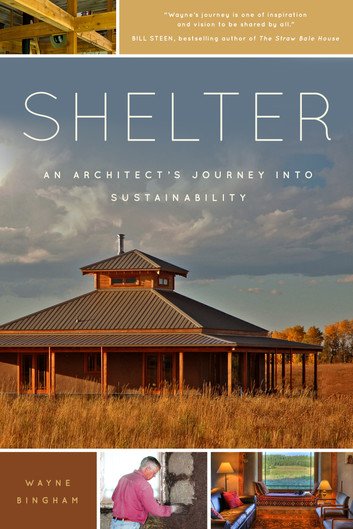
Shelter: An Architect’s Journey into Sustainability – A Transformative Guide by Wayne Bingham
Introduction: Reimagining Shelter for a Sustainable Future
Shelter: An Architect’s Journey into Sustainability by Wayne Bingham offers readers a transformative exploration of sustainable design. Moreover, this groundbreaking book examines how architects can create shelter that harmonizes with the natural environment. The work reveals how thoughtful design transforms buildings into responsible, life-enhancing spaces for communities worldwide. Additionally, Bingham shares personal insights from decades of architectural practice focused on environmental stewardship and innovation.
This essential guide introduces readers to sustainable architecture through the lens of practical experience and passion. Furthermore, it demonstrates how creating shelter involves far more than constructing walls and roofs. The book explores the profound responsibility architects bear in shaping spaces where people live and work. Consequently, readers gain an understanding of architecture’s power to heal both communities and the planet.
Wayne Bingham brings extensive professional knowledge to this compelling narrative about sustainable shelter design. Moreover, his authentic voice and real-world examples make complex concepts accessible to all readers. The book combines technical expertise with philosophical reflection on architecture’s role in society today. Therefore, this work serves as both a professional resource and an inspiring call to action.
The work illuminates how sustainable shelter design addresses urgent environmental challenges facing humanity. Furthermore, it explores practical solutions that architects and builders can implement immediately in their projects. Bingham demonstrates why sustainability must become central to all architectural practice and building design. Thus, the book establishes a clear path forward for creating shelter that serves people and the planet.
Wayne Bingham’s Architectural Journey Toward Sustainable Shelter
Wayne Bingham’s career evolution reflects the broader shift toward sustainability in contemporary architectural practice. Moreover, his personal journey reveals the challenges and rewards of committing to environmentally responsible design. The book traces how early experiences shaped his understanding of the relationship between shelter and natural systems. Additionally, Bingham discusses pivotal moments when he recognized the urgent need for sustainable building approaches.
The architect’s education and early projects followed conventional approaches to shelter design and construction. Furthermore, he candidly discusses the limitations and environmental costs of traditional architectural methods and materials. Bingham explains how growing awareness of climate change transformed his professional priorities and design philosophy. Consequently, readers understand the personal transformation required to fully embrace truly sustainable architectural practice.
Professional challenges tested Bingham’s commitment to creating environmentally responsible shelter for diverse communities. Moreover, the book honestly addresses resistance from clients, contractors, and colleagues skeptical of sustainable approaches. He shares strategies for overcoming obstacles and demonstrating the practical benefits of green building. However, these difficulties ultimately strengthened his resolve and deepened his expertise in sustainable design.
The journey toward sustainability required continuous learning, experimentation, and adaptation in Bingham’s architectural practice. Furthermore, he describes how each project taught valuable lessons about materials, systems, and design strategies. The book emphasizes that creating sustainable shelter demands humility, curiosity, and a willingness to challenge assumptions. Therefore, readers see sustainability as an ongoing journey rather than a fixed destination or endpoint.
Core Principles of Sustainable Shelter Design
Sustainable shelter design begins with understanding buildings’ profound impact on environmental systems and human health. Moreover, Bingham explains how conventional construction contributes significantly to climate change and resource depletion worldwide. The book explores fundamental principles that guide environmentally responsible approaches to creating shelter for communities. Additionally, it demonstrates how these principles apply across different building types, climates, and cultural contexts.
Site selection and orientation form the foundation of sustainable shelter design and energy efficiency. Furthermore, Bingham discusses how thoughtful placement maximizes natural light, ventilation, and passive heating and cooling. The book provides practical guidance for analyzing sites and optimizing building orientation for sustainability. Consequently, readers learn how simple design decisions dramatically reduce energy consumption and environmental impact over time.
Material selection represents a critical component of creating truly sustainable shelter for present and future generations. Moreover, the architect explores renewable, recycled, and locally sourced materials to reduce the environmental footprint significantly. Bingham discusses the lifecycle impacts of different materials from extraction through disposal or recycling. However, he emphasizes that sustainable choices must also meet practical requirements for durability and performance.
Energy efficiency and renewable energy integration define modern approaches to sustainable shelter design and operation. Furthermore, the book comprehensively examines passive design strategies, high-performance building envelopes, and efficient mechanical systems. Bingham explains how solar, wind, and geothermal technologies can power a shelter with minimal environmental impact. Therefore, readers understand the complete toolkit available for creating net-zero or energy-positive buildings today.
Water conservation and management are essential to sustainable shelter design in water-stressed regions. Moreover, the architect discusses rainwater harvesting, greywater systems, and water-efficient fixtures and landscaping approaches. The book explores how thoughtful design reduces water consumption while maintaining comfort and functionality. Thus, sustainable shelter addresses multiple environmental challenges simultaneously through integrated design thinking and planning.
Practical Applications: Creating Sustainable Shelter Across Building Types
Residential shelter design offers tremendous opportunities to implement sustainable principles and reduce environmental impact. Moreover, Bingham shares case studies of homes that demonstrate beauty, comfort, and environmental responsibility. The book explores how sustainable design enhances quality of life while significantly reducing energy costs. Additionally, it addresses common concerns about affordability and practicality in residential sustainable shelter projects.
Commercial and institutional buildings require different approaches to sustainable shelter design and operation. Furthermore, the architect discusses how offices, schools, and public buildings can serve as models of environmental stewardship. Bingham examines strategies for creating healthy, productive environments that minimize resource consumption and waste. Consequently, readers learn how sustainable shelter benefits organizations financially while supporting their environmental commitments.
Affordable housing presents unique challenges and opportunities for sustainable shelter design in underserved communities. Moreover, the book addresses how sustainability can reduce operating costs and improve living conditions. Bingham argues that low-income communities deserve access to healthy, efficient shelter as much as affluent populations. However, achieving this goal requires creativity, collaboration, and commitment from architects, developers, and policymakers.
Adaptive reuse and renovation extend sustainability principles to existing buildings and shelter infrastructure. Furthermore, the architect explores how transforming old structures often proves more sustainable than new construction. The book guides the evaluation of existing buildings and the cost-effective implementation of sustainable improvements. Therefore, readers understand that sustainability encompasses both new construction and thoughtful stewardship of existing shelter.
Community-scale projects demonstrate how sustainable shelter design can transform entire neighborhoods and urban districts. Moreover, Bingham discusses integrated approaches that address housing, transportation, energy, and public space holistically. The book explores successful examples of sustainable communities that provide models for future development. Thus, sustainable shelter becomes part of broader efforts to create resilient, livable communities worldwide.
Key Principles and Strategies in Shelter: An Architect’s Journey
Wayne Bingham’s comprehensive guide to sustainable shelter covers essential concepts and practical strategies:
- Passive Design: Maximizing natural light, ventilation, and thermal comfort through intelligent building orientation and design
- Material Consciousness: Selecting renewable, recycled, and low-impact materials that minimize environmental footprint throughout lifecycles
- Energy Efficiency: Implementing high-performance envelopes, efficient systems, and renewable energy technologies for net-zero operation
- Water Stewardship: Conserving water through efficient fixtures, rainwater harvesting, and greywater recycling systems
- Indoor Air Quality: Creating healthy interior environments through proper ventilation and non-toxic materials and finishes
- Site Sensitivity: Respecting natural systems, preserving ecosystems, and minimizing site disturbance during construction processes
- Lifecycle Thinking: Considering environmental impacts from material extraction through building operation to eventual deconstruction.
- Community Integration: Designing shelter that strengthens social connections and contributes positively to neighborhood character
- Climate Adaptation: Creating resilient shelter that responds appropriately to local climate conditions and future changes
- Affordability: Demonstrating that sustainable shelter can be economically viable and accessible across income levels
These principles work together to create a shelter that serves human needs while respecting planetary boundaries. Moreover, they reflect Bingham’s belief that sustainability and beauty are complementary rather than competing goals. The strategies evolved through decades of practice, research, and collaboration with clients and communities. Consequently, they offer proven approaches that architects and builders can adapt to diverse contexts.
The Human Dimension of Sustainable Shelter
Sustainable shelter design must prioritize human health, comfort, and well-being alongside environmental performance. Moreover, Bingham emphasizes that buildings exist to serve people and enhance the quality of life. The book explores how sustainable design creates healthier indoor environments with better air quality. Additionally, it examines connections between shelter design and physical health, mental well-being, and social connections.
Natural light and views of nature profoundly impact occupants’ health and satisfaction with their shelter. Furthermore, the architect discusses research linking daylight exposure to improved mood, productivity, and sleep quality. Bingham provides practical strategies for maximizing natural light while controlling glare and heat gain. Consequently, readers learn how sustainable design effectively supports human biological rhythms and psychological needs.
Thermal comfort represents a fundamental requirement for shelter that people find pleasant and functional. Moreover, sustainable design achieves comfort through passive strategies rather than solely mechanical systems. The book explores how proper insulation, air sealing, and ventilation create comfortable environments year-round. However, Bingham acknowledges that comfort preferences vary across cultures and individuals, requiring flexible design approaches.
Acoustic quality affects how people experience and use shelter for work, rest, and social interaction. Furthermore, the architect discusses how sustainable materials and design strategies can enhance sound quality. Bingham explains the connections among noise control, privacy, and occupant satisfaction in residential and commercial shelters. Therefore, comprehensive sustainable design addresses multiple dimensions of human comfort and environmental performance simultaneously.
Social sustainability ensures that shelter strengthens communities and supports diverse populations equitably. Moreover, the book explores how design can foster interaction, inclusion, and a sense of belonging. Bingham discusses the architect’s responsibility to create shelter that serves all people regardless of income. Thus, true sustainability encompasses social justice alongside environmental stewardship in architectural practice and policy.
Overcoming Barriers to Sustainable Shelter
Financial concerns often present the primary obstacle to implementing sustainable shelter design and construction. Moreover, Bingham addresses misconceptions about costs and demonstrates the long-term economic benefits of sustainable building. The book provides strategies for managing budgets while achieving meaningful sustainability goals in shelter projects. Additionally, it explores financing mechanisms, incentives, and policies that support sustainable construction and development.
Regulatory barriers and outdated building codes sometimes hinder innovation in sustainable shelter design. Furthermore, the architect discusses how codes developed for conventional construction may not accommodate sustainable approaches. Bingham advocates for code reforms that facilitate rather than obstruct environmental responsibility in building. Consequently, readers understand the importance of engaging with policymakers to advance sustainable shelter standards.
Industry resistance and lack of expertise challenge widespread adoption of sustainable shelter design principles. Moreover, the book addresses how conventional practices persist despite evidence of their environmental and economic costs. Bingham discusses strategies for educating clients, contractors, and colleagues about the benefits of sustainable building. However, he acknowledges that changing established practices requires patience, persistence, and compelling demonstration projects.
Cultural attitudes and aesthetic preferences sometimes conflict with sustainable approaches to shelter design and materials. Furthermore, the architect explores how sustainability can align with diverse aesthetic traditions and cultural values. The book demonstrates that sustainable shelter can be beautiful, culturally appropriate, and environmentally responsible at the same time. Therefore, designers must engage communities respectfully and create solutions that honor local contexts and preferences.
Market dynamics and short-term thinking undermine investment in sustainable shelter despite long-term benefits. Moreover, Bingham critiques development models that prioritize immediate profits over environmental and social responsibility. The book calls for fundamental shifts in how society values and finances community shelter. Thus, achieving widespread sustainability requires systemic changes beyond individual architectural projects and professional practice.
The Future of Sustainable Shelter Design
Emerging technologies offer exciting opportunities to advance sustainable shelter design and environmental performance. Moreover, Bingham explores innovations in materials, systems, and construction methods that reduce environmental impact. The book discusses how digital tools enable more sophisticated analysis and optimization of shelter design. Additionally, it examines how artificial intelligence and automation might transform sustainable building in the coming decades.
Climate change demands that shelter design adapt to increasingly extreme weather and environmental conditions. Furthermore, the architect discusses resilience strategies that protect occupants while minimizing the environmental impact of buildings. Bingham explores how sustainable shelter must address both mitigation and adaptation in climate-challenged regions. Consequently, future design must balance immediate needs with long-term environmental and social sustainability goals.
Circular economy principles will increasingly influence how architects approach shelter design and material selection. Moreover, the book explores the design of disassembly, material reuse, and closed-loop systems in construction. Bingham envisions a future where buildings become material banks rather than sources of waste. However, realizing this vision requires collaboration across the entire building industry and supply chain.
Biophilic design and nature integration represent growing trends in sustainable shelter that benefit people and ecosystems. Furthermore, the architect discusses how incorporating plants, natural materials, and organic forms enhances wellbeing. The book explores living walls, green roofs, and other strategies that blur boundaries between shelter and nature. Therefore, future sustainable design may increasingly dissolve distinctions between built and natural environments.
Global collaboration and knowledge sharing will accelerate progress toward sustainable shelter for all communities worldwide. Moreover, Bingham emphasizes that sustainability challenges transcend national boundaries and require collective action. The book calls for architects to share innovations, learn from diverse cultures, and work together. Thus, creating sustainable shelter becomes a shared human project that unites rather than divides people.
Who Should Read Shelter: An Architect’s Journey into Sustainability
Architects and design professionals will find this book essential for developing expertise in sustainable shelter design. Moreover, Bingham’s practical insights and real-world examples provide valuable guidance for professional practice today. The book comprehensively addresses both the technical considerations and the philosophical dimensions of sustainable architecture. Additionally, it offers inspiration for architects seeking to align their work with environmental values and responsibilities.
Architecture students and educators will benefit from this comprehensive introduction to sustainable design principles for shelter. Furthermore, the book serves as an excellent textbook that combines theory with practical application. Bingham’s accessible writing makes complex concepts understandable for students beginning their architectural education. Consequently, the work helps prepare the next generation of architects for sustainability-focused careers and practice.
Builders, contractors, and construction professionals will gain an understanding of sustainable shelter design and implementation. Moreover, the book bridges the gap between design intent and construction reality in sustainable projects. Bingham discusses practical considerations for successfully and cost-effectively implementing sustainable designs in the field. However, he emphasizes that achieving sustainability requires collaboration between designers and builders throughout projects.
Homeowners and prospective builders will find practical guidance for creating sustainable shelter for their families. Furthermore, the book empowers readers to make informed decisions about residential design and construction approaches. Bingham explains sustainability concepts without requiring technical expertise or architectural training from general readers. Therefore, anyone planning to build or renovate can benefit from this accessible guide.
Policymakers, developers, and community leaders will gain insights into the broader implications of sustainable shelter. Moreover, the book addresses how policy, financing, and development practices either support or hinder sustainability. Bingham makes a compelling case for systemic changes that prioritize environmental responsibility in shelter provision. Thus, the work informs decision-makers who shape the built environment at community and regional scales.
Environmental advocates and sustainability enthusiasts will appreciate this focused exploration of architecture’s environmental impact. Furthermore, the book demonstrates how sustainable shelter design helps address climate change and resource depletion. Bingham effectively connects architectural practice to broader environmental movements and social justice concerns. Consequently, readers understand buildings’ central role in creating a sustainable future for all people.
Conclusion: Building a Sustainable Future Through Better Shelter
Shelter: An Architect’s Journey into Sustainability by Wayne Bingham is an essential guide to sustainable design. Moreover, the book successfully combines personal narrative, practical guidance, and philosophical reflection on architecture. Bingham’s authentic voice and extensive experience create a compelling case for sustainable shelter design. Additionally, the work inspires readers while providing concrete strategies for implementing sustainability in practice.
The book illuminates how creating sustainable shelter addresses the urgent environmental challenges humanity faces today. Furthermore, it demonstrates that sustainability and beauty, comfort, and affordability can coexist in architectural design. Bingham shows how thoughtful design transforms buildings into positive forces for environmental and social good. Consequently, readers come away convinced that sustainable architecture is both necessary and achievable worldwide.
This comprehensive guide serves multiple audiences, from professionals to students to general readers interested in sustainability. Moreover, it provides technical depth for experts while remaining accessible to those without architectural training. The book balances inspiration with practical information, vision with a realistic assessment of challenges ahead. However, it never loses sight of architecture’s fundamental purpose: creating shelter that serves human needs.
Wayne Bingham’s journey demonstrates how individual architects can make meaningful contributions to environmental sustainability. Furthermore, the book shows how professional practice can align with personal values and social responsibility. Bingham’s example inspires architects to embrace sustainability as central to their professional identity and work. Therefore, the book contributes significantly to transforming architectural practice toward environmental stewardship and justice.
Ultimately, Shelter: An Architect’s Journey into Sustainability offers readers hope and practical guidance for creating better buildings. Moreover, it demonstrates how sustainable shelter design benefits people, communities, and the planet simultaneously. The book invites architects and citizens alike to reimagine shelter as harmonious with natural systems.
Consequently, this essential work deserves a place on every architect’s bookshelf and in every library collection dedicated to sustainability, design, and creating a livable future for generations to come through responsible shelter.






Reviews
There are no reviews yet.