

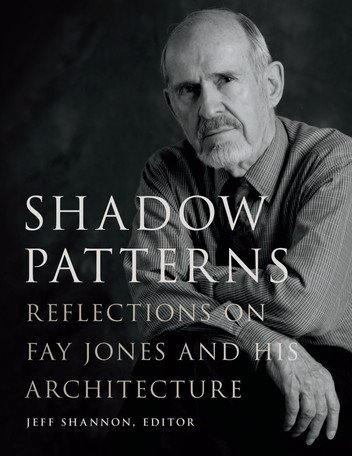
Description
Shadow Patterns: A Comprehensive Look at Fay Jones’s Architectural Legacy
Introduction: Discovering Shadow Patterns
“Shadow Patterns: Reflections on Fay Jones and His Architecture” offers profound insights into American architectural excellence. Moreover, this collection edited by Jeff Shannon explores the life and work of Fay Jones.
The book combines critical essays with personal accounts of this remarkable architect. Additionally, it reveals how Jones created structures that harmonize beautifully with nature.
Fay Jones (1921-2004) transformed American architecture through his organic design philosophy. Furthermore, he studied under the legendary Frank Lloyd Wright himself. His masterpiece, Thorncrown Chapel, earned recognition as one of the twentieth century’s finest buildings. Therefore, this book serves as an essential resource for understanding his impact.
Who Was Fay Jones
Fay Jones emerged as one of America’s most celebrated architects. Moreover, he dedicated his career to creating buildings that blend with their surroundings. His apprenticeship with Frank Lloyd Wright shaped his design philosophy profoundly. Additionally, Jones developed a unique style he called “Ozark Gothic.”
Jones received the prestigious AIA Gold Medal in 1990. Furthermore, this honor recognized his significant body of influential work. He taught at the University of Arkansas for many years. Consequently, the Fay Jones School of Architecture now bears his name.
His approach emphasized simplicity, light, and connection to the natural environment. Moreover, Jones believed architecture should elevate the human spirit. He created spaces that inspire contemplation and peace. Therefore, his buildings continue to move visitors deeply today.
Shadow Patterns: Understanding the Book’s Structure
“Shadow Patterns” presents a carefully curated collection of essays and reflections. Moreover, editor Jeff Shannon assembled contributions from various perspectives and voices. The book balances academic analysis with personal memories and experiences. Additionally, it provides both scholarly insight and emotional connection to Jones’s work.
This volume belongs to the Fay Jones Collaborative Series. Furthermore, the series explores different aspects of Jones’s architectural contributions. Each essay illuminates specific elements of his design philosophy and practice. Therefore, readers gain comprehensive understanding of his creative process.
The book examines Jones’s major works and lesser-known projects alike. Moreover, contributors discuss his influence on contemporary architecture and design. Personal accounts reveal the man behind the magnificent buildings. Consequently, “Shadow Patterns” offers intimate access to Jones’s world.
Thorncrown Chapel: Jones’s Masterpiece
Thorncrown Chapel stands as Fay Jones’s most celebrated achievement. Moreover, this 1980 structure earned the 1981 AIA National Honor Award. The American Institute of Architects named it one of the top buildings of the twentieth century. Additionally, the chapel demonstrates how architecture can elevate spiritual experience.
The chapel rises 48 feet into the Arkansas forest canopy. Furthermore, it features over 6,000 square feet of glass and 425 windows. Jones designed every element to be carried through the woods by two people. Therefore, construction preserved the natural setting completely and respectfully.
Light filters through the glass walls, creating patterns that shift throughout the day. Moreover, the structure reads as a rhythm of vertical lines and transparent spaces. Visitors describe feeling embraced by both the building and the forest. Consequently, Thorncrown Chapel achieves perfect harmony between architecture and nature.
Key Themes in Shadow Patterns
The book explores several important themes throughout its essays and reflections:
- Organic architecture: Jones’s commitment to designs that grow from their natural settings
- Light and transparency: His masterful use of glass to connect interior and exterior spaces
- Spiritual architecture: Creating buildings that inspire contemplation and elevate human consciousness
- Wright’s influence: How Frank Lloyd Wright’s teachings shaped Jones’s design philosophy
- Regional identity: Developing an architectural language rooted in Arkansas’s Ozark landscape
These themes weave through the various essays and personal accounts seamlessly. Moreover, contributors examine how Jones applied these principles across different projects. The book reveals consistency in his vision despite varied building types. Therefore, readers understand the depth of his architectural philosophy.
Jones’s Design Philosophy and Approach
Fay Jones believed architecture should serve both practical and spiritual needs. Moreover, he insisted that buildings must respect their natural surroundings completely. His designs emphasize vertical lines, natural materials, and abundant natural light. Additionally, he created spaces that encourage quiet reflection and peace.
Jones often worked with modest budgets and challenging sites successfully. Furthermore, he viewed constraints as opportunities for creative problem-solving. His buildings demonstrate that excellence doesn’t require excessive scale or expense. Therefore, his work inspires architects working with limited resources today.
He paid meticulous attention to every detail and construction element. Moreover, Jones personally supervised many aspects of the building process. This hands-on approach ensured his vision translated accurately into built form. Consequently, his buildings maintain remarkable integrity and coherence throughout.
The Influence of Frank Lloyd Wright
Frank Lloyd Wright’s teachings profoundly shaped Fay Jones’s architectural approach. Moreover, Jones apprenticed with Wright and absorbed his organic architecture principles. Wright emphasized harmony between buildings and their natural environments. Additionally, he taught that architecture should enhance human life meaningfully.
Jones adapted Wright’s ideas to the Arkansas landscape and context. Furthermore, he developed his own distinctive voice while honoring his mentor’s legacy. His work shows both Wright’s influence and original creative thinking. Therefore, Jones successfully bridged tradition and innovation throughout his career.
The relationship between Wright and Jones enriched American architecture significantly. Moreover, Jones carried forward Wright’s vision into the late twentieth century. He demonstrated that organic architecture remained relevant and powerful. Consequently, his work inspired new generations of architects and designers.
Shadow Patterns and Academic Architecture Study
“Shadow Patterns” serves as an important resource for architecture students and scholars. Moreover, the book provides detailed analysis of Jones’s design methods and principles. Academic contributors examine his work through various theoretical lenses and frameworks. Additionally, the essays offer models for architectural criticism and analysis.
The book connects Jones’s work to broader movements in American architecture. Furthermore, it situates his contributions within historical and cultural contexts. Scholars explore how his buildings respond to specific sites and programs. Therefore, readers gain sophisticated understanding of architectural thinking and practice.
Students benefit from the combination of analysis and personal reflection. Moreover, the book demonstrates how great architecture affects people emotionally and spiritually. It shows that buildings matter beyond their functional and aesthetic qualities. Consequently, “Shadow Patterns” enriches architectural education at multiple levels.
Personal Accounts and Memories
The personal essays in “Shadow Patterns” reveal Fay Jones as teacher and mentor. Moreover, former students and colleagues share memories of working with him. These accounts humanize the architect behind the celebrated buildings and awards. Additionally, they show his generosity, dedication, and passion for architecture.
Contributors describe Jones’s teaching methods and design studio approach. Furthermore, they recall specific lessons and moments that shaped their careers. These stories illustrate how Jones influenced architecture beyond his built works. Therefore, his legacy includes the architects he trained and inspired.
Personal reflections also explore experiencing Jones’s buildings as visitors and users. Moreover, people describe how his spaces affected them emotionally and spiritually. These accounts validate Jones’s belief that architecture can elevate human consciousness. Consequently, readers understand the profound impact of his work on individuals.
The Fay Jones School of Architecture
The University of Arkansas honors Jones’s legacy through its architecture school. Moreover, the Fay Jones School of Architecture and Design continues his educational mission. The school emphasizes design excellence, sustainability, and regional responsiveness. Additionally, it maintains Jones’s commitment to hands-on learning and craftsmanship.
Students at the school study Jones’s work and design philosophy extensively. Furthermore, they have access to archives containing his drawings and documents. The school organizes lectures, exhibitions, and publications about his contributions. Therefore, it serves as a center for Jones scholarship and appreciation.
The school’s curriculum reflects Jones’s values and teaching approaches. Moreover, faculty members carry forward his emphasis on natural materials and light. Students learn to design buildings that respect their sites and contexts. Consequently, Jones’s influence continues shaping new generations of Arkansas architects.
Why Shadow Patterns Matters Today
“Shadow Patterns” remains essential reading for anyone interested in American architecture. Moreover, the book demonstrates timeless principles of good design and craftsmanship. Jones’s work offers alternatives to contemporary architecture’s excesses and disconnection. Additionally, his buildings show how to create beauty with modest means.
His emphasis on harmony with nature feels especially relevant now. Furthermore, architects today face urgent challenges regarding sustainability and environmental responsibility. Jones’s organic approach provides valuable lessons for contemporary practice. Therefore, studying his work helps address current architectural problems.
The book also celebrates architecture’s power to inspire and uplift people. Moreover, it reminds us that buildings shape human experience profoundly. Jones believed architecture could make people “think their best thoughts.” Consequently, “Shadow Patterns” encourages architects to pursue meaningful, life-enhancing design.
Who Should Read This Book
“Shadow Patterns” appeals to architecture students, professionals, and enthusiasts alike. Moreover, anyone interested in American architectural history will find it valuable. The book suits readers who appreciate beautiful, thoughtful building design. Additionally, it resonates with people seeking inspiration for creative work.
Architects and designers will particularly benefit from the detailed analysis and insights. Furthermore, the book offers practical lessons about design process and philosophy. Students gain understanding of how great architects think and work. Therefore, it serves as both inspiration and education effectively.
You don’t need extensive architecture knowledge to appreciate this book. Moreover, the personal essays make Jones’s work accessible to general readers. The book works as both scholarly resource and engaging narrative. Consequently, it reaches diverse audiences interested in architecture and design.
The Fay Jones Collaborative Series
This book belongs to the larger Fay Jones Collaborative Series. Moreover, the series explores various aspects of Jones’s life and work comprehensively. Each volume contributes to understanding his architectural legacy and influence. Additionally, the series preserves important documentation and analysis for future generations.
The collaborative nature reflects Jones’s own approach to architecture and teaching. Furthermore, multiple voices and perspectives enrich understanding of his contributions. The series demonstrates ongoing interest in Jones’s work and relevance. Therefore, it ensures his legacy continues inspiring architects and designers.
Future volumes will likely explore additional dimensions of Jones’s practice. Moreover, the series provides framework for continued scholarship and appreciation. It serves the architecture community and general public simultaneously. Consequently, the Fay Jones Collaborative Series represents important cultural preservation work.
Conclusion: The Enduring Legacy of Shadow Patterns
“Shadow Patterns: Reflections on Fay Jones and His Architecture” stands as essential documentation of American architectural excellence. Moreover, Jeff Shannon’s careful editing creates a comprehensive portrait of Jones’s contributions. The book balances scholarly analysis with personal warmth and appreciation beautifully. Additionally, it demonstrates how one architect can profoundly influence both buildings and people.
Fay Jones’s work reminds us that architecture matters beyond function and fashion. Furthermore, his buildings show how design can elevate human experience meaningfully. His commitment to harmony with nature offers crucial lessons for today. Therefore, studying Jones through “Shadow Patterns” enriches contemporary architectural thinking.
This beautifully crafted book deserves attention from anyone who cares about architecture. Moreover, it provides inspiration for creating buildings that serve both practical and spiritual needs. “Shadow Patterns” proves that thoughtful architecture creates lasting value and beauty. Consequently, the book ensures Fay Jones’s legacy continues inspiring future generations of architects and designers.





Reviews
There are no reviews yet.