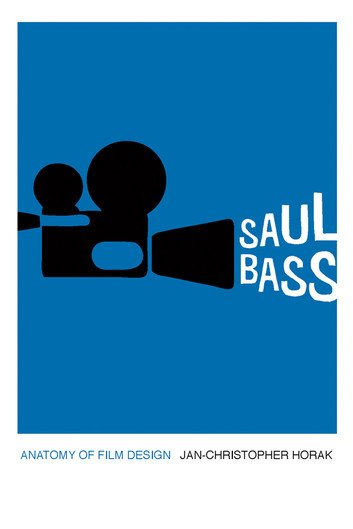
Description
Saul Bass: Anatomy of Film Design – A Comprehensive Synopsis
Introduction to Saul Bass and His Revolutionary Film Design
Saul Bass transformed cinema through his groundbreaking approach to film design. His iconic title sequences revolutionized how audiences experienced movies. Moreover, his work bridged graphic design and filmmaking in unprecedented ways. This book by Jan-Christopher Horak explores Bass’s extraordinary career and lasting influence. Furthermore, it reveals the creative genius behind some of cinema’s most memorable visual moments.
Bass didn’t just create opening credits. Instead, he crafted visual narratives that set the tone for entire films. His designs became integral to the storytelling process. Consequently, directors like Alfred Hitchcock, Otto Preminger, and Martin Scorsese sought his expertise.
The Scope of Horak’s Definitive Study
Jan-Christopher Horak’s book offers an exhaustive examination of Bass’s career. The author analyzes Bass’s design philosophy and creative methodology. Additionally, the book contextualizes his work within broader film history. Horak draws from extensive archival research and interviews. Therefore, readers gain unprecedented insight into Bass’s creative process.
The book covers several key areas:
- Bass’s early career in graphic design and advertising
- His revolutionary title sequences for major Hollywood films
- His work as a filmmaker and director
- His corporate identity designs and poster work
- His influence on contemporary designers and filmmakers
Saul Bass’s Impact on Film Design and Visual Culture
Bass’s title sequences became art forms in themselves. His work for “Vertigo” (1958) used spiraling graphics to evoke psychological tension. Similarly, his “Psycho” (1960) sequence employed jagged lines suggesting violence and chaos. These weren’t mere decorations but essential narrative elements.
His minimalist aesthetic changed Hollywood’s visual language. Bass believed that design should communicate ideas clearly and powerfully. Furthermore, he understood that simplicity often creates the strongest impact. His bold use of color, shape, and motion influenced generations of designers.
Beyond title sequences, Bass directed several acclaimed short films. “Why Man Creates” (1968) won an Academy Award. This experimental film explored human creativity through innovative visual techniques. Additionally, Bass directed the science fiction thriller “Phase IV” (1974).
The Book’s Analytical Framework and Methodology
Horak approaches Bass’s work through multiple critical lenses. He examines the historical context of mid-century American design. Moreover, he analyzes how Bass’s commercial work informed his film projects. The book also explores Bass’s collaborations with directors and studios.
The author provides detailed case studies of Bass’s most significant projects. Each analysis reveals Bass’s problem-solving approach and visual thinking. Consequently, readers understand how Bass translated abstract concepts into concrete images. Horak also discusses Bass’s sketches, storyboards, and preliminary designs.
Understanding Bass’s Design Philosophy and Creative Process
Bass believed that film design should serve the story first. He rejected decoration for its own sake. Instead, every visual element needed a narrative purpose. This philosophy made his work both beautiful and functional.
His creative process began with deep research and conceptual thinking. Bass studied each film’s themes, mood, and emotional arc. Then, he distilled these elements into simple, powerful visual metaphors. His designs communicated complex ideas through elegant simplicity.
Bass also pioneered the use of kinetic typography in film. He animated text in ways that enhanced meaning and emotion. Furthermore, his innovative camera techniques created dynamic visual experiences. These approaches became standard practices in film design.
Why This Book Matters for Design and Film Students
Horak’s book serves as an essential resource for multiple audiences. Film students learn how visual design enhances storytelling. Graphic designers discover how their skills apply to motion pictures. Additionally, film historians gain insight into Hollywood’s creative evolution.
The book documents Bass’s influence on contemporary culture. His aesthetic appears in modern title sequences, commercials, and music videos. Therefore, understanding Bass’s work helps decode today’s visual landscape. His principles remain relevant despite technological changes.
The Legacy of Saul Bass in Modern Cinema
Bass’s influence extends far beyond his lifetime. Contemporary designers still reference his iconic sequences. Films like “Catch Me If You Can” (2002) deliberately evoke Bass’s style. Moreover, his approach to integrating design and narrative continues to inspire filmmakers.
His corporate identity work also left lasting marks. Bass designed logos for AT&T, United Airlines, and Warner Communications. These designs demonstrated how simplicity creates memorable brand identities. Consequently, his principles shaped modern corporate design practices.
Conclusion: A Must-Read for Visual Storytelling Enthusiasts
“Saul Bass: Anatomy of Film Design” offers comprehensive insight into the work of a design legend. Horak’s meticulous research and engaging writing make complex ideas accessible. The book celebrates Bass’s achievements while analyzing his methods and influence. For anyone interested in film, design, or visual culture, this book provides invaluable knowledge and inspiration.






Reviews
There are no reviews yet.