

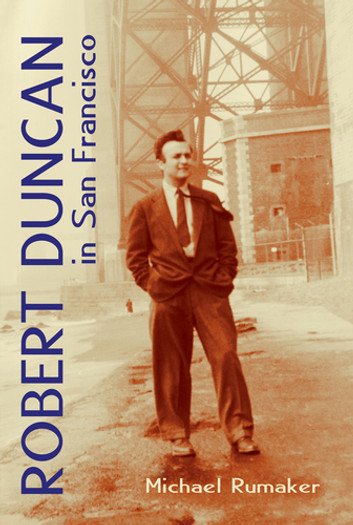
Description
Robert Duncan San Francisco Memoir: A Vivid Portrait of 1950s Gay Literary Life
Michael Rumaker’s “Robert Duncan in San Francisco” stands as an essential Robert Duncan San Francisco memoir that captures a pivotal moment in American literary and LGBTQ+ history.
Published by City Lights in their Grey Fox series, this powerful work transports readers to 1957 San Francisco. Moreover, it illuminates the vibrant yet dangerous world of gay writers navigating post-Howl, pre-Stonewall America. Consequently, readers gain intimate access to a transformative era through Rumaker’s eloquent prose.
A Groundbreaking Literary Portrait
This memoir centers on poet Robert Duncan (1919-1988), a towering figure in American letters. Duncan made history as the first openly homosexual poet in the United States. Furthermore, his 1944 essay “The Homosexual in Society” broke unprecedented ground in literary discourse. Therefore, Duncan’s courage paved the way for generations of LGBTQ+ writers who followed. His influence on the San Francisco Renaissance remains immeasurable today.
The Robert Duncan San Francisco Memoir That Captures an Era
Rumaker’s Robert Duncan San Francisco memoir brilliantly reconstructs the post-Black Mountain College period when both writers found themselves in San Francisco. The city pulsed with creative energy during this remarkable time. Meanwhile, the Beat generation was reshaping American poetry and prose. Additionally, the San Francisco Renaissance brought together visionary artists and writers. However, this creative flowering occurred against a backdrop of systematic persecution and fear.
Contrasting Lives in the Gay Literary Milieu
The memoir’s power lies in its stark contrasts between two gay writers’ experiences. Duncan lived openly and unapologetically as a homosexual man. Conversely, Rumaker remained deeply closeted, struggling with shame and fear. This tension drives the narrative forward with compelling emotional force. Moreover, it reveals the diverse strategies gay men employed for survival. Consequently, readers understand the psychological toll of living in secrecy versus openness.
Duncan’s confidence and visibility inspired many in San Francisco’s literary circles. Nevertheless, his openness came with significant professional and personal risks. Therefore, his example represented both possibility and danger for closeted writers. The memoir explores these complexities with nuance and sensitivity throughout.
Police Persecution and Underground Survival
The 1950s gay community in San Francisco faced relentless police harassment and prosecution. Raids on gay bars occurred frequently and without warning. Furthermore, entrapment schemes destroyed countless lives and careers. Thus, the clandestine gay community developed elaborate survival strategies. However, fear permeated every aspect of daily life for LGBTQ+ individuals.
Rumaker documents this oppressive atmosphere with vivid, haunting detail. The memoir reveals how gay men navigated constant surveillance and threat. Additionally, it shows the courage required simply to exist authentically. Moreover, these historical realities provide crucial context for understanding contemporary LGBTQ+ struggles. The parallels to modern challenges remain disturbingly relevant today.
Key Themes Explored in This Essential Memoir
This Robert Duncan San Francisco memoir addresses multiple interconnected themes that resonate powerfully:
- Artistic courage versus personal safety in oppressive times
- The psychological impact of living closeted versus openly gay
- San Francisco’s role as a sanctuary for LGBTQ+ artists
- The intersection of Beat culture and gay liberation
- Black Mountain College’s influence on experimental American poetry
- Police brutality and systematic persecution of gay communities
- The transformative power of literary mentorship and friendship
The Black Mountain College Connection
Both Rumaker and Duncan shared roots in Black Mountain College’s experimental community. This legendary institution fostered radical approaches to art and writing. Consequently, it produced some of America’s most innovative twentieth-century artists. The college’s influence permeates the memoir’s literary sensibility throughout. Moreover, it shaped both writers’ understanding of poetry’s revolutionary potential.
Black Mountain College emphasized interdisciplinary collaboration and artistic risk-taking. Therefore, its alumni carried these values into their subsequent work. Duncan embodied this experimental spirit in his groundbreaking poetry collections. Meanwhile, Rumaker applied these lessons to his memoir writing craft. The connection between their shared educational background enriches the narrative significantly.
San Francisco Renaissance and Beat Culture
Duncan emerged as a central figure in the San Francisco Renaissance movement. This artistic flowering transformed American poetry during the 1950s and beyond. Furthermore, it intersected dynamically with Beat generation writers and artists. However, Duncan’s work maintained distinct characteristics that set him apart. His mystical, densely allusive poetry contrasted with Beat spontaneity and directness.
The memoir situates Duncan within this rich cultural context expertly. Readers encounter the vibrant literary scene that made San Francisco legendary. Additionally, they witness the cross-pollination between different artistic movements and communities. Thus, the book serves as valuable cultural history beyond personal memoir. It illuminates how artistic movements develop through personal relationships and collaborations.
Why This Robert Duncan San Francisco Memoir Matters Today
Contemporary readers will find this memoir remarkably relevant and urgent. LGBTQ+ rights remain contested across America and globally today. Moreover, understanding historical struggles provides perspective on current challenges facing communities. Therefore, Rumaker’s testimony serves as both inspiration and warning. The courage displayed by Duncan and others continues to inspire activism.
Literary scholars value this work for its insider perspective on crucial movements. Beat generation studies benefit enormously from Rumaker’s firsthand observations and insights. Furthermore, San Francisco history enthusiasts discover intimate details about the city’s transformation. The memoir bridges personal narrative and broader cultural documentation seamlessly throughout.
An Eloquent Portrait Against Turbulent Times
Rumaker writes with remarkable eloquence and emotional honesty throughout this memoir. His prose captures both beauty and brutality with equal skill. Moreover, he renders San Francisco’s physical landscape as vividly as its people. The city becomes a character itself within the narrative’s unfolding drama. Consequently, readers experience 1957 San Francisco through multiple sensory dimensions simultaneously.
The turbulent backdrop of police raids, social persecution, and cultural revolution intensifies the personal story. However, Rumaker never loses sight of individual human experiences amid historical forces. His attention to small moments and intimate conversations balances the broader context. Therefore, the memoir achieves both historical significance and deeply personal resonance.
Conclusion: A Testament to Courage and Literary Excellence
“Robert Duncan in San Francisco” stands as an indispensable contribution to American literary history. This Robert Duncan San Francisco memoir preserves crucial testimony about a transformative era. Moreover, it honors the courage of those who lived authentically despite tremendous risks. Rumaker’s eloquent prose and honest self-examination create a powerful reading experience. Therefore, this City Lights/Grey Fox publication deserves recognition as essential LGBTQ+ literature.
The memoir illuminates how personal relationships shape artistic movements and cultural change. Furthermore, it demonstrates literature’s power to document resistance and survival. Consequently, readers gain profound insights into both historical and contemporary LGBTQ+ experiences. This remarkable book belongs on every serious reader’s shelf today.


Reviews
There are no reviews yet.