

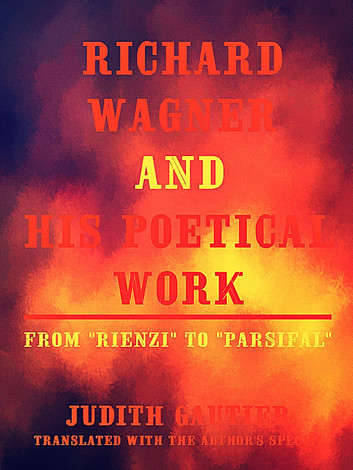
Description
Richard Wagner and His Poetical Work: A Comprehensive Synopsis of Judith Gautier’s Literary Analysis
Introduction to Wagner’s Revolutionary Artistic Vision
Richard Wagner’s poetic work is among the most transformative forces in operatic history. Judith Gautier’s insightful e-book comprehensively examines Wagner’s creative journey. Furthermore, she explores how Wagner revolutionized music and drama through innovative storytelling. The book traces his artistic evolution from early grand opera to mystical masterpieces. Additionally, Gautier offers intimate insights into Wagner’s creative process and philosophical foundations.
Wagner didn’t simply compose operas. Instead, he created total works of art that merged music, poetry, and drama. Consequently, his influence extended far beyond traditional operatic boundaries. Moreover, his poetic approach transformed how audiences experienced theatrical performance.
The Early Ambitions: Rienzi and The Flying Dutchman
Wagner’s journey began with “Rienzi,” a grand opera showcasing his early ambitions. The work demonstrated traditional operatic structures while hinting at future innovations. However, Wagner soon moved beyond conventional forms to explore stronger artistic possibilities.
“The Flying Dutchman” marked a significant turning point in Wagner’s development. Therefore, this opera introduced supernatural themes that would define his later works. The cursed sailor’s quest for redemption became a recurring Wagnerian motif. Furthermore, Wagner began integrating leitmotifs to represent characters and emotions musically.
Gautier analyzes how these early works laid the foundation for Wagner’s poetry. She highlights his growing dissatisfaction with traditional operatic conventions. Additionally, she examines how Wagner’s literary ambitions shaped his musical compositions.
The Revolutionary Period: Tannhäuser and Lohengrin
“Tannhäuser” explored the conflict between sacred and profane love through medieval legend. Wagner’s poetic work here delved into human desire and spiritual redemption. Moreover, the opera showcased his developing use of continuous musical flow.
The Venusberg scene particularly demonstrated Wagner’s innovative theatrical vision. Consequently, audiences experienced sensuality and spirituality in dramatic tension. Furthermore, Wagner’s orchestration became increasingly sophisticated and emotionally nuanced.
“Lohengrin” continued Wagner’s exploration of medieval romance and mysticism. The swan knight’s tragic love story captivated audiences across Europe. However, Wagner’s political activities forced him into exile before he could witness its premiere.
Gautier emphasizes how these works refined Wagner’s artistic philosophy. She notes his increasing focus on myth and legend as vehicles for universal truths. Additionally, she explores how Wagner’s poetic texts became inseparable from his musical compositions.
The Ring Cycle: Wagner’s Monumental Achievement
“Der Ring des Nibelungen” represents Wagner’s most ambitious undertaking. This four-opera cycle consumed over twenty-five years of creative energy. Furthermore, it established new standards for operatic scale and complexity.
The cycle includes these groundbreaking works:
- “Das Rheingold” – The mythological foundation
- “Die Walküre” – The tragic love story
- “Siegfried” – The hero’s journey
- “Götterdämmerung” – The twilight of the gods
Wagner created his own librettos based on Norse and Germanic mythology. Therefore, Richard Wagner’s poetic work achieved unprecedented unity of text and music. Moreover, he developed an intricate system of leitmotifs representing characters, objects, and ideas.
Gautier analyzes the Ring’s philosophical depth and dramatic power. She explores themes of power, greed, love, and redemption throughout the cycle. Additionally, she examines Wagner’s critique of modern society through the lens of mythological allegory.
Tristan und Isolde: The Pinnacle of Musical Expression
“Tristan und Isolde” revolutionized harmonic language and emotional expression in music. Wagner pushed tonal boundaries to their limits through chromaticism. Consequently, he created an atmosphere of perpetual longing and unfulfilled desire.
The famous “Tristan chord” became one of music history’s most analyzed moments. Furthermore, Wagner’s treatment of love and death influenced generations of composers. The opera’s continuous flow eliminated traditional divisions between recitative and aria.
Gautier describes how Wagner’s poetic text perfectly complements the music’s intensity. She notes the opera’s influence on Symbolist poetry and literature. Moreover, she explores Wagner’s philosophical debt to Schopenhauer’s metaphysics.
Die Meistersinger: Comedy and German Cultural Identity
“Die Meistersinger von Nürnberg” stands as Wagner’s only mature comedy. However, it addresses serious themes about art, tradition, and innovation. The opera celebrates German cultural heritage while advocating for artistic renewal.
Hans Sachs emerges as Wagner’s most human and sympathetic character. Furthermore, the opera balances humor with profound philosophical reflection. Wagner’s poetic work here demonstrates his versatility and dramatic range.
Gautier examines the opera’s nationalistic elements within a historical context. She analyzes how Wagner balanced tradition with progressive artistic vision. Additionally, she explores the work’s commentary on the role of art in society.
Parsifal: The Final Mystical Vision
“Parsifal” represents Wagner’s final completed opera and spiritual testament. The work explores themes of compassion, redemption, and spiritual enlightenment. Moreover, Wagner designated it a “stage consecration festival play” rather than an opera.
The story follows a “pure fool” who achieves wisdom through compassion. Consequently, Parsifal redeems the suffering Amfortas and restores the Holy Grail. Furthermore, Wagner’s music achieves transcendent beauty and mystical atmosphere.
Gautier analyzes the opera’s complex religious and philosophical symbolism. She explores Wagner’s synthesis of Christian, Buddhist, and Schopenhauerian ideas. Additionally, she examines the work’s controversial reception and enduring influence.
Judith Gautier’s Unique Perspective and Contribution
Gautier brought exceptional qualifications to her analysis of Wagner’s work. She personally knew Wagner and witnessed his creative process firsthand. Therefore, her insights combine scholarly analysis with intimate personal knowledge.
Her French perspective offered fresh viewpoints on Wagner’s German cultural context. Furthermore, Gautier’s own literary accomplishments informed her textual analysis. She understood Wagner’s poetical ambitions from a writer’s perspective.
Gautier emphasizes Wagner’s revolutionary integration of poetry and music. She demonstrates how his libretti function as independent literary works. Moreover, she explores how Wagner’s texts enhance rather than merely support the music.
Conclusion: Wagner’s Enduring Legacy
Richard Wagner’s poetic work fundamentally transformed opera into music drama. His innovations influenced not only music but literature, theater, and philosophy. Furthermore, his total artwork concept inspired artists across multiple disciplines.
Gautier’s book provides essential insights into Wagner’s creative genius and artistic vision. She illuminates the poetical foundations underlying his musical masterpieces. Consequently, readers gain a deeper appreciation for Wagner’s revolutionary achievements and lasting cultural impact.




Reviews
There are no reviews yet