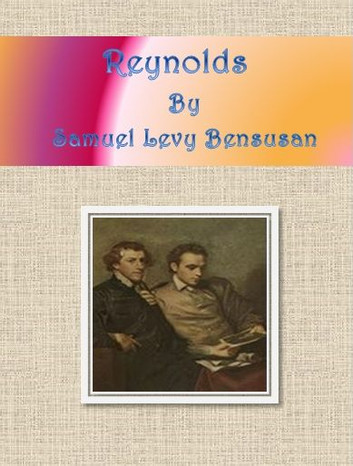
Reynolds by Samuel Levy Bensusan

Price range: $2.99 through $23.49

Samuel Bensusan explores the brilliant career of Sir Joshua Reynolds. This guide captures his elegant portraits and artistic theories. Readers discover how he dominated the English art world during the Enlightenment.

Additional information

Publisher

cbook6556

Release Date

February 10, 2014

Language

English

ISBN

1230000217414

Download options

Epub

Format

Digital Book, Paper Book

Description

Reynolds: Samuel Levy Bensusan’s Portrait of England’s Greatest 18th-Century Artist

Samuel Levy Bensusan’s book Reynolds explores the life and legacy of Sir Joshua Reynolds. This comprehensive work examines one of England’s most influential portrait painters. Furthermore, it reveals how Reynolds shaped British art for generations to come. The book celebrates his artistic genius and his contributions to art education.
Reynolds dominated English artistic life throughout the 18th century. He painted royalty, aristocrats, intellectuals, and celebrities with extraordinary skill and insight. Moreover, he established standards for portrait painting that influenced countless artists afterward. His work combined technical mastery with psychological depth and emotional resonance.

The Rise of Sir Joshua Reynolds

Sir Joshua Reynolds was born in 1723 in Plympton, Devon, England. He showed artistic talent early and pursued painting with passionate dedication. Additionally, he studied in Italy, where he absorbed classical and Renaissance influences. This European training completely transformed his approach to portraiture and artistic composition.
Reynolds returned to England and quickly established himself as London’s premier portraitist. His studio became the most fashionable destination for anyone seeking immortality through paint. Furthermore, his clientele included the most powerful and famous people in Britain. He consistently painted them with dignity, grace, and remarkable psychological insight.
The artist’s technique combined traditional methods with innovative approaches to color and light. He experimented constantly to achieve specific effects and emotional tones in portraits. Moreover, he developed a distinctive style that set him apart from competitors. His paintings captured not just appearance but character and social status brilliantly.
Reynolds charged high fees because his reputation justified premium prices for commissions. Wealthy patrons waited months or even years for appointments with the master. Additionally, his success allowed him to live comfortably and pursue intellectual interests. He became friends with leading writers, philosophers, and cultural figures of his era.

Founding the Royal Academy of Arts

Reynolds played a crucial role in establishing the Royal Academy of Arts. This institution permanently transformed British art education and professional standards for artists. Furthermore, it provided a venue for exhibitions that elevated art’s cultural status. The Academy became Britain’s most important artistic institution for centuries to come.
King George III granted a royal charter for the Academy in 1768. Reynolds served as its first president for decades. Moreover, he shaped the Academy’s educational philosophy and exhibition policies from the beginning. His leadership established traditions that continue influencing British art education today.
The Academy offered formal training previously unavailable in Britain. Students learned drawing, painting, anatomy, and art history through a structured curriculum and practice. Additionally, they studied classical sculpture and Renaissance masterpieces through casts and copies. This systematic approach significantly raised the professional level of British artists.
Reynolds regularly delivered annual lectures called “Discourses” to Academy students and members. These speeches outlined his artistic philosophy and practical advice for aspiring painters. Furthermore, they emphasized the importance of studying great masters and classical traditions. The Discourses became foundational texts for art education throughout Europe and America.

Reynolds’s Artistic Philosophy and Teaching

Bensusan’s book examines Reynolds’s theories about art and beauty in considerable detail. The artist believed that great art required both technical skill and intellectual depth. Moreover, he argued that painters should study history, literature, and philosophy extensively. This comprehensive education would elevate their work beyond mere technical accomplishment.
Reynolds advocated for the “Grand Manner” style in painting and artistic composition. This approach emphasized idealized beauty, noble subjects, and classical references throughout artworks. Additionally, it prioritized intellectual content over purely decorative or realistic representation. The Grand Manner influenced British art for generations after Reynolds’s death.
The master painter taught that artists should learn from studying great works. He encouraged students to copy masterpieces and analyze their compositional strategies carefully. Furthermore, he believed that understanding artistic principles mattered more than slavish imitation. This balanced approach combined respect for tradition with room for individual creativity.
Reynolds’s teaching emphasized several key principles that shaped British art education:
  • Study the masters: Learn from Raphael, Michelangelo, Titian, and other Renaissance giants.
  • Idealize nature: Improve upon reality rather than merely copying it exactly
  • Seek intellectual depth: Combine technical skill with knowledge of history and literature.
  • Practice constantly: Develop abilities through daily work and experimentation.
  • Understand composition: master the strategic arrangement of figures, colors, and forms.
  • Elevate your subjects: Present sitters with dignity and grace regardless of circumstances.
These principles guided generations of British artists who studied at the Academy. They also influenced American artists who traveled to London for training and inspiration. Therefore, Reynolds’s educational philosophy spread far beyond Britain’s borders and immediate influence.

The Portrait Painter’s Extraordinary Career

Reynolds painted approximately 2,000 portraits during his long and productive career. His subjects included kings, queens, prime ministers, generals, and cultural celebrities. Moreover, he occasionally painted children, families, and individuals from various social classes. Each portrait demonstrated his ability to capture personality and social position simultaneously.
The artist’s portraits often incorporated symbolic elements that enhanced their meaning and impact. He posed subjects in ways that suggested their character, profession, or achievements. Additionally, he used clothing, backgrounds, and props to reinforce messages about identity. These thoughtful details made his portraits more than simple physical likenesses.
Reynolds’s female portraits particularly demonstrated his skill at combining beauty with character. He painted actresses, society ladies, and aristocrats with sensitivity and psychological insight. Furthermore, he avoided the overly flattering approach that made some portraits seem artificial. His women appeared both beautiful and real, dignified yet approachable and human.
The painter also created historical and mythological works that showcased his intellectual ambitions. However, these paintings never achieved the success of his portraits among patrons. Moreover, he recognized that portraiture remained his greatest strength and primary contribution. Therefore, he focused his energy on the genre that brought him fame.
Reynolds’s studio operated like a well-organized business with assistants handling various tasks. Apprentices prepared canvases, mixed paints, and sometimes painted backgrounds or drapery. Additionally, the master himself focused on faces and hands where likeness mattered most. This efficient system enabled him to complete numerous commissions each year.

Social Life and Cultural Influence

Beyond painting, Reynolds regularly participated in London’s intellectual and social circles. He co-founded “The Club” with Samuel Johnson, the famous writer and lexicographer. Furthermore, members included leading writers, politicians, and thinkers of the Georgian era. These friendships enriched his thinking and significantly broadened his cultural influence.
Reynolds’s home became a gathering place for London’s cultural elite and celebrities. He hosted dinners, conversations, and social events that brought diverse people together. Moreover, his charm and intelligence made him popular beyond artistic circles. He moved comfortably among aristocrats, intellectuals, and creative professionals from various fields.
The artist received a knighthood in 1769, in recognition of his contributions to British culture. This honor elevated his social status and confirmed art’s importance to society. Additionally, it demonstrated that artists could achieve recognition previously reserved for other professions. Reynolds’s knighthood inspired other artists to pursue excellence and social advancement.
His influence extended beyond painting into broader discussions about taste and aesthetics. Reynolds’s opinions on art, beauty, and culture carried weight with educated audiences. Furthermore, his writings and lectures shaped how people thought about artistic value. He helped establish art as a serious intellectual pursuit worthy of respect.

Bensusan’s Approach to Reynolds’s Life

Samuel Levy Bensusan wrote his book to make Reynolds accessible to general readers. He avoided overly technical language and focused on the human story behind achievements. Moreover, he effectively and clearly placed Reynolds within his historical and cultural context. This approach helps readers understand both the man and his times.
Bensusan honestly examines Reynolds’s personality, including his ambition, charm, and occasional vanity. The artist worked tirelessly to achieve success and maintain his dominant position. Additionally, he cultivated relationships strategically to advance his career and social standing. These human qualities make Reynolds relatable despite his extraordinary accomplishments and fame.
The book also discusses Reynolds’s later years, when his eyesight began to fail gradually. This deterioration affected his ability to paint with the precision and skill he had once demonstrated. However, he continued to work and fulfill his duties at the Royal Academy faithfully. His dedication to art never wavered despite physical challenges and advancing age.
Reynolds died in 1792 after a long illness, bringing his remarkable career to an end. His funeral at St. Paul’s Cathedral drew enormous crowds of mourners and admirers. Furthermore, the event demonstrated how much Britain valued his contributions to culture. He was buried with honors usually reserved for military heroes and politicians.

The Lasting Legacy of Reynolds

Reynolds’s influence on British art extended far beyond his lifetime and immediate students. His emphasis on academic training shaped art education for more than a century. Moreover, his portraits set standards that subsequent generations of painters studied and emulated. The Royal Academy, which he founded, continues operating today as a vital institution.
American artists particularly admired Reynolds and studied his techniques and compositional strategies. Many traveled to London specifically to see his works and learn from them. Additionally, American portrait painters adopted his approach to depicting dignity and character. His influence helped shape early American art when the nation was establishing itself.
Reynolds’s “Discourses” remained required reading for art students throughout the 19th century. These lectures articulated principles that guided academic art training across Europe and America. Furthermore, they influenced debates about artistic value, beauty, and the purpose of art. Even artists who rejected his ideas engaged with them seriously and thoughtfully.
Modern critics sometimes fault Reynolds for emphasizing idealization over realistic observation and honesty. They argue that his approach could seem artificial or overly flattering to subjects. However, his technical skill and psychological insight remain undeniable and impressive even today. His best portraits continue to move viewers with their humanity and artistic excellence.
The artist’s work appears in major museums worldwide, including the National Gallery of London. Collections in America, Europe, and elsewhere treasure his paintings as masterpieces of portraiture. Moreover, exhibitions of his work continue attracting large audiences interested in Georgian culture. Reynolds remains one of the most recognizable names in British art history.

Key Themes in Bensusan’s Biography

Bensusan’s book emphasizes several important themes that illuminate Reynolds’s life and significance:
  1. Ambition and achievement: Reynolds’s drive to succeed and dominate his field completely
  2. Art and education: His commitment to establishing formal training for British artists
  3. Social mobility: How artistic talent enabled him to rise in Georgian society
  4. Intellectual engagement: His friendships with writers, thinkers, and cultural leaders broadly
  5. Technical innovation: His experiments with materials, techniques, and compositional approaches are constantly
  6. Cultural influence: His role in elevating art’s status in British society is permanent
These themes help readers understand Reynolds as both an artist and a cultural figure. They reveal how individual talent combined with historical circumstances creates lasting impact. Additionally, they demonstrate that artistic success requires more than technical skill alone. Reynolds’s story illustrates the complex relationship between art, society, and personal ambition.

Conclusion: Remembering a Master Painter

Bensusan’s Reynolds offers readers an engaging introduction to the life of an artistic giant. The book celebrates Reynolds’s achievements while acknowledging his human qualities and limitations. Furthermore, it places his work within the broader context of 18th-century British culture. This balanced approach makes the biography both informative and enjoyable for general audiences.
Sir Joshua Reynolds transformed British art through his paintings, teaching, and institutional leadership. He elevated portraiture to new heights of psychological depth and technical sophistication. Moreover, he established educational standards that shaped generations of artists. His influence extended across the Atlantic to America and throughout Europe widely.
The Royal Academy, which he founded, continues serving British art more than 250 years later. His “Discourses” remain important documents in the history of art theory and education. Additionally, his portraits continue to inspire artists and delight viewers in museums worldwide. Few artists have left such a comprehensive and lasting legacy to culture.
Reynolds’s life demonstrates how talent, ambition, and strategic thinking can lead to extraordinary success. He recognized opportunities and worked tirelessly to capitalize on them throughout his career. Furthermore, he understood that artistic excellence required both technical mastery and intellectual depth. These lessons remain relevant for artists and creative professionals today in any field.
Bensusan’s book ensures that future generations won’t forget Reynolds’s contributions. It introduces new readers to an artist who profoundly shaped British culture. Moreover, it reminds us that individual creativity can influence society in lasting ways. Reynolds’s story continues to inspire anyone who values art, education, and human achievement.

Reviews

There are no reviews yet.

Be the first to review “Reynolds by Samuel Levy Bensusan”

Your email address will not be published. Required fields are marked *

E-mail
Password
Confirm Password