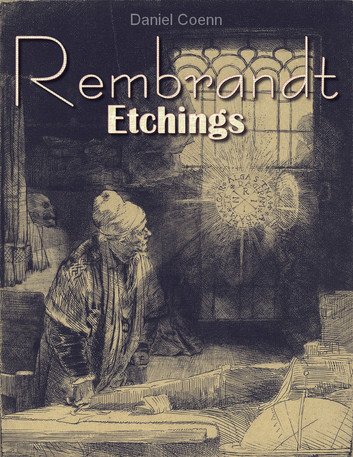
Description
Discover the World of Rembrandt Etchings
“Rembrandt Etchings” by Daniel Coenn offers art enthusiasts an intimate journey into the master’s graphic works. This e-book from the My Pocket Gallery series brings together stunning reproductions of Rembrandt’s most celebrated prints. Moreover, it provides accessible insights into his revolutionary printmaking techniques.
The collection showcases why Rembrandt van Rijn remains one of history’s greatest etchers. Furthermore, readers gain appreciation for his unmatched ability to capture human emotion and divine light. This portable gallery transforms your device into a personal museum of Dutch Golden Age masterpieces.
Rembrandt’s Mastery of the Etching Medium
Rembrandt elevated etching from a reproductive craft to a fine art form. He approached the copper plate with the same intensity he brought to painting. Consequently, his prints possess a painterly quality rarely seen in graphic works.
The artist worked primarily between 1626 and 1661, producing approximately 290 etchings. However, each print demonstrates his evolving technical sophistication and artistic vision. His mastery allowed him to achieve tonal ranges previously thought impossible in printmaking.
The Dutch master treated etching as an experimental laboratory for visual ideas. He constantly pushed the medium’s boundaries through innovative techniques and bold compositions. Therefore, his prints often served as studies for paintings or independent artistic statements.
Additionally, Rembrandt’s etchings reached wider audiences than his paintings ever could. This democratization of art made his genius accessible beyond wealthy patrons. Nevertheless, each impression maintained the quality and depth of his painted works.
Inside the Rembrandt Etchings Collection
Daniel Coenn’s “Rembrandt Etchings” carefully curates the artist’s most significant prints across all periods. The collection spans religious narratives, intimate portraits, and evocative landscapes. Moreover, it includes both famous masterpieces and lesser-known gems that reveal Rembrandt’s range. Readers encounter iconic works like “The Three Crosses” and “Christ Healing the Sick.”
Furthermore, the book presents self-portraits that chronicle the artist’s aging face with unflinching honesty. Each image appears in high-resolution detail, allowing close examination of Rembrandt’s intricate line work.
The e-book organizes prints thematically while maintaining chronological awareness of stylistic development. This structure helps readers understand how Rembrandt’s approach evolved over four decades. Additionally, the digital format enables zooming into fine details impossible to see in physical books. Consequently, viewers can study individual scratches, cross-hatching patterns, and tonal variations up close. The collection demonstrates why these prints remain endlessly fascinating to scholars and casual admirers alike.
Revolutionary Techniques in Rembrandt Etchings
Rembrandt transformed etching through his innovative manipulation of the printing process itself. He combined etching with drypoint, creating rich, velvety blacks alongside delicate lines. Moreover, he experimented with different papers, from smooth Japanese sheets to rough European stocks.
This variety produced dramatically different effects from the same copper plate. Furthermore, Rembrandt often left ink on the plate’s surface, creating atmospheric tone. This technique, called “plate tone,” added painterly depth to his compositions.
The artist’s use of multiple states revolutionized printmaking practice and collecting. He would print impressions, then rework the plate and print again. Consequently, some compositions exist in seven or more distinct versions. Each state reveals his thought process and artistic decision-making. Additionally, this practice made each impression somewhat unique, blurring lines between print and drawing. Therefore, collectors prized different states for their individual characteristics and rarity.
Rembrandt’s chiaroscuro effects in etching remain unparalleled even today. He achieved luminous highlights and profound shadows through masterful control of line density. However, his technique went beyond mere technical skill to serve emotional and narrative purposes. Light in his prints often carries spiritual or psychological significance. Moreover, he used darkness not as absence but as a palpable presence. This sophisticated understanding of tonal relationships elevated etching to unprecedented expressive heights.
Subjects and Themes Throughout the Etchings
Rembrandt’s etchings explore an extraordinary range of human experience and emotion. Biblical narratives form a substantial portion of his graphic output throughout his career. He depicted Christ, saints, and Old Testament figures with profound psychological insight.
Moreover, these religious scenes emphasize human vulnerability rather than divine majesty. Consequently, his biblical prints feel intimate and emotionally accessible to modern viewers. The artist focused on moments of doubt, compassion, suffering, and redemption.
Portraiture represents another major category within Rembrandt’s etched work. His self-portraits document his appearance from youth through old age with remarkable honesty. Additionally, he created character studies of beggars, merchants, scholars, and ordinary citizens. These prints capture individual personality through subtle expressions and telling gestures. Furthermore, Rembrandt’s portraits avoid flattery, instead seeking deeper truths about human nature. Therefore, they continue to resonate with contemporary audiences seeking authentic representation.
The artist’s landscape etchings demonstrate his versatility and observational skills. He captured the Dutch countryside with its windmills, cottages, and expansive skies. However, these scenes are never merely topographical records.
Moreover, they convey specific atmospheric conditions and emotional moods through selective detail. Additionally, Rembrandt included genre scenes showing everyday life in Amsterdam and surrounding areas. These works provide valuable historical documentation while maintaining artistic sophistication. Nevertheless, even his most casual sketches display his characteristic mastery of composition.
Key subjects found throughout Rembrandt’s etched works include:
- Biblical narratives from both Old and New Testaments
- Self-portraits spanning his entire career
- Character studies and portrait heads
- Dutch landscapes and rural scenes
- Genre scenes of daily life
- Nude studies and mythological subjects
- Beggars and social outcasts
The Value of Collecting Rembrandt Etchings
This My Pocket Gallery collection offers exceptional value for art enthusiasts and students alike. Original Rembrandt etchings command astronomical prices at auction, often reaching millions of dollars. However, high-quality reproductions in digital format make his genius accessible to everyone.
Moreover, the e-book format allows unlimited viewing without concerns about conservation or handling. Consequently, readers can study these masterpieces as frequently and closely as desired. This democratization aligns with Rembrandt’s original intention of reaching broader audiences through printmaking.
The educational value of this collection extends beyond mere visual pleasure. Readers gain understanding of printmaking techniques that influenced centuries of subsequent artists. Additionally, the etchings provide insight into 17th-century Dutch culture, religion, and social structures.
Furthermore, studying Rembrandt’s compositional strategies benefits anyone interested in visual arts or design. Therefore, this book serves both casual art lovers and serious students. The portable format means this education can happen anywhere, transforming idle moments into enriching experiences.
Collecting knowledge about Rembrandt’s etchings enhances appreciation for museum visits and gallery exhibitions. When encountering original prints, informed viewers recognize specific techniques and compositional choices. Moreover, understanding his working methods deepens emotional responses to the finished works.
Additionally, this knowledge creates connections between Rembrandt’s prints and his paintings. Consequently, viewers develop more sophisticated visual literacy applicable to all art forms. Nevertheless, the primary value remains the profound aesthetic pleasure these masterpieces provide.
Why This Pocket Gallery Edition Stands Out
Daniel Coenn’s curation brings scholarly expertise to an accessible format designed for modern readers. The selection balances famous masterpieces with lesser-known works that reveal Rembrandt’s full range. Moreover, the digital presentation preserves fine details often lost in printed reproductions.
High-resolution images allow viewers to examine the artist’s technique with unprecedented clarity. Furthermore, the portable nature means carrying an entire museum collection in your pocket. This convenience encourages regular engagement with great art rather than occasional museum visits.
The My Pocket Gallery series philosophy emphasizes quality reproduction and thoughtful selection over encyclopedic completeness. Therefore, this volume presents Rembrandt’s etchings at their finest rather than overwhelming readers. Additionally, the focused collection helps newcomers develop visual literacy without feeling intimidated.
However, even experienced collectors will appreciate the image quality and careful curation. Moreover, the affordable price point removes financial barriers to accessing world-class art. Consequently, this e-book represents an exceptional investment in cultural enrichment and personal education.
“Rembrandt Etchings” serves as both introduction and reference, suitable for various reader needs. Students can study specific techniques and compositional strategies for academic purposes. Art lovers can simply enjoy browsing masterpieces during commutes or quiet moments. Moreover, the collection inspires artists working in any medium through its demonstration of mastery.
Additionally, history enthusiasts gain visual access to 17th-century Dutch life and culture. Therefore, this single volume serves multiple purposes and audiences effectively. The lasting value increases with each viewing as new details and insights emerge.






Reviews
There are no reviews yet.