Description
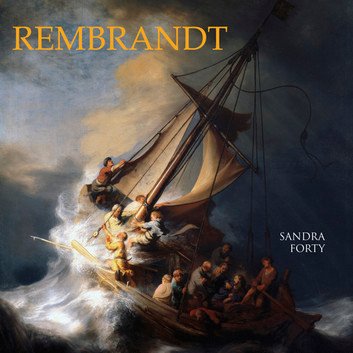
Rembrandt by Sandra Forty: A Comprehensive Synopsis of the Dutch Master’s Life and Art
Introduction to Rembrandt and Sandra Forty’s Accessible Guide
Rembrandt van Rijn stands among history’s greatest painters. His mastery of light and shadow revolutionized European art. Moreover, his psychological depth in portraiture remains unmatched to this day. Sandra Forty’s book offers an accessible introduction to this Dutch master’s extraordinary life and work. Furthermore, it provides readers with essential insights into his artistic genius.
This TAJ Mini Books edition makes Rembrandt’s world approachable for all readers. The compact format doesn’t sacrifice depth or quality. Instead, it distills complex art history into clear, engaging prose. Consequently, both newcomers and art enthusiasts find value in Forty’s approach.
Rembrandt’s Early Life and Artistic Development
Rembrandt was born in Leiden in 1606 during the Dutch Golden Age. His father was a miller, yet young Rembrandt pursued artistic training. He studied under local masters before establishing his own studio. By his mid-twenties, he had moved to Amsterdam and gained recognition.
His early works showed remarkable technical skill and innovation. Rembrandt experimented with dramatic chiaroscuro lighting effects. Additionally, he developed a distinctive style that set him apart. His paintings captured human emotion with unprecedented honesty and depth.
Forty’s book explores these formative years in accessible detail. She explains how Rembrandt’s background influenced his artistic vision. Moreover, she contextualizes his work within the broader Dutch cultural landscape.
The Dutch Master’s Revolutionary Painting Techniques
Rembrandt transformed how artists approached light, color, and composition. He used thick paint application, a technique called impasto. This method created texture and visual depth in his paintings. Furthermore, his innovative use of light created dramatic, almost theatrical effects.
His self-portraits reveal his technical evolution over the decades. Rembrandt painted himself throughout his life, documenting his aging process. These works also served as experiments in expression and technique. Consequently, they provide invaluable insights into his artistic development.
Key aspects of Rembrandt’s technique include:
- Masterful use of chiaroscuro (light and shadow contrast)
- Thick, textured paint application for dimensional effects
- Psychological depth in facial expressions and gestures
- Innovative composition that drew viewers into scenes
- Rich, warm color palettes that enhanced emotional impact
Forty explains these techniques in simple, understandable terms. She helps readers appreciate what made Rembrandt’s approach so revolutionary. Therefore, even those without art training can grasp his innovations.
Rembrandt’s Most Famous Works and Their Significance
“The Night Watch” remains Rembrandt’s most celebrated painting. This massive group portrait broke conventions with its dynamic composition. Moreover, it showcased his ability to create drama and movement. The painting demonstrates why Rembrandt became Amsterdam’s most sought-after artist.
His biblical and mythological scenes also reveal his genius. “The Return of the Prodigal Son” captures profound human emotion. Similarly, “Danaë” shows his mastery of sensuality and light. These works transcend their religious or mythological subjects.
Forty’s book examines these masterpieces with clarity and insight. She discusses their historical context and artistic significance. Additionally, she explains why these paintings continue to resonate with modern audiences.
The Personal Struggles Behind the Artistic Genius
Rembrandt’s life wasn’t without hardship and tragedy. His wife, Saskia, died young, leaving him devastated. Financial troubles plagued his later years despite earlier success. However, these struggles deepened his artistic expression and emotional range.
His later self-portraits show a man marked by life’s difficulties. Yet they also reveal wisdom, resilience, and unflinching self-examination. These works demonstrate how personal experience enriched his art. Therefore, understanding his biography enhances appreciation of his paintings.
Forty sensitively explores these biographical elements without sensationalism. She shows how Rembrandt’s humanity shines through his work. Moreover, she illustrates how adversity can fuel artistic greatness.
Why This Book Matters for Art Enthusiasts Today
Sandra Forty’s compact guide serves multiple purposes for readers. It introduces newcomers to Rembrandt’s essential works and biography. Simultaneously, it offers art lovers a convenient reference. The TAJ Mini Books format makes it perfect for quick consultation.
The book’s accessible language removes barriers to art appreciation. Forty avoids academic jargon while maintaining scholarly accuracy. Consequently, readers gain a genuine understanding without feeling overwhelmed. This approach democratizes art history for broader audiences.
Rembrandt’s Enduring Legacy in Western Art
The Dutch master’s influence extends across centuries of art history. His techniques inspired countless painters from his time to ours. Moreover, his psychological approach to portraiture set new standards. Contemporary artists still study his methods and compositions.
Museums worldwide treasure their Rembrandt collections as crown jewels. His works command record prices at auctions. However, their true value lies in their timeless human insight. Therefore, Rembrandt remains relevant regardless of changing artistic fashions.
Conclusion: An Essential Introduction to a Timeless Master
Sandra Forty’s “Rembrandt” offers an ideal entry point into the Dutch master’s world. The book effectively balances biographical detail with artistic analysis. Its compact format and clear prose make art history accessible. For anyone seeking to understand Rembrandt’s genius and lasting impact, this TAJ Mini Books edition provides an excellent starting point.






Reviews
There are no reviews yet.