

Description
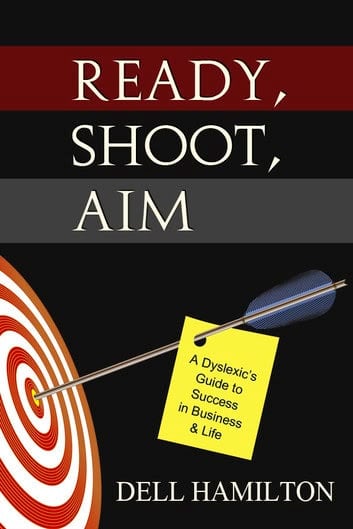
Ready Shoot Aim: A Dyslexic’s Guide to Business Success and Overcoming Learning Challenges
Introduction to Ready Shoot Aim
Dell Hamilton’s “Ready Shoot Aim: A Dyslexic’s Guide to Success in Business & Life” presents a revolutionary approach to achievement. This powerful memoir challenges conventional wisdom about learning disabilities and business success. Moreover, Hamilton demonstrates how dyslexia became his competitive advantage rather than a limitation. The book offers practical strategies for entrepreneurs and professionals facing similar challenges.
Dell Hamilton’s Journey with Dyslexia
Hamilton grew up struggling with severe dyslexia in an era when learning differences were poorly understood. Teachers often labeled him as lazy or unintelligent. However, he refused to accept these limiting beliefs about his potential. His reading challenges forced him to develop alternative problem-solving methods. Consequently, these adaptations became powerful tools in his business career.
The author faced constant frustration in traditional educational settings. Standard teaching methods simply didn’t work for his brain. Nevertheless, Hamilton discovered he possessed exceptional strengths in visual thinking and pattern recognition. Furthermore, he developed remarkable listening skills to compensate for reading difficulties. These abilities would later prove invaluable in entrepreneurship.
Building Business Success Despite Reading Challenges
Hamilton achieved extraordinary success in multiple business ventures throughout his career. He built profitable companies without relying on traditional business school knowledge. Instead, he trusted his instincts and learned through direct experience. Moreover, his dyslexia forced him to delegate reading-intensive tasks effectively. This delegation actually strengthened his leadership and team-building capabilities.
His business achievements include founding and scaling several successful enterprises. Hamilton proved that reading difficulties don’t prevent entrepreneurial excellence. Additionally, he developed unique management approaches that leveraged his cognitive differences. His companies thrived because he embraced unconventional thinking patterns. Therefore, his story inspires countless entrepreneurs with learning differences.
The Ready Shoot Aim Philosophy Explained
Taking Action Before Perfection
The “Ready Shoot Aim” philosophy represents Hamilton’s core business strategy. This approach prioritizes action over endless planning and preparation. Traditional business wisdom suggests careful planning before execution. However, Hamilton argues that perfectionism often prevents progress entirely. Consequently, he advocates launching initiatives quickly and adjusting based on results.
This methodology proved especially effective for someone with dyslexia. Hamilton couldn’t spend hours reading business plans and market research reports. Instead, he jumped into opportunities and learned through real-world feedback. Moreover, this action-oriented approach often gave him competitive advantages. While competitors analyzed, Hamilton was already capturing market share.
Learning Through Iteration
The “shoot first” mentality doesn’t mean reckless decision-making. Rather, it emphasizes rapid experimentation and continuous improvement. Hamilton explains how quick action generates valuable data faster than theoretical planning. Furthermore, mistakes become learning opportunities rather than failures. This iterative process accelerates growth and innovation.
Dyslexic entrepreneurs often excel at this adaptive approach. Their brains naturally seek patterns and connections in complex situations. Additionally, they’re accustomed to finding creative solutions when standard methods fail. Therefore, the Ready Shoot Aim strategy aligns perfectly with dyslexic cognitive strengths.
Practical Strategies Shared in Ready Shoot Aim
Leveraging Strengths Over Fixing Weaknesses
Hamilton provides concrete strategies for building success around natural abilities. He advises readers to identify their unique cognitive advantages. Moreover, he emphasizes building teams that complement personal weaknesses. This approach proves far more effective than struggling to improve deficient areas.
The book includes specific techniques for:
- Developing visual thinking skills for problem-solving
- Using voice recording technology for communication
- Building strong support teams for reading-intensive tasks
- Creating systems that work with dyslexic thinking patterns
- Leveraging pattern recognition in business analysis
Communication Strategies for Dyslexic Professionals
Hamilton shares methods for effective communication despite reading and writing challenges. He explains how to use modern technology as cognitive support tools. Furthermore, he discusses being transparent about learning differences with colleagues. This honesty often builds trust and understanding in professional relationships.
The author demonstrates how verbal communication can become a competitive strength. Dyslexic individuals often develop exceptional interpersonal skills. Additionally, they frequently excel at reading body language and emotional cues. Therefore, Hamilton teaches readers to maximize these natural communication advantages.
Overcoming Obstacles and Building Confidence
Confronting Limiting Beliefs
Hamilton addresses the psychological impact of growing up with dyslexia. Many individuals internalize negative messages about their intelligence and capabilities. However, the author provides strategies for dismantling these destructive beliefs. He shares his personal journey from self-doubt to unshakeable confidence.
The book emphasizes that intelligence manifests in diverse ways. Traditional academic measures don’t capture entrepreneurial or creative brilliance. Moreover, Hamilton argues that dyslexic thinking offers unique problem-solving advantages. Consequently, readers learn to reframe their learning differences as cognitive diversity.
Developing Resilience Through Adversity
Hamilton’s story demonstrates how challenges build character and determination. His dyslexia forced him to develop exceptional resilience from childhood. Furthermore, constant obstacles taught him persistence and creative problem-solving. These qualities became foundational to his business success.
The author explains how adversity creates mental toughness unavailable to those with easier paths. Dyslexic entrepreneurs often possess extraordinary determination because they’ve overcome significant barriers. Additionally, they’ve learned not to fear failure since they’ve experienced it repeatedly. Therefore, they take calculated risks that others avoid.
Inspiration for Others with Learning Differences
Redefining Success and Intelligence
“Ready Shoot Aim” challenges society’s narrow definitions of intelligence and capability. Hamilton proves that academic struggles don’t predict real-world achievement. Moreover, he demonstrates how different cognitive styles offer unique marketplace advantages. His success story provides hope for individuals facing similar challenges.
The book features numerous examples of successful dyslexic entrepreneurs and innovators. Hamilton shows readers they’re in excellent company with their learning differences. Furthermore, he explains how dyslexic thinking contributed to major innovations throughout history. This perspective transforms shame into pride about cognitive diversity.
Creating Inclusive Business Environments
Hamilton advocates for workplace cultures that value diverse thinking styles. He provides guidance for employers seeking to support dyslexic employees effectively. Additionally, he explains how cognitive diversity strengthens teams and drives innovation. Therefore, the book benefits both individuals with learning differences and organizational leaders.
Key Lessons About Confidence and Achievement
Action Creates Confidence
One of Hamilton’s central messages is that confidence follows action rather than preceding it. Many people wait to feel confident before taking risks. However, the Ready Shoot Aim approach builds confidence through accumulated small wins. Moreover, each action provides feedback that informs better future decisions.
This lesson proves particularly valuable for individuals with learning differences. They often struggle with confidence due to academic setbacks. Nevertheless, Hamilton shows how business success can rebuild self-esteem. Consequently, readers learn to create positive momentum through consistent action.
Embracing Imperfection
Hamilton teaches that perfectionism is the enemy of progress and innovation. Dyslexic individuals often feel pressure to compensate by being flawless. However, this approach leads to paralysis and missed opportunities. Furthermore, the author demonstrates how “good enough” often wins in competitive markets.
The book encourages readers to launch imperfect products and refine them based on customer feedback. This methodology has driven countless successful startups and innovations. Additionally, it reduces the psychological burden of trying to achieve impossible standards. Therefore, embracing imperfection becomes a path to both success and mental health.
The Competitive Advantages of Dyslexic Thinking
Pattern Recognition and Big-Picture Thinking
Hamilton explains how dyslexic brains often excel at seeing patterns and connections. This ability proves invaluable in business strategy and market analysis. Moreover, dyslexic thinkers frequently grasp complex systems more quickly than detail-oriented individuals. They naturally focus on big-picture relationships rather than getting lost in minutiae.
The author provides examples of how this cognitive style led to breakthrough business insights. He recognized market opportunities that others missed because they were buried in data. Furthermore, his pattern recognition helped him identify talented employees and promising partnerships. Consequently, his dyslexia became a strategic advantage rather than a disability.
Creative Problem-Solving Abilities
Dyslexic individuals often develop exceptional creativity because standard approaches don’t work for them. Hamilton demonstrates how this forced innovation drives business success. Moreover, he explains how dyslexic entrepreneurs often create entirely new market categories. Their unconventional thinking leads to solutions that conventional thinkers never imagine.
The book includes specific examples of creative business solutions Hamilton developed. His approaches often seemed counterintuitive to traditionally educated competitors. However, these innovative strategies consistently delivered superior results. Therefore, readers learn to trust their unique problem-solving instincts.
Practical Tools and Technologies
Leveraging Modern Assistive Technology
Hamilton discusses how technology has transformed possibilities for dyslexic professionals. Text-to-speech software eliminates many traditional reading barriers. Additionally, voice recognition tools enable efficient written communication. Furthermore, visual collaboration platforms play to dyslexic strengths.
The author provides specific recommendations for tools that support dyslexic entrepreneurs. He explains how to build technology systems that compensate for weaknesses. Moreover, he emphasizes that using these tools demonstrates intelligence rather than inadequacy. Consequently, readers gain permission to work in ways that suit their brains.
Building Effective Support Systems
Hamilton stresses the importance of assembling teams that complement personal limitations. He shares strategies for hiring people with complementary skills. Moreover, he discusses how to delegate effectively without losing strategic control. This approach allows dyslexic leaders to focus on their unique contributions.
The book provides guidance on being transparent about learning differences with team members. Hamilton found that honesty built trust and enabled better collaboration. Additionally, team members appreciated understanding how to communicate most effectively with him. Therefore, transparency became a leadership strength rather than a vulnerability.
Transforming Challenges into Opportunities
Reframing Disability as Diversity
“Ready Shoot Aim” encourages readers to view dyslexia as cognitive diversity rather than disability. Hamilton argues that different thinking styles offer marketplace advantages. Moreover, he demonstrates how his learning difference contributed directly to business innovations. This reframing transforms identity from victim to valuable contributor.
The author explains how dyslexic thinking aligns with entrepreneurial requirements. Entrepreneurs must navigate ambiguity, recognize patterns, and innovate constantly. Furthermore, they need resilience and creative problem-solving abilities. Consequently, dyslexic individuals often possess ideal entrepreneurial cognitive profiles.
Finding Your Unique Path to Success
Hamilton emphasizes that success looks different for everyone. He encourages readers to define achievement on their own terms. Moreover, he warns against comparing personal journeys to others’ highlight reels. Furthermore, he demonstrates how unconventional paths often lead to extraordinary destinations.
The book provides frameworks for identifying personal strengths and ideal career directions. Hamilton helps readers recognize where their unique abilities create maximum value. Additionally, he discusses how to structure businesses around personal cognitive styles. Therefore, readers learn to design lives that work with their brains rather than against them.
Conclusion: The Ready Shoot Aim Legacy
Dell Hamilton’s “Ready Shoot Aim: A Dyslexic’s Guide to Success in Business & Life” offers transformative insights for entrepreneurs with learning differences. His action-oriented philosophy challenges perfectionism and analysis paralysis. Moreover, the book demonstrates how dyslexia can become a competitive advantage in business. Hamilton’s journey from struggling student to successful entrepreneur inspires countless readers.
The Ready Shoot Aim methodology provides practical strategies applicable to any business venture. Furthermore, Hamilton’s transparency about his challenges creates connection and hope. His success proves that traditional academic measures don’t predict real-world achievement. Additionally, the book advocates for greater acceptance of cognitive diversity in professional environments.
Readers gain specific tools for building confidence, leveraging strengths, and overcoming obstacles. Hamilton’s story demonstrates that learning differences don’t limit potential—they simply require different approaches. Moreover, his philosophy of taking action before achieving perfection accelerates learning and growth. Consequently, “Ready Shoot Aim” becomes essential reading for dyslexic entrepreneurs and anyone facing significant challenges.
The book ultimately delivers a powerful message: your perceived weaknesses may actually be your greatest strengths. Hamilton transformed his dyslexia from a source of shame into a foundation for extraordinary success. Furthermore, he created a roadmap that others can follow toward their own achievements. Therefore, “Ready Shoot Aim” stands as both memoir and practical guide for turning obstacles into opportunities.








Reviews
There are no reviews yet