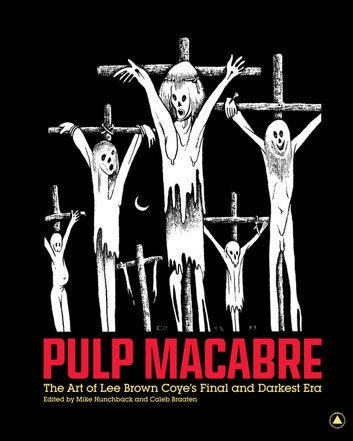
Description
Pulp Macabre: A Deep Dive into Lee Brown Coye’s Haunting Final Works
Lee Brown Coye stands as one of horror illustration’s most distinctive voices. His final artistic period produced some of the darkest imagery in pulp fiction history. Moreover, this collection showcases why his late-career work continues to captivate audiences today. Furthermore, editors Mike Hunchback and Caleb Braaten have assembled a definitive tribute to this legendary artist.
The Master of Macabre Illustration
Lee Brown Coye (1907-1981) revolutionized horror art through his stark, unsettling style. He illustrated for Weird Tales and other pulp magazines throughout his career. However, his final years brought forth his most disturbing and powerful creations. Additionally, he developed a unique visual language that continues to influence artists today.
His work featured skeletal figures, twisted landscapes, and nightmarish creatures. These elements combined to create deeply unsettling atmospheres. Consequently, readers felt genuine dread when encountering his illustrations. His art didn’t just accompany horror stories—it amplified them.
What Makes This Era “Darkest”
Coye’s final period marked a dramatic shift in his artistic vision. He abandoned commercial constraints and embraced pure creative freedom. Therefore, his late work became more experimental and psychologically intense. Furthermore, he explored themes of death, decay, and cosmic horror more explicitly.
This era produced his most controversial and challenging pieces. The illustrations grew increasingly abstract yet somehow more visceral. Moreover, Coye incorporated personal fears and obsessions into his art. His declining health and awareness of mortality deeply influenced these haunting creations.
Inside This Essential Collection
Pulp Macabre offers readers an unprecedented look at Coye’s final masterworks. The book includes:
- Rare and previously unpublished illustrations
- Detailed analysis of his evolving techniques
- Historical context for each major piece
- Commentary from contemporary horror artists
- Personal correspondence revealing his creative process
Hunchback and Braaten provide expert curation throughout the volume. Additionally, they trace the development of Coye’s darkest themes. Their research illuminates why this period represents his artistic peak.
Why This Book Matters Today
Lee Brown Coye’s influence extends far beyond his lifetime. Modern horror artists continue drawing inspiration from his unsettling visions. Furthermore, his work bridges classic pulp tradition and contemporary dark art. This collection preserves an essential chapter in the history of horror illustration.
The book serves multiple audiences effectively. Art historians will appreciate the scholarly approach and documentation. Meanwhile, horror fans discover the visual roots of their favorite genre. Additionally, working artists gain insight into a master’s creative evolution.
Artistic Techniques and Innovation
Coye’s late-period work showcased remarkable technical experimentation. He employed stark black-and-white contrasts to maximum effect. Moreover, he used negative space to create psychological tension. His minimalist approach paradoxically increased emotional impact.
He developed signature motifs that recur throughout this era. Gnarled trees, skeletal hands, and abstract symbols became his visual vocabulary. Furthermore, he blended realism with surrealism in disturbing ways. These techniques created images that lingered in viewers’ minds.
The Cultural Context
Understanding Coye’s final era requires examining 1970s horror culture. The period saw horror fiction becoming darker and more explicit. Consequently, publishers allowed artists greater creative freedom than before. This environment enabled Coye to push boundaries without commercial interference.
His work reflected broader cultural anxieties of the time. Environmental concerns, nuclear fears, and social upheaval permeated his imagery. Therefore, his art resonated with audiences facing uncertain futures. His illustrations captured the era’s pervasive sense of dread.
What Readers Will Discover
This comprehensive volume reveals Coye’s creative process in unprecedented detail. Readers explore how personal struggles shaped his darkest visions. Additionally, they witness his technical mastery reaching its zenith. The book demonstrates why serious collectors prize his late-period work.
The editors provide context that enhances appreciation for each piece. They explain the stories behind individual illustrations and their publication history. Furthermore, they analyze recurring themes and symbolic elements throughout his work. This scholarly approach makes the collection invaluable for researchers.
The Legacy Continues
Coye’s influence on contemporary horror art remains undeniable and profound. His aesthetic choices established conventions still used in genre illustration today—moreover, his willingness to disturb rather than merely entertain set new standards. Modern artists acknowledge their debt to his pioneering vision.
Pulp Macabre ensures new generations discover this essential artist. The book preserves his work in museum-quality reproductions and detailed commentary. Furthermore, it contextualizes his contributions within broader art history. This collection guarantees Coye’s legacy endures for future horror enthusiasts.
A Must-Have for Collections
This definitive volume belongs in every serious horror art collection. It offers unmatched insight into a master’s final creative period. Additionally, the production quality honors Coye’s meticulous craftsmanship and artistic vision. Hunchback and Braaten have created an essential reference work.
Whether you’re a longtime admirer or new to Coye’s work, this book delivers. It combines scholarly rigor with accessible writing and stunning visual presentation. Therefore, it serves both casual readers and serious researchers equally well. Pulp Macabre stands as the ultimate tribute to horror illustration’s darkest visionary.




Reviews
There are no reviews yet.