

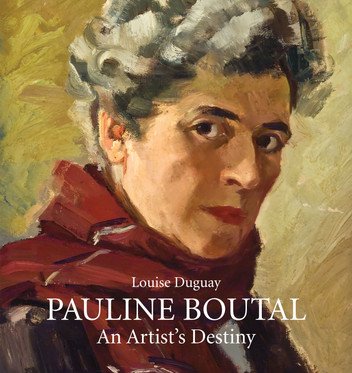
Description
Pauline Boutal: An Artist’s Destiny – A French-Canadian Icon (1894-1992)
Introduction: Pauline Boutal’s Remarkable Artistic Journey
Pauline Boutal: An Artist’s Destiny, 1894-1992 by Louise Duguay chronicles an extraordinary life. Pauline Boutal emerged as the most important Franco-Manitoban artist of the twentieth century. A pioneering painter, she lived nearly a century and created art across multiple disciplines. Her story represents both personal triumph and cultural significance for Canadian art history.
Born in Brittany, France, in 1894, Pauline Boutal immigrated to western Canada. She brought European artistic traditions to the Canadian prairies with remarkable dedication. Moreover, she built three distinct careers when few women pursued even one. Consequently, Pauline Boutal became a trailblazer for female artists in Western Canada.
Louise Duguay’s award-winning biography reveals the full scope of this artist’s achievements. The book originally appeared in French as Pauline Boutal: Destin d’artiste 1894-1992 and is now available in English through S.E. Stewart’s translation, making her story accessible to broader audiences. Readers can now discover this remarkable woman’s contributions to Canadian culture.
Pauline Boutal worked as a fashion illustrator, theatrical designer, and painter throughout her long life. She also contributed as an actress and educator to Manitoba’s cultural landscape. Furthermore, she maintained artistic productivity well into her nineties before her death in 1992. Thus, her life exemplifies dedication, versatility, and enduring creative passion across decades.
Three Distinct Careers: Fashion, Theatre, and Fine Art
Pauline Boutal achieved success in three artistic careers—first as a painter, then as a stage designer, and finally as an art instructor—over the course of seven decades. Few artists, especially women in early twentieth-century Canada, accomplished such versatility. Moreover, she excelled in each field while maintaining her distinctive artistic vision. Consequently, her career trajectory demonstrates remarkable adaptability and a wide range of creativity throughout her lifetime.
Her first career as a fashion illustrator lasted twenty-three years in Western Canada. Pauline Boutal created elegant drawings for newspapers and commercial clients during this period. Furthermore, this work provided financial stability while developing her technical drawing skills. Therefore, fashion illustration served as both livelihood and artistic training for future endeavors.
The artist’s theatrical work brought her recognition in Manitoba’s cultural community. She designed sets, costumes, and promotional materials for numerous theatrical productions. Additionally, Pauline Boutal performed as an actress in French-language theatre productions. Thus, her theatrical involvement demonstrated her multifaceted talents beyond the visual arts alone.
Painting became Pauline Boutal’s primary focus in the latter part of her career. She created landscapes, still lifes, and portraits in traditional styles throughout her life. Moreover, her paintings earned respect from critics and collectors across Canada. Consequently, this Franco-Manitoban artist established herself as a significant regional painter.
Pauline Boutal’s Artistic Training and Development
This pioneering painter pursued formal artistic education at multiple prestigious institutions. Her training combined European traditions with North American approaches to art-making. Furthermore, she studied under accomplished teachers who shaped her technical abilities. Therefore, Pauline Boutal’s education provided a strong foundation for her diverse career.
The Winnipeg School of Art provided her with her first formal training in Canada. She learned fundamental techniques and connected with Manitoba’s artistic community. Additionally, this local institution helped her understand the Canadian artistic landscape. Thus, the Winnipeg School of Art proved crucial to her development.
Pauline Boutal continued her training at the Cape Cod School of Art in Massachusetts. There, she explored American artistic trends and teaching styles. She collaborated with other devoted artists. Cape Cod expanded her artistic outlook and technical command.
Her studies at l’Académie in France connected her to European artistic traditions. This training reinforced her commitment to traditional painting styles and techniques. Furthermore, it maintained her connection to French culture and artistic heritage. Therefore, the Académie training influenced her work throughout her career.
Franco-Manitoban Cultural Significance and Heritage
Pauline Boutal represented Franco-Manitoban culture through her art and community involvement. She maintained strong connections to French-speaking communities in western Canada throughout her life. Moreover, she promoted the French language and culture through theatrical and educational work. Consequently, this artist became an important cultural ambassador for Franco-Manitobans.
Her Breton background shaped both her artistic subjects and sense of identity. She painted landscapes echoing Brittany’s coastal and rural beauty. She preserved French customs in her personal and professional life. Pauline Boutal linked Old World heritage with New World promise.
The Franco-Manitoban community recognized her contributions to their cultural preservation and expression. She participated actively in French-language cultural organizations and artistic societies. Furthermore, she mentored younger artists and promoted French-Canadian artistic traditions. Thus, her influence extended beyond individual artworks to community cultural development.
Louise Duguay’s biography highlights Pauline Boutal’s role in Franco-Manitoban art history. The book details her navigation of cultural identity within Manitoba’s anglophone majority. It illustrates how she maintained French ties while embracing Canadian identity. Readers grasp her significance to Canadian multicultural artistic heritage.
Traditional Painting Style and Artistic Philosophy
Pauline Boutal painted in traditional styles throughout her career, despite the influence of modernist movements. She favored representational art over abstract or experimental approaches to painting. Furthermore, she believed in mastering classical techniques before exploring personal expression. Therefore, her work reflects dedication to time-honored artistic principles and methods.
Her landscapes captured the beauty of Manitoba’s prairies and Brittany’s coastlines. She painted with careful attention to light, color, and atmospheric effects. Additionally, her compositions demonstrated a strong understanding of traditional landscape painting conventions. Thus, Pauline Boutal’s landscapes appealed to collectors who valued representational art.
Still life paintings showcased her technical skill and eye for composition. She arranged flowers, fruits, and objects with artistic sensitivity and precision. Moreover, these works demonstrated her mastery of color relationships and spatial arrangement. Consequently, her still lifes earned recognition for their beauty and technical excellence.
Pauline Boutal’s portraiture revealed her skill for capturing character. She portrayed subjects with dignity and psychological insight. Her portraits merged technical mastery with genuine observation. These works remain valued for artistry and as cultural records.
Key Achievements and Contributions to Canadian Art
This remarkable artist’s accomplishments deserve recognition and celebration across multiple fields:
- Twenty-three years as a successful fashion illustrator in Western Canada
- Theatrical designer creating sets and costumes for numerous productions.
- Actress performing in French-language theatre productions
- Educator teaching and mentoring younger artists throughout her career
- Painter creating landscapes, still lifes, and portraits for seven decades
- Cultural ambassador for the Franco-Manitoban community and French heritage
- Longevity, maintaining artistic productivity into her nineties
- Pioneer as a female artist in early twentieth-century Western Canada
These accomplishments attest to extraordinary commitment and flexibility over a long career. They show how one artist can shape culture in diverse ways. Pauline Boutal’s influence reaches beyond paintings or stagecraft.
Life as Educator and Community Member
Pauline Boutal shared her expertise with students throughout her career. She taught art and mentored emerging artists in Manitoba. She believed in entrusting artistic traditions to new generations. Her influence spread through the artists she coached and inspired.
Her teaching emphasized traditional techniques and disciplined practice in artistic development. She encouraged students to master fundamentals before developing personal styles. Additionally, she shared insights from her diverse career experiences with eager learners. Therefore, Pauline Boutal’s students benefited from her practical wisdom and technical expertise.
Community involvement characterized this artist’s approach to life beyond her studio work. She participated in cultural organizations, exhibitions, and artistic societies throughout Manitoba. Furthermore, she supported fellow artists and promoted appreciation for the visual arts. Thus, Pauline Boutal contributed to the development of Manitoba’s artistic infrastructure and community.
Her presence in Manitoba’s cultural life spanned most of the twentieth century. She witnessed and participated in the province’s artistic development across decades. Moreover, she maintained active engagement with artistic communities well into advanced age. Consequently, she became a living link between generations of Manitoba artists.
Louise Duguay’s Biographical Research and Writing
Louise Duguay conducted extensive research to create this comprehensive artistic biography. She examined archives, interviewed people who knew Pauline Boutal, and studied her artworks. Furthermore, she placed this artist’s life within broader Canadian and Franco-Manitoban contexts. Therefore, the biography offers both an intimate portrait and a historical analysis simultaneously.
The original French edition won awards for its contribution to Canadian art history. Critics praised Duguay’s thorough research and engaging narrative style throughout the book. Additionally, the biography filled an important gap in Franco-Manitoban cultural documentation. Thus, Louise Duguay’s work effectively serves both scholarly and general reading audiences.
The English translation by S.E. Stewart makes this important story accessible internationally. Readers beyond French-speaking communities can now discover Pauline Boutal’s remarkable achievements. Moreover, the translation maintains the original’s scholarly rigor and narrative appeal. Consequently, this biography reaches the wide audience it deserves across Canada.
Duguay’s writing balances academic research with accessible storytelling throughout the biography. She presents complex historical contexts without overwhelming general readers with excessive detail. Furthermore, she brings Pauline Boutal to life as a real person beyond artistic accomplishments. Therefore, readers connect emotionally as they learn about Franco-Manitoban art history.
Challenges Faced by Female Artists in Early Twentieth-Century Canada
Pauline Boutal navigated significant obstacles as a female artist in Western Canada. Few women pursued professional artistic careers in the early twentieth century. Moreover, societal expectations often discouraged women from serious artistic ambitions. Consequently, her success required exceptional determination and resilience throughout her lifetime.
Financial pressures affected female artists more severely than they did male artists. Women often lacked access to patronage, teaching positions, and exhibition opportunities. Additionally, they faced skepticism about their artistic seriousness and professional capabilities. Therefore, Pauline Boutal’s three successful careers represent remarkable achievements against considerable odds.
The artist balanced professional ambitions with social expectations throughout her long life. She maintained artistic productivity while navigating cultural norms about women’s roles. Furthermore, she found ways to support herself financially through commercial and artistic work. Thus, her career demonstrates both artistic talent and practical business acumen.
Her longevity allowed Pauline Boutal to witness changing attitudes toward female artists. She lived through women’s suffrage, feminist movements, and evolving social norms. Moreover, she continued creating art as opportunities for women gradually expanded. Consequently, her life story reflects broader social changes across the twentieth century.
Legacy and Influence on Canadian Art History
Pauline Boutal’s legacy extends beyond her individual artworks to cultural influence. She demonstrated that women could successfully sustain long, productive artistic careers. Furthermore, she demonstrated how artists could work effectively across multiple disciplines. Therefore, her example inspired subsequent generations of Canadian artists, especially women.
Her paintings remain in collections across Canada, preserving her artistic vision. Museums and private collectors value her work for both artistic merit and historical significance. Additionally, her artworks document Manitoba landscapes and Franco-Manitoban culture during the twentieth century. Thus, Pauline Boutal’s paintings serve as both art and historical record.
The Franco-Manitoban community particularly honors her contributions to cultural preservation and expression. She helped maintain the French language and traditions in Western Canada through her work. Moreover, she demonstrated how immigrant artists could enrich Canadian cultural life. Consequently, her legacy includes both artistic and cultural dimensions of lasting importance.
Louise Duguay’s biography ensures that Pauline Boutal’s story reaches contemporary and future audiences. The book preserves her achievements for art historians, students, and general readers. Furthermore, it places her within the broader narrative of Canadian art history. Therefore, this biography guarantees that her contributions will not be forgotten.
Why Read Pauline Boutal: An Artist’s Destiny, 1894-1992?
This biography offers valuable insights for diverse readers interested in art and history. Art historians discover an important but underrecognized figure in Canadian art. Moreover, general readers find an inspiring story of determination and creative achievement. Consequently, the book effectively appeals to both scholarly and popular audiences.
The book illuminates Franco-Manitoban culture and its contributions to Canadian identity. Readers learn about French-speaking communities in western Canada and their cultural vitality. Additionally, they discover how immigrant artists shaped regional artistic development. Therefore, the biography contributes to understanding Canadian multiculturalism and regional diversity.
Pauline Boutal’s story inspires anyone pursuing creative work against obstacles and challenges. Her three successful careers demonstrate versatility, resilience, and a lifelong commitment to learning. Furthermore, her productivity into her nineties shows that creativity need not diminish with age. Thus, readers find both historical knowledge and personal inspiration throughout the book.
Louise Duguay’s engaging writing makes complex art history accessible to general readers. She balances scholarly research with narrative storytelling, bringing Pauline Boutal to life. Moreover, she provides context without overwhelming readers with excessive academic detail. Consequently, the biography succeeds as both an educational resource and a compelling reading experience.
Conclusion: Celebrating a Pioneering Canadian Artist
Pauline Boutal: An Artist’s Destiny, 1894-1992 by Louise Duguay celebrates an extraordinary life. Pauline Boutal achieved remarkable success across three artistic careers spanning seven decades. Furthermore, she overcame significant obstacles as a female artist in early twentieth-century Canada. Therefore, her story deserves recognition and celebration in Canadian art history.
This Franco-Manitoban artist maintained connections to French heritage while embracing Canadian identity. She contributed to Manitoba’s cultural life through painting, theatre, fashion illustration, and education. Moreover, she demonstrated that traditional artistic approaches could coexist with personal creative vision. Consequently, Pauline Boutal’s legacy enriches our understanding of Canadian artistic diversity.
Louise Duguay’s award-winning biography preserves this important artist’s achievements for future generations. The book combines thorough research with accessible writing that engages diverse readers. Additionally, the English translation extends the biography’s reach beyond French-speaking audiences. Therefore, more people can discover Pauline Boutal’s inspiring story and artistic contributions.
Read this biography to discover a pioneering female artist who shaped Canadian culture. Learn how Pauline Boutal navigated challenges while maintaining artistic integrity and productivity. Furthermore, explore Franco-Manitoban heritage and its significance to Canadian multiculturalism. This remarkable woman’s story offers both historical knowledge and timeless inspiration.



Reviews
There are no reviews yet.