

Description
Oil Paint and Greece: A Synopsis of Peter Hemming’s Kefalonian Memoir
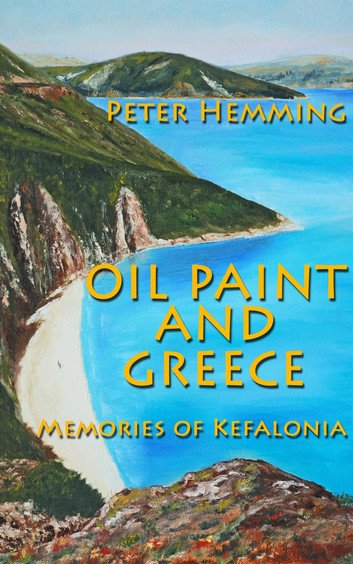
Oil Paint and Greece: Memories of Kefalonia tells the remarkable true story of Peter Hemming, a part-time artist from Swindon and Durham who arrived on the Greek island of Kefalonia on April 3rd, 2001. What began as a planned six-month painting holiday transformed into an extended adventure spanning years.
Moreover, this autobiographical account captures both the hilarious and heartbreaking moments of living as an artist on this stunning Ionian island. Oil Paint and Greece invites readers into Hemming’s world of canvas, color, and Greek culture. Furthermore, it explores how a temporary escape became a life-changing journey.
The Journey Begins: Oil Paint and Greece Collide
Peter Hemming packed his brushes, canvases, and oil paints with modest expectations. He envisioned six months of Mediterranean sunshine, artistic inspiration, and creative renewal. However, Kefalonia had different plans for this English artist. The island’s beauty immediately captivated him upon arrival that spring day in 2001.
The turquoise waters sparkled against rugged limestone cliffs. Ancient olive groves stretched across hillsides in silvery-green waves. Traditional villages clung to mountainsides, their terracotta roofs glowing in the golden light. Consequently, Hemming knew he had discovered something extraordinary.
First Impressions of Kefalonia in Oil Paint and Greece
The initial weeks brought both excitement and challenges for the visiting artist. Hemming struggled with the intense Mediterranean light that transformed his color palette. The brilliant sunshine demanded adjustments to his usual painting techniques. Additionally, he faced the practical realities of island living.
Finding suitable accommodation proved more difficult than anticipated. The language barrier created amusing misunderstandings with local landlords. Yet the warmth of Greek hospitality quickly became apparent. Therefore, despite early obstacles, Hemming felt increasingly at home on this remote island.
Setting Up an Artist’s Life
Establishing a working routine required creativity and adaptation. Hemming converted his modest rental into a makeshift studio. He discovered the best locations for capturing Kefalonia’s dramatic landscapes. Moreover, he learned which times of day offered optimal painting conditions.
The artist rose early to catch the soft morning light. He explored hidden beaches and forgotten mountain paths. Each location offered fresh inspiration for his growing collection of works. Furthermore, the island’s ever-changing moods provided endless subject matter.
The Greek Island Community Welcomes a Stranger
Local residents initially viewed the English painter with curious skepticism. However, Hemming’s genuine interest in their culture gradually won them over. He frequented the same tavernas, learning Greek phrases and customs. Additionally, he participated in village festivals and religious celebrations.
The island’s tight-knit community slowly opened its doors to him. Fishermen shared their morning catches and stories. Elderly women taught him traditional recipes. Shopkeepers offered advice about island life. Consequently, Hemming transitioned from tourist to temporary resident.
Oil Paint and Greece: The Decision to Stay Longer
As the six-month mark approached, Hemming faced a difficult choice. His original plan called for returning to England by autumn. Yet Kefalonia had woven itself into his heart and artistic vision. Therefore, he made the momentous decision to extend his stay indefinitely.
This choice brought both liberation and uncertainty. He had no long-term plan or guaranteed income. His savings would eventually run out. However, the island’s magic proved too powerful to resist. Moreover, his artistic output had never been more prolific or inspired.
Selling Art and Making Ends Meet
Financial survival required entrepreneurial creativity from the transplanted artist. Hemming began displaying his paintings in local cafes and shops. He approached tourists at popular viewpoints, offering custom commissions. Additionally, he participated in small art markets during peak season.
The sales came slowly at first, testing his resolve. Some weeks brought encouraging success; others yielded nothing. Yet gradually, word spread about the English painter capturing Kefalonia’s essence. Furthermore, repeat customers and referrals began sustaining his modest lifestyle.
Humorous Misadventures in Oil Paint and Greece
The memoir brims with comedic episodes from Hemming’s island adventures. Language mishaps led to ordering bizarre restaurant meals. His attempts at Greek dancing during festivals provided entertainment for amused locals. Moreover, his unfamiliarity with island customs created awkward situations.
One memorable incident involved accidentally attending a funeral instead of a wedding. Another chapter recounts his disastrous attempt at fishing with traditional methods. These self-deprecating stories reveal Hemming’s ability to laugh at himself. Therefore, readers connect with his genuine, unpretentious narrative voice.
The Artistic Evolution Captured in Oil Paint and Greece
Kefalonia fundamentally transformed Hemming’s artistic approach and technique. The intense Mediterranean light forced him to reconsider his color choices. He experimented with bolder, more vibrant palettes than ever before. Additionally, the island’s dramatic landscapes pushed him toward larger, more ambitious compositions.
His brushwork became looser and more confident over time. He learned to capture the essence of scenes rather than photographic detail. The Greek aesthetic influenced his artistic sensibility in subtle ways. Consequently, his paintings evolved from competent to truly distinctive.
Touching Moments and Deep Connections
Beyond the humor, Oil Paint and Greece explores profound emotional experiences. Hemming formed deep friendships with island residents who shared their lives. He witnessed births, deaths, and everything in between in his adopted community. Moreover, he experienced the bittersweet nature of belonging somewhere temporarily.
One particularly moving chapter describes painting an elderly woman’s portrait. She had lived her entire life on Kefalonia, never leaving the island. Her weathered face told stories of hardship, joy, and resilience. Therefore, this encounter deepened Hemming’s understanding of his temporary home.
Seasonal Rhythms of Island Life
The memoir beautifully captures Kefalonia’s dramatic seasonal transformations. Summer brought hordes of tourists, bustling beaches, and intense heat. Autumn offered golden light, grape harvests, and cooling temperatures. Additionally, winter revealed the island’s quieter, more authentic character.
During winter months, many businesses closed until spring. The population shrank to year-round residents only. Storms battered the coastline with impressive fury. However, these quieter months allowed Hemming deeper immersion into local life. Furthermore, winter’s subdued palette inspired a different artistic approach.
Cultural Immersion and Greek Traditions in Oil Paint and Greece
Hemming’s extended stay allowed genuine cultural understanding beyond superficial tourism. He learned about Greek Orthodox traditions and their significance. He participated in Easter celebrations, the most important religious holiday. Moreover, he discovered the complex history shaping modern Kefalonian identity.
The island’s past included Venetian occupation, British rule, and devastating earthquakes. These historical layers influenced local architecture, cuisine, and attitudes. Hemming absorbed these cultural nuances through daily interactions. Therefore, his paintings began reflecting deeper understanding of place and people.
Challenges of Extended Expatriate Living
The memoir honestly addresses the difficulties of prolonged island residence. Hemming experienced profound loneliness during quiet winter months. He missed family, friends, and familiar English comforts. Additionally, financial uncertainty created ongoing stress and anxiety.
The isolation sometimes felt overwhelming despite his local friendships. Limited internet connectivity made staying connected challenging in 2001. He questioned his choices during particularly difficult periods. However, these struggles added depth and authenticity to his narrative. Furthermore, they made his ultimate appreciation for the experience more meaningful.
The Paintings That Tell the Story
Throughout Oil Paint and Greece, Hemming’s artwork serves as visual documentation. His paintings captured specific locations, people, and moments from his journey. Each canvas represented not just scenery but emotional experiences. Moreover, his evolving style reflected his personal transformation.
Key works mentioned in the memoir include:
- Dawn at Myrtos Beach, capturing the famous coastline’s ethereal beauty
- Portrait of Yiayia Maria, the elderly woman who befriended him
- Storm Over Argostoli, depicting winter’s dramatic weather
- Olive Harvest, showing traditional agricultural practices
- Easter Procession, commemorating the island’s most sacred celebration
- Fisherman’s Return, honoring the daily rhythms of coastal life
Oil Paint and Greece: Reflections on Belonging
The memoir explores complex questions about home, identity, and belonging. Hemming never fully became Greek despite his extended residence. Yet he no longer felt entirely English after years away. Therefore, he existed in an in-between space, belonging partially to both worlds.
This liminal existence brought both freedom and melancholy. He appreciated perspectives unavailable to permanent residents or brief tourists. His outsider status allowed unique observations about Greek culture. However, he also experienced the loneliness of never completely belonging anywhere.
The Inevitable Departure and Lasting Impact
Eventually, circumstances required Hemming’s return to England. The memoir’s conclusion addresses this bittersweet transition with emotional honesty. He left behind friends, familiar places, and a life he had built. Moreover, he departed as a fundamentally changed person and artist.
Kefalonia’s influence continued shaping his work long after leaving. The island’s colors, light, and spirit infused his subsequent paintings. His Greek friendships endured through letters and occasional visits. Therefore, while his physical residence ended, the island’s impact proved permanent.
Why Oil Paint and Greece Resonates With Readers
Peter Hemming’s memoir succeeds because of its authentic, unpretentious voice. He writes with humor, honesty, and genuine affection for his subject. The narrative balances lighthearted anecdotes with deeper emotional truths. Additionally, his artist’s eye brings vivid sensory detail to every scene.
Readers connect with universal themes of transformation, belonging, and creative pursuit. The Greek island setting provides exotic appeal while remaining accessible. Hemming’s self-deprecating humor makes him an endearing narrator. Furthermore, his journey inspires others to pursue their own creative dreams.
Oil Paint and Greece: Memories of Kefalonia ultimately celebrates the transformative power of place. It demonstrates how stepping outside comfort zones enables personal growth. Moreover, it reminds us that the most meaningful experiences often arise from unplanned detours.
Peter Hemming arrived on Kefalonia for six months but left with memories, friendships, and artwork that would define his life. His memoir invites readers to experience that remarkable journey alongside him, brushstroke by brushstroke, memory by memory.





Reviews
There are no reviews yet.