Description
Oil and Marble: A Captivating Renaissance Novel of Artistic Rivalry and Genius
Introduction: When Two Masters Collided in Florence
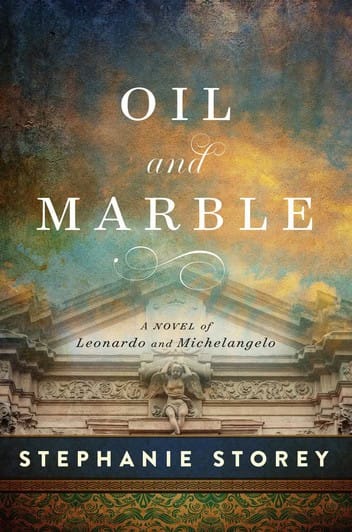
Oil and Marble by Stephanie Storey brings Renaissance Florence vividly to life. This bestselling historical fiction novel explores an extraordinary moment in art history. Moreover, it captures the intense rivalry between two legendary artists. Leonardo da Vinci and Michelangelo Buonarroti shared the same city between 1501 and 1505. Therefore, their competition shaped the course of Western art forever.
Storey’s brilliant debut novel reimagines this nearly forgotten rivalry with remarkable empathy. Furthermore, she transforms historical facts into compelling narrative drama. Readers witness genius, ambition, and artistic passion colliding in Renaissance Italy.
The Two Titans: Leonardo and Michelangelo
Leonardo da Vinci arrives in Florence as an aging master. He has already achieved fame for his innovative oil painting techniques. However, his reputation suffers because he leaves many projects unfinished. Meanwhile, he struggles with self-doubt and creative blocks that haunt him.
Michelangelo Buonarroti represents the opposite force in this artistic battle. He is young, hungry, and fiercely ambitious about his marble sculptures. Additionally, he possesses raw talent that threatens Leonardo’s established position. Yet he faces his own demons of insecurity and family pressure.
The contrast between these two artists drives the novel’s central tension. Moreover, their different approaches to art reflect deeper philosophical differences. Leonardo works in oil while Michelangelo carves marble with passionate intensity.
Oil and Marble: The Setting of Renaissance Florence
Early 16th-century Florence provides the perfect backdrop for artistic competition. The city thrives as a center of culture, commerce, and creative innovation. Furthermore, wealthy patrons compete to commission the greatest masterpieces from talented artists.
Storey recreates this vibrant world with meticulous historical detail and sensory richness. Readers walk the same streets where Leonardo and Michelangelo once worked. Additionally, they experience the political intrigue and social dynamics of Renaissance society.
The Medici family’s influence permeates every aspect of Florentine life. Meanwhile, the city’s workshops buzz with artistic activity and creative experimentation. Therefore, Florence becomes more than just a setting—it transforms into a character.
The Rivalry: Art, Ego, and Ambition
The competition between Leonardo and Michelangelo forms the novel’s emotional core. Both artists vie for the same prestigious commissions and public recognition. Moreover, their personal animosity adds fuel to their professional rivalry.
Leonardo views the younger sculptor as an uncultured upstart lacking refinement. However, he secretly fears that Michelangelo’s raw talent might eclipse his own. Meanwhile, Michelangelo resents Leonardo’s fame and considers him a has-been artist.
Their clashes reveal deeper truths about creativity, genius, and artistic vision. Furthermore, Storey explores how competition can both inspire and destroy artists. Yet she maintains sympathy for both men throughout their struggles.
Michelangelo’s David: Carving Immortality from Marble
Michelangelo’s creation of his masterpiece David anchors the novel’s timeline. He transforms a damaged block of marble into an iconic sculpture. Moreover, this project represents his chance to prove himself against Leonardo’s reputation.
The young sculptor works obsessively, carving day and night with fierce determination. Additionally, he battles physical exhaustion, financial pressure, and crippling self-doubt. Yet his vision drives him forward despite overwhelming obstacles and setbacks.
Storey brings the carving process to life with vivid, tactile descriptions. Readers feel the marble dust and hear the chisel’s rhythmic strikes. Therefore, Michelangelo’s struggle becomes visceral and deeply moving for modern audiences.
Leonardo’s Struggles: The Master’s Creative Blocks
Leonardo faces different but equally challenging obstacles throughout the novel. His perfectionism prevents him from completing many commissioned works on time. Furthermore, his wide-ranging interests distract him from focused artistic production.
He experiments with new painting techniques that sometimes fail spectacularly. Meanwhile, patrons grow impatient with his delays and broken promises. Therefore, his reputation suffers despite his undeniable genius and innovative spirit.
Storey portrays Leonardo’s internal struggles with remarkable psychological depth and understanding. Additionally, she reveals the insecurity hiding beneath his confident public persona. Yet she never diminishes his brilliance or historical importance to art.
Historical Accuracy: Fact Meets Fiction in Oil and Marble
Storey grounds her novel in extensive historical research and documented facts. Many events depicted actually happened according to historical records and biographies. Moreover, she weaves real incidents seamlessly into her fictional narrative framework.
Key historical elements featured in the novel include:
- Leonardo’s actual plan to divert the Arno River as a war tactic
- The damaged marble block that became Michelangelo’s David sculpture
- Michelangelo’s family beating him for choosing the stonecutting profession
- Leonardo’s unfinished commissions and experimental painting techniques
- The political tensions and Medici influence in Renaissance Florence
- Actual locations, workshops, and streets where both artists worked
However, Storey also invents conversations, emotions, and personal interactions between characters. Therefore, she creates a compelling narrative while respecting historical truth. Yet readers always sense the authentic Renaissance atmosphere throughout every scene.
The Writing Style: Accessible Yet Richly Detailed
Storey writes with clarity that makes Renaissance Florence accessible to modern readers. She avoids overly academic language or pretentious historical jargon throughout. Moreover, her prose flows naturally while maintaining period authenticity and atmospheric detail.
The narrative alternates between Leonardo’s and Michelangelo’s perspectives throughout the story. Therefore, readers gain insight into both artists’ thoughts, fears, and motivations. Additionally, this dual viewpoint creates dramatic irony and deepens emotional engagement.
Storey balances historical detail with fast-paced storytelling that keeps readers engaged. Furthermore, she trusts readers to understand complex artistic concepts without condescension. Yet she never sacrifices entertainment value for educational purposes alone.
Themes: Genius, Jealousy, and Creative Passion
Oil and Marble explores universal themes that transcend its historical setting. The novel examines how genius manifests differently in different personalities and approaches. Moreover, it questions whether competition helps or hinders true artistic achievement.
Jealousy emerges as a powerful force driving both protagonists toward greatness. However, it also threatens to destroy their mental health and creative joy. Meanwhile, the novel asks whether fame matters more than artistic integrity.
The relationship between youth and experience provides another rich thematic layer. Additionally, Storey explores how artists balance commercial demands with personal vision. Therefore, the novel speaks to contemporary creative professionals facing similar struggles.
Character Development: Beyond Historical Icons
Storey humanizes these legendary figures without diminishing their historical importance or genius. Leonardo becomes more than just a Renaissance man—he’s a flawed human being. Furthermore, readers see his vanity, insecurity, and desperate need for validation.
Michelangelo transforms from a historical statue into a passionate young artist. Moreover, his struggles with family expectations and self-doubt feel remarkably contemporary. Yet Storey maintains the historical context that shaped his unique personality.
Supporting characters also receive careful development and authentic historical grounding throughout. Additionally, patrons, assistants, and rivals populate Florence with believable human complexity. Therefore, the entire world feels lived-in rather than merely researched.
Why Read Oil and Marble Today
This novel offers modern readers valuable insights into creativity and artistic struggle. The challenges Leonardo and Michelangelo faced remain relevant to contemporary artists. Moreover, their rivalry demonstrates how competition can fuel extraordinary achievement.
Storey’s empathetic approach makes Renaissance art history accessible to general audiences. Furthermore, she proves that historical fiction can educate while entertaining readers. Therefore, the novel serves both casual readers and serious art enthusiasts.
The book reminds us that even legendary geniuses struggled with doubt. Additionally, it shows how perseverance and passion overcome seemingly impossible obstacles. Yet it never romanticizes the difficult realities of artistic life.
Critical Reception: A Bestselling Debut
Oil and Marble achieved bestseller status and widespread critical acclaim upon publication. Reviewers praised Storey’s meticulous research and empathetic characterization of both artists. Moreover, readers appreciated her ability to make history feel immediate and emotionally engaging.
The novel introduced Stephanie Storey as a significant voice in historical fiction. Furthermore, it demonstrated her talent for bringing past eras to life. Therefore, readers eagerly anticipated her subsequent works and future projects.
Art historians and casual readers alike found value in Storey’s approach. Additionally, the book sparked renewed interest in Renaissance art and culture. Yet it never feels like a dry history lesson disguised as fiction.
The Legacy: Understanding Renaissance Genius
This novel helps contemporary audiences understand what made the Renaissance extraordinary. The period’s artistic achievements resulted from intense competition and passionate dedication. Moreover, Storey shows how individual genius emerged from specific historical circumstances.
Leonardo and Michelangelo’s rivalry pushed both artists to create immortal masterpieces. Furthermore, their different approaches to art enriched Western culture immeasurably. Therefore, understanding their relationship deepens appreciation for their individual achievements.
The novel preserves a nearly forgotten chapter of art history for readers. Additionally, it reminds us that great art often emerges from struggle. Yet it celebrates the beauty these artists created despite their conflicts.
Conclusion: A Masterful Portrait of Artistic Rivalry
Oil and Marble stands as an essential read for art lovers everywhere. Storey successfully brings two legendary artists to life with empathy and insight. Moreover, she creates a compelling narrative that honors historical truth while entertaining.
The novel demonstrates that historical fiction can illuminate the past powerfully. Furthermore, it proves that ancient rivalries still resonate with contemporary audiences. Therefore, this book deserves its place among the best historical novels.
Readers finish the book with deeper understanding of Leonardo and Michelangelo. Additionally, they gain insight into the creative process and artistic struggle. Yet they also enjoy a thrilling story of ambition, genius, and rivalry.
Stephanie Storey’s debut novel achieves what all great historical fiction should accomplish. It makes the past feel present, relevant, and deeply human throughout. Moreover, it reminds us that art matters because artists pour themselves completely into their work.

Reviews
There are no reviews yet