Description
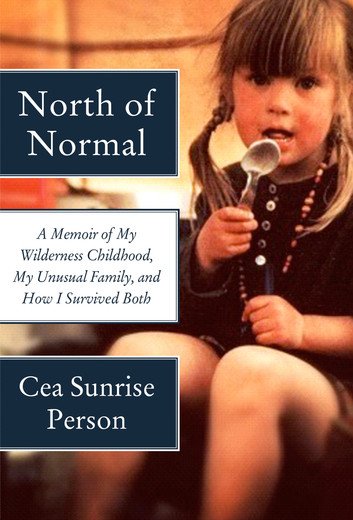
North of Normal: A Memoir of Wilderness Survival, Unconventional Family, and Finding Your Place
Introduction: A Childhood Beyond Imagination
North of Normal tells the extraordinary true story of Cea Sunrise Person’s unconventional childhood. Moreover, this powerful memoir reveals what happens when a family rejects modern society completely. The person grew up in the remote Canadian wilderness without electricity, running water, or schools. Additionally, her family embraced a radical lifestyle that most people cannot even imagine today.
The memoir begins with Person’s early years living in a tipi in the wilderness. Furthermore, her grandmother, Papa Dick, led the family on a quest for enlightenment. They rejected conventional society and pursued a nomadic, back-to-nature existence in isolation. Consequently, young Cea experienced a childhood that was both magical and deeply challenging.
North of Normal captures the beauty and brutality of growing up completely off the grid. Moreover, Person writes with honesty about her family’s idealistic vision and its harsh realities. The memoir explores how unconventional parenting profoundly affects a child’s development and worldview. Therefore, readers gain insight into both the freedom and the cost of living outside society.
This compelling story resonates with anyone who has felt like an outsider or misfit. Furthermore, it speaks to readers interested in memoirs about survival, family dysfunction, and resilience. A person’s journey from wilderness child to functioning adult offers hope and inspiration to everyone. Thus, the memoir serves as both a cautionary tale and a celebration of human adaptability.
Life in the Wilderness: Growing Up North of Normal
Cea Sunrise Person spent her earliest years in the Alberta wilderness with her family. Moreover, they lived in a tipi without modern conveniences or contact with mainstream society. Her grandmother, Papa Dick, a charismatic and domineering figure, led the family’s unconventional lifestyle. Additionally, her mother, Michelle, followed Papa Dick’s vision despite the hardships it created for everyone.
The family moved frequently, seeking the perfect place to live their alternative dream fully. Furthermore, they regularly traveled to Mexico, California, and various remote locations throughout North America. Each move brought new challenges and adventures for young Cea and her siblings. Consequently, stability and routine remained completely foreign throughout her entire formative years.
Daily life involved hauling water, gathering firewood, and surviving harsh weather without protection. Moreover, the family often lacked adequate food, clothing, and medical care for basic needs. Cea learned to endure extreme cold, hunger, and physical discomfort from a very young age. However, she also experienced the profound beauty of nature and complete freedom from rules.
The memoir honestly describes both the enchanting and disturbing aspects of wilderness living. Furthermore, Person recalls moments of joy playing in pristine forests and swimming in lakes. She also remembers the fear, confusion, and loneliness that accompanied such extreme isolation. Therefore, readers understand that her childhood contained both wonder and significant trauma simultaneously.
North of Normal reveals how the family’s idealism often clashed with the practical realities of survival. Moreover, Papa Dick’s spiritual quest sometimes took precedence over the children’s basic welfare and safety. The adults’ focus on enlightenment left little room for addressing children’s emotional or educational needs. Consequently, Cea and her siblings learned to fend for themselves in many ways.
Unconventional Family Dynamics and Relationships
The Person family operated according to rules and values that were completely different from those of mainstream society. Moreover, Papa Dick’s personality and beliefs dominated every aspect of family life and decisions. She promoted free love, rejected materialism, and pursued spiritual awakening above all else. Additionally, her charisma attracted followers who periodically joined the family in its unconventional lifestyle.
Cea’s mother, Michelle, struggled between her loyalty to Papa Dick and her duty to protect her children adequately. Furthermore, she often prioritized her mother’s approval over her children’s needs and well-being—this dynamic created confusion and pain for Cea, who desperately wanted her mother’s attention. Consequently, the memoir clearly explores complex mother-daughter relationships and generational patterns of dysfunction.
The children in the family formed close bonds as they navigated their unusual circumstances together. Moreover, they relied on each other for companionship, support, and survival in isolation. Cea’s relationship with her siblings provided stability amid constant change and uncertainty. However, the unconventional environment also sometimes created tensions and rivalries among the children.
North of Normal examines how the family’s rejection of societal norms affected everyone differently. Furthermore, Person describes the adults’ relationships, including her mother’s various romantic partners over time. The fluid household composition meant Cea never knew who might join or leave next. Therefore, she learned early that relationships could be temporary and conditional rather than permanent.
The memoir honestly portrays the dysfunction and occasional neglect within the family’s alternative lifestyle. Moreover, Person writes without bitterness but with a clear-eyed understanding of what she experienced. She acknowledges both the love that existed and the harm that resulted from choices. Thus, readers appreciate the complexity of family relationships and the lasting impact of childhood.
Education and Self-Directed Learning in Isolation
Cea received virtually no formal education during her childhood in the Canadian wilderness. Moreover, the family rejected traditional schooling as part of their broader rejection of society. She learned to read and write through limited, sporadic instruction from family members. Additionally, she educated herself through whatever books she could find in their remote locations.
The lack of structured education left significant gaps in Cea’s knowledge and academic skills. Furthermore, she missed out on social development that typically occurs in school environments. She had no peers outside her family and no understanding of age-appropriate norms. Consequently, she felt increasingly different and isolated as she grew older and more aware.
Despite these limitations, Cea developed strong survival skills and practical knowledge about nature. Moreover, she learned self-reliance, resourcefulness, and adaptability in challenging circumstances from necessity. Her education came primarily from direct experience rather than from books or formal instruction. However, this unconventional learning left her unprepared for functioning in mainstream society later.
North of Normal explores the significant long-term consequences of educational neglect on children’s development. Furthermore, Person describes her struggles to catch up academically after finally attending school. She felt embarrassed and frustrated as she tried to learn basic concepts her peers already knew. Therefore, the memoir highlights the importance of education for children’s future opportunities and success.
The book also acknowledges the unique perspectives and strengths that came from Cea’s education. Moreover, her deep connection to nature and independence served her well in certain situations. She developed creativity, problem-solving abilities, and resilience that formal education might not provide. Thus, Person presents a balanced view of her unconventional learning experience and its effects.
Physical and Emotional Survival in Extreme Conditions
Living in the wilderness without modern amenities required constant physical effort and endurance daily. Moreover, the family regularly faced extreme weather, inadequate shelter, and insufficient food supplies. Cea learned to tolerate cold, hunger, and discomfort that would overwhelm most children completely. Additionally, she developed a toughness and resilience that became essential for her survival.
The memoir describes harrowing experiences, including near-starvation, dangerous wildlife encounters, and medical emergencies. Furthermore, Person recalls times when the family lacked necessities, such as warm clothing. She remembers the physical pain of frostbite, hunger pangs, and untreated injuries vividly. Consequently, readers clearly understand the very real dangers of the family’s lifestyle choices.
Emotional survival proved equally challenging as physical survival in many ways for Cea. Moreover, she struggled with loneliness, confusion about her identity, and a lack of stability. The constant moving prevented her from forming lasting friendships or feeling rooted anywhere. However, she learned to find comfort in nature and in her own inner strength.
North of Normal reveals how children adapt to circumstances that adults might find unbearable. Furthermore, Person explains how she normalized her unusual life because she knew nothing else. She accepted hardships as simply part of existence rather than recognizing them as abnormal. Therefore, the memoir explores how perspective shapes our understanding of what constitutes normal life.
The book also examines the psychological impact of growing up in such extreme isolation. Moreover, Cea developed anxiety, insecurity, and difficulty trusting others as lasting effects of childhood. She struggled with feeling different and not belonging anywhere in the world around her. Thus, Person honestly addresses the emotional scars that accompanied her physical survival and resilience.
Coming of Age and Discovering the Outside World
As Cea entered adolescence, she became increasingly aware of how different her life was. Moreover, she began questioning the family’s lifestyle and yearning for connection with mainstream society. Her curiosity about the outside world grew stronger despite her family’s rejection of it. Additionally, she began to recognize the limitations and problems in her unconventional upbringing more clearly.
The memoir describes Cea’s first experiences with conventional society and the culture shock involved. Furthermore, she struggled to fully understand social norms, fashion, popular culture, and peer relationships. Simple interactions that others took for granted initially felt confusing and overwhelming to her. Consequently, she felt like an alien navigating a foreign world without guidance.
North of Normal captures the painful process of trying to fit in while feeling fundamentally different. Moreover, Person writes about the embarrassment of her ignorance about basic cultural references. She describes the challenge of making friends when she lacked shared experiences with peers. However, she also discovered strengths and perspectives that her unusual background had given her.
Cea’s relationship with her mother became increasingly strained as she sought independence and normalcy. Furthermore, Michelle struggled to accept her daughter’s desire for a conventional life and education. The tension between them reflected larger conflicts about values, choices, and what constitutes success. Therefore, the memoir explores universal themes of parent-child conflict during adolescence and young adulthood.
The book honestly portrays Cea’s mistakes and struggles as she learned to function independently. Moreover, she made poor choices in relationships and struggled with self-worth and identity issues. Her journey toward self-discovery involved setbacks, failures, and gradual growth over many years. Thus, readers see that healing from an unconventional childhood is a long, complex process.
Transition to Mainstream Society and Building a New Life
Leaving the wilderness lifestyle required Cea to learn basic skills that most people acquire gradually. Moreover, she had to catch up academically while also learning social norms and conventions. She worked multiple jobs while pursuing her education and seeking stability. Additionally, she faced the challenge of supporting herself without family help or a safety net.
The memoir describes Cea’s determination to create a life different from the one her childhood offered. Furthermore, she pursued education despite significant obstacles and her lack of preparation for academic work. She learned to navigate bureaucracy, manage money, and handle responsibilities independently through trial and error. Consequently, her success demonstrates remarkable resilience and adaptability in the face of disadvantages.
North of Normal explores the internal conflicts Cea faces as she builds her new life. Moreover, she struggled with guilt about rejecting her family’s values and lifestyle choices. She questioned whether she was betraying her roots by embracing mainstream society and conventions. However, she ultimately recognized that choosing her own path was necessary for her well-being.
The book examines how Cea’s unusual background both hindered and helped her adult life. Furthermore, her resilience, independence, and unique perspective became valuable assets in certain situations. She brought creativity and problem-solving skills from her unconventional upbringing to bear on challenges. Therefore, Person shows that even difficult childhoods can produce strengths alongside the obvious wounds.
Cea’s journey toward healing involved confronting her past and honestly understanding her family’s choices. Moreover, she worked to forgive her mother and grandmother, while acknowledging the harm they had caused. She learned to appreciate certain aspects of her childhood while rejecting others completely. Thus, the memoir demonstrates the complexity of coming to terms with an unconventional past.
Key Themes and Life Lessons from North of Normal
Cea Sunrise Person’s powerful memoir explores universal themes through her extraordinary personal story:
- Resilience and Survival: How humans adapt to extreme circumstances and overcome adversity
- Family Dysfunction: The lasting impact of unconventional parenting and neglect on children
- Identity and Belonging: Struggling to find your place when you don’t fit anywhere
- Freedom vs. Stability: The cost of rejecting societal norms and structure completely
- Forgiveness and Healing: Making peace with a difficult past and flawed parents
- Self-Discovery: Finding your own path separate from family expectations and values
- Education’s Value: How lack of formal learning affects opportunities and development
- Nature’s Beauty and Brutality: The dual nature of wilderness living and isolation
- Mother-Daughter Relationships: Complex bonds between generations of women and inherited patterns
- Courage to Change: Breaking free from dysfunction and creating a different life
These themes resonate with readers who have experienced family dysfunction or felt like outsiders. Moreover, they speak to anyone interested in stories of survival and personal transformation. The memoir clearly offers insights into human resilience and the power of self-determination. Consequently, North of Normal provides both entertainment and meaningful reflection on important life issues.
Writing Style and Narrative Approach
The person writes with remarkable honesty and vulnerability about her painful childhood experiences throughout. Moreover, she balances criticism of her family’s choices with an understanding of their motivations. Her narrative voice effectively combines the child’s perspective with adult insight and reflection. Additionally, she uses vivid sensory details that transport readers fully into her wilderness world.
The memoir’s structure follows Cea’s chronological journey from early childhood through young adulthood. Furthermore, Person weaves together different time periods and locations as the family moved constantly. She includes dialogue, descriptions, and internal reflections that bring scenes to life vividly. Consequently, readers feel immersed in her experiences rather than merely reading about them at a distance.
North of Normal avoids self-pity while honestly acknowledging the difficulties Cea faced growing up. Moreover, Person writes with humor and warmth even when describing challenging or traumatic events. She presents her family members as complex individuals rather than simply as villains or heroes. Therefore, the memoir feels authentic and nuanced rather than one-dimensional or unnecessarily sensationalized.
The book’s pacing keeps readers engaged through both dramatic events and quieter moments. Furthermore, Person knows when to linger on important scenes and when to summarize periods. She builds tension effectively while also providing moments of beauty and reflection throughout. Thus, the memoir succeeds as both a compelling story and a thoughtful examination of family dynamics.
The person’s writing demonstrates the power of memoir to illuminate universal experiences through specific stories. Moreover, her unique childhood provides a lens for examining broader questions about parenting and society. She invites readers to consider what children truly need versus what adults want. Consequently, North of Normal sparks important conversations about family, freedom, and responsibility toward children.
Critical Reception and Reader Response
North of Normal received widespread critical acclaim upon publication and quickly became a bestseller. Moreover, reviewers praised Person’s honest, compelling storytelling and her lack of bitterness or self-pity. Critics highlighted the memoir’s unique perspective on alternative lifestyles and their consequences for children. Additionally, many compared it favorably to other wilderness memoirs, such as “The Glass Castle” and “Educated.”
Readers responded powerfully to Cea’s story and her journey from isolation to independence. Furthermore, many found her experiences both shocking and deeply relatable on emotional levels. The memoir sparked discussions about parenting, education, and children’s rights in alternative communities. Consequently, it reached audiences beyond typical memoir readers and generated significant cultural conversation.
The book resonated particularly strongly with readers who had experienced unconventional or dysfunctional childhoods. Moreover, it validated the feelings of those who struggled to fit in or felt different. The person’s ultimate success and healing offered hope to readers facing their own challenges. Therefore, North of Normal became more than entertainment—it became a source of inspiration and comfort.
Some readers appreciated the memoir’s balanced portrayal of alternative lifestyles without complete condemnation. Furthermore, Person acknowledges both the appeal of rejecting society and the real costs. She doesn’t present mainstream life as perfect or her family’s choices as entirely wrong. Thus, the memoir invites nuanced thinking rather than simple judgments about lifestyle choices.
The memoir’s success led to speaking engagements and opportunities for Person to share her story. Moreover, it opened conversations about children’s needs in alternative communities and intentional living situations. North of Normal contributed to broader cultural discussions about parenting, education, and what constitutes neglect. Consequently, the book’s impact extended beyond individual readers to influence larger social conversations.
Relevance for Contemporary Readers
North of Normal speaks to current interest in memoirs about overcoming adversity and finding resilience. Moreover, it appeals to readers fascinated by alternative lifestyles and stories of off-grid living. The memoir provides a cautionary perspective on romanticized views of wilderness living and rejection. Additionally, it resonates with anyone who has felt like an outsider or struggled with identity.
The book remains relevant to ongoing discussions about parenting styles and children’s rights today. Furthermore, it raises important questions about when alternative lifestyles cross into neglect or harm. A person’s story illustrates the long-term consequences of educational neglect and social isolation for children. Therefore, the memoir contributes to important conversations about balancing parental freedom with children’s needs.
Contemporary readers interested in minimalism and simple living find a valuable perspective in Person’s story. Moreover, the memoir shows the difference between choosing simplicity as an adult versus imposing it. It highlights how children need stability, education, and social connection regardless of lifestyle philosophy. Consequently, North of Normal offers wisdom for those considering alternative lifestyles with children involved.
The memoir also clearly appeals to readers interested in family dynamics and generational patterns. Furthermore, it explores how parents’ unresolved issues significantly affect their children’s development and well-being. A person’s journey toward breaking these patterns offers hope for healing and change across generations. Thus, the book speaks to universal family experiences despite its unusual specific circumstances.
North of Normal’s themes of resilience, self-discovery, and forgiveness resonate with readers across demographics. Moreover, the memoir demonstrates that it’s possible to honor your past while making different choices. A person’s success in creating a stable, conventional life proves that childhood doesn’t determine destiny. Therefore, the book offers inspiration and hope to anyone working to overcome difficult beginnings.
Conclusion: A Story of Survival, Strength, and Self-Discovery
North of Normal stands as a powerful testament to human resilience and the will to survive. Moreover, Cea Sunrise Person’s memoir offers an unforgettable glimpse into a childhood unlike any other. Her honest, compelling narrative captures both the beauty and brutality of growing up in the wilderness. Additionally, the book provides valuable insights into family dysfunction, alternative lifestyles, and personal transformation.
The person’s journey from an isolated wilderness child to a successful, independent adult inspires readers facing challenges. Furthermore, her story demonstrates that it’s possible to heal from difficult childhoods and create change. The memoir validates the experiences of those who felt different or struggled to belong. Consequently, North of Normal offers both entertainment and meaningful comfort to diverse audiences everywhere.
The book succeeds in balancing criticism of her family’s choices with compassion and understanding. Moreover, Person writes without bitterness while honestly acknowledging the harm she experienced growing up. She presents her family members as flawed humans rather than villains, creating nuanced portraits. Therefore, the memoir feels authentic and fair rather than vindictive or one-sided.
North of Normal offers important perspectives on parenting, education, and children’s needs today. Furthermore, it challenges romanticized views of alternative lifestyles and off-grid living without condemning them. The memoir reminds readers that children’s well-being must remain central to any lifestyle choice. Thus, it offers wisdom for parents, educators, and anyone working with children in communities.
Ultimately, this remarkable memoir celebrates the human capacity for complete adaptation, growth, and forgiveness. Moreover, it demonstrates that we can honor our past while choosing our own path.
A person’s story proves that childhood experiences shape us, but don’t have to define us. Consequently, North of Normal stands as an inspiring testament to the power of resilience, self-determination, and the courage to create the life you want despite the odds stacked against you.





Reviews
There are no reviews yet.