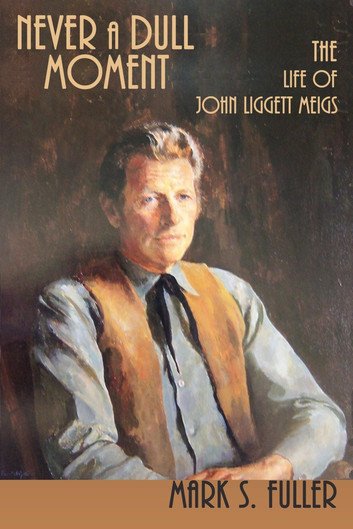
Description
Never a Dull Moment: The Life of John Liggett Meigs – A Biography of Adventure, Art, and Resilience
Introduction: John Liggett Meigs’ Extraordinary Journey
John Liggett Meigs lived one of the most remarkable lives in twentieth-century American art. Mark S. Fuller’s comprehensive biography chronicles this extraordinary artist’s incredible journey. Moreover, it reveals a life filled with adventure, creativity, and resilience. John Liggett Meigs transformed tragedy into triumph through sheer determination and artistic vision.
Born in 1916, John Liggett Meigs faced unimaginable trauma as an infant. His father kidnapped him, separating him forever from his mother. Nevertheless, he overcame this devastating beginning to become a celebrated artist. Furthermore, he pioneered Hawaiian shirt design and served his country during World War II.
Fuller’s biography captures the full scope of Meigs’ multifaceted career. The book explores his work as a journalist, designer, naval officer, and artist. Additionally, it examines his personal relationships and creative evolution. Readers discover an unforgettable character who truly never experienced a dull moment.
The Kidnapping: A Traumatic Beginning
John Liggett Meigs’ life began with shocking family tragedy and betrayal. His father, a Boston stockbroker from a prominent family, committed an unthinkable act. In early 1917, he kidnapped baby John along with his mistress, Jane Winkler. Moreover, young John would never see his mother again.
This traumatic separation shaped Meigs’ entire life profoundly and permanently. His father’s selfish actions robbed him of maternal love and family stability. However, the experience also forged remarkable resilience and independence in him. Furthermore, it taught him to create his own family and community.
The kidnapping remained a defining element of Meigs’ personal narrative throughout his life. He carried this wound while building an extraordinary career and creative legacy. Additionally, he transformed pain into artistic expression and adventurous living. His story demonstrates the human capacity to overcome devastating childhood trauma.
Early Years: Growing Up Without His Mother
John Liggett Meigs grew up in the shadow of his father’s crime. His childhood lacked the maternal presence every child deserves. Nevertheless, he developed a strong, independent spirit that served him well. Moreover, he discovered early interests in art, writing, and creative expression.
Details about Meigs’ childhood remain somewhat mysterious and fragmentary in historical records. His father’s prominent Boston family background provided certain advantages despite the circumstances. However, the emotional cost of maternal separation cannot be measured or quantified. Furthermore, this loss influenced his relationships and worldview throughout his entire life.
Young Meigs attended the University of Redlands in California for his higher education. He pursued studies that would prepare him for a journalism career. Additionally, he began developing the artistic sensibilities that would later flourish. These formative years laid the foundation for his remarkable future achievements.
Becoming a Reporter: Los Angeles and Honolulu
After graduating from university, John Liggett Meigs launched his career in journalism. He worked as a newspaper reporter in Los Angeles in 1936. Moreover, he covered stories that exposed him to diverse people and experiences. This work significantly sharpened his observational skills and storytelling abilities.
Meigs soon moved to Honolulu, seeking new opportunities and adventures in paradise. The Hawaiian Islands captivated him with their beauty, culture, and vibrant atmosphere. Furthermore, the tropical environment awakened his dormant artistic sensibilities and creative passions. Hawaii would transform his life in unexpected and profound ways.
His journalism career in Honolulu brought him into contact with the islands’ art community. He met artists, designers, and creative entrepreneurs who deeply inspired him. Additionally, he began exploring his own artistic talents and design interests. Consequently, his career path shifted from writing about others to creating art himself.
Pioneering the Aloha Shirt: John Liggett Meigs’ Design Legacy
John Liggett Meigs was one of the pioneers in the design of the iconic Hawaiian aloha shirt. This contribution alone would have secured his place in fashion and cultural history. Moreover, his innovative designs helped establish the aloha shirt as an international symbol. His work transformed casual menswear and influenced tropical fashion worldwide.
Meigs brought artistic sophistication to aloha shirt design during the 1930s and 1940s. He created patterns that authentically celebrated Hawaiian culture, flora, and natural beauty. Furthermore, his designs balanced commercial appeal with genuine artistic merit and cultural respect. His shirts became highly sought after by locals and tourists alike.
The aloha shirt industry flourished partly due to Meigs’ creative contributions and innovations. His designs featured bold colors, intricate patterns, and distinctive Hawaiian motifs. Additionally, he understood how to translate island aesthetics into wearable art. Consequently, his work elevated the aloha shirt from tourist souvenir to fashion statement.
World War II: Naval Service and Patriotic Duty
When World War II erupted, John Liggett Meigs answered his country’s call to service. He enlisted in the United States Navy to defend American freedom and democracy. Moreover, his service demonstrated his patriotism and commitment to something larger than himself. The war years interrupted his artistic career but enriched his life experience.
Meigs’s naval service exposed him to new places, people, and challenging situations. He witnessed the war’s impact on both military personnel and civilian populations. Furthermore, he carried sketchbooks and art supplies whenever possible during his service. His artistic eye continued to document the world even amid wartime chaos.
The war years profoundly influenced Meigs’s worldview and artistic perspective after his return. He gained a deeper appreciation for the importance of peace, beauty, and creative expression. Additionally, he developed lasting friendships with fellow service members from diverse backgrounds. Consequently, his post-war art reflected greater depth and emotional complexity.
Post-War Artistic Awakening
After World War II ended, John Liggett Meigs fully committed himself to artistic pursuits. He decided to become a serious, dedicated artist rather than a casual hobbyist. Moreover, he sought out mentors and training to develop his natural talents. This decision launched the most productive and celebrated phase of his career.
Meigs worked as a self-taught artist, learning through practice, observation, and experimentation. He studied the work of masters while developing his own distinctive style. Furthermore, he explored multiple media to discover where his talents shone brightest. His dedication to continuous learning and improvement never wavered throughout his life.
The post-war years brought new opportunities for artists in America and worldwide. Cultural institutions expanded, and public interest in art grew significantly during this period. Additionally, Meigs benefited from increased appreciation for regional and Western American art. Consequently, he found audiences eager to collect and celebrate his unique vision.
Finding Peter Hurd: A Transformative Mentorship
In 1951, John Liggett Meigs sought out renowned artist Peter Hurd in New Mexico. This decision proved transformative for his artistic development and personal life. Moreover, Hurd became his mentor, collaborator, and lifelong friend. Their relationship shaped Meigs’ artistic direction for the next four decades.
Peter Hurd was already an established artist known for his Western landscapes and portraits. He worked primarily in egg tempera, creating luminous paintings of New Mexico’s beauty. Furthermore, he was married to Henriette Wyeth, the daughter of the famous illustrator N.C. Wyeth. Hurd’s artistic pedigree and skill made him an ideal mentor for Meigs.
Meigs moved to San Patricio, New Mexico, to be near Hurd and learn from him. He purchased a small adobe house that would become his lifelong home and studio. Additionally, he immersed himself in the artistic community surrounding Hurd and his family. Consequently, New Mexico became Meigs’ permanent base and primary artistic inspiration.
The Lubbock Fresco: Collaborative Masterwork
In 1953, John Liggett Meigs began assisting Peter Hurd on an ambitious fresco mural project. The mural was commissioned for the West Texas Museum in Lubbock, Texas. Moreover, this collaboration allowed Meigs to learn the fresco technique from a master practitioner. The project now resides in Holden Hall at Texas Tech University.
Fresco painting requires exceptional skill, planning, and physical endurance from the artists involved. The technique involves applying pigment to wet plaster, which becomes permanent when dry. Furthermore, mistakes cannot be easily corrected, demanding precision and confidence. Meigs learned invaluable lessons about large-scale artistic projects through this challenging work.
The Lubbock fresco collaboration significantly strengthened the bond between Hurd and Meigs. They worked side by side for extended periods, sharing ideas and techniques. Additionally, Meigs proved his dedication, skill, and reliability as an artistic collaborator. Consequently, Hurd trusted him with increasingly important projects and responsibilities over the years.
Building Fort Meigs: An Architectural Obsession
John Liggett Meigs purchased a small adobe house in San Patricio, New Mexico. Over the course of 40 years, he transformed it into a remarkable 23-room dwelling. Moreover, Peter Hurd affectionately dubbed the sprawling compound “Fort Meigs.” This architectural project became Meigs’ lifelong passion and creative outlet beyond painting.
Meigs approached the house expansion with the same creativity he brought to his artwork. He added rooms, courtyards, and architectural features that reflected his eclectic tastes. Furthermore, he incorporated found objects, traditional New Mexican elements, and personal artistic touches. The result was a unique, highly personal living and working space.
Fort Meigs became legendary among artists and visitors to the San Patricio area. The house reflected Meigs’ personality: adventurous, unconventional, and endlessly creative. Additionally, it served as both home and studio for his prolific artistic output. Consequently, the building itself became one of his most significant creative achievements.
Mastering Multiple Media
John Liggett Meigs worked in an impressive variety of artistic media throughout his career. He created paintings in oil and watercolor with equal skill and confidence. Moreover, he produced drawings in ink and graphite that demonstrated his draftsmanship. Furthermore, he explored photography as another means of artistic expression and documentation.
His versatility across media distinguished Meigs from artists who specialized in single techniques. He chose each medium based on the subject matter and desired effect. Additionally, he experimented constantly, never becoming complacent or repetitive in his approach. This adventurous spirit kept his work fresh and engaging throughout six decades.
Meigs’ work in different media included:
- Oil paintings of New Mexico landscapes and portraits
- Delicate watercolors capturing light and atmospheric effects
- Detailed ink drawings showing his precise draftsmanship
- Photographs documenting people, places, and artistic processes
- Mixed media pieces combining multiple techniques innovatively
Fifty Exhibitions: Recognition and Success
Throughout his career, John Liggett Meigs held over fifty-one one-person exhibitions nationwide. These shows demonstrated the art world’s recognition of his talent and significance. Moreover, they offered collectors opportunities to acquire his distinctive works. His exhibitions spanned galleries in major cities and regional art centers alike.
Each exhibition required selecting, framing, and presenting dozens of artworks effectively and professionally. Meigs approached these shows with the same dedication he brought to creating art. Furthermore, he enjoyed meeting collectors, critics, and fellow artists at exhibition openings. These events connected him to broader artistic communities beyond rural New Mexico.
The frequency and success of his exhibitions proved Meigs’ commercial viability as an artist. He sold enough work to support himself and continue creating prolifically. Additionally, positive critical reception validated his artistic choices and unique vision. Consequently, he maintained confidence in his path despite working outside mainstream art centers.
The Chapala Connection: Mexican Adventures
In approximately 1968, Peter Hurd and John Liggett Meigs jointly purchased a home in Chapala, Mexico. The property had previously belonged to American poet Witter Bynner, a friend of both artists. Moreover, the purchase included Bynner’s extensive book collection, which fascinated Meigs tremendously. This Mexican connection added another dimension to his already adventurous life.
Meigs visited Chapala on several occasions over the years following the purchase. He explored the lakeside town and its surrounding areas with characteristic curiosity and enthusiasm. Furthermore, he gradually transported Bynner’s book collection back to New Mexico for preservation. However, there’s no evidence that Chapala significantly influenced his artistic output.
The Chapala property represented another example of Meigs’s wide-ranging interests and connections. He maintained friendships and collaborations across borders and artistic disciplines throughout his life. Additionally, his willingness to invest in Mexican property demonstrated his adventurous spirit. Consequently, his life remained rich with diverse experiences and cultural encounters.
Witnessing History: The Apollo 11 Launch
John Liggett Meigs had the extraordinary opportunity to witness the Apollo 11 launch in 1969. This historic event was the first time humans walked on the moon. Moreover, Meigs brought his sketchbook to capture this momentous occasion through his artistic lens. His sketches documented humanity’s greatest technological achievement from an artist’s unique perspective.
The Apollo 11 launch represented the culmination of America’s space race efforts and ambitions. Thousands gathered at Cape Kennedy to witness the Saturn V rocket’s thunderous departure. Furthermore, millions more watched on television as Neil Armstrong, Buzz Aldrin, and Michael Collins began their journey. Meigs’ presence there demonstrated his engagement with contemporary history and technological progress.
His sketches of the launch captured details that photographs might miss. He recorded the human drama, anticipation, and awe surrounding this historic moment. Additionally, his artistic interpretation added emotional depth to the technical achievement being witnessed. Consequently, his Apollo 11 sketches became valuable historical and artistic documents.
Artistic Style and Vision
John Liggett Meigs developed a distinctive artistic style that reflected his diverse experiences and influences. His work combined Western American regional traditions with modernist sensibilities and personal vision. Moreover, he captured New Mexico’s unique light, landscape, and cultural character authentically. His paintings and drawings reveal both technical skill and emotional depth.
Meigs’ landscapes compellingly portrayed the stark beauty of New Mexico’s high desert. He understood how light transformed the landscape throughout the day and seasons. Furthermore, he captured the region’s distinctive architecture, vegetation, and atmospheric qualities precisely. His work appeals to both regional art collectors and broader audiences.
His portraits and figure studies demonstrated his understanding of human character and psychology. He approached each subject with empathy, curiosity, and respect for their individuality. Additionally, his drawings demonstrated exceptional draftsmanship, developed over decades of constant practice. Consequently, his body of work reveals a complete artist comfortable across subjects and media.
Personal Life and Relationships
Despite his traumatic childhood separation from his mother, John Liggett Meigs built meaningful relationships throughout his life. His friendship with Peter Hurd provided the mentorship and support he had lacked earlier. Moreover, he developed connections within New Mexico’s artistic community that sustained him personally and professionally. These relationships enriched his life immeasurably.
Meigs never married or had children of his own, focusing instead on his art and friendships. His chosen family consisted of fellow artists, collectors, and friends who appreciated his unique character. Furthermore, Fort Meigs became a gathering place for creative individuals and interesting conversations. He created the community and belonging he had been denied as a child.
His personality combined adventurousness with dedication, humor with seriousness, and independence with loyalty. Friends remembered him as generous, curious, and endlessly interesting to be around. Additionally, his resilience in overcoming childhood trauma inspired those who knew his story. Consequently, he left a legacy of both artistic achievement and personal courage.
Mark S. Fuller’s Biographical Approach
Mark S. Fuller conducted extensive research to create this comprehensive biography of John Liggett Meigs. He examined archival materials, interviewed people who knew Meigs, and carefully studied his artwork. Moreover, he traced Meigs’ life from the traumatic kidnapping through his death in 2003. Fuller’s thorough methodology ensures historical accuracy and rich narrative detail.
The biography effectively and engagingly balances artistic analysis with personal storytelling throughout. Fuller explains Meigs’ artistic development in accessible language for general readers. Furthermore, he reveals the human struggles and triumphs behind the artistic achievements. Readers understand both the art and the remarkable man who created it.
Fuller’s work fills an important gap in Western American art history and biography. Meigs deserved recognition for his contributions to art, design, and cultural history. Additionally, his extraordinary life story needed proper documentation and celebration for future generations. This biography ensures that John Liggett Meigs’ legacy will endure and inspire others.
The Hawaiian Shirt Legacy
John Liggett Meigs’ contributions to aloha shirt design remain culturally significant decades later. His innovative patterns helped establish the shirt as an iconic symbol of Hawaiian culture. Moreover, his designs influenced generations of subsequent designers and fashion trends. The aloha shirt evolved from a tourist novelty to a legitimate fashion statement, partly through his efforts.
Contemporary fashion historians recognize Meigs as a pioneering figure in the design of tropical casual wear. His work demonstrated that functional clothing could also be a genuine artistic expression. Furthermore, he showed respect for Hawaiian culture while creating designs that were commercially successful. This balance between art, commerce, and cultural sensitivity remains relevant today.
Museums and collectors now seek out vintage aloha shirts from Meigs’ era and designs. These garments represent important artifacts of mid-twentieth-century American fashion and cultural history. Additionally, they showcase the intersection of art, commerce, and regional identity. Consequently, Meigs’ design legacy extends far beyond his painting and drawing achievements.
Life in San Patricio: An Artistic Community
San Patricio, New Mexico, became John Liggett Meigs’ permanent home and creative sanctuary. This small village attracted numerous artists drawn by the landscape and Peter Hurd’s presence. Moreover, the community provided mutual support, inspiration, and artistic dialogue for its residents. Meigs thrived in this environment for over four decades.
The San Patricio artistic community included painters, sculptors, writers, and craftspeople from diverse backgrounds. They shared studios, critiqued each other’s work, and celebrated artistic achievements together. Furthermore, they maintained connections to larger art world institutions while enjoying rural isolation. This balance suited Meigs’ independent yet sociable personality perfectly.
Fort Meigs became a landmark within the San Patricio artistic community and beyond. Visitors came to see both the remarkable house and Meigs’ latest artworks. Additionally, the property hosted gatherings that brought together artists, collectors, and interesting characters. Consequently, Meigs contributed to San Patricio’s reputation as a significant Western art center.
Later Years and Continued Creativity
John Liggett Meigs remained artistically active throughout his later years and into old age. He continued painting, drawing, and photographing until his health declined significantly. Moreover, he maintained his curiosity about the world and commitment to creative expression. His later works showed the wisdom and technical mastery of a lifetime’s dedication.
Age brought physical limitations, but didn’t diminish his artistic vision or enthusiasm for creation. He adapted his working methods to accommodate changing abilities while maintaining quality standards. Furthermore, he continued exhibiting and selling work to devoted collectors and new admirers. His productivity remained impressive even as he entered his eighties.
Meigs’s later years also brought increased recognition for his lifetime of artistic achievement. Art historians began documenting his contributions to Western American art and aloha shirt design. Additionally, younger artists discovered his work and drew inspiration from his example. Consequently, his influence extended beyond his immediate circle to broader artistic communities.
Death and Legacy: 1916-2003
John Liggett Meigs died in 2003 at the age of 87. He left behind an extraordinary body of work spanning six decades of creative production. Moreover, he left a legacy of resilience, creativity, and adventurous living that continues inspiring others. His life proved that traumatic beginnings need not determine one’s ultimate destiny or achievements.
Meigs’ death marked the end of an era in Western American art and culture. He represented a generation of artists who lived, worked prolifically, and maintained artistic integrity. Furthermore, he demonstrated that success could be measured in creative fulfillment rather than fame. His example remains relevant for contemporary artists navigating commercial pressures.
The art world continues to recognize and celebrate John Liggett Meigs’ contributions to multiple fields. His paintings hang in museums, galleries, and private collections across the United States. Additionally, his aloha shirt designs are studied by fashion historians and collectors worldwide. Consequently, his multifaceted legacy endures and grows with each passing year.
Why This Biography Matters Today
Mark S. Fuller’s biography preserves the remarkable story of an extraordinary American artist and individual. It documents a life that encompassed tragedy, adventure, creativity, and ultimate triumph over adversity. Moreover, it reveals how one person’s determination can overcome devastating childhood trauma through art. This message resonates powerfully with contemporary readers facing their own challenges.
The book also provides valuable insights into mid-twentieth-century American art, fashion, and culture. It describes the development of Western regional art and the aloha shirt industry. Furthermore, it illuminates the artistic communities that flourished in places like San Patricio. These historical perspectives enrich our understanding of American cultural development and artistic movements.
John Liggett Meigs’ story inspires anyone pursuing creative dreams despite obstacles or difficult beginnings. His persistence, versatility, and adventurous spirit offer a model for contemporary artists and creators. Additionally, his ability to build chosen family and community demonstrates the power of resilience. His life encourages readers to embrace adventure and never accept a dull moment.
Conclusion: A Life Fully Lived
Mark S. Fuller’s “Never a Dull Moment” stands as the definitive biography of John Liggett Meigs. It captures the full scope of this remarkable artist’s extraordinary life and achievements. Moreover, it honors his memory while making his story accessible to new generations. This book belongs on the shelves of art lovers, biography enthusiasts, and anyone inspired by resilience.
The biography succeeds in presenting Meigs as both an accomplished artist and a fascinating human being. Fuller balances artistic analysis with a compelling personal narrative throughout the book. Furthermore, he effectively places Meigs’ work within its proper historical and cultural context. Readers gain a deep appreciation for his contributions across multiple creative fields.
John Liggett Meigs emerges from these pages as an unforgettable character who truly lived fully. His journey from kidnapped infant to celebrated artist demonstrates the remarkable capacity of the human spirit. Additionally, his diverse achievements in journalism, design, naval service, and art inspire admiration. The biography ensures his legacy will continue inspiring future generations of artists and adventurers.
For anyone interested in Western American art, fashion history, or inspiring life stories, this biography is essential reading. It tells the story of how one determined individual overcame tragedy to create beauty. Furthermore, it reveals that a life lived with curiosity, courage, and creativity is never dull. John Liggett Meigs’ extraordinary journey, as told by Mark S. Fuller, continues inspiring readers today.




Reviews
There are no reviews yet.