

Description
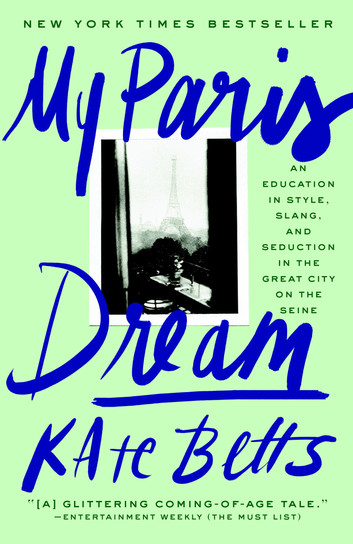
My Paris Dream: A Comprehensive Synopsis of Kate Betts’ Memoir About Style, Language, and Life in Paris
Introduction: Discovering My Paris Dream
“My Paris Dream” by Kate Betts is a captivating memoir about transformation and discovery. The book chronicles her journey as a young American woman in 1980s Paris. Moreover, it explores how the city shaped her career in fashion journalism. Betts arrived in Paris as an uncertain Princeton graduate seeking direction. However, she left as a confident woman with a clear professional path.
The memoir captures the magic and challenges of living abroad. Furthermore, it reveals how Paris teaches lessons beyond language and culture. Betts writes with honesty about her mistakes, triumphs, and romantic adventures. Therefore, readers experience Paris through her eyes, both as an outsider and an insider. Additionally, the book offers timeless wisdom about finding yourself in unfamiliar places.
“My Paris Dream” resonates with anyone who has ever felt lost or uncertain. It speaks to those who dream of reinventing themselves in a new city. Moreover, it celebrates the transformative power of taking risks and embracing discomfort. Consequently, this memoir has become essential reading for Francophiles and aspiring journalists alike.
Who Is Kate Betts: Background and Career
Kate Betts is an acclaimed fashion journalist and author with decades of experience. She has served as editor-in-chief of Harper’s Bazaar and senior editor at Vogue. Moreover, she has contributed to Time magazine, The New York Times, and other publications. Her expertise in fashion and culture makes her a respected voice in the industry. However, her journey to success began with uncertainty and self-doubt.
Betts graduated from Princeton University in 1983 with a degree in art history. She felt directionless despite her prestigious education and privileged background. Furthermore, she struggled to find her passion and professional identity. Therefore, she decided to move to Paris to study French and figure things out. Additionally, she hoped the change of scenery would provide clarity and inspiration.
Her decision to move to Paris was both brave and impulsive. She had limited French language skills and no clear career plan. Moreover, she knew few people in the city and had modest financial resources. However, this leap into the unknown ultimately defined her entire career trajectory. Consequently, Paris became the foundation for everything she would later achieve.
My Paris Dream: The Journey Begins
Kate Betts arrived in Paris in 1983 as a wide-eyed 22-year-old American. She enrolled at the Sorbonne to improve her French. Moreover, she found a tiny chambre de bonne in the sixth arrondissement. The room was barely larger than a closet with a shared bathroom down the hall. However, it represented freedom, independence, and the beginning of her Paris dream.
The early days in Paris were challenging and often lonely. Betts struggled with the language despite her university education. Furthermore, she felt intimidated by the Parisians’ sophistication and cultural confidence. French people seemed to possess an innate understanding of style and elegance. Therefore, she felt like an awkward outsider trying to crack an impossible code.
However, Betts was determined to immerse herself fully in Parisian life. She frequented cafés, museums, and markets to observe and learn. Moreover, she made friends with other expatriates and adventurous French locals. These connections opened doors to experiences she never imagined possible. Additionally, they taught her that Paris rewards those who embrace vulnerability and curiosity.
An Education in Style: Learning Parisian Elegance
“My Paris Dream” explores in depth the concept of French style and elegance. Betts quickly realized that Parisian women possessed something beyond expensive clothing. Moreover, they had an attitude, a way of carrying themselves with confidence. Their style was effortless yet carefully considered, simple yet sophisticated. Therefore, she began studying them like an anthropologist observing a fascinating culture.
She learned that French style emphasizes quality over quantity and timelessness over trends. Parisian women invested in classic pieces rather than chasing fast fashion. Furthermore, they understood how to mix high and low, expensive and affordable. They wore scarves with casual jeans, making simple outfits look chic. Consequently, Betts began adopting these principles in her own wardrobe choices.
The education in style extended beyond clothing to encompass entire lifestyle choices. She learned about French attitudes toward food, wine, conversation, and relationships. Moreover, she discovered that style meant living with intention and appreciating beauty daily. Parisians took time for long meals, intellectual discussions, and aesthetic pleasures. Therefore, style became about cultivating a rich, examined life rather than superficial appearances.
Key style lessons Betts learned in Paris included:
- Less is more: French women own fewer items but choose them carefully.
- Quality matters: Invest in well-made pieces that last for years
- Confidence is essential: Wear clothes with assurance and personal flair.
- Simplicity wins: Avoid over-accessorizing or trying too hard.
- Individuality counts: Develop your own signature style rather than unthinkingly following trends.
Mastering French Slang and Language
Language learning forms a central theme throughout “My Paris Dream.” Betts arrived with textbook French that proved inadequate for real conversations. Moreover, she quickly discovered that Parisians spoke rapidly with slang and colloquialisms. Therefore, she often felt confused and frustrated during everyday interactions. However, she remained committed to achieving fluency and cultural understanding.
She learned that mastering French required more than vocabulary and grammar rules. Furthermore, it demanded understanding context, tone, and cultural references. French people communicated through subtle gestures, expressions, and unspoken social codes. Therefore, language learning became inseparable from cultural immersion and observation. Additionally, mistakes became valuable teachers rather than sources of shame.
Betts describes hilarious misunderstandings and embarrassing linguistic blunders throughout the memoir. She confused words, misused idioms, and occasionally said inappropriate things accidentally. Moreover, she struggled with the formal “vous” versus informal “tu” distinctions. However, these mistakes helped her learn faster and connect with patient French friends. Consequently, her French improved dramatically through practice, persistence, and willingness to fail.
The slang she learned revealed much about French culture and values. Moreover, it provided access to insider jokes and authentic social connections. She discovered that speaking like a native meant understanding humor, irony, and wordplay. Therefore, language became her gateway to truly belonging in Paris. Additionally, it opened professional opportunities she never anticipated when she first arrived.
Seduction and Romance: My Paris Dream of Love
“My Paris Dream” candidly explores romantic relationships and the art of seduction. Betts experienced the French approach to romance, which differed dramatically from American dating. Moreover, she learned that Parisian men and women viewed seduction as sophisticated play. Flirtation was considered an art form rather than something shameful or manipulative. Therefore, she had to adjust her expectations and understanding of relationships.
She dated French men who introduced her to new perspectives on love. Furthermore, these relationships taught her about passion, independence, and emotional complexity. French lovers valued intellectual connection alongside physical attraction. They discussed philosophy, art, and politics as part of romantic courtship. Consequently, Betts discovered that seduction engaged the mind as much as the body.
However, these relationships also brought heartbreak, confusion, and cultural misunderstandings. French attitudes toward commitment and exclusivity sometimes clashed with her American expectations. Moreover, she struggled with the ambiguity and game-playing that characterized some interactions. Therefore, romance became another arena for learning, growth, and self-discovery. Additionally, these experiences taught her about her own desires and boundaries.
The memoir explores how Paris itself functions as a seductive force. The city’s beauty, mystery, and sensuality captivate visitors and residents alike. Moreover, Paris encourages people to embrace pleasure, beauty, and romantic possibility. Therefore, living there meant constantly being seduced by experiences, places, and people. Consequently, Betts learned to open herself to life’s sensual and emotional dimensions.
Breaking Into Fashion Journalism: My Paris Dream Career
Kate Betts’ career in fashion journalism began unexpectedly during her years in Paris. She started working at Women’s Wear Daily (WWD) as a freelance reporter. Moreover, this opportunity arose through networking and being in the right place at the right time. She covered fashion shows, interviewed designers, and wrote about industry trends. Therefore, Paris became her professional training ground as well as personal classroom.
Working at WWD during the 1980s meant witnessing fashion’s most exciting era. She covered legendary designers like Yves Saint Laurent, Karl Lagerfeld, and Christian Lacroix. Furthermore, she attended glamorous parties, exclusive shows, and industry events. These experiences provided unparalleled access to the inner workings and creative processes of the fashion industry. Additionally, they confirmed that she had found her true professional calling.
However, the job was demanding and often intimidating for a young journalist. She had to develop confidence, assertiveness, and professional skills quickly. Moreover, she competed with experienced reporters who knew the industry intimately. Therefore, she worked tirelessly to prove herself and earn her colleagues’ respect. Consequently, her determination and Paris education gave her unique advantages and perspectives.
The fashion world taught Betts about creativity, commerce, and cultural influence. She learned how designers translated inspiration into wearable art and profitable businesses. Furthermore, she understood fashion’s role in reflecting and shaping social values. Therefore, her work became about more than clothing—it explored identity and culture. Additionally, Paris provided the perfect vantage point for understanding fashion’s global significance.
Cultural Immersion: Living Like a True Parisian
“My Paris Dream” emphasizes the importance of full cultural immersion over tourist experiences. Betts is committed to living like a Parisian rather than an American abroad. Moreover, she shopped at neighborhood markets, frequented local cafés, and developed daily routines. She learned which boulangerie had the best croissants and which wine shop offered expertise. Therefore, she became part of her neighborhood’s fabric rather than a transient visitor.
She discovered that Parisians value ritual, routine, and attention to daily pleasures. Furthermore, they take time for proper meals rather than eating on the run. They greet shopkeepers, engage in small talk, and maintain relationships in the neighborhood. Therefore, daily life becomes a series of meaningful interactions and sensory experiences. Additionally, this approach to living creates richness and satisfaction beyond material success.
Cultural immersion also meant confronting uncomfortable truths about French society and history. Betts witnessed class divisions, racism, and social tensions beneath Paris’s beautiful surface. Moreover, she learned that France struggled with immigration, identity, and changing demographics. Therefore, her Paris dream included complexity and contradiction alongside romance and beauty. Consequently, she developed a nuanced understanding that transcended stereotypes and clichés.
The memoir explores how living abroad changes your perspective on your home country. Betts began seeing America differently through her Paris experiences and French friends’ questions. Furthermore, she recognized both strengths and weaknesses in American culture more clearly. Therefore, Paris provided distance and perspective that enriched her understanding of identity. Additionally, she learned that home and belonging can exist simultaneously in multiple places.
Friendships and Community in My Paris Dream
Friendships play a crucial role throughout Kate Betts’ Paris journey and memoir. She formed deep connections with fellow expatriates who shared similar experiences and challenges. Moreover, these friendships provided support, laughter, and companionship during difficult times. They explored Paris together, shared meals, and helped each other navigate cultural confusion. Therefore, the community became essential to surviving and thriving in a foreign city.
She also developed meaningful friendships with French people who welcomed her generously. Furthermore, these relationships offered insider perspectives and authentic cultural understanding. French friends corrected her language mistakes, explained social customs, and included her in family gatherings. Therefore, they accelerated her integration and deepened her appreciation for French culture. Additionally, they showed her that a genuine connection transcends national and linguistic boundaries.
The memoir celebrates the unique bonds formed when living abroad together. Expatriate friendships often become intense because everyone shares the experience of displacement. Moreover, friends can serve as a surrogate family when the biological family lives thousands of miles away. Therefore, these relationships carry special significance and often last for decades. Consequently, Betts’ Paris friends remained important throughout her life and career.
However, the book also addresses the pain of eventual separation and departure. Living abroad means constantly saying goodbye as people move on to new adventures. Furthermore, it means accepting that some friendships exist only within specific times and places. Therefore, Paris taught Betts about impermanence alongside beauty and connection. Additionally, it showed her how to cherish experiences while they last without clinging desperately.
Professional Growth and Confidence Building
“My Paris Dream” chronicles Kate Betts’ transformation from uncertain graduate to confident professional. Her Paris years provided the foundation for her entire successful career. Moreover, she learned essential skills such as interviewing, writing under deadline pressure, and navigating competitive environments. She developed the confidence to approach famous designers and ask challenging questions. Therefore, Paris became her real-world graduate school in journalism and life.
Working in fashion journalism taught her to trust her instincts and voice. Furthermore, she learned that her American perspective offered value rather than being a liability. She brought fresh eyes to European fashion, resonating with international readers. Therefore, her outsider status became an advantage rather than an obstacle. Additionally, she discovered that authenticity matters more than pretending to know everything.
The memoir explores how taking risks leads to unexpected opportunities and growth. Betts said yes to assignments that scared her and pushed her beyond her comfort zone. Moreover, she learned from failures and mistakes rather than being paralyzed by them. Therefore, she developed resilience and adaptability that served her throughout her career. Consequently, Paris taught her that growth requires discomfort and vulnerability.
Her professional success in Paris also boosted her personal confidence and self-knowledge. She proved to herself that she could succeed in a foreign language and culture. Furthermore, she discovered her passion, talents, and professional identity. Therefore, the uncertainty that brought her to Paris ultimately led to clarity and purpose. Additionally, she learned that sometimes you must get lost to find yourself.
The 1980s Paris Fashion Scene
The memoir vividly captures the excitement of 1980s Paris fashion at its peak. This era saw legendary designers creating their most influential and memorable work. Moreover, fashion shows were spectacular theatrical events rather than corporate marketing exercises. Designers like Yves Saint Laurent, Karl Lagerfeld, and Azzedine Alaïa dominated the scene. Therefore, Betts witnessed fashion history being made in real time.
She describes the energy, creativity, and drama that characterized this golden age. Furthermore, she captures the personalities, rivalries, and friendships among designers and editors. Fashion people were larger-than-life characters with strong opinions and distinctive styles. Therefore, covering fashion meant entering a world of glamour, gossip, and genius. Additionally, it meant understanding that fashion reflected broader cultural and social changes.
The 1980s also marked the transformation of fashion into a global, commercial industry. Designers began building brands, licensing products, and expanding internationally. Moreover, fashion became increasingly connected to celebrity culture and mass media. Therefore, Betts witnessed the industry’s evolution from artisanal craft to corporate enterprise. Consequently, her experiences captured a pivotal moment in fashion history.
However, the memoir also reveals the industry’s darker aspects and pressures. She witnessed eating disorders, drug abuse, and exploitation behind the glamorous facade. Furthermore, she saw how the industry could be cruel, superficial, and exclusionary. Therefore, her portrait of fashion includes both its magic and its problems. Additionally, she learned to navigate this complex world while maintaining her integrity.
Lessons About Identity and Belonging
“My Paris Dream” offers profound insights about identity formation and personal transformation. Betts explores how living abroad forces you to question assumptions about yourself. Moreover, she examines how new environments reveal hidden aspects of your personality. Paris allowed her to experiment freely with different versions of herself. Therefore, she discovered that identity is fluid rather than fixed and predetermined.
The memoir addresses the challenge of belonging in multiple places simultaneously. Betts became partially French while remaining fundamentally American at her core. Furthermore, she learned to navigate between cultures rather than choosing one exclusively. Therefore, she developed a hybrid identity that drew strength from both backgrounds. Additionally, she discovered that belonging means accepting complexity rather than seeking simple answers.
She writes honestly about the loneliness and alienation that accompany expatriate life. Furthermore, she acknowledges that you never fully belong anywhere after living abroad. You become too foreign for home and too foreign for your adopted country. However, this in-between status also provides unique perspectives and freedoms. Consequently, she learned to embrace rather than resist this permanent sense of difference.
The book explores how Paris specifically shapes identity and self-perception. The city demands that you develop style, opinions, and cultural sophistication. Moreover, it encourages intellectual curiosity, aesthetic appreciation, and emotional depth. Therefore, living in Paris means constantly striving to become your best self. Additionally, it means accepting that this process never truly ends or reaches completion.
Why My Paris Dream Resonates With Readers
“My Paris Dream” has touched readers worldwide since its publication in 2015. The memoir speaks to universal desires for transformation, adventure, and self-discovery. Moreover, it captures the specific magic of Paris that has captivated people for centuries. Readers recognize their own dreams and longings in Betts’ honest, vulnerable storytelling. Therefore, the book transcends memoir to become a meditation on possibility and courage.
The book resonates particularly with young people facing uncertainty about their futures. Furthermore, it encourages readers to take risks and trust that clarity will emerge. Betts’ story proves that confusion and directionlessness can lead to unexpected success. Therefore, the memoir offers hope to anyone feeling lost or stuck. Additionally, it demonstrates that detours often become the most important parts of our journeys.
Readers also appreciate Betts’ honest portrayal of both triumphs and struggles. She doesn’t romanticize Paris or pretend everything was perfect and easy. Moreover, she admits mistakes, insecurities, and moments of doubt throughout her journey. Therefore, her story feels authentic and relatable rather than intimidating or unrealistic. Consequently, readers feel inspired rather than discouraged by her experiences.
The memoir’s enduring appeal also stems from its beautiful, evocative writing. Betts captures Paris’s sensory details—sights, sounds, smells, and tastes—with vivid precision. Furthermore, she conveys the emotional texture of her experiences with honesty and grace. Therefore, readers feel transported to 1980s Paris alongside her. Additionally, they experience the city’s transformative power through her eyes and words.
The Memoir’s Structure and Writing Style
Kate Betts structures “My Paris Dream” chronologically while weaving thematic threads throughout. The narrative follows her arrival, immersion, professional development, and eventual departure from Paris. Moreover, she intersperses reflections from her current perspective with past experiences. Therefore, the memoir balances immediate storytelling with mature analysis and understanding. Additionally, this structure allows readers to experience both the journey and its meaning.
Her writing style is accessible, engaging, and richly descriptive without being pretentious. Furthermore, she avoids the purple prose that sometimes characterizes Paris memoirs. She writes with clarity and directness while still capturing beauty and emotion. Therefore, the book appeals to both literary readers and those seeking lighter fare. Consequently, it has found a broad audience across different demographics and interests.
Betts includes specific details that bring scenes and characters to life vividly. She describes clothing, food, apartments, and conversations with precise, evocative language. Moreover, she captures dialogue and interactions that reveal character and cultural differences. Therefore, readers feel like they’re experiencing Paris alongside her rather than reading about it. Additionally, these details ground the memoir in concrete reality rather than vague generalizations.
The memoir also benefits from Betts’ professional experience as a journalist and editor. Her years of writing and editing taught her how to craft compelling narratives. Furthermore, she knows how to structure scenes, develop characters, and maintain narrative momentum. Therefore, the book reads smoothly and keeps readers engaged throughout. Additionally, her professional skills enhance rather than overshadow her personal story.
Comparing My Paris Dream to Other Paris Memoirs
“My Paris Dream” joins a long tradition of memoirs about Americans in Paris. However, it offers unique perspectives that distinguish it from predecessors and contemporaries. Moreover, Betts focuses specifically on professional development alongside personal growth. Therefore, her memoir appeals particularly to readers interested in career and ambition. Additionally, it provides insider access to the fashion world that other memoirs lack.
Unlike some Paris memoirs that emphasize romance or culinary adventures exclusively, Betts balances multiple themes. She explores style, language, work, friendship, and romance with equal attention and depth. Furthermore, she avoids reducing Paris to a backdrop for self-indulgent navel-gazing. Therefore, her memoir feels substantive and multidimensional rather than superficial. Consequently, it offers something for readers with diverse interests and curiosities.
The book also differs by focusing on the 1980s rather than earlier eras. Furthermore, it captures a specific moment in fashion history and Parisian culture. Therefore, it provides historical documentation alongside personal narrative and universal themes. Additionally, it shows how Paris has changed while retaining its essential character and appeal.
Betts’ professional success distinguishes her story from memoirs about struggling artists or writers. She achieved concrete career goals rather than simply having romantic adventures abroad. Moreover, she built a distinguished career directly from her Paris experiences and connections. Therefore, her memoir offers practical inspiration alongside emotional and aesthetic pleasures. Consequently, it appeals to ambitious readers seeking both beauty and professional guidance.
Practical Wisdom From My Paris Dream
Beyond its narrative pleasures, “My Paris Dream” offers practical wisdom about living and working abroad. Betts shares lessons that apply to anyone pursuing dreams in unfamiliar environments. Moreover, she provides insights about building confidence, developing skills, and creating opportunities. Therefore, the memoir serves both as entertainment and as a subtle self-help guide. Additionally, readers can extract actionable advice from her experiences and reflections.
Key practical lessons include the importance of saying yes to opportunities. Furthermore, Betts emphasizes that growth requires accepting discomfort and risking failure. She demonstrates that networking and building relationships open unexpected doors. Therefore, success comes from showing up, being present, and remaining open. Additionally, she shows that persistence and patience matter more than immediate results.
The memoir also teaches about the value of cultural humility and curiosity. Betts succeeded because she approached French culture with respect rather than arrogance. Moreover, she listened, observed, and asked questions instead of assuming she knew everything. Therefore, she earned the trust and acceptance of her French colleagues and friends. Consequently, readers learn that openness and humility facilitate integration and success abroad.
Her story demonstrates that clarity often emerges through action rather than contemplation. Furthermore, she didn’t figure everything out before moving to Paris. She leaped and discovered her path through experience and experimentation. Therefore, the memoir encourages readers to start before feeling completely ready. Additionally, it shows that uncertainty can be productive rather than paralyzing.
The Role of Mentors and Role Models
Throughout “My Paris Dream,” Kate Betts benefits from mentors who guide her development. She encounters editors, designers, and colleagues who recognize her potential and offer support. Moreover, these mentors provide advice, opportunities, and honest feedback that accelerate her growth. Therefore, the memoir illustrates how mentorship facilitates professional and personal development. Additionally, it shows the importance of seeking and accepting guidance from experienced people.
She also learns by observing role models who embody qualities she admires. Furthermore, she studies how successful people navigate challenges, make decisions, and present themselves. These observations teach her as much as direct instruction or advice. Therefore, the memoir emphasizes the value of paying attention to exemplary people. Consequently, readers understand that learning happens through multiple channels and methods.
However, Betts also learns to trust her own instincts rather than unthinkingly following others. She discovers that mentors provide guidance but cannot make decisions for you. Moreover, she learns to synthesize advice with her own values and goals. Therefore, the memoir balances appreciation for mentorship with emphasis on personal agency. Additionally, it shows that maturity means developing your own judgment and voice.
The book also explores how Betts herself becomes a mentor to younger journalists. Furthermore, it examines the responsibility and satisfaction that come with helping others navigate similar challenges. Therefore, the memoir presents mentorship as a reciprocal, ongoing process throughout careers. Consequently, readers understand that receiving and giving guidance both contribute to professional fulfillment.
Conclusion: The Lasting Impact of My Paris Dream
“My Paris Dream” by Kate Betts remains a beloved memoir for compelling reasons. It captures universal themes of transformation, belonging, and self-discovery through specific, vivid storytelling. Moreover, it offers both escapist pleasure and practical wisdom for readers. The book demonstrates that Paris continues to inspire and transform those who embrace it fully. Therefore, it has earned its place among essential Paris memoirs and coming-of-age stories.
The memoir’s greatest strength lies in Betts’ honest, generous voice and perspective. She shares her journey without pretension, self-aggrandizement, or false modesty. Furthermore, she acknowledges both privileges and challenges with equal candor and self-awareness. Therefore, readers trust her as a guide and companion through her experiences. Additionally, they feel invited into her story rather than kept at a distance.
“My Paris Dream” ultimately celebrates courage, curiosity, and the transformative power of place. It shows that taking risks and embracing uncertainty can lead to extraordinary outcomes. Moreover, it demonstrates that who we become depends partly on where we go. Therefore, the memoir inspires readers to pursue their own dreams fearlessly. Consequently, it has motivated countless people to take leaps toward their own transformations.
The book’s enduring relevance stems from its timeless themes and beautiful execution. Furthermore, it reminds us that Paris remains a city of possibility and reinvention. Whether readers dream of Paris specifically or simply of changing their lives, this memoir speaks to them.
Therefore, “My Paris Dream” will continue inspiring new generations of dreamers and adventurers. Additionally, it stands as a testament to the power of saying yes to life’s unexpected opportunities.







Reviews
There are no reviews yet