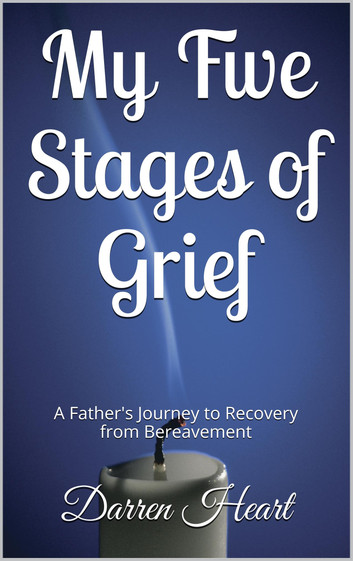
Description
My Five Stages of Grief: A Father’s Journey to Recovery from Bereavement
Introduction to the Stages of Grief and a Father’s Journey
The stages of grief provide a framework for understanding loss and bereavement. And Darren Heart’s “My Five Stages of Grief” explores this journey intimately. Moreover, the book chronicles a father’s personal experience navigating profound loss. Consequently, readers encounter authentic grief recovery through one man’s courageous story.
Heart shares his journey through the five stages of grief honestly. And he reveals how denial, anger, bargaining, depression, and acceptance manifested in his life. Moreover, his narrative demonstrates that grief stages don’t follow a neat, linear progression. Therefore, the book offers a realistic perspective on bereavement and healing processes.
This memoir serves as a companion for anyone experiencing loss or supporting grieving individuals. Furthermore, Heart writes with vulnerability that makes his experience universally relatable. And he provides practical insights alongside emotional honesty about his grief journey. Therefore, the book combines personal narrative with helpful guidance for others.
The five stages model originated with psychiatrist Elisabeth Kübler-Ross in 1969. Moreover, her groundbreaking work identified common patterns in how people process loss. And Heart’s book applies this framework to his own bereavement experience. Therefore, readers gain both theoretical understanding and practical application of grief stages.
Understanding the Five Stages of Grief Model
The five stages of grief include denial, anger, bargaining, depression, and acceptance. And these stages describe common emotional responses to loss and bereavement. Moreover, the model helps people recognize and normalize their grief experiences. Consequently, understanding these stages provides comfort during overwhelming emotional times.
Denial represents the initial shock and disbelief when loss first occurs. Furthermore, this stage serves as a protective mechanism against overwhelming pain temporarily. And it allows the mind to process devastating news gradually rather than all at once. Therefore, denial functions as a natural buffer during early bereavement.
Anger emerges as reality sets in and pain becomes more acute. Moreover, this stage involves frustration, helplessness, and sometimes rage at the situation. And grieving individuals may direct anger at various targets including themselves or others. Therefore, anger represents a normal response to the unfairness of loss.
Bargaining involves attempts to negotiate or reverse the loss through various means. Furthermore, people often engage in “if only” thinking during this grief stage. And they may make promises or seek ways to undo what has happened. Therefore, bargaining reflects a desperate desire to regain control over an uncontrollable situation.
Depression occurs when the full weight of the loss settles in deeply. Moreover, this stage involves profound sadness, despair, and withdrawal from normal activities. And it represents the deepest emotional pain in the grief journey. Therefore, depression is a natural and necessary part of processing significant loss.
Acceptance means coming to terms with the reality of the loss permanently. Furthermore, it doesn’t mean being “okay” with the loss or forgetting. And it involves learning to live with permanent change and finding a new normal. Therefore, acceptance represents healing and moving forward while honoring what was lost.
Darren Heart’s Personal Loss and Bereavement
Darren Heart experienced a devastating loss that changed his life forever as a father. And his bereavement journey began with shock that shattered his world completely. Moreover, Heart faced the unimaginable pain that every parent fears most deeply. Consequently, his grief was profound, overwhelming, and all-consuming initially.
The book details the specific circumstances of Heart’s loss with raw honesty. Furthermore, he describes the moment his life divided into “before” and “after” permanently. And he shares the immediate emotional impact that left him reeling. Therefore, readers understand the depth and intensity of his initial grief.
Heart’s identity as a father made his bereavement particularly complex and painful. Moreover, fathers often face unique challenges in expressing and processing grief openly. And societal expectations about masculine strength can complicate natural grieving processes. Therefore, Heart’s journey includes navigating gender-specific aspects of bereavement.
His loss affected every aspect of his daily life and functioning immediately. Furthermore, simple tasks became overwhelming challenges during the early stages of grief. And Heart struggled to maintain routines while drowning in emotional pain. Therefore, the book illustrates how bereavement disrupts normal life completely.
The Non-Linear Nature of Grief Stages
The stages of grief don’t follow a predictable, orderly sequence in real life. And Heart emphasizes that his experience moved back and forth between stages. Moreover, he sometimes experienced multiple grief stages simultaneously on the same day. Consequently, the book provides a realistic portrayal of how bereavement actually unfolds.
People may cycle through stages multiple times throughout their grief journey. Furthermore, someone might reach acceptance temporarily, then return to anger or depression. And this back-and-forth movement is completely normal and expected during bereavement. Therefore, Heart reassures readers that non-linear grief is natural, not failure.
Some individuals may not experience all five stages of grief at all. Moreover, the intensity and duration of each stage vary significantly between people. And cultural, personal, and situational factors influence how grief manifests uniquely. Therefore, the stages model serves as a guide, not a rigid prescription.
Heart describes days when he felt multiple conflicting emotions within hours. Furthermore, he might experience acceptance in the morning, then anger by afternoon. And this emotional volatility characterized much of his early bereavement period. Therefore, the book validates the chaotic nature of real grief experiences.
Stage One: Denial and Initial Shock
Denial marked the beginning of Darren Heart’s grief journey after his loss. And this stage involved disbelief that the loss had actually occurred. Moreover, Heart describes feeling numb and disconnected from reality initially. Consequently, denial provided temporary protection from overwhelming emotional pain.
The shock of loss created a surreal feeling where nothing seemed quite real. Furthermore, Heart moved through early days in a fog of disbelief and confusion. And he struggled to accept the permanence of what had happened. Therefore, denial served as a psychological buffer during the most vulnerable time.
During this grief stage, Heart functioned on autopilot through necessary tasks. Moreover, he made arrangements and handled responsibilities while emotionally disconnected. And this dissociation allowed him to cope when full reality would have been unbearable. Therefore, denial had a protective function during early bereavement.
Physical symptoms accompanied the emotional denial Heart experienced during this stage. Furthermore, he felt exhausted yet unable to sleep properly at night. And he lost his appetite and struggled with basic self-care routines. Therefore, denial manifested in both psychological and physical ways simultaneously.
Heart emphasizes that denial isn’t a conscious choice or weakness of character. Moreover, it represents the brain’s natural response to traumatic, overwhelming information. And it allows gradual processing of devastating reality in manageable doses. Therefore, this grief stage serves an important psychological purpose during bereavement.
Stage Two: Anger and Frustration in Grief
Anger emerged as Heart’s denial began cracking and reality penetrated more deeply. And this grief stage brought intense frustration and rage at the unfairness. Moreover, Heart felt angry at circumstances, fate, and the randomness of loss. Consequently, anger became the dominant emotion during this phase of his bereavement.
The anger stage manifested in unexpected ways throughout Heart’s daily life. Furthermore, he found himself irritable and short-tempered with others around him. And minor inconveniences triggered disproportionate emotional reactions and outbursts. Therefore, anger affected his relationships and interactions during this grief period.
Heart directed anger at various targets including himself, others, and higher powers. Moreover, he experienced guilt about feeling angry, which intensified his emotional turmoil. And he struggled with the intensity of rage that felt foreign to his normal personality. Therefore, this stage involved complex, uncomfortable emotions that were difficult to manage.
The “why me?” question dominated Heart’s thinking during the anger stage of grief. Furthermore, he felt the profound injustice of his loss acutely and painfully. And he wrestled with the randomness and senselessness of what had happened. Therefore, anger represented his protest against the unacceptable reality he couldn’t change.
Heart learned that anger is a normal, healthy part of the grief process. Moreover, suppressing or judging anger only prolongs and complicates the bereavement journey. And expressing anger appropriately helps move through this necessary grief stage. Therefore, he encourages readers to accept and work through anger without shame.
Stage Three: Bargaining and “If Only” Thoughts
Bargaining represented Heart’s attempt to negotiate with reality and reverse his loss. And this grief stage involved endless “if only” scenarios replaying in his mind. Moreover, Heart imagined different choices that might have prevented the loss. Consequently, bargaining reflected a desperate desire to regain control over an uncontrollable situation.
During this stage, Heart made mental promises and deals hoping to undo reality. Furthermore, he engaged in magical thinking about ways to turn back time. And he obsessively reviewed past decisions searching for moments he could have changed. Therefore, bargaining consumed significant mental and emotional energy during his bereavement.
The “if only” thoughts became intrusive and persistent throughout Heart’s days and nights. Moreover, he tortured himself with alternative scenarios where the loss didn’t occur. And he blamed himself for not preventing something that was beyond his control. Therefore, this grief stage involved significant self-blame and guilt alongside bargaining.
Heart describes bargaining as an exhausting mental loop that provided no actual relief. Furthermore, the constant replaying of past events intensified his pain rather than easing it. And the impossibility of changing the past made bargaining ultimately futile. Therefore, this stage represented a painful struggle to accept unchangeable reality.
Eventually, Heart recognized that bargaining kept him stuck in the grief process. Moreover, he learned that accepting powerlessness was a necessary step toward healing. And he gradually released the fantasy that he could have prevented his loss. Therefore, moving beyond bargaining required surrendering control and accepting reality fully.
Stage Four: Depression and Deep Sadness
Depression descended as Heart fully confronted the permanence of his loss. And this grief stage brought profound sadness that permeated every aspect of life. Moreover, the weight of bereavement felt crushing and inescapable during this period. Consequently, depression represented the deepest, most painful phase of Heart’s grief journey.
The sadness during this stage was qualitatively different from earlier grief emotions. Furthermore, it involved deep despair and a sense of emptiness that felt bottomless. And Heart struggled to find meaning or purpose in daily activities. Therefore, depression manifested as pervasive hopelessness about the future.
Heart withdrew from social connections and activities he previously enjoyed regularly. Moreover, he lacked energy or motivation to engage with the world around him. And simple tasks required enormous effort that he often couldn’t muster. Therefore, depression affected his functioning and relationships significantly during this grief stage.
Sleep disturbances, appetite changes, and physical exhaustion accompanied the emotional depression. Furthermore, Heart experienced crying spells that came without warning or apparent trigger. And he felt disconnected from people who tried to support and comfort him. Therefore, depression isolated him even when surrounded by caring individuals.
Heart emphasizes that depression in grief differs from clinical depression requiring treatment. Moreover, it represents a natural response to significant loss and necessary grief work. And it allows full emotional processing of what has been lost forever. Therefore, this stage, while painful, serves an important function in the bereavement journey.
Stage Five: Acceptance and Moving Forward
Acceptance emerged gradually as Heart learned to live with his permanent loss. And this grief stage involved acknowledging reality without being destroyed by it. Moreover, acceptance didn’t mean being happy about the loss or forgetting what happened. Consequently, this stage represented finding a new way to exist with changed circumstances.
Heart describes acceptance as learning to carry grief rather than being crushed by it. Furthermore, he found ways to integrate loss into his life story and identity. And he discovered that healing doesn’t mean returning to who he was before. Therefore, acceptance involved creating a new normal that honored both past and present.
During this stage, Heart began re-engaging with life and finding moments of joy. Moreover, he could remember without being completely overwhelmed by sadness every time. And he started making plans and looking toward the future again. Therefore, acceptance brought renewed capacity for living alongside continued grief.
The acceptance stage doesn’t mean grief ends or disappears completely forever. Furthermore, Heart still experiences waves of sadness and difficult days regularly. And certain triggers can temporarily return him to earlier grief stages. Therefore, acceptance is an ongoing process rather than a final destination reached permanently.
Heart found that acceptance allowed him to honor his loss while continuing to live fully. Moreover, he learned that moving forward doesn’t betray or diminish what was lost. And he discovered that healing and remembering can coexist peacefully together. Therefore, this grief stage brought peace without requiring him to forget or stop loving.
How Grief Manifests Differently for Each Person
Darren Heart emphasizes that everyone’s grief journey is unique and personal. And the stages of grief manifest differently based on individual circumstances and personality. Moreover, cultural background, support systems, and previous losses influence bereavement experiences. Consequently, there’s no single “right way” to grieve or standard timeline.
Some people move through grief stages quickly while others take years. Furthermore, the intensity of emotions varies significantly between individuals experiencing similar losses. And what helps one person cope may not work for another. Therefore, Heart encourages readers to honor their own unique grief process.
Factors like relationship to the deceased, circumstances of death, and personal history affect grief. Moreover, sudden losses often produce different grief patterns than anticipated deaths. And traumatic losses may complicate the bereavement process significantly. Therefore, understanding these variables helps people be patient with themselves.
Heart’s experience as a father shaped his grief in specific ways. Furthermore, men often face societal pressure to suppress emotions and “stay strong.” And fathers may feel responsible for supporting others while neglecting their own grief. Therefore, gender and family role influenced how Heart processed his bereavement.
The book validates all grief expressions as legitimate and worthy of respect. Moreover, Heart challenges judgments about “appropriate” grieving timelines or behaviors. And he emphasizes that comparison to others’ grief experiences is unhelpful. Therefore, readers receive permission to grieve in their own way and time.
Impact of Grief on Family Relationships
Bereavement affected all of Darren Heart’s family relationships profoundly and permanently. And each family member grieved differently, creating potential for misunderstanding and conflict. Moreover, the loss changed family dynamics and roles in unexpected ways. Consequently, navigating family relationships while grieving added complexity to Heart’s bereavement journey.
Family members often grieve on different timelines and in different ways. Furthermore, one person might be in the anger stage while another reaches acceptance. And these differences can create tension and feelings of isolation within families. Therefore, Heart learned that patience and communication were essential during shared grief.
Heart’s role as father required him to support his family while processing his own grief. Moreover, he struggled with balancing his needs with responsibilities to other grieving family members. And he sometimes felt torn between expressing his pain and protecting others. Therefore, parenting while grieving presented unique challenges throughout his bereavement.
The loss changed how family members related to and communicated with each other. Furthermore, some relationships grew stronger through shared grief while others became strained. And family members sometimes avoided discussing the loss to protect each other. Therefore, grief reshaped family dynamics in both positive and negative ways.
Heart emphasizes the importance of allowing each family member their own grief process. Moreover, he learned that supporting others doesn’t require suppressing his own emotions. And he discovered that shared vulnerability can strengthen family bonds during bereavement. Therefore, honest communication helped his family navigate grief together more effectively.
Impact of Bereavement on Daily Functioning
Grief disrupted Darren Heart’s ability to function normally in everyday life significantly. And simple tasks that were once automatic became overwhelming challenges during bereavement. Moreover, concentration, memory, and decision-making abilities were all impaired by grief. Consequently, Heart struggled to maintain basic routines and responsibilities during early stages.
Work performance suffered as Heart’s mind constantly returned to his loss. Furthermore, he found it difficult to focus on tasks or engage meaningfully with colleagues. And he questioned the point of work and career goals in light of his bereavement. Therefore, professional life became another area where grief’s impact was evident.
Sleep disturbances were a persistent problem throughout Heart’s grief journey and recovery. Moreover, he experienced insomnia, nightmares, and exhaustion that rest didn’t relieve. And lack of sleep further impaired his ability to cope with emotions and daily demands. Therefore, sleep problems created a vicious cycle that complicated his bereavement.
Appetite changes and neglect of physical health were common during Heart’s grief stages. Furthermore, he either lost interest in food or used eating as a comfort mechanism. And he stopped exercising and engaging in self-care activities that previously mattered. Therefore, physical health declined alongside emotional wellbeing during his bereavement period.
Heart learned that accepting reduced functioning during grief is necessary and appropriate. Moreover, he gave himself permission to lower expectations and ask for help. And he recognized that healing required time and couldn’t be rushed. Therefore, self-compassion about decreased functioning was an important part of his recovery.
Coping Mechanisms and Strategies During Grief
Darren Heart discovered various coping mechanisms that helped him navigate his grief journey. And he learned that healthy coping strategies made the bereavement process more manageable. Moreover, he found that different strategies worked better during different grief stages. Consequently, flexibility and willingness to try various approaches were essential.
Writing became a powerful tool for Heart to process emotions and track his grief journey. Furthermore, journaling allowed him to express feelings that were difficult to speak aloud. And reviewing past entries helped him recognize progress during discouraging moments. Therefore, writing served both therapeutic and documentary purposes during his bereavement.
Physical activity provided temporary relief from overwhelming emotions and mental anguish. Moreover, exercise released tension and improved mood through natural chemical processes. And movement helped when sitting with grief became unbearable and suffocating. Therefore, Heart incorporated regular physical activity into his grief recovery routine.
Maintaining some routines and structure helped Heart feel grounded during a chaotic grief period. Furthermore, predictable daily rhythms provided a sense of normalcy amid overwhelming change. And accomplishing small tasks gave him a sense of control when everything felt uncontrollable. Therefore, routine became an anchor during the storm of bereavement.
Heart also found comfort in rituals that honored his loss and maintained connection. Moreover, creating meaningful ceremonies and remembrance practices helped him process grief. And these rituals provided structure for expressing emotions and marking significant dates. Therefore, intentional practices supported his healing throughout the grief journey.
The Importance of Support Systems
Support from others was crucial to Darren Heart’s survival and recovery from bereavement. And he learned that grief cannot be processed in isolation successfully. Moreover, connecting with people who understood and accepted his grief provided essential comfort. Consequently, building and maintaining support systems became a priority during his healing journey.
Family members provided practical help and emotional support during Heart’s darkest grief moments. Furthermore, they assisted with daily tasks when he couldn’t manage them alone. And they offered presence and companionship when words weren’t necessary or helpful. Therefore, family support was foundational to his ability to function during bereavement.
Friends who listened without judgment or trying to “fix” his grief were invaluable. Moreover, Heart appreciated people who could sit with his pain without becoming uncomfortable. And he valued friends who checked in consistently rather than only initially. Therefore, sustained, patient friendship helped him through the long grief journey.
Support groups connected Heart with others experiencing similar losses and grief stages. Furthermore, these groups provided validation that his experiences were normal and shared. And hearing others’ stories gave him hope that healing was possible eventually. Therefore, peer support from fellow grievers was uniquely valuable during his bereavement.
Heart also emphasizes that accepting help requires vulnerability and courage during grief. Moreover, many grieving people struggle to ask for or receive support from others. And pride or desire to appear strong can prevent necessary connection. Therefore, he encourages readers to overcome barriers to seeking and accepting help.
Professional Counseling and Therapy for Grief
Darren Heart sought professional counseling to help navigate his complex grief journey. And therapy provided safe space to express emotions without burdening loved ones. Moreover, a trained grief counselor offered tools and perspectives he couldn’t access alone. Consequently, professional support accelerated his healing and prevented complicated grief patterns.
Therapy helped Heart understand that his grief reactions were normal and expected. Furthermore, the counselor validated his experiences and normalized the stages he was experiencing. And this professional perspective reduced his anxiety about whether he was grieving “correctly.” Therefore, therapy provided reassurance alongside practical coping strategies.
The counselor helped Heart identify unhealthy coping mechanisms and develop better alternatives. Moreover, therapy addressed ways his grief was affecting relationships and daily functioning. And the counselor taught specific techniques for managing overwhelming emotions when they arose. Therefore, professional guidance provided concrete tools for navigating bereavement more effectively.
Heart emphasizes that seeking therapy isn’t a sign of weakness or inability to cope. Furthermore, professional help is appropriate and beneficial for anyone experiencing significant loss. And therapy can prevent grief from becoming complicated or developing into clinical depression. Therefore, he strongly encourages readers to consider professional support during bereavement.
Finding the right therapist who specializes in grief and bereavement is important. Moreover, Heart tried several counselors before finding one who truly understood his needs. And he encourages persistence in finding a professional who feels like a good fit. Therefore, the therapeutic relationship itself is a crucial component of effective grief counseling.
Parenting While Grieving as a Father
Darren Heart faced the unique challenge of parenting while processing his own profound grief. And he struggled to support his children emotionally while barely functioning himself. Moreover, he worried about how his grief was affecting his children’s wellbeing. Consequently, balancing his needs with parenting responsibilities created additional stress during bereavement.
Heart learned that children need to see authentic grief expression from parents. Furthermore, hiding emotions teaches children that grief should be suppressed or hidden. And modeling healthy grieving helps children develop their own coping skills. Therefore, Heart chose vulnerability over false strength with his children.
Different ages and developmental stages affected how Heart’s children processed the shared loss. Moreover, he had to explain grief and death in age-appropriate ways. And he needed to provide different types of support based on each child’s needs. Therefore, parenting during grief required flexibility and individualized approaches.
Heart sometimes felt guilty about his reduced capacity to parent effectively during bereavement. Furthermore, he worried that his grief was depriving his children of the father they needed. And he struggled with feeling like he was failing them during this difficult time. Therefore, parental guilt compounded his grief and complicated his healing process.
Eventually, Heart recognized that grieving together strengthened his family bonds ultimately. Moreover, shared vulnerability created deeper connections and mutual understanding between family members. And his children learned important lessons about processing emotions and supporting each other. Therefore, honest grieving as a family had unexpected positive outcomes alongside the pain.
Managing Emotions and Vulnerability
Darren Heart learned that managing grief emotions required accepting rather than suppressing them. And he discovered that vulnerability was strength, not weakness, during bereavement. Moreover, allowing himself to feel fully was necessary for eventual healing. Consequently, Heart developed a new relationship with his emotions throughout his grief journey.
Men often face particular challenges with emotional expression and vulnerability in grief. Furthermore, societal expectations about masculine strength can prevent healthy grieving processes. And Heart initially struggled against conditioning to hide emotions and “be strong.” Therefore, learning vulnerability required conscious effort and courage for him.
Heart found that emotions came in waves that couldn’t be controlled or predicted. Moreover, he might feel fine one moment, then overwhelmed the next without warning. And resisting these emotional waves only intensified and prolonged them unnecessarily. Therefore, he learned to ride the waves rather than fighting against them.
Crying became an important release mechanism that Heart initially resisted but eventually embraced. Furthermore, tears provided physical and emotional relief from built-up grief and tension. And allowing himself to cry without shame was a significant milestone in his healing. Therefore, Heart encourages readers to permit themselves this natural grief expression.
He also learned to identify and name specific emotions rather than experiencing undifferentiated pain. Moreover, distinguishing between sadness, anger, guilt, and fear helped him process each appropriately. And emotional awareness allowed him to choose helpful coping strategies for specific feelings. Therefore, emotional intelligence developed throughout his grief journey and aided recovery.
Self-Care During the Bereavement Process
Self-care became an essential priority for Darren Heart during his grief journey and recovery. And he learned that caring for himself wasn’t selfish but necessary for survival. Moreover, neglecting physical and emotional needs complicated and prolonged his bereavement. Consequently, Heart developed intentional self-care practices that supported his healing process.
Basic physical care like eating, sleeping, and hygiene required conscious effort during grief. Furthermore, Heart had to remind himself to eat nutritious meals regularly. And he established bedtime routines to improve sleep quality despite emotional turmoil. Therefore, attending to fundamental physical needs was an important foundation for emotional healing.
Heart incorporated activities that brought moments of peace or joy into his routine. Moreover, he gave himself permission to experience pleasure without guilt during bereavement. And he recognized that brief respites from grief helped him cope with ongoing pain. Therefore, allowing positive experiences was an important aspect of self-care during his journey.
Setting boundaries with others was a necessary self-care practice Heart had to learn. Furthermore, he gave himself permission to decline social invitations when he needed solitude. And he learned to communicate his needs clearly to family and friends. Therefore, protecting his energy and emotional capacity became important during grief recovery.
Heart emphasizes that self-care looks different for everyone and changes over time. Moreover, what feels nurturing during one grief stage may not help during another. And self-care requires ongoing attention and adjustment throughout the bereavement process. Therefore, flexibility and self-awareness are essential for effective self-care during grief.
Time and the Healing Process
Time played a complex role in Darren Heart’s grief journey and eventual healing. And he learned that time alone doesn’t heal grief without active processing. Moreover, the passage of time did gradually make grief more manageable and less overwhelming. Consequently, Heart developed a nuanced understanding of time’s role in bereavement recovery.
The early days and weeks of grief felt endless and unbearable to Heart. Furthermore, he couldn’t imagine ever feeling normal or happy again during this period. And well-meaning people’s assurances that “time heals” felt dismissive and unhelpful. Therefore, Heart was initially skeptical about time’s healing power during acute grief.
As months passed, Heart noticed subtle shifts in his grief experience and intensity. Moreover, the waves of emotion became less frequent and slightly less intense gradually. And he found himself having moments where grief wasn’t his primary focus. Therefore, time did bring changes even when healing felt impossible initially.
Heart emphasizes that grief doesn’t follow a predictable timeline or schedule for anyone. Furthermore, healing isn’t a linear process with clear milestones or endpoints to reach. And comparing one’s grief timeline to others’ experiences is unhelpful and potentially harmful. Therefore, each person’s healing unfolds at its own necessary pace.
He learned that anniversaries, holidays, and significant dates can temporarily intensify grief. Moreover, these occasions can return someone to earlier grief stages even after reaching acceptance. And anticipating difficult dates allows for preparation and self-care planning. Therefore, grief continues evolving throughout life even after initial healing occurs.
Returning to Normal Life After Loss
Returning to normal activities and routines was a gradual, difficult process for Darren Heart. And he discovered that “normal” had changed permanently after his loss. Moreover, he had to create a new normal that incorporated his grief and changed identity. Consequently, returning to life meant accepting that nothing would be exactly as it was before.
Work presented a particular challenge as Heart attempted to resume professional responsibilities and duties. Furthermore, colleagues often didn’t know how to interact with him after his loss. And he struggled to care about work tasks that seemed meaningless after bereavement. Therefore, professional reintegration required patience and adjustment from everyone involved.
Social situations felt awkward and exhausting as Heart navigated others’ discomfort with grief. Moreover, people often avoided mentioning his loss or changed the subject when he brought it up. And he felt pressure to appear “better” to make others comfortable around him. Therefore, social reintegration involved managing others’ reactions alongside his own grief.
Heart had to relearn how to experience joy and pleasure without overwhelming guilt. Furthermore, he initially felt that enjoying anything betrayed or dishonored his loss. And he struggled with the idea that life could continue despite permanent absence. Therefore, giving himself permission to live fully again was a significant healing milestone.
Eventually, Heart found that engaging with life honored rather than betrayed his loss. Moreover, he learned that living fully was the best way to honor what he had lost. And he discovered that grief and joy could coexist within his daily experience. Therefore, returning to life meant expanding his capacity to hold both pain and pleasure simultaneously.
Growth and Transformation Through Grief
Darren Heart experienced unexpected personal growth and transformation through his grief journey. And bereavement changed him in profound ways that extended beyond the loss itself. Moreover, he developed new perspectives, priorities, and understanding of life’s meaning. Consequently, grief became a catalyst for significant personal development despite its painful nature.
Heart’s values and priorities shifted dramatically as a result of his bereavement experience. Furthermore, things that once seemed important became trivial in light of his loss. And he developed a deeper appreciation for relationships and present moments. Therefore, grief clarified what truly mattered in his life and worldview.
He developed greater empathy and compassion for others experiencing pain and loss. Moreover, his own suffering opened his heart to others’ struggles more fully. And he became more patient and understanding with people facing difficult circumstances. Therefore, grief expanded his capacity for connection and compassion toward others.
Heart discovered inner strength and resilience he didn’t know he possessed before the loss. Furthermore, surviving his darkest moments proved his ability to endure unimaginable pain. And he learned that he was stronger and more capable than he believed. Therefore, grief revealed personal resources and strengths that remained hidden during easier times.
The transformation through grief wasn’t something Heart would have chosen voluntarily ever. Moreover, he would trade all growth and learning to undo his loss instantly. And yet he acknowledges that bereavement changed him in some ultimately positive ways. Therefore, growth through grief is a complex reality that doesn’t diminish the loss or pain.
Building Resilience After Bereavement
Resilience developed gradually as Darren Heart navigated his grief journey and recovery. And he learned that resilience isn’t about avoiding pain but moving through it. Moreover, each difficult moment survived built his capacity to handle future challenges. Consequently, Heart emerged from bereavement with greater resilience than he possessed before.
Resilience required accepting that life includes suffering that cannot be avoided or prevented. Furthermore, Heart learned that trying to protect himself from all pain was impossible. And he developed the ability to face difficulty without being destroyed by it. Therefore, acceptance of life’s inherent challenges was the foundation of his resilience.
Small victories and accomplishments during grief built Heart’s confidence and resilience gradually. Moreover, each day survived proved his ability to continue despite overwhelming pain. And recognizing his progress, however small, reinforced his growing resilience. Therefore, acknowledging achievements was important for building resilience during bereavement.
Heart developed flexibility and adaptability through navigating constant changes during his grief journey. Furthermore, he learned to adjust expectations and plans as his needs and capacity changed. And he became more comfortable with uncertainty and lack of control. Therefore, flexibility became a key component of his resilience during and after bereavement.
He emphasizes that resilience doesn’t mean returning to his pre-loss state or “getting over” grief. Moreover, resilience involves learning to live with loss while continuing to engage with life. And it means developing the capacity to experience joy alongside ongoing grief. Therefore, resilience in bereavement is about integration rather than elimination of pain.
Finding Meaning in Loss
Darren Heart struggled to find meaning in his loss throughout his grief journey. And he questioned why such tragedy occurred and what purpose it could possibly serve. Moreover, the search for meaning was both frustrating and ultimately healing for him. Consequently, meaning-making became an important aspect of his bereavement recovery process.
Initially, Heart resisted the idea that his loss could have any meaning or purpose. Furthermore, he felt that seeking meaning minimized the tragedy and his pain. And he worried that finding meaning would somehow justify or excuse the loss. Therefore, meaning-making was a complicated, uncomfortable process that he approached with ambivalence.
Over time, Heart found meaning not in the loss itself but in his response to it. Moreover, he discovered purpose in helping others navigate their own grief journeys. And he found significance in the ways bereavement changed his priorities and perspective. Therefore, meaning emerged from his choices rather than the loss itself.
Heart learned that meaning-making is a personal process that looks different for everyone. Furthermore, what brings meaning to one person may not resonate with another. And there’s no obligation to find meaning or a silver lining in loss. Therefore, he emphasizes that meaning-making is optional, not required for healing.
He found that creating legacy and honoring his loss gave him a sense of purpose. Moreover, Heart channeled his grief into actions that reflected his values and love. And he discovered that meaning could be created even when it wasn’t inherent. Therefore, active meaning-making became an empowering aspect of his grief recovery.
Connecting with Other Grieving Parents
Connecting with other grieving parents was a transformative experience for Darren Heart’s healing. And he found unique comfort in people who truly understood his specific loss. Moreover, these connections reduced his isolation and validated his grief experience completely. Consequently, peer support from other bereaved parents became essential to his recovery.
Heart initially resisted joining grief support groups for parents experiencing similar losses. Furthermore, he worried that hearing others’ stories would intensify his own pain. And he felt that his grief was too private to share with strangers. Therefore, reaching out to other grieving parents required overcoming significant resistance initially.
Once connected, Heart discovered that other bereaved parents understood his experience intuitively. Moreover, they didn’t offer platitudes or try to fix his grief inappropriately. And they could sit with his pain without becoming uncomfortable or pulling away. Therefore, these connections provided validation and understanding unavailable elsewhere.
Hearing how others navigated their grief gave Heart hope and practical strategies. Furthermore, seeing people further along in their journey showed him that survival was possible. And learning what helped others gave him ideas for his own healing. Therefore, peer support provided both emotional comfort and practical guidance.
Heart emphasizes that connecting with other grieving parents isn’t about comparing losses. Moreover, each loss is unique and incomparable to others’ experiences. And the goal is mutual support and understanding, not competition about whose grief is worse. Therefore, these connections work best when based on compassion rather than comparison.
Living with Permanent Change
Darren Heart learned that grief meant accepting permanent change in his life and identity. And he had to release the fantasy of returning to his pre-loss self. Moreover, he discovered that healing involved creating a new identity that incorporated his loss. Consequently, accepting permanent change was a necessary step toward peace and recovery.
The permanence of loss was one of the hardest realities for Heart to accept. Furthermore, he struggled with the finality and irreversibility of what had happened. And he had to grieve not only what was lost but also the future that would never be. Therefore, accepting permanence involved multiple layers of grief and letting go.
Heart’s identity changed fundamentally as a result of his loss and grief journey. Moreover, he was no longer the same person he was before bereavement occurred. And he had to get to know himself again and accept his changed self. Therefore, identity reconstruction was an important aspect of his healing process.
Relationships changed permanently as a result of Heart’s loss and transformation through grief. Furthermore, some relationships deepened while others fell away during his bereavement. And he had to accept that not all relationships would survive his grief journey. Therefore, relational changes added another layer of loss to process.
Eventually, Heart found peace in accepting that change is inherent to life itself. Moreover, he learned that resisting permanent change only prolonged his suffering unnecessarily. And he discovered that acceptance of change allowed him to move forward. Therefore, embracing impermanence became an important spiritual lesson from his grief experience.
Hope and Recovery from Bereavement
Hope emerged gradually as Darren Heart moved through his grief stages toward healing. And he learned that hope doesn’t mean forgetting or minimizing his loss. Moreover, hope involved believing that life could be meaningful despite permanent absence. Consequently, cultivating hope became an important aspect of his recovery from bereavement.
Early in his grief journey, Heart couldn’t imagine ever feeling hopeful again. Furthermore, suggestions that he would eventually heal felt dismissive and impossible to believe. And he resented people who implied that time would make everything better. Therefore, hope seemed unrealistic and even offensive during acute grief stages.
Small moments of peace or joy gradually showed Heart that healing was possible. Moreover, these brief respites from overwhelming grief gave him glimpses of future recovery. And he learned to notice and appreciate these moments without guilt. Therefore, hope grew from accumulated small experiences rather than sudden revelation.
Heart found hope in connecting with others who had survived similar losses successfully. Furthermore, seeing people who had integrated grief and rebuilt meaningful lives inspired him. And their examples proved that recovery was possible even after devastating loss. Therefore, other people’s healing journeys provided concrete evidence for hope.
He emphasizes that hope and grief coexist rather than replacing each other completely. Moreover, hoping for healing doesn’t mean grief disappears or stops mattering. And recovery doesn’t require abandoning sadness or forgetting what was lost. Therefore, hope in bereavement means expanding capacity to hold both pain and possibility simultaneously.
Key Insights from Heart’s Grief Journey
Darren Heart’s journey through the stages of grief revealed several essential insights:
- Grief stages aren’t linear – people move back and forth between stages naturally
- Everyone grieves differently – there’s no single correct way to process loss
- Vulnerability is strength – allowing authentic emotion aids healing more than suppressing feelings
- Support systems are essential – grief cannot be processed in isolation successfully
- Self-care isn’t selfish – caring for yourself enables continued functioning and eventual healing
- Time helps but doesn’t heal alone – active grief work is necessary alongside time’s passage
- Professional help is valuable – therapy provides tools and support that accelerate recovery
- Meaning can be created – purpose emerges from response to loss, not loss itself
- Growth happens through pain – bereavement can catalyze positive transformation despite its difficulty
- Hope and grief coexist – healing doesn’t require abandoning sadness or forgetting
- Acceptance isn’t approval – coming to terms with loss doesn’t mean being okay with it
- Permanent change is inevitable – healing involves creating a new normal, not returning to the old one
These insights guide readers through their own grief journeys with wisdom and compassion. Moreover, they provide realistic expectations about bereavement and recovery processes. Therefore, Heart’s lessons help others navigate their own stages of grief more effectively.
Practical Advice for Those Experiencing Grief
Darren Heart offers practical guidance for people navigating their own bereavement journeys. And his advice comes from lived experience rather than theoretical knowledge alone. Moreover, he provides concrete suggestions that helped him survive and eventually heal. Consequently, readers gain actionable strategies for managing their own grief stages.
Heart recommends allowing yourself to feel emotions fully without judgment or suppression. Furthermore, he suggests finding safe spaces and people where authentic grief expression is welcomed. And he encourages readers to release expectations about how they “should” grieve. Therefore, self-compassion and acceptance are foundational to healthy grief processing.
He advises building and maintaining support systems actively during the bereavement period. Moreover, Heart suggests being specific about what kind of help you need from others. And he recommends accepting offers of practical assistance even when it feels uncomfortable. Therefore, allowing others to support you is important for surviving grief stages.
Heart strongly encourages seeking professional counseling or therapy during bereavement. Furthermore, he emphasizes that professional help isn’t only for people who “can’t cope.” And he suggests finding grief-specialized therapists who understand bereavement processes. Therefore, professional support should be considered essential rather than optional during grief.
He recommends establishing routines and self-care practices that provide stability during chaos. Moreover, Heart suggests being patient with yourself about reduced functioning and capacity. And he advises lowering expectations and giving yourself permission to just survive initially. Therefore, self-compassion and realistic expectations are crucial during grief recovery.
Conclusion: A Father’s Journey Through Grief Stages
Darren Heart’s “My Five Stages of Grief” offers an authentic, compassionate guide through bereavement. And his personal journey through denial, anger, bargaining, depression, and acceptance illuminates the path. Moreover, his vulnerability and honesty make the grief stages accessible and understandable. Therefore, this book serves as a valuable companion for anyone navigating loss and recovery.
Heart’s experience demonstrates that grief is both universal and deeply personal simultaneously. Furthermore, his story validates the messy, non-linear reality of actual bereavement processes. And his insights help readers understand their own grief experiences more clearly. Therefore, the book provides both comfort and practical guidance during the difficult journey.
The five stages of grief framework helps organize and make sense of overwhelming emotions. Moreover, understanding these stages normalizes experiences that might otherwise feel frightening or abnormal. And Heart’s application of the model to his own life shows its practical value. Therefore, the stages provide a helpful map for navigating bereavement territory.
Heart’s journey from devastating loss to eventual healing offers hope to grieving readers. Furthermore, his transformation demonstrates that recovery is possible even after unimaginable pain. And his continued love and remembrance show that healing doesn’t require forgetting. Therefore, the book balances realism about grief’s difficulty with hope for eventual peace.
Ultimately, “My Five Stages of Grief” honors both the pain of loss and the resilience of the human spirit. Moreover, it acknowledges that grief changes us permanently while affirming our capacity to survive. And it demonstrates that love continues even after death separates us from those we cherish. Therefore, Darren Heart’s book is essential reading for anyone touched by loss and seeking a path toward healing.






Reviews
There are no reviews yet.