

Description
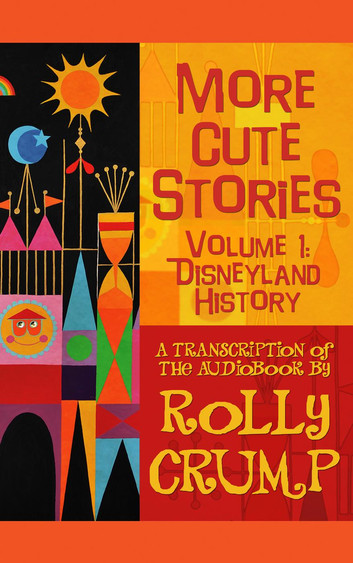
More Cute Stories Vol. 1: Disneyland History
Introduction to Disneyland History Through Rolly Crump’s Eyes
Disneyland History comes alive through Rolly Crump’s delightful personal stories and memories, and this legendary Disney Imagineer shares behind-the-scenes tales from the park’s creation. Moreover, Crump worked directly with Walt Disney on iconic attractions and experiences. Therefore, his perspective offers unique insights into how Disneyland became magical.
“More Cute Stories Vol. 1” presents charming anecdotes from Disneyland’s early years. Furthermore, Crump reveals the creative process behind beloved attractions and locations, and he shares whimsical moments that shaped the park’s development. Consequently, readers discover the human stories behind Disney’s groundbreaking theme park.
Rolly Crump was instrumental in creating Disneyland’s distinctive visual style and atmosphere. Moreover, he designed memorable elements that guests still enjoy today, and his artistic vision helped define what theme parks could become. Therefore, Crump’s stories carry special authority and authenticity throughout.
This collection focuses on the “cute” moments that made Disneyland special. Furthermore, these stories reveal the playfulness and creativity of Disney’s team, and they demonstrate how small details create lasting magic for guests. Therefore, the book celebrates the whimsy that defines Disneyland’s enduring appeal.
Who Was Rolly Crump: Disney Legend
Rolly Crump joined Disney in 1952 as an animator and artist, and he quickly demonstrated exceptional creativity and unique artistic vision. Moreover, Walt Disney recognized Crump’s talent and moved him to special projects. Consequently, Crump became one of the original Disney Imagineers.
His artistic style was distinctive, whimsical, and perfectly suited to theme parks. Furthermore, Crump excelled at creating immersive environments and memorable visual elements, and he understood how to blend storytelling with physical space effectively. Therefore, his contributions significantly shaped Disneyland’s aesthetic identity.
Crump worked on numerous iconic Disneyland attractions during his long career. Moreover, he contributed to the Enchanted Tiki Room, Haunted Mansion, and more, and his designs appeared throughout the park in various forms. Therefore, his influence on Disneyland remains visible and beloved today.
Walt Disney trusted Crump with important creative responsibilities and challenging projects. Furthermore, their working relationship was collaborative and mutually respectful throughout, and Crump absorbed Disney’s philosophy about entertainment and guest experience. Therefore, he became keeper of Disney’s creative vision and values.
Walt Disney’s Revolutionary Vision for Disneyland
Walt Disney envisioned a completely new type of entertainment experience. He wanted to create an immersive environment where families enjoyed adventures together. Moreover, Disney rejected the dirty, unsafe amusement parks of that era. Consequently, Disneyland would be clean, safe, and magical from the beginning.
His vision included themed lands that transported guests to different worlds. Furthermore, each area would tell its own story through architecture, landscaping, and attractions. Every detail would contribute to the overall immersive experience. Therefore, Disneyland pioneered the concept of total environmental storytelling.
Disney insisted on quality and attention to detail in every aspect. Moreover, he personally supervised design decisions and creative choices throughout development. He pushed his team to constantly innovate and exceed expectations. Therefore, Disneyland reflected Disney’s uncompromising standards and creative ambition.
The park would continuously evolve and improve over time, never finished. Furthermore, Disney planned to add new attractions and update existing ones. He wanted Disneyland to remain fresh and exciting for returning guests. Therefore, the park was designed as a living, growing entertainment destination.
Disneyland’s Founding and Early Development
Disneyland opened on July 17, 1955, in Anaheim, California, after intense preparation. The park was built in just one year on former orange groves. Moreover, the construction timeline was incredibly ambitious and challenging for everyone. Consequently, the opening day was chaotic but ultimately successful despite problems.
Walt Disney mortgaged his personal assets to finance the park’s construction. Furthermore, he convinced the ABC television network to invest in exchange for programming. He assembled a team of talented artists, engineers, and designers. Therefore, Disneyland represented enormous financial and creative risk for Disney.
The park’s design incorporated lessons from amusement parks and world’s fairs. Moreover, Disney and his team studied guest flow, capacity, and experience. They innovated new ride technologies and storytelling techniques throughout. Therefore, Disneyland’s advanced theme park design was significantly different from the start.
Early development faced numerous challenges, including budget constraints and tight deadlines. Furthermore, the team worked around the clock to complete attractions. They solved problems creatively with limited resources and time. Therefore, Disneyland’s creation required constant dedication, innovation, and teamwork.
Rolly Crump’s Role as Disney Imagineer
Crump joined WED Enterprises, Disney’s design and development division, in 1959, and he worked on projects ranging from attractions to entire lands. Moreover, his artistic skills made him valuable for concept development and design. Consequently, Crump contributed to many of Disneyland’s most beloved experiences.
His role involved creating visual concepts, sculptures, and environmental designs. Furthermore, he collaborated with engineers, writers, and other artists on projects, and he translated Walt Disney’s ideas into tangible designs and prototypes. Therefore, Crump served as a bridge between vision and reality.
Walt Disney gave Crump significant creative freedom to explore ideas. Moreover, Disney encouraged experimentation and unconventional approaches to problems throughout, and he trusted Crump’s artistic instincts and unique perspective. Therefore, Crump flourished in Disney’s creative environment and culture.
Crump’s work extended beyond Disneyland to other Disney projects worldwide. Furthermore, he contributed to Walt Disney World, Epcot, and international parks, and his influence shaped Disney’s global approach to themed entertainment. Therefore, Crump’s legacy extends throughout the entire Disney Parks empire.
Behind-the-Scenes Stories from Park Creation
Crump shares delightful anecdotes about working directly with Walt Disney, and these stories reveal Disney’s personality, work style, and creative process. Moreover, they demonstrate the collaborative atmosphere of early Imagineering teams. Consequently, readers gain an intimate understanding of how Disneyland was created.
The book includes tales of late-night brainstorming sessions and creative breakthroughs. Furthermore, Crump describes the excitement and pressure of developing new attractions, and he reveals how problems were solved through teamwork and innovation. Therefore, these stories humanize the legendary creative process behind Disneyland.
Many anecdotes focus on the playful, whimsical aspects of park development. Moreover, Crump emphasizes the fun and joy that motivated the team, and he shares moments of laughter and camaraderie during intense work. Therefore, the stories celebrate the positive, creative culture Disney fostered.
Crump also discusses the challenges and setbacks the team faced regularly. Furthermore, he explains how they overcame technical limitations and budget constraints, and he reveals the persistence required to realize ambitious creative visions. Therefore, the stories provide a balanced perspective on Disneyland’s creation.
Cute and Whimsical Tales from Disneyland History
The book’s title emphasizes “cute stories” that capture Disneyland’s charm. And Crump selects anecdotes that highlight whimsy, humor, and heart. Moreover, these tales reveal the park’s personality and spirit. Consequently, readers experience Disneyland through a warm, affectionate storytelling approach.
Many stories focus on small details that guests might never notice. Furthermore, Crump explains the thought and care behind seemingly minor elements. And he demonstrates how these details contribute to the overall magical atmosphere. Therefore, the stories deepen appreciation for Disneyland’s craftsmanship and artistry.
Crump shares amusing incidents from the park’s early operations and development. Moreover, he includes funny mishaps, unexpected problems, and creative solutions. And he reveals the human side of creating and running Disneyland. Therefore, these anecdotes make the park’s history accessible and entertaining.
The “cute” stories often involve interactions with guests and their reactions. Furthermore, Crump describes heartwarming moments when magic truly came alive. And he shares observations about what makes Disneyland special to visitors. Therefore, the book celebrates the emotional connection between the park and guests.
Early Attractions and Their Development
Disneyland initially opened with 18 attractions across 5 themed lands. And each attraction represented innovation in storytelling or technology. Moreover, the opening day lineup included classics like Jungle Cruise and Autopia. Consequently, these early attractions established Disneyland’s reputation for quality entertainment.
Crump provides insider perspectives on how specific attractions were conceived and built. Furthermore, he explains the creative decisions behind beloved experiences. And he reveals the technical challenges overcome during development. Therefore, readers understand the complexity behind seemingly simple attractions.
The Enchanted Tiki Room was a revolutionary audio-animatronics showcase when it opened. Moreover, Crump contributed significantly to its distinctive visual style and atmosphere. And the attraction demonstrated Disney’s technological leadership in the field of themed entertainment. Therefore, the Tiki Room represents an important milestone in Disneyland history.
Many early attractions have been updated or replaced over the decades. Furthermore, Crump discusses how original concepts evolved and changed over time. And he reflects on which changes honored the original vision. Therefore, the book provides historical context for Disneyland’s ongoing evolution.
The Team Behind Disneyland’s Success
Walt Disney assembled an extraordinary team of artists, engineers, and designers, and this group became known as Imagineers, combining imagination with engineering. Moreover, the team included legends like John Hench, Marc Davis, and others. Consequently, Disneyland benefited from an unprecedented concentration of creative talent.
Crump describes the collaborative culture that Walt Disney fostered among the team. Furthermore, he explains how different disciplines worked together on projects and reveals the mutual respect and shared vision that united them. Therefore, Disneyland’s success was driven by effective teamwork and collaboration.
The team included specialists in animation, architecture, engineering, and storytelling. Moreover, each person contributed unique skills and perspectives to projects. Disney encouraged cross-pollination of ideas across different disciplines. Therefore, Imagineering became a truly multidisciplinary creative endeavor from the beginning.
Crump shares personal anecdotes about his colleagues and their contributions. Furthermore, he celebrates the individual talents that made Disneyland possible and acknowledges the unsung heroes who worked behind the scenes. Therefore, the book honors the entire team’s collective achievement.
Disneyland’s Opening Day and Early Years
Opening day on July 17, 1955, was chaotic and problematic, and the park wasn’t finished when guests arrived that morning. Moreover, counterfeit tickets caused overcrowding beyond the planned capacity immediately. Consequently, the day became known as “Black Sunday” among Disney staff.
Despite the problems, guests were enchanted by Disneyland’s magic and innovation. Furthermore, the park’s unique qualities were immediately apparent to visitors, and word of mouth generated enormous enthusiasm and repeat attendance. Therefore, Disneyland quickly became a cultural phenomenon despite a rocky opening.
The early years involved constant refinement and improvement of attractions. Moreover, Disney and his team learned from guest feedback and observations and made adjustments to improve capacity, flow, and experience. Therefore, Disneyland evolved rapidly during its first years of operation.
Crump shares stories from this formative period when everything was new. Furthermore, he describes the excitement of seeing guests experience their creations and reveals how the team responded to unexpected challenges. Therefore, these stories capture the energy and innovation of Disneyland’s beginning.
Memorable Moments from the Park’s Evolution
Disneyland has continuously evolved since opening day in 1955, and major additions have expanded the park’s size and offerings. Moreover, each new attraction or land brought fresh excitement and innovation. Consequently, Disneyland’s history includes numerous milestone moments and achievements.
The addition of the Matterhorn Bobsleds in 1959 was a groundbreaking achievement. Furthermore, it was the world’s first tubular steel roller coaster and demonstrated Disney’s commitment to technological innovation in attractions. Therefore, the Matterhorn represents an important chapter in Disneyland history.
New Orleans Square opened in 1966 as Disneyland’s first major expansion. Moreover, it included the Pirates of the Caribbean, Disney’s most ambitious attraction, and the land demonstrated how Disneyland could grow while maintaining quality. Therefore, New Orleans Square established a template for future expansions.
Crump participated in many of these evolutionary moments throughout his career. Furthermore, he witnessed how Disneyland adapted to changing guest expectations and contributed to attractions that became beloved classics themselves. Therefore, his perspective spans multiple generations of Disneyland development.
Crump’s Unique Perspective on Disney Magic
Rolly Crump understood that Disney magic came from attention to detail and believed every element should contribute to the overall story. Moreover, he emphasized the importance of whimsy and playfulness in design. Consequently, Crump’s work always included charming, unexpected touches throughout.
His artistic philosophy valued creativity over strict realism in themed environments. Furthermore, he believed stylization could enhance storytelling and emotional impact and wasn’t afraid to push boundaries and try unconventional approaches. Therefore, Crump’s designs were distinctive and memorable within Disney’s portfolio.
Crump learned from Walt Disney that guest experience was paramount. Moreover, he understood that technical excellence served storytelling and entertainment goals and believed attractions should engage guests emotionally, not just visually. Therefore, Crump’s work prioritized emotional connection and lasting memories.
His perspective emphasized the collaborative nature of creating Disney magic. Furthermore, he credited his colleagues and the team environment for success and believed the best ideas emerged from open creative dialogue. Therefore, Crump’s stories celebrate collective achievement rather than individual glory.
Iconic Locations and Their Stories
Main Street USA recreates an idealized American small town from the early 1900s. It serves as a welcoming entrance that transitions guests into fantasy. Moreover, Walt Disney partly based it on his childhood memories of his hometown. Consequently, Main Street establishes an emotional connection before guests reach the attractions.
Crump shares stories about designing and refining various iconic park locations. Furthermore, he explains the symbolism and storytelling embedded in each land. He reveals how locations evolved from initial concepts to reality. Therefore, readers gain a deeper appreciation for Disneyland’s environmental storytelling.
Sleeping Beauty Castle serves as the park’s visual centerpiece and symbolic gateway. Moreover, its forced perspective makes it appear larger than it actually is. Every architectural detail reinforces the fairy tale theme and atmosphere. Therefore, the castle demonstrates Disney’s mastery of theatrical design techniques.
Adventureland transports guests to exotic tropical environments and jungle adventures. Furthermore, its dense landscaping and architectural details create an immersive atmosphere from the moment you arrive. Attractions like Jungle Cruise reinforce the land’s adventurous theme. Therefore, Adventureland exemplifies Disneyland’s commitment to total environmental storytelling.
The Creative Process Behind Attractions
Disney attractions begin with story concepts and guest experience goals. Imagineers develop these ideas through sketches, models, and prototypes. Moreover, the process involves constant refinement and collaboration across disciplines. Consequently, attractions evolve significantly from initial concept to final execution.
Crump describes how Walt Disney would review concepts and provide feedback. Furthermore, Disney pushed his team to enhance ideas and exceed expectations. He wasn’t satisfied until the attractions achieved the desired emotional impact. Therefore, the creative process was iterative and demanding throughout.
Technical constraints often required creative problem-solving and innovation during development. Moreover, budget constraints forced Imagineers to find efficient solutions constantly. Safety requirements had to be integrated without compromising storytelling. Therefore, creating attractions required balancing multiple competing priorities simultaneously.
The best attractions emerged when story, technology, and artistry aligned perfectly. Furthermore, successful attractions engaged guests emotionally while delivering entertainment value. They included details that rewarded repeat visits and close observation. Therefore, Crump’s stories reveal the complexity behind Disney magic’s seemingly effortless appeal.
Challenges Overcome During Development
Building Disneyland in one year required overcoming enormous logistical challenges. And the team faced constant pressure from tight deadlines and budgets. Moreover, they had to develop new technologies and techniques rapidly. Consequently, problem-solving and creativity were essential daily requirements for everyone.
Weather and construction delays threatened to derail the opening schedule. Furthermore, suppliers sometimes couldn’t deliver materials on time. And last-minute changes required rapid adjustments to plans and designs. Therefore, flexibility and adaptability were crucial to completing the park.
Technical problems with attractions required innovative solutions under time pressure. Moreover, some ride systems didn’t work as planned initially. And the team had to troubleshoot and fix issues quickly. Therefore, opening day arrived with some attractions still being refined.
Crump shares stories about how the team maintained morale during difficult times. Furthermore, he describes the camaraderie that developed through shared challenges. And he reveals how Walt Disney’s leadership inspired persistence and excellence. Therefore, these stories demonstrate the human determination behind Disneyland’s creation.
Roller Coaster and Ride Innovations
Disneyland pioneered numerous ride technologies that became industry standards. And the Matterhorn introduced tubular steel track construction to roller coasters. Moreover, this innovation allowed for smoother rides and more complex layouts. Consequently, Disneyland significantly influenced roller coaster design worldwide.
The park’s dark rides dramatically elevated storytelling in indoor attractions. Furthermore, attractions like Peter Pan’s Flight used innovative ride systems. And they demonstrated how technology could effectively enhance narrative immersion. Therefore, Disneyland established new benchmarks for themed entertainment experiences.
Audio-animatronics technology revolutionized how attractions could tell stories with characters. Moreover, the Enchanted Tiki Room showcased the technology’s potential early on. And subsequent attractions like Pirates of the Caribbean expanded its applications. Therefore, Disney’s technological innovations became a competitive advantage in its theme parks.
Crump discusses how ride innovations served storytelling goals rather than thrills. Furthermore, he explains that Disney prioritized experience over extreme sensations. And he reveals how technology was seamlessly integrated into the narratives. Therefore, Disneyland’s innovations focused on enhancing magic rather than showcasing technology.
Theming and Immersive Storytelling at Disneyland
Disneyland pioneered the concept of total environmental theming in entertainment. Every element within each land reinforces the overall story and atmosphere. Moreover, architecture, landscaping, music, and details work together harmoniously throughout. Consequently, guests experience complete immersion in different worlds and time periods.
Crump explains how theming extends beyond visual elements to all senses. Furthermore, sounds, smells, and even temperature contribute to immersive environments. Cast member costumes and behaviors reinforce each land’s character. Therefore, Disneyland engages guests on multiple sensory levels simultaneously.
The park uses forced perspective and theatrical techniques to enhance storytelling. Moreover, buildings appear larger or more distant than they actually are. Sightlines are carefully controlled to maintain thematic integrity at all times. Therefore, Disneyland functions as a three-dimensional theater with guests as participants.
Transitions between themed lands are carefully designed to feel natural and gradual. Furthermore, buffer zones prevent jarring shifts between different environments and stories. Each land has a distinct identity while contributing to the overall park experience. Therefore, Disneyland achieves coherent diversity through masterful planning and design.
How Disneyland Changed the Theme Park Industry
Disneyland established entirely new standards for theme park design and operation. It demonstrated that parks could be clean, safe, and family-friendly. Moreover, it proved that quality and attention to detail generated commercial success. Consequently, Disneyland permanently transformed the entire amusement park industry.
The park’s success inspired competitors to improve their own facilities. Furthermore, regional parks began adopting Disney’s emphasis on theming and cleanliness. New parks increasingly incorporated storytelling and immersive environments. Therefore, Disneyland’s influence extended far beyond Disney’s own properties.
Disney’s innovations in ride technology became industry standards over time. Moreover, other parks regularly licensed or copied Disney’s technical achievements. The audio-animatronics technology eventually appeared in parks worldwide. Therefore, Disneyland’s technological leadership shaped theme park development globally.
The concept of themed lands became standard practice in major parks. Furthermore, parks began organizing attractions around coherent stories and environments. They increasingly invested in architectural theming and environmental details. Therefore, Disneyland’s design philosophy became a blueprint for modern theme parks.
Stories of Disney Cast Members
Disneyland’s cast members are essential to creating magical guest experiences. And Walt Disney insisted they be called “cast members,” not employees. Moreover, he believed everyone was performing in the show at Disneyland. Consequently, cast members receive extensive training in Disney culture and values.
Crump shares heartwarming stories about cast members going above and beyond. Furthermore, he describes how their dedication and enthusiasm enhance the park. And he reveals how cast members embody Disney’s commitment to excellence. Therefore, these stories celebrate the people who bring Disneyland to life.
The early cast members were pioneers who helped establish park traditions. Moreover, they developed many of the practices that continue to this day. And they created the culture of service that defines Disney parks. Therefore, the original cast members’ contributions were foundational and lasting.
Crump emphasizes that cast members are crucial to maintaining Disney magic. Furthermore, he explains that technology and design alone cannot create memorable experiences. And he credits cast members with making guests feel welcomed and special. Therefore, the human element remains central to Disneyland’s enduring success.
Small Details That Make Disneyland Special
Disneyland is famous for countless small details that most guests never notice. And these hidden elements reward close observation and repeat visits. Moreover, they demonstrate the care and craftsmanship invested in every aspect. Consequently, discovering these details becomes part of the Disneyland experience.
Crump reveals stories behind specific details he designed or implemented personally. Furthermore, he explains the thought process and intention behind these elements. And he shares his delight when guests discover and appreciate them. Therefore, these stories illuminate the philosophy behind Disney’s attention to detail.
Many details serve practical purposes while also enhancing thematic storytelling. Moreover, trash cans are themed to match their land’s aesthetic. And even utility covers and railings receive decorative treatment throughout. Therefore, functionality and artistry combine seamlessly in Disneyland’s design.
The park includes numerous hidden tributes and inside jokes for observant guests. Furthermore, window displays on Main Street honor Disney legends and contributors. And attraction queues contain details that extend and enrich the stories. Therefore, Disneyland rewards engagement and curiosity with layers of meaning.
Crump’s Philosophy on Storytelling
Rolly Crump believed that effective storytelling required emotional authenticity and sincerity. And he emphasized that audiences respond to genuine feeling over technical perfection. Moreover, he valued whimsy and playfulness as legitimate storytelling tools. Consequently, Crump’s work always included heart alongside artistic skill.
His approach prioritized guest experience and emotional impact over personal expression. Furthermore, he believed designers should serve the story rather than showcase themselves. And he emphasized that ego had no place in collaborative creative work. Therefore, Crump’s philosophy aligned perfectly with Disney’s guest-centered values.
Crump advocated for taking creative risks and trying unconventional approaches. Moreover, he believed innovation required a willingness to fail and learn. And he encouraged younger Imagineers to trust their instincts and experiment. Therefore, his philosophy promoted creative growth and artistic courage.
He understood that storytelling in themed environments differs from other media. Furthermore, guests control their own pace and focus in physical spaces. And designers must account for multiple viewing angles and distances. Therefore, Crump developed techniques specific to environmental storytelling in theme parks.
Connecting with Walt Disney’s Legacy
Walt Disney’s vision and values continue to guide Disneyland’s development and operation. And his emphasis on quality, innovation, and guest experience remains foundational. Moreover, current Imagineers carefully study Disney’s philosophy and creative approach. Consequently, Walt Disney’s influence extends decades beyond his lifetime.
Crump worked directly with Walt Disney and absorbed his creative philosophy. Furthermore, he understood Disney’s priorities and decision-making process intimately. And he carried Disney’s values forward throughout his career. Therefore, Crump serves as a direct link to Walt Disney’s original vision.
The book helps readers understand what made Walt Disney’s approach special. Moreover, Crump explains how Disney balanced creativity with commercial practicality. And he reveals how Disney inspired loyalty and excellence in his team. Therefore, these stories preserve important aspects of Disney’s leadership and legacy.
Crump believes honoring Disney’s legacy means continuing to innovate and improve. Furthermore, he argues that Disney would want the parks to evolve. And he emphasizes that stagnation contradicts Disney’s philosophy of constant progress. Therefore, respecting the legacy requires forward-thinking creativity, not mere preservation.
Impact on Modern Disney Parks
Disneyland established design principles that guide all Disney parks worldwide. And concepts like themed lands and environmental storytelling are universal standards. Moreover, the emphasis on cleanliness and guest service extends globally. Consequently, Disneyland’s influence shapes Disney parks on every continent.
Modern Disney parks build upon innovations pioneered at the original Disneyland. Furthermore, they incorporate new technologies while maintaining core storytelling values. And they adapt Disney’s philosophy to different cultures and contexts. Therefore, Disneyland’s legacy evolves while remaining recognizable and consistent.
Crump’s work influenced Disney parks beyond his direct contributions to specific projects. Moreover, his design philosophy and creative approach inspired subsequent generations of Imagineers. And his emphasis on whimsy and detail continues in contemporary attractions. Therefore, Crump’s impact extends throughout Disney’s global theme park portfolio.
The book provides historical context that helps understand modern Disney park design. Furthermore, it reveals how current practices evolved from original Disneyland innovations. And it demonstrates continuity between past and present Disney creativity. Therefore, understanding Disneyland History enriches appreciation of contemporary Disney parks.
Why These Stories Matter to Disney Fans
Disney fans treasure behind-the-scenes stories that reveal how magic is created. And Crump’s firsthand accounts provide an authentic insider perspective on Disneyland’s development. Moreover, these stories satisfy curiosity about the creative process and decision-making. Consequently, the book offers valuable content for dedicated Disney enthusiasts.
The “cute stories” format makes Disneyland History accessible and entertaining for everyone. Furthermore, the anecdotes are engaging without requiring extensive Disney knowledge. And they capture the joy and wonder that make Disneyland special. Therefore, the book appeals to casual fans and hardcore enthusiasts alike.
Crump’s stories preserve important history that might otherwise be lost forever. Moreover, firsthand accounts from Disney legends become increasingly rare and valuable. And these stories document the human side of Disneyland’s creation. Therefore, the book serves important archival and educational purposes.
The stories inspire readers by demonstrating what creativity and dedication can achieve. Furthermore, they reveal that Disney magic results from hard work and collaboration. And they show how ordinary people created something extraordinary together. Therefore, the book offers inspiration alongside entertainment and information.
The Magical Atmosphere Crump Helped Create
Rolly Crump’s artistic contributions significantly shaped Disneyland’s distinctive visual character. His whimsical style added playfulness and charm throughout the park. Moreover, his designs encouraged guests to look closely and discover delightful details. Consequently, Crump’s work enhanced the magical atmosphere that defines Disneyland.
His approach emphasized creating environments that sparked imagination and wonder. Furthermore, he believed theme parks should transport guests to fantastical worlds. He designed elements that felt magical rather than merely decorative. Therefore, Crump’s work contributed to Disneyland’s ability to enchant visitors.
The Enchanted Tiki Room exemplifies Crump’s contribution to Disneyland’s magical atmosphere. Moreover, his distinctive tiki designs created an exotic, immersive environment for the show. His attention to detail made the space feel authentically magical. Therefore, the Tiki Room demonstrates Crump’s skill at environmental storytelling.
Crump’s legacy includes inspiring subsequent Imagineers to maintain high creative standards. Furthermore, his work demonstrated that artistry and whimsy have lasting value. His designs continue delighting guests decades after their creation. Therefore, Crump’s contribution to Disneyland’s magic endures and inspires.
Key Stories Featured in the Book
The book includes numerous memorable anecdotes from Crump’s Disney career:
- Working directly with Walt Disney on attraction concepts and designs
- Creating the Enchanted Tiki Room’s distinctive visual style and atmosphere
- Developing concepts for the Haunted Mansion and its iconic elements
- Designing elements for It’s a Small World and other attractions
- Solving creative problems with innovative and unconventional solutions
- Collaborating with legendary Imagineers like Marc Davis and John Hench
- Witnessing guest reactions to new attractions and experiences
- Overcoming technical challenges during attraction development and installation
- Contributing to Disney parks worldwide beyond the original Disneyland
- Learning Walt Disney’s creative philosophy through direct mentorship
These stories provide intimate glimpses into Disneyland’s creation and evolution. Moreover, they reveal the personalities and relationships behind the magic. They document important moments in theme park history. Therefore, the book preserves valuable firsthand accounts from a Disney legend.
Future of Disneyland According to Crump
Crump believed Disneyland should continue evolving while honoring its heritage. And he advocated for innovation that respects the park’s original spirit. Moreover, he emphasized that Walt Disney intended Disneyland to grow and change. Consequently, Crump supported thoughtful updates and additions to the park.
He argued that new attractions should maintain Disney’s quality standards and values. Furthermore, he believed technology should enhance storytelling rather than replace it. And he emphasized that guest experience must remain the primary priority. Therefore, Crump’s vision for Disneyland’s future balanced tradition with progress.
Crump encouraged younger Imagineers to bring fresh perspectives and ideas. Moreover, he believed each generation should contribute to Disneyland’s ongoing story. And he trusted that Disney’s creative culture would guide future development. Therefore, he remained optimistic about Disneyland’s continued success and relevance.
He hoped that Disneyland would continue inspiring wonder and joy for generations. Furthermore, he wanted the park to remain a place where families create memories. And he believed Disneyland’s magic could endure if core values were maintained. Therefore, Crump’s vision emphasized continuity of purpose amid inevitable change.
Disneyland History Preserved Through Personal Stories
Rolly Crump’s personal anecdotes provide irreplaceable historical documentation of Disneyland’s creation. And his firsthand accounts capture details that official histories might miss. Moreover, his stories reveal the human dimension of theme park development. Consequently, the book contributes significantly to preserving authentic Disneyland history.
The “cute stories” approach makes history engaging and accessible to general audiences. Furthermore, the anecdotal format brings historical events to life through the personalities of the participants. And the focus on whimsy and charm reflects Disneyland’s own character. Therefore, the book’s style matches its subject matter perfectly.
Crump’s perspective as a working artist provides unique insights into the creative process. Moreover, his stories explain how artistic vision translates into physical reality. And they reveal the collaboration required to create themed environments. Therefore, the book offers valuable lessons about creativity and teamwork.
These stories ensure that future generations understand Disneyland’s origins and values. Furthermore, they preserve the voices and experiences of Disney’s pioneering team. And they document the passion and dedication that built Disneyland. Therefore, “More Cute Stories Vol. 1” serves important historical and cultural purposes.
The Importance of Whimsy in Theme Park Design
Rolly Crump championed whimsy as an essential element of successful theme park design. And he believed playfulness made attractions more memorable and enjoyable. Moreover, he argued that whimsy encouraged guests to engage imaginatively with environments. Consequently, Crump’s work consistently included charming, unexpected touches throughout.
Whimsical design elements create emotional connections that transcend mere entertainment value. Furthermore, they invite guests to see the world through a child’s eyes. And they provide relief from the seriousness of everyday life. Therefore, whimsy serves important psychological and emotional functions in theme parks.
Crump’s whimsical style significantly influenced Disneyland’s overall aesthetic and atmosphere. Moreover, his designs demonstrated that sophistication and playfulness could coexist successfully. And his work proved that whimsy appealed to adults and children alike. Therefore, Crump’s approach validated whimsy as a legitimate design philosophy.
The book’s emphasis on “cute stories” reflects Crump’s belief in the importance of whimsy. Furthermore, these anecdotes celebrate the playful spirit that makes Disneyland special. And they demonstrate how whimsy enhances storytelling and guest experience. Therefore, the book itself embodies the values it describes.
Learning from Disney’s Creative Culture
Walt Disney created a unique creative culture that fostered innovation and excellence. And he assembled a diverse team of talented individuals with complementary skills. Moreover, he encouraged collaboration and cross-disciplinary thinking throughout projects. Consequently, Disney’s creative culture became a competitive advantage and lasting legacy.
Crump’s stories reveal how this culture functioned in practice during Disneyland’s development. Furthermore, they show how Disney balanced creative freedom with accountability. And they demonstrate how the team maintained quality under intense pressure. Therefore, the book offers lessons applicable beyond theme park design.
The collaborative environment allowed individuals to fully contribute their unique talents. Moreover, Disney valued different perspectives and encouraged healthy creative debate. And he created an atmosphere where taking risks was acceptable and encouraged. Therefore, innovation consistently flourished within Disney’s creative culture.
Crump emphasizes that ego and territoriality had no place in Disney’s organization. Furthermore, he explains that everyone focused on serving the project and guests. And he describes how this shared purpose united the team. Therefore, Disney’s creative culture prioritized collective success over individual recognition.
Conclusion: Celebrating Disneyland’s Enduring Magic
“More Cute Stories Vol. 1: Disneyland History” preserves important stories from Disney legend Rolly Crump’s firsthand accounts, providing authentic insights into the park’s creation. Moreover, his whimsical perspective captures the spirit that makes Disneyland special. Therefore, the book offers a valuable contribution to understanding Disneyland’s history.
The stories reveal that Disneyland’s magic results from dedication, creativity, and collaboration. Furthermore, they demonstrate how attention to detail creates lasting emotional impact. And they show that theme park design requires both artistry and engineering. Therefore, the book deepens appreciation for Disneyland’s complexity and achievement.
Crump’s emphasis on “cute” moments celebrates the joy and wonder of Disneyland. Moreover, these stories remind readers why the park remains beloved worldwide. And they preserve the human stories behind the iconic attractions and locations. Therefore, the book honors both the place and the people who created it.
Disneyland continues to enchant guests because it embodies values that transcend time and trends. Furthermore, the park’s commitment to quality, innovation, and guest experience remains constant. And each generation of Imagineers builds upon the foundation established by pioneers like Crump. Therefore, Disneyland’s history continues to be written while honoring its remarkable past.




Reviews
There are no reviews yet