

Description
Discover the Power of Rural Life Through Art
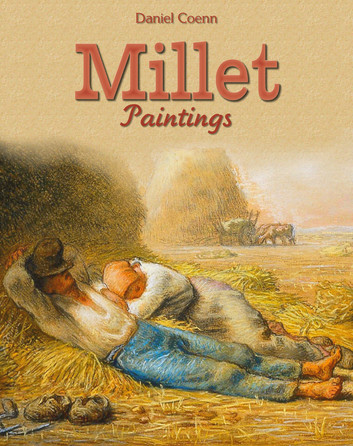
Millet Paintings brings the masterworks of Jean-François Millet directly to your digital device. This portable collection showcases the French Realist painter who revolutionized how artists depicted peasant life. Moreover, it offers convenient access to paintings that changed art history forever. The collection celebrates an artist who found profound beauty in rural labor and working people.
Understanding Millet Paintings and Their Historical Significance
Jean-François Millet created some of the nineteenth century’s most powerful and moving artworks. He painted peasants, farmers, and laborers with unprecedented dignity and respect. Furthermore, his works challenged the aristocratic subjects that dominated academic painting at the time. His art spoke to universal human experiences of work, struggle, and perseverance.
Millet lived from 1814 to 1875 and became a founding member of the Barbizon School. This artistic movement rejected studio conventions and embraced direct observation of nature. Additionally, these artists worked in the French countryside near the village of Barbizon. Therefore, they developed intimate knowledge of rural life and agricultural rhythms.
His paintings captured the harsh realities of peasant existence without sentimentality or condescension. He showed the physical demands of farm work and the exhaustion it brought. Nevertheless, he also revealed the nobility and spiritual depth of working people. Thus, his art balanced realism with profound human sympathy and understanding.
The Revolutionary Approach of Millet Paintings
Before Millet, academic painting focused primarily on mythological, historical, and aristocratic subjects. Peasants appeared only as minor background figures or comic relief in traditional artworks. However, Millet placed working people at the center of monumental compositions. This radical choice shocked conservative critics and inspired progressive artists worldwide.
He painted agricultural laborers with the same seriousness previously reserved for kings and saints. His compositions used classical structures and careful attention to form and light. Moreover, he invested everyday activities with symbolic and spiritual significance. Hence, simple acts like gleaning wheat or saying evening prayers became profound meditations.
Critics initially attacked his work as socialist propaganda or crude peasant glorification. They felt uncomfortable seeing working-class subjects treated with such artistic dignity. Furthermore, they worried his paintings might inspire social unrest or class consciousness. Nevertheless, Millet insisted he simply painted what he knew and respected from his own rural upbringing.
Iconic Masterpieces in Millet Paintings Collections
Several of Millet’s works achieved iconic status and influenced generations of later artists. These paintings demonstrate his technical mastery and deep emotional connection to his subjects. Additionally, they reveal his ability to transform ordinary moments into timeless artistic statements. Therefore, understanding these key works helps appreciate his entire artistic achievement.
Three paintings particularly exemplify Millet’s genius and revolutionary approach:
- The Gleaners (1857) – Three peasant women gathering leftover grain after harvest, showing backbreaking labor with monumental dignity
- The Angelus (1859) – A farming couple pausing at sunset to pray, capturing spiritual devotion amid daily toil
- The Sower (1850) – A lone farmer scattering seed with powerful, almost heroic gestures against a dramatic sky
These works became some of the most reproduced and recognized images in art history. They appeared on everything from postcards to political posters across multiple continents. Moreover, they inspired countless artists to find beauty and meaning in everyday working life. Thus, their influence extended far beyond the art world into popular culture.
The Artistic Techniques Behind Millet Paintings
Millet developed distinctive technical approaches that enhanced his paintings’ emotional and symbolic power. He used earthy color palettes dominated by browns, ochres, and muted greens. Furthermore, these colors reflected the actual tones of soil, crops, and peasant clothing. His palette choices reinforced the connection between people and the land they worked.
His brushwork combined careful observation with expressive, sometimes rough application of paint. He built up surfaces with visible strokes that suggested texture and physical labor. Additionally, he used light dramatically to create mood and focus attention on key elements. Therefore, his technical choices always served his deeper artistic and humanistic purposes.
Millet composed his paintings with classical balance and monumental simplicity. He often silhouetted figures against skies or simplified backgrounds for maximum impact. Moreover, he used geometric structures underlying seemingly casual arrangements of figures and objects. Hence, his works achieved timeless quality despite depicting specific contemporary rural scenes.
Millet’s Influence on Later Artists and Movements
Vincent van Gogh particularly admired Millet and copied many of his compositions while learning to paint. He saw Millet as a spiritual predecessor who understood peasant life’s dignity and hardship. Furthermore, Van Gogh’s own paintings of workers and peasants directly descended from Millet’s example. Thus, Millet’s influence shaped one of art history’s most beloved and revolutionary artists.
The Realist and Naturalist movements of the late nineteenth century built on Millet’s foundations. Artists across Europe and America embraced his focus on contemporary life and working people. Additionally, Social Realist movements of the twentieth century claimed him as an important predecessor. Therefore, his artistic legacy extended across multiple generations and political contexts.
Even artists who rejected realism acknowledged Millet’s powerful compositions and emotional depth. His ability to invest simple subjects with universal meaning influenced diverse artistic approaches. Moreover, his technical innovations in color, light, and brushwork inspired experimentation across styles. Hence, his impact transcended any single movement or ideology in art history.
The Barbizon School and Rural Artistic Communities
Millet became central to the Barbizon School, a group of artists working near Fontainebleau Forest. These painters rejected Parisian studio conventions and worked directly from nature in rural settings. Furthermore, they developed new approaches to landscape painting and rural subject matter. Their work laid groundwork for Impressionism and modern art’s development.
The Barbizon artists lived among the peasants and farmers they depicted in their paintings. This immersion gave their work authenticity and depth that studio-based artists couldn’t achieve. Additionally, they observed seasonal changes, weather effects, and agricultural rhythms firsthand throughout years. Therefore, their paintings captured genuine understanding rather than romantic fantasy about rural life.
Millet’s farmhouse in Barbizon became a gathering place for artists, writers, and intellectuals. Visitors came to discuss art, politics, and social issues in the countryside’s peaceful setting. Moreover, this community supported artistic experimentation and challenged academic orthodoxy together. Thus, Barbizon represented both a place and an artistic philosophy that transformed European art.
The Social and Political Context of Millet Paintings
Millet created his most important works during decades of tremendous social and political upheaval. The 1848 revolutions swept across Europe, challenging monarchies and demanding democratic reforms. Furthermore, industrialization was transforming traditional agricultural societies and displacing rural populations. His paintings emerged from and spoke to these profound historical changes.
Some viewers interpreted his dignified peasant portraits as political statements supporting working-class rights. Others saw them as nostalgic celebrations of traditional rural life threatened by modernization. However, Millet himself insisted he painted from personal experience rather than political ideology. Nevertheless, his works inevitably carried social meanings in their revolutionary historical context.
The debate over his paintings’ political significance continued long after his death. Socialist and communist movements adopted his images as symbols of working-class dignity and struggle. Meanwhile, conservative groups claimed him as celebrating traditional values and social stability. Additionally, his works appeared in propaganda from across the political spectrum. Therefore, his artistic legacy became entangled with competing political interpretations and appropriations.
Millet’s Early Life and Artistic Development
Jean-François Millet was born in 1814 in Gruchy, a small Norman village near Cherbourg. He grew up working on his family’s farm and knew agricultural labor intimately from childhood. Moreover, his peasant background profoundly shaped his artistic vision and subject matter throughout his career. Thus, he painted rural life from insider knowledge rather than external observation.
His artistic talent emerged early, and local patrons supported his training in Cherbourg and Paris. He studied with academic painters and learned traditional techniques and classical composition. Furthermore, he initially painted portraits and mythological subjects to earn money and gain recognition. However, he gradually shifted focus to the rural subjects that truly interested him.
The 1848 revolution and subsequent political turmoil prompted his permanent move to Barbizon in 1849. He sought escape from Parisian chaos and return to countryside similar to his childhood home. Additionally, financial pressures and family responsibilities made rural living more affordable than Paris. Therefore, practical and artistic motivations combined to shape his most productive and influential period.
The Spiritual Dimension in Millet Paintings
Millet infused his rural scenes with profound spiritual and religious significance without overt preaching. His peasants often pause in prayer or contemplation amid their daily labor and struggles. Furthermore, he suggested that physical work itself possessed spiritual dignity and transcendent meaning. Hence, his paintings elevated ordinary activities to the level of religious devotion.
The Angelus particularly exemplifies this spiritual dimension in Millet Paintings collections. The farming couple stops work at sunset to pray when church bells ring the Angelus. Moreover, their bowed heads and clasped hands create a composition of reverent simplicity and power. The painting suggests that authentic spirituality exists in humble daily life rather than grand churches.
He drew on his own Catholic upbringing and deep religious feeling throughout his work. However, he expressed faith through depicting human dignity and connection to nature rather than conventional religious imagery. Additionally, he found sacred meaning in the cycles of planting, growth, harvest, and rest. Therefore, his art offered a spirituality grounded in earth, work, and human community.
Technical Innovation and Artistic Experimentation
Despite his traditional subject matter, Millet constantly experimented with technique and artistic approaches. He worked in various media including oil painting, pastel, drawing, and printmaking throughout his career. Furthermore, he explored different compositional strategies and ways of capturing light and atmosphere. Thus, his art combined respect for tradition with ongoing innovation and development.
His later works showed increasingly loose brushwork and atmospheric effects anticipating Impressionist techniques. He became more interested in capturing fleeting light effects and seasonal moods in landscapes. Moreover, he experimented with more vibrant colors and broken brushstrokes in some paintings. Hence, his artistic evolution continued until his death rather than settling into fixed formulas.
Millet also created numerous preparatory drawings and studies for his major paintings. These works reveal his careful planning and multiple approaches to composition and figure placement. Additionally, many drawings possess independent artistic merit and demonstrate his mastery of line and form. Therefore, comprehensive collections of his work include both finished paintings and preparatory studies.
Why Millet Paintings Matter Today
Millet’s art remains powerfully relevant in our contemporary world of economic inequality and labor struggles. His dignified portrayals of working people speak to ongoing debates about class, dignity, and social justice. Furthermore, his paintings remind us of agriculture’s fundamental importance to human survival and civilization. Thus, his nineteenth-century works address issues still urgent in the twenty-first century.
His technical achievements and compositional innovations continue influencing artists across diverse styles and approaches. Art students study his use of light, color, and form in creating emotionally powerful images. Moreover, his ability to invest simple subjects with universal meaning provides enduring lessons for artists. Hence, his work remains central to art education and artistic practice worldwide.
The environmental movement has found new relevance in Millet’s celebration of agricultural life and connection to land. His paintings show sustainable farming practices and intimate knowledge of natural cycles now threatened by industrialization. Additionally, they remind viewers of the physical labor behind food production often invisible in modern society. Therefore, his art speaks to contemporary concerns about sustainability, food systems, and environmental stewardship.
The Convenience of Digital Art Collections
Millet Paintings in the My Pocket Gallery series offers unprecedented access to this master’s works. Traditional art books are heavy, expensive, and difficult to carry while traveling or studying. However, digital collections provide instant access to high-quality images on phones, tablets, and computers. Moreover, users can zoom in to examine details impossible to see in printed reproductions.
Digital formats allow art lovers to study paintings anywhere without visiting distant museums or libraries. Students can reference specific works while writing papers or preparing presentations with immediate convenience. Furthermore, the portable format encourages spontaneous viewing and repeated engagement with artworks over time. Thus, technology democratizes access to cultural treasures previously available only to a privileged few.
The collection preserves Millet’s legacy for future generations in durable, easily shareable digital formats. Physical books deteriorate, but digital files can be copied and preserved indefinitely without quality loss. Additionally, digital collections can be updated with new scholarship, higher-resolution images, and supplementary materials. Therefore, this format serves both immediate convenience and long-term cultural preservation goals.
For Students, Scholars, and Art Enthusiasts
This collection serves diverse audiences interested in art history, social history, and visual culture. Students gain convenient reference material for courses in nineteenth-century art, Realism, and French painting. Moreover, scholars appreciate having comprehensive image collections for research and teaching without expensive museum visits. The accessible format supports both casual appreciation and serious academic study effectively.
Art enthusiasts discover or rediscover a master whose works reward repeated viewing and contemplation. Millet’s paintings reveal new details and meanings with each encounter and changing life experiences. Furthermore, the collection allows building personal relationships with specific works through frequent, convenient access. Hence, it supports the kind of sustained engagement that deepens artistic understanding and appreciation.
Teachers and educators find the portable format ideal for classroom presentations and student assignments. Digital images project clearly for group viewing and discussion of composition, technique, and meaning. Additionally, students can access the same images for homework and independent study outside class. Therefore, the collection enhances art education at all levels from introductory surveys to advanced seminars.
Building Your Understanding of Realist Art
Millet’s work provides an ideal entry point for understanding Realism and nineteenth-century art movements. His clear compositions and accessible subject matter make his paintings immediately engaging for viewers. Moreover, his technical mastery demonstrates the highest achievements of academic training applied to revolutionary subjects. Thus, studying his work builds appreciation for both traditional skills and innovative vision.
The collection allows comparing different periods and approaches within Millet’s career development over decades. Early works show academic influence while later paintings reveal increasing freedom and experimentation. Furthermore, viewers can trace how his style evolved while his commitment to rural subjects remained constant. Hence, the collection illustrates artistic growth and development within a coherent vision.
Understanding Millet enriches appreciation of artists he influenced including Van Gogh, Pissarro, and later Realists. His compositional strategies and subject matter choices established patterns that subsequent artists adapted and transformed. Additionally, recognizing his influence helps viewers understand connections between seemingly different artistic movements and periods. Therefore, studying his work illuminates broader patterns in modern art’s development and evolution.
Conclusion: The Enduring Power of Millet Paintings
Jean-François Millet created art that transcends its specific historical moment to speak across generations and cultures. His paintings celebrate human dignity, the value of labor, and our fundamental connection to land. Moreover, they demonstrate how great art can find profound beauty and meaning in ordinary life. Millet Paintings in this convenient digital collection ensures his legacy remains accessible to contemporary audiences.
His revolutionary decision to paint peasants with monumental dignity changed art history’s course forever. He proved that working people deserved the same artistic attention previously reserved for aristocrats and mythological heroes. Furthermore, he showed that everyday activities possessed spiritual depth and universal human significance. Thus, his artistic choices carried both aesthetic and ethical dimensions that continue resonating today.
The My Pocket Gallery series makes experiencing his masterworks easier than ever before in history. Art lovers can carry dozens of his paintings in their pockets and view them anywhere, anytime. Additionally, the digital format allows sharing discoveries with friends and family instantly across any distance. Therefore, technology serves Millet’s democratic vision by making great art accessible to everyone.
This essential collection belongs in every art lover’s digital library alongside the old masters and modern innovators. It offers both immediate visual pleasure and opportunities for deeper study and understanding over time. Moreover, it preserves and celebrates an artist whose humane vision and technical mastery established new possibilities for painting. Hence, Millet Paintings provides lasting value for anyone interested in art, history, or the human condition.







Reviews
There are no reviews yet