

Description
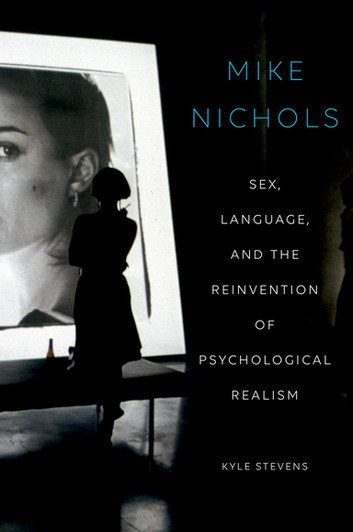
Mike Nichols: Sex, Language, and the Reinvention of Psychological Realism
Mike Nichols revolutionized American cinema and theater through his innovative approach to storytelling. Kyle Stevens examines how Nichols transformed psychological realism in his groundbreaking book. Furthermore, this scholarly work explores the director’s unique methods and lasting cultural impact. The book reveals how Nichols used sex and language to create deeper character studies.
Mike Nichols and His Revolutionary Approach
Nichols brought a fresh perspective to filmmaking during the 1960s and 1970s. Moreover, he challenged traditional Hollywood conventions with bold creative choices. His films explored human relationships with unprecedented honesty and complexity. Additionally, Nichols understood how dialogue could reveal hidden psychological truths about his characters.
Stevens argues that Nichols created a new form of psychological realism. This approach combined theatrical techniques with cinematic innovation. Therefore, audiences experienced characters in more intimate and revealing ways. Nichols made viewers feel like they were eavesdropping on private moments.
Key Themes Explored in the Book
Kyle Stevens analyzes several important aspects of Nichols’ work:
- The role of sexual tension in character development
- How language reveals psychological depth and motivation
- Nichols’ unique directing style with actors
- The influence of his comedy background on dramatic work
- His collaboration with screenwriters and cinematographers
Sex and Language as Storytelling Tools
Mike Nichols understood that sex and language were inseparable in human relationships. Consequently, he used both elements to create authentic character interactions. His films featured frank discussions about desire, power, and vulnerability. Furthermore, Nichols allowed silence to speak as loudly as words.
Stevens demonstrates how Nichols’ approach differed from his contemporaries. Instead of relying on action sequences, Nichols focused on conversation and subtext. His characters revealed themselves through what they said and what they didn’t. Additionally, physical intimacy in his films always served the story’s emotional truth.
The Legacy of Psychological Realism
This book shows how Nichols influenced generations of filmmakers and theater directors. His techniques became foundational to modern psychological realism in cinema. Moreover, Stevens connects Nichols’ work to broader cultural shifts in American society. The director captured changing attitudes about relationships, gender, and power dynamics.
Nichols’ films remain relevant because they explore timeless human experiences. Therefore, contemporary audiences still connect with his characters’ struggles and desires. Stevens’ analysis helps readers understand why Nichols’ work endures and continues inspiring artists today.
Why This Book Matters
Kyle Stevens provides essential insights into one of America’s greatest directors. His scholarly approach makes complex ideas accessible to general readers. Furthermore, the book serves as both a critical analysis and an appreciation of Nichols’s genius. Anyone interested in film history, directing, or American culture will find this work invaluable.






Reviews
There are no reviews yet.