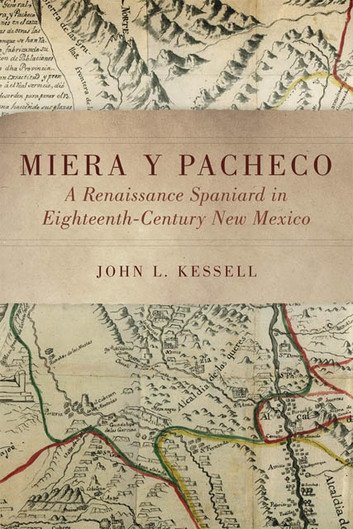
Description
Miera y Pacheco: A Comprehensive Synopsis of John L. Kessell’s Award-Winning Biography
Introduction to Miera y Pacheco’s Remarkable Story
Miera y Pacheco stands as one of colonial New Mexico’s most fascinating figures. John L. Kessell’s biography brings this Renaissance man to life. The book explores his extraordinary journey from Spain to the New World. Moreover, it reveals how one man mastered multiple professions in eighteenth-century America.
Who Was Miera y Pacheco?
Don Bernardo de Miera y Pacheco lived from 1713 to 1785. He was born in Cantabria, northern Spain. Furthermore, he became a distinguished citizen in colonial New Mexico. His life spanned an era of Spanish expansion and cultural development.
Miera y Pacheco arrived in New Mexico seeking opportunity. He married a young descendant of early settlers. Additionally, he quickly established himself in colonial society. His ambition and skills set him apart from his contemporaries.
The Many Careers of a Renaissance Man
Miera y Pacheco mastered an impressive array of professions. Consequently, he became indispensable to the Spanish colony. His diverse skills included:
- Cartographer and mapmaker
- Religious artist and painter
- Military engineer
- Militia captain
- Merchant and trader
- Metallurgist
- Silver miner
- Dam builder
- Rancher and landowner
Each profession required specialized knowledge and expertise. However, Miera y Pacheco excelled in all of them. Therefore, colonial authorities relied heavily on his talents. His versatility proved essential to New Mexico’s development.
Miera y Pacheco’s Cartographic Contributions
Mapping the Spanish frontier was crucial work. Miera y Pacheco created detailed maps of unexplored territories. Moreover, his cartographic skills aided Spanish exploration efforts. His maps provided valuable geographic information for future expeditions.
The Spanish crown valued accurate territorial maps. Thus, Miera y Pacheco’s work gained official recognition. His maps documented rivers, mountains, and Native American settlements. Furthermore, they helped establish Spanish territorial claims.
Artistic Legacy in Colonial New Mexico
Religious art flourished under Spanish colonial rule. Miera y Pacheco created beautiful devotional paintings and sculptures. Additionally, he decorated churches throughout New Mexico. His artistic style blended European techniques with local influences.
Colonial churches needed skilled artisans for decoration. Therefore, Miera y Pacheco filled this important role. His religious artwork inspired faith among settlers and converts. Moreover, many of his pieces survive in museums today.
Engineering and Military Service
The Spanish colony required defensive fortifications and infrastructure. Miera y Pacheco designed dams, irrigation systems, and military structures. Furthermore, he served as a militia captain. His engineering knowledge protected settlements from raids and drought.
Water management was critical in arid New Mexico. Consequently, his dam-building expertise proved invaluable. He understood hydraulics and construction techniques. Additionally, his military experience helped defend against hostile forces.
Mining and Metallurgy Expertise
Silver mining offered potential wealth in colonial America. Miera y Pacheco possessed advanced metallurgical knowledge. Moreover, he operated his own mining ventures. His technical skills helped extract precious metals efficiently.
The Spanish economy depended heavily on silver production. Thus, skilled metallurgists were highly valued. Miera y Pacheco understood ore processing and refining techniques. Furthermore, he shared his knowledge with other colonists.
Life as a Merchant and Rancher
Trade connected New Mexico to broader Spanish territories. Miera y Pacheco engaged in commercial activities throughout the region. Additionally, he owned substantial ranch lands. His business acumen complemented his technical skills.
Ranching provided essential resources for colonial communities. Therefore, successful ranchers gained social prominence. Miera y Pacheco raised livestock and cultivated crops. Moreover, his ranch supplied local markets with food.
Colonial New Mexico Society
Eighteenth-century New Mexico was a frontier society. Spanish settlers lived alongside Native American populations. Furthermore, the colony faced constant challenges. Distance from Mexico City created unique cultural dynamics.
Social hierarchy defined colonial relationships and opportunities. However, talented individuals could rise through merit. Miera y Pacheco exemplified this social mobility. Additionally, his marriages connected him to established families.
John L. Kessell’s Research and Writing
Author John L. Kessell is a distinguished historian. He specializes in Spanish colonial history. Moreover, his research draws from extensive archival sources. The biography represents years of meticulous scholarship.
Kessell consulted Spanish and Mexican archives for primary documents. Furthermore, he examined church records and official correspondence. His thorough research reconstructs Miera y Pacheco’s life in vivid detail. Additionally, the book contextualizes individual experiences within broader historical trends.
The Weber-Clements Book Prize Recognition
The Western History Association awarded this biography its prestigious prize. This recognition confirms the book’s scholarly excellence. Moreover, it highlights the work’s contribution to Western American history. The prize validates Kessell’s research methodology and narrative approach.
Award-winning histories meet rigorous academic standards. Therefore, this recognition assures readers of quality scholarship. The book advances understanding of colonial Spanish America. Furthermore, it illuminates an understudied historical period.
What Readers Learn from This Biography
The book reveals how one man navigated colonial society. Readers discover the complexity of frontier life. Additionally, they learn about Spanish colonial administration. The biography demonstrates how individuals shaped historical events.
Miera y Pacheco’s story illustrates cultural exchange and adaptation. Moreover, it shows how European knowledge transferred to America. The book explores relationships between Spanish settlers and Native peoples. Furthermore, it examines economic opportunities in colonial territories.
Understanding Eighteenth-Century New Mexico
Colonial New Mexico existed far from Spanish power centers. Consequently, settlers developed distinctive cultural practices. The region blended Spanish, Native American, and mestizo influences. Moreover, geographic isolation fostered unique social arrangements.
Daily life involved constant adaptation to challenging conditions. Therefore, versatile individuals like Miera y Pacheco thrived. The colony required self-sufficiency and practical skills. Additionally, cooperation between different groups ensured survival.
The Renaissance Man Concept in Colonial Context
European Renaissance ideals emphasized broad learning and multiple talents. Miera y Pacheco embodied these principles in a frontier setting. Furthermore, his diverse abilities served practical colonial needs. The biography explores how Renaissance culture manifested in America.
Colonial circumstances demanded versatility from settlers. Thus, individuals who mastered multiple skills gained prominence. Miera y Pacheco’s education prepared him for frontier challenges. Moreover, his adaptability ensured his success across various fields.
Primary Sources and Historical Evidence
Kessell bases his narrative on extensive documentary evidence. Church records document Miera y Pacheco’s marriages and family. Additionally, military records detail his service and expeditions. Official correspondence reveals his interactions with colonial authorities.
Maps created by Miera y Pacheco survive in archives. Therefore, researchers can study his cartographic techniques. His artwork remains in churches and museums. Furthermore, land records document his property holdings and transactions.
Cultural Exchange and Adaptation
Spanish colonists encountered diverse Native American cultures. Miera y Pacheco navigated these complex relationships throughout his career. Moreover, he learned from indigenous knowledge and practices. The biography examines cultural borrowing and synthesis.
Successful colonists adapted European methods to local conditions. Therefore, they incorporated Native American techniques when practical. Miera y Pacheco’s work reflects this cultural blending. Additionally, his maps documented indigenous place names and settlements.
Economic Opportunities in Colonial New Mexico
The Spanish colony offered ambitious individuals various paths to prosperity. Mining, ranching, and trade provided economic opportunities. Furthermore, skilled professionals found ready employment. Miera y Pacheco pursued multiple income sources simultaneously.
Colonial economies operated differently from European systems. Thus, flexibility and entrepreneurship proved essential. Barter and credit arrangements supplemented cash transactions. Moreover, personal relationships facilitated business dealings.
Religious Life and Artistic Expression
Catholicism unified Spanish colonial society and culture. Churches served as community centers and artistic showcases. Additionally, religious festivals marked the colonial calendar. Miera y Pacheco’s artwork enhanced worship and devotion.
Colonial religious art served educational and inspirational purposes. Therefore, artists held respected positions in society. Sacred images helped convert Native Americans to Christianity. Furthermore, beautiful churches demonstrated Spanish cultural sophistication.
Military Challenges and Frontier Defense
Colonial New Mexico faced threats from various Native American groups. Spanish authorities organized militia forces for defense. Moreover, they built fortifications at strategic locations. Miera y Pacheco contributed his engineering expertise to these efforts.
Frontier warfare required different tactics than European conflicts. Thus, Spanish forces adapted their military strategies. Militia captains like Miera y Pacheco led local defense efforts. Additionally, they participated in punitive expeditions against raiders.
Family Life and Social Connections
Marriage connected individuals to established colonial families. Miera y Pacheco’s marriage brought social advantages and local knowledge. Furthermore, family networks facilitated business and political opportunities. Colonial society valued kinship ties highly.
Families formed the foundation of colonial social structure. Therefore, marriage choices carried significant consequences. Miera y Pacheco’s descendants continued his legacy in New Mexico. Moreover, his family connections enhanced his influence.
Legacy and Historical Significance
Miera y Pacheco left lasting contributions to New Mexico’s development. His maps documented previously unknown territories. Additionally, his artwork enriches the region’s cultural heritage. The biography ensures his achievements receive proper recognition.
Historical figures like Miera y Pacheco shaped colonial America’s trajectory. Therefore, studying their lives illuminates broader historical processes. His story demonstrates individual agency within larger historical forces. Furthermore, it reveals the human dimension of colonization.
Why This Book Matters Today
Kessell’s biography recovers an important but overlooked historical figure. Modern readers gain insight into colonial Spanish America. Moreover, the book challenges simplified narratives about American history. It demonstrates the complexity of cultural encounters and exchanges.
Understanding colonial history helps explain contemporary regional cultures. Therefore, books like this serve important educational purposes. New Mexico’s unique character reflects its Spanish colonial heritage. Additionally, the biography contributes to more inclusive historical narratives.
Conclusion: A Life Worth Remembering
Miera y Pacheco exemplified the Renaissance ideal in colonial America. His remarkable versatility served New Mexico’s development across decades. John L. Kessell’s award-winning biography brings this extraordinary man to life. Moreover, it enriches our understanding of Spanish colonial history.
The book demonstrates how one individual’s talents shaped an entire region. Furthermore, it preserves the memory of a true Renaissance man. Readers discover a fascinating figure who deserves wider recognition. This biography stands as essential reading for anyone interested in colonial America.




Reviews
There are no reviews yet.