Description
Meyer Schapiro: A Comprehensive Look at Helen Epstein’s Biography
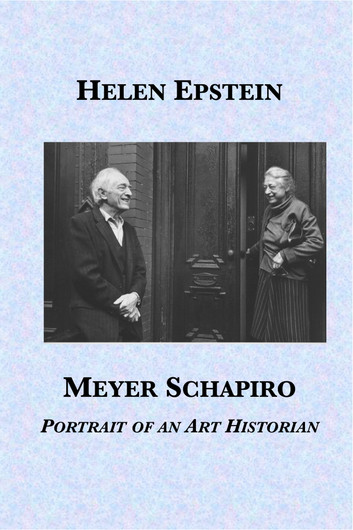
Meyer Schapiro stands as one of the twentieth century’s most influential art historians. Helen Epstein’s biography captures his remarkable journey from immigrant child to academic giant. This e-book offers readers an intimate portrait of a scholar who revolutionized art historical methodology. Moreover, it explores how Meyer Schapiro’s personal experiences shaped his groundbreaking interpretations of art.
Early Life and Formative Years
Meyer Schapiro was born in Lithuania in 1904. His family immigrated to Brooklyn when he was three years old. Consequently, he grew up navigating two worlds: traditional Jewish culture and American modernity. These dual influences profoundly affected his intellectual development. Furthermore, his early exposure to New York’s vibrant cultural scene sparked his lifelong passion for art.
The Making of an Art Historian
Epstein details how Meyer Schapiro excelled academically from a young age. He attended Columbia University, where he discovered his calling. Additionally, he studied under prominent scholars who recognized his exceptional talent. His doctoral dissertation on Romanesque sculpture demonstrated his innovative approach. Therefore, it established him as a rising star in art history.
Revolutionary Contributions to Art History
Meyer Schapiro transformed how scholars analyze and interpret art. He rejected purely formalist approaches that ignored social context. Instead, he developed methods that connected artworks to their historical moments. Moreover, he examined how economic, political, and cultural forces shaped artistic production.
Interdisciplinary Methodology
Schapiro pioneered an interdisciplinary approach to art history. He drew insights from psychology, sociology, and philosophy. Consequently, his analyses revealed deeper meanings in artworks. Furthermore, he demonstrated how art reflects broader human experiences. His methodology influenced generations of scholars worldwide.
Key Areas of Expertise
Meyer Schapiro made significant contributions across multiple periods and styles:
- Romanesque and medieval art
- Modern art movements, particularly Abstract Expressionism
- The relationship between art and society
- Semiotics and visual interpretation
- The psychology of artistic creation
Teaching and Mentorship
Epstein highlights Meyer Schapiro’s legendary teaching career at Columbia University. He taught there for over five decades. His lectures were famous for their intellectual rigor and passionate delivery. Additionally, he mentored countless students who became prominent scholars themselves. Therefore, his influence extended far beyond his published works.
The Charismatic Lecturer
Students described his classes as transformative experiences. He could discuss any artwork with encyclopedic knowledge. Moreover, he made complex ideas accessible through vivid language. His enthusiasm for art was genuinely infectious. Consequently, his courses were always oversubscribed.
Intellectual Circles and Friendships
The biography explores Meyer Schapiro’s connections with leading intellectuals. He befriended artists like Mark Rothko and Robert Motherwell. Furthermore, he engaged with philosophers, writers, and political thinkers. These relationships enriched his understanding of contemporary culture. Meanwhile, he served as a bridge between academic and artistic communities.
Political Engagement
Schapiro maintained strong progressive political commitments throughout his life. He supported social justice causes and workers’ rights. Additionally, he opposed fascism and totalitarianism in all forms. His political views informed his art historical interpretations. However, he never reduced art to mere propaganda.
Major Works and Publications
Epstein examines Meyer Schapiro’s most important scholarly contributions. His essays on Romanesque sculpture remain foundational texts. Moreover, his writings on modern art challenged prevailing orthodoxies. He published extensively on Cézanne, Van Gogh, and Picasso. Therefore, his work spans medieval to contemporary periods.
Groundbreaking Essays
His essay “The Apples of Cézanne” exemplifies his interpretive brilliance. He revealed psychological and symbolic dimensions in seemingly simple still lifes. Furthermore, his analysis of Romanesque sculpture demonstrated sophisticated iconographic methods. These essays continue to inspire scholars today.
Personal Life and Character
Helen Epstein provides intimate glimpses into Meyer Schapiro’s personal world. She describes his marriage to Lillian Milgram, a scholar herself. Additionally, she explores his relationships with family and friends. The biography reveals a warm, generous, and deeply principled man. Moreover, it shows how his personal values aligned with his scholarship.
Balancing Multiple Roles
Schapiro successfully balanced teaching, research, and public engagement. He wrote for both academic and general audiences. Furthermore, he participated in museum exhibitions and public lectures. His ability to communicate across contexts was remarkable. Consequently, he reached diverse audiences throughout his career.
Impact on Modern Art Criticism
Meyer Schapiro profoundly influenced how critics approach modern art. He defended abstract art against conservative attacks. Moreover, he articulated theoretical frameworks for understanding non-representational work. His support encouraged many struggling artists. Therefore, he played a crucial role in legitimizing modernism.
Champion of Abstract Expressionism
He recognized the significance of Abstract Expressionism early on. He wrote perceptively about artists like Pollock and de Kooning. Additionally, he helped collectors and museums appreciate their work. His advocacy contributed to the movement’s acceptance. Meanwhile, he maintained critical independence in his assessments.
Scholarly Legacy and Influence
Epstein assesses Meyer Schapiro’s lasting impact on art history. His methodological innovations became standard practice. Furthermore, his interdisciplinary approach opened new research directions. Scholars worldwide continue building on his foundations. Therefore, his influence remains vital decades after his death.
Continuing Relevance
Contemporary art historians still engage with his ideas. His essays are required reading in graduate programs. Moreover, his questions about art’s social functions remain pertinent. New generations discover fresh insights in his work. Consequently, his scholarship transcends its historical moment.
What Readers Will Learn
This biography offers comprehensive insights into Meyer Schapiro’s life and work. Readers discover how he revolutionized art historical practice. Additionally, they learn about twentieth-century intellectual history through his experiences. The book illuminates connections between scholarship and lived experience. Moreover, it demonstrates how one person can transform an entire field.
Key Takeaways
Readers will understand:
- How Meyer Schapiro developed his innovative methodologies
- The relationship between his personal background and scholarly interests
- His contributions to understanding medieval and modern art
- His role in New York’s intellectual and artistic communities
- The continuing relevance of his ideas today
The Author’s Approach
Helen Epstein brings unique qualifications to this biographical project. She combines scholarly rigor with engaging narrative style. Furthermore, she conducted extensive research and interviews. Her writing makes complex ideas accessible to general readers. Therefore, the book appeals to both specialists and enthusiasts.
Research and Sources
Epstein drew on archival materials and personal correspondence. She interviewed Schapiro’s students, colleagues, and family members. Additionally, she examined his published and unpublished writings. This thorough research provides authoritative insights. Moreover, it reveals previously unknown aspects of his life.
Cultural and Historical Context
The biography situates Meyer Schapiro within broader historical currents. It explores how immigration shaped American intellectual life. Furthermore, it examines the development of art history as an academic discipline. Readers gain understanding of twentieth-century cultural transformations. Meanwhile, they see how individuals navigate historical forces.
The Immigrant Experience
Schapiro’s immigrant background profoundly influenced his worldview. He understood cultural displacement and adaptation firsthand. Consequently, he brought unique perspectives to European art. His outsider status enabled fresh interpretations. Additionally, it fueled his commitment to social justice.
Art History as Humanistic Discipline
Meyer Schapiro exemplified art history’s humanistic potential. He believed art reveals fundamental human truths. Moreover, he demonstrated how visual analysis illuminates historical experience. His work shows art history’s relevance beyond academic circles. Therefore, he made the discipline matter to broader audiences.
Connecting Past and Present
He consistently drew connections between historical and contemporary art. He showed how past artistic achievements inform present creativity. Furthermore, he argued that understanding art enriches human life. His scholarship was never merely antiquarian. Instead, it addressed living concerns and questions.
Conclusion: A Life Dedicated to Art
Helen Epstein’s biography celebrates Meyer Schapiro’s extraordinary achievements. It reveals how dedication and brilliance can transform a field. Moreover, it shows how scholarship serves humanistic values. Readers finish with deep appreciation for this remarkable art historian.
The book stands as both tribute and valuable historical document. Furthermore, it inspires readers to engage more deeply with art. Meyer Schapiro’s legacy continues enriching our understanding of visual culture. This comprehensive portrait ensures his contributions will be remembered and celebrated.




Reviews
There are no reviews yet.