

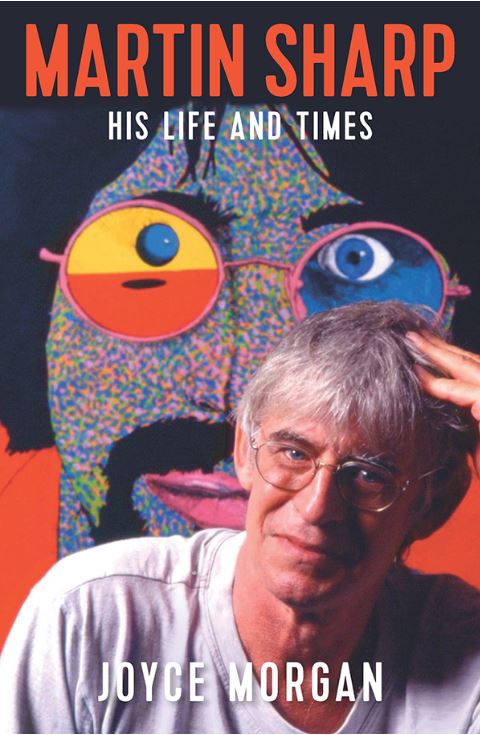
Description
Martin Sharp Artist Activist: The Definitive Biography of Australia’s Counterculture Icon
Introduction to a Revolutionary Creative Spirit
Joyce Morgan’s “Martin Sharp: His Life and Times” chronicles the remarkable journey of Martin Sharp artist activist who transformed Australian visual culture forever. This comprehensive biography explores Sharp’s multifaceted career spanning psychedelic art, music, and social change.
Moreover, Morgan reveals the complex personality behind the iconic imagery that defined an era. Consequently, readers discover how one man’s vision influenced generations of artists and activists. Therefore, this book stands as essential reading for understanding Australia’s cultural revolution.
Sharp emerged during the 1960s as a bold voice challenging conservative Australian society. Furthermore, his work bridged fine art, commercial design, and political commentary seamlessly. Morgan traces his evolution from privileged Sydney upbringing to international counterculture celebrity. Additionally, she examines how his personal struggles fueled his creative genius. Subsequently, the biography presents a nuanced portrait of artistic brilliance and human vulnerability.
Early Years and Artistic Awakening
Martin Sharp was born into Sydney’s upper-middle-class society in 1942. His family background provided both privilege and expectations that would later constrain him. Moreover, Sharp showed artistic talent from childhood, drawing constantly and obsessively. Consequently, his parents encouraged his creative pursuits while hoping for conventional success. Therefore, tension between conformity and rebellion marked his early development significantly.
Sharp attended Cranbrook School, where his artistic abilities flourished despite academic struggles. Furthermore, he began developing the satirical edge that would define his work. Morgan describes how Sharp’s school years planted seeds of social critique. Additionally, she reveals early influences that shaped his visual vocabulary and style. Subsequently, readers understand the foundations of his revolutionary artistic approach.
The young artist enrolled at the National Art School in Sydney reluctantly. However, he found the traditional curriculum stifling and creatively limiting throughout. Moreover, Sharp increasingly rejected academic conventions in favor of bold experimentation. Consequently, he began exploring pop art, surrealism, and graphic design independently. Therefore, his formal education paradoxically freed him by showing what to reject.
The Oz Magazine Years: Martin Sharp Artist Activist Emerges
In 1963, Sharp co-founded Oz magazine with Richard Neville and Richard Walsh. This satirical publication revolutionized Australian media with its irreverent humor and bold graphics. Moreover, Sharp’s covers and illustrations became instantly recognizable for their psychedelic intensity. Consequently, Oz challenged censorship laws and conservative values with every provocative issue. Therefore, the magazine established Sharp as a leading voice of youth rebellion.
Morgan details the creative process behind Oz’s most controversial and celebrated editions. Furthermore, she explores how Sharp’s artwork pushed boundaries of taste and legality. His collages combined pop culture imagery with political commentary in unprecedented ways. Additionally, Sharp developed techniques that would influence graphic design for decades afterward. Subsequently, Oz became a blueprint for underground publications worldwide and permanently.
The magazine faced constant legal battles over obscenity and sedition charges repeatedly. However, these controversies only amplified Oz’s cultural impact and circulation numbers significantly. Moreover, Sharp’s defiant artwork became symbols of free speech and artistic freedom. Consequently, he emerged as both artist and activist fighting censorship courageously. Therefore, this period cemented his reputation as a fearless cultural provocateur.
London and the Swinging Sixties
In 1966, Sharp relocated to London at the height of its cultural renaissance. The city’s vibrant music and art scene provided perfect environment for his talents. Moreover, he quickly integrated into the counterculture elite surrounding The Beatles and Rolling Stones. Consequently, Sharp’s work gained international recognition and influenced the psychedelic movement globally. Therefore, London transformed him from Australian rebel to international artistic icon.
Morgan chronicles Sharp’s legendary friendship with musician Eric Clapton in fascinating detail. Furthermore, she reveals how their collaboration produced some of the era’s most iconic imagery. Sharp designed the cover for Cream’s “Disraeli Gears” album, creating an enduring masterpiece. Additionally, his poster for Cream’s farewell concert became one of rock’s most collectible artworks. Subsequently, Sharp established himself as rock music’s premier visual interpreter and collaborator.
Key achievements during Sharp’s London period include:
- Designing covers for Oz magazine’s London edition with revolutionary graphics
- Creating psychedelic posters that defined the visual language of the era
- Collaborating with musicians including Eric Clapton, Donovan, and Tiny Tim regularly
- Contributing to International Times and other underground publications consistently
- Developing his signature style combining Victorian imagery with psychedelic color palettes
Return to Australia and Luna Park Obsession
Sharp returned to Sydney in 1969, bringing international counterculture sensibilities home. However, he found Australia’s cultural landscape still conservative and resistant to change. Moreover, Sharp struggled to find his place in a society he’d outgrown. Consequently, he entered a period of creative searching and personal difficulty. Therefore, his homecoming proved more challenging than his triumphant London years.
In the 1970s, Sharp discovered Luna Park’s laughing face and became utterly obsessed. This iconic Sydney landmark captivated his imagination and dominated his artistic output. Moreover, he launched a passionate campaign to preserve Luna Park from developers. Consequently, Sharp transformed from artist into activist fighting for Sydney’s cultural heritage. Therefore, his Luna Park advocacy demonstrated how Martin Sharp artist activist merged creativity with social responsibility.
Morgan explores Sharp’s decades-long relationship with Luna Park in compelling depth throughout. Furthermore, she reveals how this obsession both inspired and limited his artistic evolution. Sharp created countless paintings, prints, and installations celebrating the amusement park’s imagery. Additionally, his preservation efforts helped save Luna Park from demolition multiple times. Subsequently, his legacy became inseparable from this Sydney icon he championed tirelessly.
The Yellow House and Collaborative Art
Sharp co-founded The Yellow House in Sydney’s Potts Point in 1970. This experimental art space became Australia’s answer to Andy Warhol’s Factory immediately. Moreover, The Yellow House fostered collaboration between artists, musicians, and performers freely. Consequently, it generated creative energy that influenced Australian art for years afterward. Therefore, Sharp’s vision created community and innovation in equal measure.
The Yellow House operated as both gallery and living space for artists. Furthermore, Sharp encouraged spontaneous creativity and breaking down barriers between art forms. Morgan describes the chaotic, inspiring atmosphere Sharp cultivated there with infectious enthusiasm. Additionally, she profiles the diverse artists who passed through its colorful doors. Subsequently, readers understand The Yellow House’s crucial role in Australian contemporary art history.
Financial pressures and personal conflicts eventually forced The Yellow House to close. However, its brief existence left an indelible mark on Sydney’s cultural landscape. Moreover, Sharp’s collaborative spirit continued influencing his work throughout his remaining decades. Consequently, The Yellow House became legendary as a moment of pure creative freedom. Therefore, Morgan positions it as Sharp’s most important contribution beyond his artwork.
Later Years and Artistic Legacy
Sharp’s later decades saw him retreat increasingly from public life and attention. He continued creating art but exhibited less frequently than during his peak years. Moreover, Sharp struggled with mental health challenges that affected his productivity significantly.
Consequently, he became somewhat reclusive while remaining devoted to his Luna Park obsession. Therefore, his final years presented a poignant contrast to his earlier flamboyance.
Morgan handles Sharp’s decline with sensitivity while celebrating his enduring artistic achievements. Furthermore, she examines how his early work continued influencing new generations of artists.
Sharp’s psychedelic aesthetic experienced renewed appreciation in the 1990s and beyond. Additionally, retrospectives and exhibitions reintroduced his genius to contemporary audiences worldwide. Subsequently, his reputation grew even as his personal circumstances diminished sadly.
Martin Sharp died in 2013, leaving behind an extraordinary body of work. His passing prompted widespread recognition of his contributions to Australian culture finally. Moreover, tributes poured in from artists, musicians, and activists he’d inspired globally. Consequently, Sharp’s death sparked renewed interest in his life and artistic legacy. Therefore, Morgan’s biography arrived at the perfect moment to cement his importance.
Conclusion: Remembering a Cultural Revolutionary
Joyce Morgan’s biography succeeds in capturing Martin Sharp’s complexity, brilliance, and contradictions completely. She presents the Martin Sharp artist activist as both visionary creator and vulnerable human.
Moreover, Morgan’s research provides unprecedented access to Sharp’s personal life and creative process. Consequently, readers gain intimate understanding of what drove this remarkable individual forward. Therefore, this book stands as the definitive account of Sharp’s extraordinary journey.
Sharp’s influence on Australian visual culture cannot be overstated or diminished ever. Furthermore, his fearless approach to art and activism inspired countless others courageously. Morgan demonstrates how Sharp’s work transcended its era while remaining timelessly relevant. Additionally, she shows how his legacy continues shaping contemporary art and design. Subsequently, “Martin Sharp: His Life and Times” ensures this cultural icon receives recognition deserved.





Reviews
There are no reviews yet