

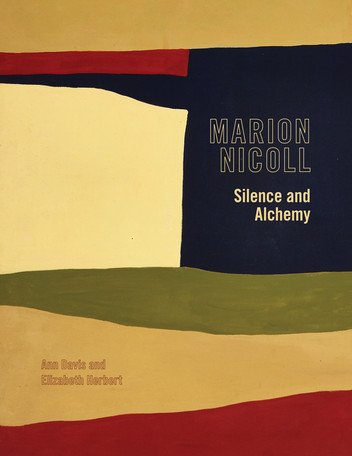
Description
Marion Nicoll: Silence and Alchemy – A Comprehensive Synopsis of Canada’s Abstract Art Pioneer
Marion Nicoll is among Canada’s most influential abstract artists. This remarkable book explores her groundbreaking contributions to modern art. Furthermore, it reveals the spiritual and alchemical dimensions of her creative process. The volume offers readers an intimate portrait of an artist who transformed Canadian visual culture.
The Artistic Journey of Marion Nicoll
Marion Nicoll began her career in Calgary during the early twentieth century. She initially worked in representational styles common to her era. However, her artistic vision evolved dramatically over the decades. Consequently, she became a pioneer of abstract expressionism in Canada.
Her early training took place at the Ontario College of Art. Additionally, she studied at the Provincial Institute of Technology and Art in Calgary. These formative experiences shaped her technical foundation. Moreover, they prepared her for future artistic innovations.
During the 1950s, Nicoll traveled to New York City. There, she encountered the vibrant abstract expressionist movement. This exposure completely transformed her artistic approach. Therefore, she began experimenting with non-representational forms and spiritual symbolism.
Marion Nicoll’s Revolutionary Contributions to Canadian Art
Marion Nicoll broke barriers in a male-dominated art world. She challenged conventional expectations for women artists of her generation. Furthermore, she introduced Western Canadian audiences to the principles of abstract art. Her work bridged Eastern philosophy and Western artistic traditions.
She taught at the Provincial Institute of Technology and Art for decades. Consequently, she influenced countless emerging artists throughout her teaching career. Her pedagogical approach emphasized personal expression over technical conformity. Moreover, she encouraged students to explore their inner creative voices.
Nicoll’s paintings feature geometric forms and symbolic imagery. She incorporated alchemical symbols into her abstract compositions. Additionally, her work reflects deep engagement with Jungian psychology. These elements create layers of meaning within seemingly simple forms.
Her color palette evolved from earthy tones to vibrant hues. She experimented with various media throughout her career. However, she maintained consistent thematic concerns across different periods. Therefore, her body of work demonstrates both evolution and continuity.
What “Silence and Alchemy” Reveals About This Visionary Artist
This comprehensive volume examines Nicoll’s entire artistic trajectory. The authors provide a detailed analysis of her major works. Furthermore, they explore the philosophical underpinnings of her creative practice. The book includes numerous full-color reproductions of her paintings.
Ann Davis, Elizabeth Herbert, Jennifer Salahub, and Christine Sowiak collaborated on this project. Each author brings unique expertise to the analysis. Consequently, the book offers multiple perspectives on Nicoll’s achievements. Moreover, it situates her work within broader Canadian art history.
The title “Silence and Alchemy” reflects Nicoll’s contemplative creative process. She approached painting as a form of spiritual transformation. Additionally, she viewed art-making as an alchemical practice. This metaphor captures her belief in art’s transformative power.
The book explores Nicoll’s engagement with Theosophy and Eastern philosophy. These spiritual traditions deeply influenced her artistic vision. However, she synthesized these influences with Western modernist techniques. Therefore, her work represents a unique cultural fusion.
Key Themes and Topics Covered in the Book
The authors examine several crucial aspects of Nicoll’s life and work:
- Early Life and Education: Her formative years in Calgary and art school training
- Teaching Career: Her influential role at the Provincial Institute of Technology and Art
- Spiritual Influences: Exploration of Theosophy, Jung, and Eastern philosophy in her work
- Abstract Expressionism: Her encounter with New York’s avant-garde art scene
- Alchemical Symbolism: The use of transformative symbols in her paintings
- Color Theory: Her evolving approach to color and composition
- Gender and Art: Challenges she faced as a woman artist in mid-century Canada
- Legacy and Influence: Her lasting impact on Canadian abstract art
Understanding Nicoll’s Unique Visual Language
Nicoll developed a distinctive symbolic vocabulary throughout her career. Her paintings feature circles, triangles, and other geometric forms. Furthermore, these shapes carry specific spiritual and psychological meanings—the compositions balance structure with spontaneous gestural marks.
She often worked in series, exploring themes across multiple canvases. This approach allowed her to thoroughly investigate ideas. Moreover, it demonstrates her commitment to deep artistic inquiry. Consequently, viewers can trace the evolution of specific concepts.
Her work from the 1960s represents her mature abstract style. These paintings combine geometric precision with expressive brushwork. Additionally, they reveal her mastery of color relationships. The results are visually striking and intellectually engaging.
The Cultural Context of Marion Nicoll’s Work
Nicoll worked during a transformative period in Canadian art history. The mid-twentieth century saw Canadian artists asserting cultural independence. Furthermore, abstract art became a vehicle for national artistic identity. Nicoll participated actively in this cultural movement.
She exhibited regularly with the Alberta Society of Artists. Additionally, she showed work at national venues across Canada. Her paintings appeared in important group exhibitions. Therefore, she gained recognition beyond regional boundaries.
The Calgary art scene benefited enormously from her presence. She mentored younger artists and promoted contemporary art practices. Moreover, she helped establish Calgary as a significant cultural center. Her influence extended far beyond her own artistic production.
The Book’s Scholarly Approach and Research
The authors conducted extensive archival research for this volume. They examined Nicoll’s personal papers, correspondence, and sketchbooks. Furthermore, they interviewed former students and colleagues. This thorough methodology ensures historical accuracy and depth.
The book includes previously unpublished photographs and documents. These materials provide intimate glimpses into Nicoll’s creative process. Additionally, they reveal her personality and working methods. Consequently, readers gain a comprehensive understanding of the artist.
Each chapter focuses on specific aspects of Nicoll’s career. The chronological structure helps readers follow her artistic development. However, thematic chapters explore recurring concerns across different periods. Therefore, the book balances narrative flow with analytical depth.
Visual Analysis and Artistic Techniques
The authors provide a detailed formal analysis of key paintings. They examine Nicoll’s compositional strategies and technical approaches. Furthermore, they explain how visual elements convey symbolic meanings. This analysis helps readers appreciate the sophistication of her work.
Nicoll employed various painting techniques throughout her career. She used both oil and acrylic paints with equal facility. Moreover, she experimented with different application methods. These technical variations created diverse visual effects.
Her brushwork ranges from precise geometric edges to expressive gestures. This combination creates dynamic tension within individual compositions. Additionally, it reflects the balance between control and spontaneity. Therefore, her paintings embody fundamental artistic dualities.
The Significance of Silence in Nicoll’s Practice
The concept of silence held profound meaning for Nicoll. She valued contemplative quiet as essential to creativity. Furthermore, she believed silence allowed a deeper spiritual connection. This philosophy informed both her art and teaching.
Her paintings evoke a sense of meditative stillness. Even dynamic compositions possess underlying tranquility. Moreover, they invite viewers to engage in contemplation. Consequently, experiencing her work becomes a form of meditation.
She rarely discussed her work in literal terms. Instead, she preferred viewers to experience paintings directly. Additionally, she resisted reducing art to verbal explanations. This approach reflects her belief in the primacy of visual communication.
Alchemy as Metaphor and Method
Nicoll understood alchemy as spiritual transformation, not literal chemistry. She viewed painting as transforming base materials into meaningful art. Furthermore, she saw personal growth as parallel to alchemical processes. This metaphor unified her artistic and spiritual practices.
Alchemical symbols appear frequently in her mature work. Circles represent wholeness and completion in alchemical tradition. Moreover, triangles symbolize transformation and spiritual ascent. These symbols carry multiple layers of meaning.
The alchemical process involves stages of dissolution and reintegration. Similarly, Nicoll’s creative process involved breaking down and rebuilding compositions. Additionally, she experienced personal transformation through art-making. Therefore, alchemy provided both subject matter and methodology.
Marion Nicoll’s Lasting Legacy in Canadian Art
Nicoll’s influence continues to resonate in contemporary Canadian art. Many artists cite her as an important inspiration. Furthermore, her work appears in major museum collections nationwide. Consequently, new generations continue discovering her achievements.
She demonstrated that Western Canadian artists could achieve international significance. Her success opened doors for subsequent generations. Moreover, she demonstrated the viability of abstract art in regional contexts. Therefore, her career has historical and symbolic importance.
The book “Silence and Alchemy” ensures her legacy remains accessible. It provides comprehensive documentation of her artistic achievements. Additionally, it offers scholarly analysis for future researchers. Consequently, this volume serves as a definitive reference on Nicoll’s work.
Why This Book Matters for Art History
This publication fills a significant gap in Canadian art scholarship. Previously, there was no comprehensive monograph on Nicoll. Furthermore, her contributions were often overlooked in broader surveys. This book corrects that historical oversight.
The authors situate Nicoll within international modernist movements. They demonstrate her awareness of global artistic developments. Moreover, they show how she adapted international influences to local contexts. Therefore, the book contributes to transnational art history.
The volume exemplifies excellent art historical methodology. It combines archival research with formal analysis and cultural context. Additionally, it makes scholarly insights accessible to general readers. Consequently, it serves both academic and popular audiences.
Conclusion: Celebrating a Canadian Art Pioneer
“Marion Nicoll: Silence and Alchemy” offers an essential portrait of a groundbreaking artist. The book illuminates her artistic vision and spiritual philosophy. Furthermore, it documents her significant contributions to Canadian modernism. Readers gain a deep appreciation for her remarkable achievements.
The collaborative authorship brings multiple perspectives to the subject. Each writer contributes specialized knowledge and insights. Moreover, their combined efforts create a comprehensive, nuanced portrait. Therefore, the book represents exemplary collaborative scholarship.
This volume belongs in every collection focused on Canadian art. It provides an invaluable resource for students, scholars, and art enthusiasts. Additionally, it celebrates an artist who deserves wider recognition. Consequently, “Silence and Alchemy” ensures Marion Nicoll’s rightful place in art history.





Reviews
There are no reviews yet.