

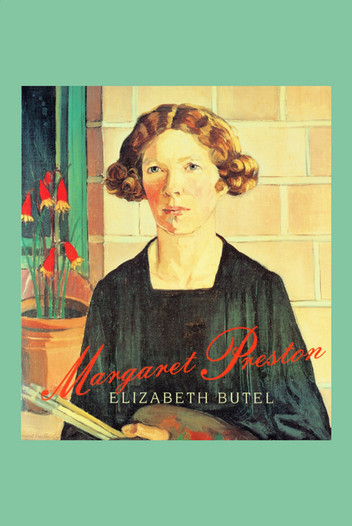
Description
Margaret Preston by Elizabeth Butel: A Comprehensive Biography of Australia’s Pioneering Modernist Artist
Introduction: Australia’s Revolutionary Woman Painter
Margaret Preston transformed Australian art between the two world wars, challenging conservative Sydney art circles with bold, modern paintings. She became Australia’s most important woman painter of her era, and this biography by Elizabeth Butel explores her remarkable journey.
Preston’s story reveals determination and artistic vision, showing how one woman changed Australian art forever. Elizabeth Butel traces every significant moment in Preston’s creative life, giving readers deep insight into this groundbreaking artist.
A Life of Artistic Independence and Global Exploration
Throughout her career, Margaret Preston fought for artistic freedom and financial independence in a male-dominated art world. Butel’s biography documents this ongoing struggle with compelling detail, revealing Preston’s unwavering commitment to her craft.
Seeking artistic inspiration, Preston traveled extensively across the globe, studying art movements in Europe and beyond. She also explored Aboriginal Australia with great interest and respect, and these journeys profoundly influenced her unique artistic style.
The biography highlights Preston’s innovative approach to Australian themes. She incorporated elements of Aboriginal art into her modernist work. Moreover, she celebrated native Australian flora in her paintings. Consequently, she created a distinctly Australian artistic voice.
Key Themes Explored in the Biography
Elizabeth Butel examines several important aspects of Margaret Preston’s life and work:
- Artistic Innovation: Preston’s bold modernist techniques and experimental approaches
- Cultural Integration: Her respectful incorporation of Aboriginal art into contemporary painting
- Financial Struggles: The challenges of achieving economic independence as a woman artist
- Global Influences: How worldwide travel shaped her artistic vision
- Australian Identity: Her quest to define a uniquely Australian art style
- Literary Contributions: Her extensive writing for major art publications
- Legacy Building: How she influenced generations of Australian artists
Preston’s Artistic Philosophy and Written Work
Margaret Preston was not just a painter. She was a prolific writer. She wrote fourteen articles for Art in Australia magazine. She also wrote thirteen pieces for The Home publication. Her influence extended beyond canvas to critical discourse.
Preston wrote passionately about creating authentic Australian art. She believed artists should draw inspiration from their immediate environment. Furthermore, she advocated for respectfully incorporating Indigenous artistic traditions. Her writings reveal a thoughtful, articulate, artistic mind.
The biography includes Preston’s views on subjects beyond fine art. She wrote about flower arranging and interior design. She also shared opinions on everyday aesthetic choices. Readers see her as a complete cultural figure.
Signature Works and Artistic Development
Preston’s most famous works showcase her distinctive style. The Brown Pot (1940) demonstrates her Aboriginal-influenced approach, while Manly Pines (1953) reveals her mature artistic vision. These paintings exemplify her unique contribution to Australian art.
She often painted native Australian flowers. Banksias, waratahs, gum blossoms, and wheelflowers appeared regularly. Their natural irregularity suited her modernist aesthetic. Form and content merged seamlessly in her work.
Preston’s artistic development spanned several decades of continuous evolution. She rearranged and refined her approaches, never stopping her experimentation with new techniques. This restless creativity defined her entire career.
The Sydney Art Scene and Preston’s Impact
Margaret Preston sent shockwaves through Sydney’s conservative art establishment. Her vital, energetic paintings challenged traditional artistic conventions. Furthermore, she refused to conform to the expected feminine subjects in art. Consequently, she became both celebrated and controversial.
She worked closely with influential publisher Sydney Ure Smith, who served as President of the Society of Artists and editor of Art in Australia and other important publications. This partnership gave Preston significant exposure for her work.
The biography explores Preston’s complex relationships in Sydney’s art world. She navigated professional jealousies and gender discrimination skillfully. She built lasting friendships with fellow artists. Her social intelligence matched her talent.
Aboriginal Art and Cultural Respect
Preston’s engagement with Aboriginal art remains a key part of her legacy. She studied Indigenous artistic traditions with interest and respect. She aimed to learn rather than simply appropriate. This approach was progressive for her time.
The biography examines how Preston incorporated Aboriginal design elements thoughtfully. She adapted geometric patterns and symbolic imagery into her modernist style. Moreover, she publicly advocated for the recognition of Aboriginal art’s importance. Therefore, she helped elevate Indigenous art in mainstream consciousness.
Butel’s book addresses the complexities of cross-cultural artistic exchange. Preston’s work raises questions still relevant today. Her intentions appear sincere and respectful throughout. The biography presents a balanced, nuanced perspective.
Financial Independence and Professional Challenges
Achieving financial stability proved difficult for Margaret Preston throughout her career. Women artists faced significant economic barriers during their era. Furthermore, modernist art didn’t always sell well in conservative markets. Therefore, Preston struggled financially despite her talent.
The biography details Preston’s strategies for earning income. She sold paintings, wrote articles, and taught when needed. She marketed her work to collectors. Her business acumen complemented her artistic skills.
Preston lived in various homes and even hotels in Mosman. Her living situation reflected her changing finances. This showed her adaptability and resilience. She never let economic hardship stop her artistic output.
Later Years and Lasting Legacy
Margaret Preston continued creating art until her death in 1963, living in Mosman during her final decades and remaining engaged with Sydney’s art community. Her commitment to art never wavered.
The biography concludes by examining Preston’s lasting influence on Australian art. She paved the way for future generations of women artists. She helped define what Australian art could become. Her legacy extends far beyond her lifetime.
Contemporary artists still reference Preston’s innovative approaches and bold vision. Museums regularly exhibit her work in major retrospectives. Scholars continue to study her contributions to Australian modernism. Her importance only grows with time.
Why Read This Biography?
Elizabeth Butel’s biography offers insight into Margaret Preston’s extraordinary life. It combines thorough research with engaging storytelling. The book also places Preston within broader Australian cultural history. Readers gain many perspectives on her significance.
The book appeals to various audiences with different interests:
- Art Enthusiasts: Detailed analysis of Preston’s artistic techniques and development
- History Buffs: Rich context about Australian society between the wars
- Feminists: Inspiring story of a woman achieving independence against odds
- Cultural Scholars: Examination of cross-cultural artistic exchange and respect
- General Readers: Compelling narrative about a fascinating, complex individual
Butel writes accessibly without sacrificing scholarly rigor or depth, bringing Margaret Preston to life as a complete person. She helps readers understand both Preston’s world and challenges, allowing the biography to succeed as both scholarship and storytelling.
Conclusion: An Essential Australian Art Biography
Margaret Preston by Elizabeth Butel stands as the definitive biography of this artist. It documents her artistic journey and personal struggles. It celebrates her unique contributions to Australian culture. It belongs on every art lover’s bookshelf.
Margaret Preston emerges as courageous, talented, and visionary. She refused to accept limits placed on women artists. She created a distinctly Australian artistic language. Her story inspires and educates in equal measure.
This biography ensures Margaret Preston receives the recognition she deserves. Elizabeth Butel has created an invaluable resource for Australian art history. She’s also written an engaging book for general readers. It represents biographical writing at its finest.





Reviews
There are no reviews yet.