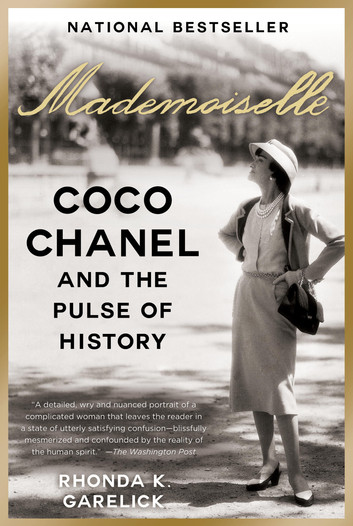
Mademoiselle: Coco Chanel and the Pulse of History

Price range: $5.49 through $25.99

Rhonda Garelick explores Coco Chanel’s complex life against a changing twentieth century. She examines how the designer transformed fashion while navigating turbulent historical events. This biography captures her enduring influence.

Additional information

Publisher

Random House Publishing Group

Release Date

September 30, 2014

Number of pages

608

Language

English

ISBN

9780679604266

Download options

Epub

Format

Digital Book, Paper Book

SKU: 9780679604266 Categories: , , , Product ID: 25459

Description

Mademoiselle: Coco Chanel and the Pulse of History – A Comprehensive Synopsis of Rhonda K. Garelick’s Definitive Biography

Introduction to Coco Chanel: History and Cultural Revolution

Rhonda K. Garelick’s “Mademoiselle” explores Coco Chanel’s history through a compelling biographical lens. This groundbreaking book examines how one woman transformed fashion and modern femininity forever. Furthermore, Garelick reveals the complex intersections between Chanel’s personal life and historical events. The biography presents Chanel as both a visionary designer and a controversial historical figure. Additionally, it demonstrates how her innovations reflected and shaped twentieth-century cultural shifts.
Garelick’s research draws from previously unexplored archives and personal correspondence. Consequently, readers gain unprecedented insight into Chanel’s motivations and private struggles. The author skillfully weaves together fashion history, political context, and personal narrative. Moreover, she challenges many myths surrounding this iconic designer’s life and legacy.

From Poverty to Fashion Icon: Chanel’s Early Years

Gabrielle “Coco” Chanel was born in 1883 in Saumur, France. Her childhood was marked by poverty, abandonment, and institutional life in orphanages. However, these difficult experiences shaped her fierce independence and relentless ambition. Therefore, she was determined to escape her humble origins by any means.
Chanel learned sewing skills from nuns at the Aubazine orphanage. Furthermore, she absorbed the austere aesthetic that would later influence her designs. The simple black-and-white habits worn by nuns inspired her minimalist approach. Additionally, the geometric patterns in the orphanage architecture appeared in her later work.
As a young woman, Chanel worked as a seamstress and cabaret singer. Meanwhile, she cultivated relationships with wealthy men who became her patrons. These connections provided the financial backing she needed to launch her career. Yet, Chanel always maintained she succeeded through talent rather than mere patronage.

Revolutionary Designs That Changed Women’s Fashion Forever

Chanel opened her first boutique in Paris in 1910, selling hats. Subsequently, she expanded into clothing design that challenged conventional women’s fashion. Her designs rejected the restrictive corsets and elaborate decorations of the era. Instead, she championed comfort, simplicity, and practical elegance for modern women.
Her revolutionary contributions to fashion included these iconic innovations:
  • The little black dress that democratized elegance
  • Jersey fabric suits that allowed freedom of movement
  • Costume jewelry that made luxury accessible
  • The classic Chanel suit with its boxy jacket
  • Comfortable flat shoes and slingback pumps
  • The quilted handbag with a chain strap
  • Chanel No. 5 perfume that redefined fragrance
Furthermore, Chanel borrowed elements from menswear to create her signature style. She incorporated trousers, blazers, and simple lines into women’s wardrobes. Consequently, she liberated women from impractical clothing that restricted their activities. Moreover, her designs reflected the changing roles of women in society.

Coco Chanel History: Fashion as Women’s Liberation

Chanel’s designs arrived at a pivotal moment in Coco Chanel’s history. Women were entering the workforce and demanding greater social freedoms during this era. Therefore, they needed clothing that accommodated their increasingly active lifestyles. Chanel understood this shift and created fashion that empowered rather than constrained.
Her philosophy emphasized that fashion should serve women’s needs, not restrict them. Additionally, she believed elegance could coexist with comfort and practicality. This revolutionary approach challenged centuries of fashion tradition that prioritized appearance over function. Meanwhile, her success proved that women enthusiastically embraced these liberating designs.
Chanel herself embodied the modern, independent woman she dressed. Furthermore, she built a business empire through her own vision and determination. Her personal success story inspired countless women to pursue their own ambitions. Consequently, she became a symbol of female empowerment beyond just fashion.

Personal Relationships and Romantic Entanglements

Garelick examines Chanel’s complex romantic life with nuance and historical context. The designer never married but maintained relationships with influential, wealthy men. However, these relationships were partnerships that benefited her career and creative vision. Therefore, Chanel strategically cultivated connections that advanced her professional goals.
Her most significant relationship was with Arthur “Boy” Capel, a wealthy English businessman. He provided financial backing for her early boutiques and believed in her talent. Additionally, he introduced her to influential social circles that became her clientele. Yet, his tragic death in 1919 devastated Chanel emotionally.
Subsequently, Chanel had affairs with the Duke of Westminster and other aristocrats. Meanwhile, she maintained her independence and never relinquished control of her business. These relationships provided inspiration, financial support, and social access that she leveraged brilliantly. Moreover, they demonstrated her ability to navigate elite society despite her humble origins.

The Controversial World War II Years

Garelick confronts the most controversial period of Coco Chanel’s life through thorough research. During World War II, Chanel closed her fashion house and lived comfortably. Furthermore, she resided at the Ritz Hotel in Paris throughout the Nazi occupation. Her relationship with German officer Hans Günther von Dincklage raised serious questions.
Evidence suggests Chanel collaborated with Nazi intelligence services during the war. Additionally, she attempted to use Nazi connections to reclaim her perfume business. These actions remain deeply troubling and significantly complicate her legacy. However, Garelick presents the historical evidence without excusing or oversimplifying Chanel’s choices.
After the war, Chanel faced brief detention but avoided prosecution for collaboration. Meanwhile, powerful friends and business interests protected her from serious consequences. She lived in Switzerland for nearly a decade before returning to Paris. Yet, this dark chapter continues to shadow her otherwise revolutionary contributions.

The Triumphant Comeback and Later Years

In 1954, at age seventy-one, Chanel reopened her fashion house. Initially, French critics dismissed her comeback collection as outdated and irrelevant. However, American buyers and press enthusiastically embraced her timeless designs. Consequently, she experienced a remarkable second act in her career.
Her later collections refined and perfected her signature style rather than chasing trends. Furthermore, she proved that classic elegance transcends temporary fashion fads. The Chanel suit became the uniform of sophisticated, successful women worldwide. Additionally, her brand grew into a global luxury empire.
Chanel continued working until she died in 1971 at age eighty-seven. Moreover, she died as she lived—independently, in her private apartment above her salon. Her dedication to work and craft never wavered throughout her long life. Therefore, she left behind an unparalleled legacy in the history of fashion.

Garelick’s Unique Historical and Cultural Analysis

Rhonda K. Garelick brings scholarly rigor to this biography of Coco Chanel’s history. As a professor of comparative literature, she analyzes Chanel through cultural and historical lenses. Furthermore, she examines how Chanel both reflected and influenced her tumultuous era. The book situates fashion within broader social, political, and artistic movements.
Garelick explores connections between Chanel’s designs and modernist art movements. Additionally, she analyzes how Chanel’s aesthetic responded to industrialization and urbanization. The author demonstrates that fashion history reveals deeper truths about cultural transformation. Moreover, she argues that Chanel’s work deserves serious intellectual consideration.
The biography also examines Chanel’s masterful self-invention and personal mythology. Consequently, Garelick separates fact from the legends Chanel herself cultivated. This approach reveals a more complex, flawed, yet fascinating historical figure. Therefore, readers gain an authentic understanding rather than a romanticized hagiography.

Lasting Legacy and Modern Fashion Influence

Chanel’s influence on contemporary fashion remains profound and unmistakable decades after her death. Her emphasis on simplicity, comfort, and elegance continues to guide modern designers. Furthermore, the Chanel brand thrives as one of fashion’s most valuable and recognizable names: Karl Lagerfeld and subsequent creative directors built upon her foundational vision.
The little black dress remains a wardrobe staple for women worldwide. Additionally, Chanel No. 5 continues as one of history’s best-selling perfumes. Her quilted handbags command premium prices and inspire countless imitations. Moreover, her design philosophy influences fashion education and contemporary aesthetics.
Beyond specific garments, Chanel fundamentally transformed how society views women’s fashion. She proved that women’s clothing could be both beautiful and functional. Consequently, she helped liberate women from restrictive, impractical fashion conventions. Therefore, her legacy extends far beyond the fashion industry into broader cultural history.

Conclusion: A Complex Icon in Coco Chanel’s History

“Mademoiselle” presents Coco Chanel as a revolutionary designer with a complicated legacy. Garelick’s biography refuses to simplify or sanitize this complex historical figure. Furthermore, it demonstrates how individual ambition intersects with broader historical forces. The book ultimately enriches our understanding of twentieth-century fashion, culture, and women’s history.
Chanel’s story encompasses triumph, innovation, controversy, and enduring influence on modern life. Additionally, it reveals how one woman’s vision transformed an entire industry permanently. Garelick’s scholarly yet accessible approach makes this essential reading for fashion enthusiasts. Moreover, it appeals to anyone interested in biography, women’s history, or cultural studies. Consequently, “Mademoiselle” stands as the definitive examination of Coco Chanel’s history.

Reviews

There are no reviews yet.

Be the first to review “Mademoiselle: Coco Chanel and the Pulse of History”

Your email address will not be published. Required fields are marked *

E-mail
Password
Confirm Password