Description
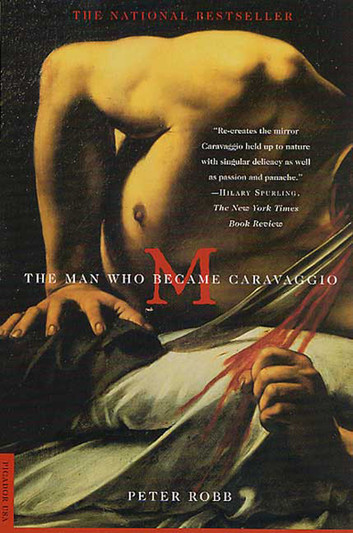
Book Synopsis: M: The Man Who Became Caravaggio by Peter Robb
A Revolutionary Artist’s Dark and Brilliant Life
“M: The Man Who Became Caravaggio” explores the turbulent life of Michelangelo Merisi da Caravaggio. Peter Robb presents a vivid portrait of the Italian Baroque master. This biography reveals the artist’s genius and his violent nature. Moreover, it shows how Caravaggio transformed Western art forever.
Caravaggio lived fast and died young on an Italian beach. He was only in his thirties when death claimed him. However, his sixty paintings changed art history completely. His work featured dramatic lighting and intense realism. Plus, his subjects looked like real people, not idealized figures.
The book examines Caravaggio’s revolutionary approach to painting. He rejected classical idealization and painted life exactly as he saw it. Therefore, his religious works shocked contemporary audiences. His Madonna looked like the girl next door. And his saints appeared as ordinary working people.
Violence and Genius Intertwined
Robb doesn’t shy away from Caravaggio’s dark side. The artist committed murder and fled Rome as a fugitive. He left behind unpaid debts and wounded bodies everywhere he went. But he also created superb canvases that still captivate viewers today.
“M: The Man Who Became Caravaggio” portrays the artist as a complex figure. Caravaggio frequented taverns and got into constant fights. He had a volatile temper that landed him in court repeatedly. Nevertheless, his artistic vision remained sharp and uncompromising throughout his troubles.
The biography explores Caravaggio’s relationships and his controversial lifestyle. His paintings often featured young male models from the streets. Also, court records suggest involvement with boys, which he denied. These aspects made him a scandalous figure in Counter-Reformation Rome.
Caravaggio’s Lasting Impact on Art
Peter Robb’s book demonstrates how Caravaggio influenced generations of artists. His dramatic use of light and shadow became legendary. The technique, called chiaroscuro, created powerful emotional effects. Furthermore, his realistic approach inspired countless painters across Europe.
Key aspects of Caravaggio’s revolutionary style include:
- Dramatic lighting: Deep shadows contrasted with brilliant highlights
- Unflinching realism: Models looked like real people, not idealized beauties
- Emotional intensity: Facial expressions conveyed genuine human feelings
- Bold compositions: Figures emerged from darkness with theatrical power
- Street casting: He used ordinary people as models for saints
The book reveals how Caravaggio’s courage changed art forever. He painted what he truly saw, not what patrons expected. Because of this honesty, his work remains powerful today. Modern audiences connect with his raw, authentic vision immediately.
Robb examines specific masterpieces, such as “The Calling of Saint Matthew.” This painting shows Caravaggio’s genius for combining realism with spirituality. The divine light enters a dark tavern where tax collectors gamble. Therefore, the sacred meets the profane in one stunning image.
A Biography That Reads Like a Thriller
“M: The Man Who Became Caravaggio” offers more than just art history. Robb writes with energy and passion about his subject. The narrative moves through Italy’s violent carnival atmosphere. And readers experience Caravaggio’s world through vivid, sensory descriptions.
The book follows Caravaggio from Milan to Rome to Naples. Then it traces his flight to Malta and Sicily. Finally, it chronicles his desperate attempt to return to Rome. Each city brought new commissions, new scandals, and new masterpieces.
Robb’s writing style matches the intensity and drama of his subject. He calls the artist “M” throughout the book. This choice creates distance from traditional Caravaggio mythology. Also, it allows readers to see the man behind the legend.
The biography explores the political and religious context of Caravaggio’s era. Counter-Reformation Rome demanded religious art with emotional impact. Caravaggio delivered that impact, but not in expected ways. His realism sometimes offended patrons who rejected his paintings.
Understanding Caravaggio’s Revolutionary Vision
Peter Robb helps readers understand what made Caravaggio so radical. Before him, religious paintings showed idealized, heavenly scenes. But Caravaggio brought heaven down to earth in his work. His Virgin Mary had dirty feet and looked tired. And his apostles resembled Roman laborers and fishermen.
This approach scandalized some viewers but thrilled others. Cardinal del Monte became Caravaggio’s patron and champion. He commissioned important works and secured crucial public commissions. Therefore, Caravaggio’s career launched despite his controversial style.
The book examines paintings rejected by their original patrons. “The Death of the Virgin” was refused because Mary looked too real. She appeared as an actual dead woman, not a saint. However, other collectors immediately recognized the painting’s power and purchased it.
Robb discusses how Caravaggio’s personal darkness informed his art. The artist understood violence, fear, and desperation firsthand. Consequently, his paintings of martyrdom and suffering feel authentic. Viewers sense the real terror in his subjects’ faces.
The Man Behind the Masterpieces
“M: The Man Who Became Caravaggio” reveals the artist’s complex personality. He was brilliant yet self-destructive, generous yet violent. His friendships were intense but often ended badly. And his romantic life remains mysterious and controversial.
The biography explores Caravaggio’s working methods and artistic process. He painted directly onto canvas without preliminary drawings. This spontaneous approach created fresh, immediate compositions. Also, it meant he couldn’t easily correct mistakes or change directions.
Caravaggio used dramatic lighting in his studio to study effects. He positioned models in darkness with single light sources. Then he captured exactly what he saw on canvas. This method produced his signature style of theatrical illumination.
Robb examines the artist’s influence on later painters. Rembrandt studied Caravaggio’s use of light and shadow. Velázquez learned from his realistic approach to portraiture. And countless Baroque artists adopted his dramatic compositions.
A Must-Read for Art Lovers
This biography offers deep insights into Caravaggio’s revolutionary achievements. Peter Robb combines thorough research with engaging storytelling. The result is a portrait that feels both scholarly and accessible. Moreover, the book brings Caravaggio’s world to life for modern readers.
“M: The Man Who Became Caravaggio” explains why this artist still matters today. His courage to paint truth rather than convention changed art forever. He showed that religious subjects could be both sacred and human. And he proved that beauty exists in reality, not just ideals.
The book is essential reading for anyone interested in art history. It illuminates the Baroque period and its cultural context. Also, it provides a thrilling narrative about a fascinating, troubled genius. Robb’s passion for his subject shines through every page.
Conclusion: A Masterful Biography of a Master Painter
Peter Robb has created a definitive portrait of Caravaggio’s life and art. The biography skillfully balances artistic analysis with biographical narrative. Readers gain an understanding of both the paintings and the painter. Furthermore, they experience the violent, sensuous world of Baroque Italy.
“M: The Man Who Became Caravaggio” celebrates an artist who refused compromise. Caravaggio painted his truth regardless of consequences. His volatile character and criminal behavior nearly destroyed him. But his artistic vision proved stronger than his personal demons.
This book reminds us that great art often comes from complicated people. Caravaggio was no saint, despite painting so many of them. However, his genius transformed how we see and understand painting. And his influence continues to inspire artists four centuries later.


Reviews
There are no reviews yet.