

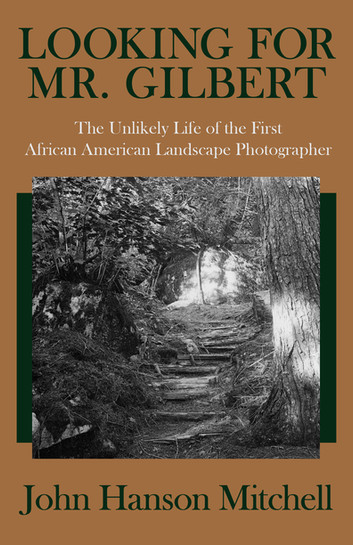
Description
Looking for Mr. Gilbert: The Unlikely Life of the First African American Landscape Photographer – A Groundbreaking Biography
Introduction to a Forgotten Pioneer
“Looking for Mr. Gilbert” by John Hanson Mitchell uncovers a remarkable story. This biography explores the life of Robert O. Gilbert, an African American landscape photographer. His achievements were largely forgotten by history until Mitchell’s investigation. Furthermore, the book reveals how Gilbert broke racial barriers in early photography. His work captured New England’s natural beauty during the late 1800s.
Mitchell embarked on a fascinating detective journey to find Gilbert’s story. The author pieced together fragments of historical records and photographs. Additionally, he interviewed descendants and searched through dusty archives. This investigative process forms a compelling narrative within the biography itself. Consequently, readers experience both Gilbert’s life and Mitchell’s discovery process.
The Pioneering Work of an African American Landscape Photographer
Robert O. Gilbert worked during an era of severe racial discrimination. Despite these obstacles, he established himself as a skilled photographer. He specialized in landscape photography, which was unusual for the time. Moreover, his technical mastery equaled that of his white contemporaries. Gilbert’s photographs documented rural Massachusetts with exceptional artistry and precision.
His work focused primarily on the natural world around him. He captured forests, streams, and pastoral scenes with remarkable sensitivity. Furthermore, Gilbert developed innovative techniques for outdoor photography. These methods helped him overcome the technical limitations of early cameras. His images reveal both artistic vision and deep environmental appreciation.
Gilbert operated a successful photography business in the late nineteenth century. He served both white and Black clients in his community. Additionally, he taught photography to aspiring artists of all backgrounds. His studio became a gathering place for creative individuals. Therefore, Gilbert’s influence extended beyond his own photographic work.
Mitchell’s Detective Work and Historical Recovery
John Hanson Mitchell discovered Gilbert’s story almost by accident. He found old photographs in a local historical society’s collection. However, very little information accompanied these beautiful landscape images. This mystery sparked Mitchell’s determination to uncover the photographer’s identity.
The author spent years researching Gilbert’s life and career. He examined census records, newspaper archives, and property documents. Meanwhile, he tracked down Gilbert’s descendants across multiple states. These interviews provided crucial insights into the photographer’s character. Consequently, Mitchell reconstructed a life nearly lost to history.
The biography reveals systemic erasure of African American contributions. Mainstream art historians overlooked Gilbert’s achievements for decades. Furthermore, his race likely prevented him from receiving wider recognition during his lifetime. Mitchell’s work corrects this historical injustice through meticulous documentation. His research methodology serves as a model for recovering forgotten stories.
Key Themes Explored in the Biography
The book addresses several important historical and cultural topics:
- The challenges faced by African American artists in post-Civil War America
- Gilbert’s technical innovations in early landscape photography
- The role of photography in documenting environmental change
- How racial prejudice shaped art history and historical memory
- The importance of local history in understanding broader narratives
- Mitchell’s investigative methods for uncovering forgotten lives
- Gilbert’s legacy and influence on contemporary photographers
Why This Biography Matters Today
“Looking for Mr. Gilbert” fills a significant gap in photographic history. It demonstrates how many African American artists were excluded from recognition. Moreover, the book challenges readers to question whose stories get preserved. Gilbert’s rediscovery inspires efforts to find other forgotten pioneers.
The biography also highlights the importance of landscape photography. Gilbert’s images provide valuable historical documentation of New England’s environment. Additionally, they showcase the artistic contributions of African Americans. His work proves that excellence transcends racial barriers and prejudice.
Mitchell’s narrative style makes history accessible to general readers. He weaves together biography, detective story, and cultural commentary effectively. Furthermore, the book includes reproductions of Gilbert’s stunning photographs. These images allow readers to appreciate his artistic talent firsthand.
Conclusion
John Hanson Mitchell’s “Looking for Mr. Gilbert” rescues an important figure. This African American landscape photographer deserves recognition alongside celebrated contemporaries. The biography serves as both a historical correction and an inspiring narrative. Therefore, it stands as essential reading for photography enthusiasts and history lovers. Gilbert’s unlikely life story reminds us that genius exists everywhere.






Reviews
There are no reviews yet.