

Description
Armistead Maupin Memoir: Logical Family Chronicles a Journey from Darkness to Light
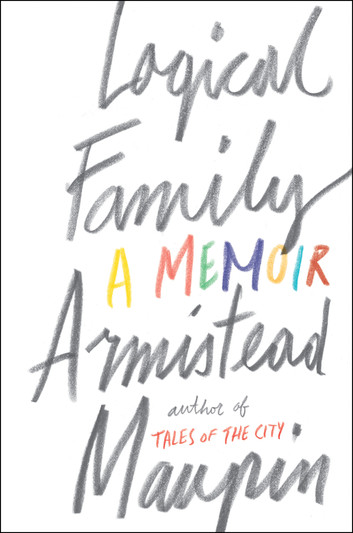
This Armistead Maupin memoir reveals the beloved author’s transformation from conservative Southerner to LGBTQ+ pioneer. Published in 2017, “Logical Family” traces Maupin’s remarkable journey toward self-acceptance and freedom. Moreover, it introduces readers to the concept of “logical family”—the chosen people who truly support us. The book earned widespread critical acclaim for its honesty, humor, and profound insights.
Maupin grew up in Raleigh, North Carolina, during the 1940s and 1950s. His father was a conservative lawyer who displayed furniture made by enslaved people. In addition, his mother embodied the traditional Southern belle archetype perfectly. Yet, young Armistead felt different from his family’s rigid expectations and values.
The author spent years trying desperately to please his disapproving father. He served in the Navy during the Vietnam War era. Furthermore, he worked as a journalist while hiding his true identity from everyone. This double life left him feeling empty, lost, and profoundly disconnected.
From Conservative Roots to San Francisco Liberation
The Armistead Maupin memoir details his dramatic move to San Francisco in 1971. This relocation changed everything about how he understood himself and his possibilities. The city offered him freedom, acceptance, and a vibrant community of diverse people. Therefore, San Francisco became the place where Maupin finally discovered his authentic self.
Before arriving in California, Maupin had experienced only one sexual encounter. He lived in constant fear of discovery and social rejection from everyone. However, San Francisco’s open culture allowed him to explore his identity without shame. The city’s dynamic landscape provided endless inspiration for his future creative work.
Maupin quickly fell in love with San Francisco’s liberating atmosphere and possibilities. He found himself surrounded by people who celebrated difference rather than condemning it. Moreover, he discovered a community that valued authenticity over conformity and pretense. This environment nurtured his growth as both a writer and a person.
The memoir describes how Maupin began building his “logical family” during this period. These were friends who accepted him completely without judgment or conditions attached. In addition, they provided the unconditional love his biological family had withheld. This chosen family became his true home and source of strength.
Tales of the City: Writing That Changed Everything
In 1976, Maupin began writing his groundbreaking “Tales of the City” serial column. The San Francisco Chronicle published these daily installments to immediate reader enthusiasm. Furthermore, the stories featured openly gay characters living remarkably normal, relatable lives. This representation was revolutionary for mainstream American media at that time.
The Armistead Maupin memoir explains how “Tales of the City” became a cultural phenomenon. The serial attracted devoted readers who cut out each installment religiously. Moreover, it introduced straight audiences to LGBTQ+ experiences with warmth and humor. The stories worked like a “Trojan horse,” as author Neil Gaiman observed.
Maupin created unforgettable characters that readers embraced across all demographic boundaries. Anna Madrigal, the transgender landlady, became his “proudest achievement” as a writer. In addition, Michael Tolliver represented the naive gay man finding his way. Mary Ann Singleton embodied the Midwestern transplant discovering herself in California.
The column eventually expanded into nine beloved novels spanning several decades. It also inspired multiple television adaptations and a recent Netflix revival series. Therefore, “Tales of the City” became Maupin’s enduring legacy to American literature. The work helped countless readers understand and accept LGBTQ+ people as neighbors.
The Famous Letter to Mama: Coming Out Publicly
The memoir includes Maupin’s iconic 1977 “Letter to Mama” that changed everything. He published this coming-out letter through his character Michael Tolliver’s voice. However, his parents immediately recognized it as Armistead’s own heartfelt confession. The letter appeared in the San Francisco Chronicle for all readers to see.
Maupin wrote: “I’ve found my home and my family here in San Francisco.” He explained that the city had shown him “the limitless possibilities of living.” Moreover, he expressed hope that his mother would eventually understand and accept him. The letter became an anthem for gay men’s choruses worldwide over time.
His father’s response arrived weeks later with devastating coldness and rejection. The brief note warned that additional stress might kill Maupin’s ailing mother. Therefore, the message was clear: shut up before you destroy the family. This painful response deepened the divide between Maupin and his biological relatives.
Yet, hundreds of readers sent Maupin letters thanking him for his courage. Many copied the letter verbatim and sent it to their own parents. In addition, the letter has been set to music three times since. It remains a powerful statement of self-acceptance and hope for understanding.
Understanding the Concept of Logical Family
The Armistead Maupin memoir centers on the idea of “logical family” versus biological family. Maupin writes: “Sooner or later, we have to venture beyond our biological family.” We must find “the one that actually makes sense for us,” he explains. Therefore, we can live without squandering our precious lives on toxic relationships.
This concept resonates deeply with LGBTQ+ people who face family rejection regularly. However, it also speaks to anyone who feels misunderstood by blood relatives. The logical family consists of people who love you unconditionally and completely. Moreover, they support your authentic self rather than demanding you change fundamentally.
Maupin’s logical family included friends, lovers, mentors, and chosen relatives throughout decades. These relationships sustained him through the devastating AIDS crisis of the 1980s. In addition, they provided joy, meaning, and purpose during his darkest moments. The memoir celebrates these connections with profound gratitude and deep affection.
Key members of Maupin’s logical family included:
- Nancy McDaniel: The Midwestern friend who inspired the Mary Ann character
- Rock Hudson: The closeted actor who became a friend before his death
- Harvey Milk: The murdered gay rights pioneer and political inspiration
- Christopher Turner: Maupin’s photographer husband who suggested the memoir’s title
- Mrs. Peacock: His high school English teacher who encouraged his writing talent
The memoir demonstrates how these relationships shaped Maupin’s life and work profoundly. They gave him strength to continue writing during difficult periods of loss. Furthermore, they proved that family is defined by love, not biology alone.
Confronting the AIDS Crisis and Devastating Loss
The Armistead Maupin memoir addresses the AIDS epidemic that decimated San Francisco’s gay community. Maupin lost countless friends, lovers, and chosen family members to the disease. Moreover, he watched an entire generation of vibrant young men disappear. The crisis brought unimaginable grief and trauma to survivors like himself.
Maupin writes honestly about the fear that pervaded the community during this period. “We thought we were all going to die,” he recalls with stark honesty. Yet, the crisis also strengthened bonds within the logical family that remained. Therefore, survivors clung to each other with renewed appreciation and fierce loyalty.
The memoir includes touching tributes to friends who died too young. Maupin celebrates their lives rather than dwelling exclusively on their deaths. In addition, he honors their memory by continuing to fight for equality. His writing became a form of activism and resistance during this time.
The AIDS crisis appears throughout Maupin’s “Tales of the City” novels as well. He refused to ignore the reality his community faced every single day. However, he balanced tragedy with hope, humor, and human connection always. This approach helped readers process grief while maintaining faith in the future.
Reconciling with Family and Finding Peace
Maupin’s relationship with his biological family remained complicated throughout his entire life. His father never fully accepted his son’s sexuality or chosen lifestyle. However, the elder Maupin mellowed slightly before his death in 2005. The memoir explores this difficult relationship with remarkable honesty and minimal bitterness.
Maupin’s mother proved more accepting over time, though she struggled initially. She eventually visited San Francisco and witnessed the community her son loved. Moreover, she attended a memorial for Harvey Milk alongside her son. This experience opened her eyes to the importance of his work.
Yet, Maupin’s brother Tony remained deeply conservative and opposed to gay rights. Tony voted to ban gay marriage in North Carolina years later. In addition, he celebrated Donald Trump’s election, which Maupin called “a new fascist regime.” This political divide created an unbridgeable gap between the brothers permanently.
The memoir concludes with Maupin finally calling time on his biological family. He chooses his logical family over blood relatives who refuse to accept him. Therefore, he finds peace by releasing the need for his father’s approval. This decision represents the culmination of his lifelong journey toward self-acceptance.
Why This Memoir Matters Today
This memoir arrives at a crucial moment in American history and politics. The Trump administration has emboldened anti-LGBTQ+ sentiment across the country, Maupin observes. Moreover, the nation remains “more divided than at any time since the Civil War.” Therefore, stories of acceptance and chosen family feel more urgent than ever.
Maupin demonstrates that transformation from darkness to light is always possible. He moved from conservative segregationist to pioneering LGBTQ+ advocate over decades. In addition, he found love, purpose, and community despite enormous obstacles. His journey offers hope to anyone struggling with family rejection or self-doubt.
The book also preserves crucial LGBTQ+ history for younger generations who didn’t experience it. Maupin witnessed the gay liberation movement, the AIDS crisis, and marriage equality. Furthermore, he participated actively in creating cultural change through his influential writing. His firsthand account provides invaluable historical context and personal testimony.
Critics praised the memoir for its candor, humor, and emotional depth. Mary Karr called it “a must-read” with “effervescent” storytelling throughout. Moreover, reviewers noted Maupin’s ability to balance poignancy with levity skillfully. The book succeeds as both personal narrative and cultural history simultaneously.
Maupin’s Legacy as a Cultural Pioneer
The memoir reflects on Maupin’s extraordinary influence on LGBTQ+ representation in media. His “Tales of the City” series introduced millions to gay characters and experiences. Moreover, it normalized LGBTQ+ lives for mainstream audiences across America and beyond. This cultural impact cannot be overstated or easily measured in simple terms.
Maupin remains modest about his pioneering role in changing hearts and minds. “I’m very proud of my role in changing people’s minds,” he acknowledges. However, he notes that “others have done much more in changing laws.” This humility characterizes his approach to activism and public life throughout.
The memoir includes black-and-white photographs that bring Maupin’s story to vivid life. Readers see him as a young Navy serviceman, a Chronicle columnist, and more. In addition, the images capture the vibrant San Francisco community he loved. These visual elements enhance the narrative’s emotional impact and historical authenticity.
Maupin’s husband Christopher suggested the title “Logical Family” for the memoir. This concept perfectly captures the book’s central theme and message about chosen connections. Therefore, the title resonates with readers who have built their own logical families. It validates the importance of relationships based on mutual love and respect.
Conclusion: A Testament to Authenticity and Chosen Love
“Logical Family” stands as Armistead Maupin’s most personal and vulnerable work. He exposes his struggles, regrets, and triumphs with unflinching honesty throughout. Moreover, he demonstrates that living authentically requires courage but brings ultimate fulfillment. The memoir inspires readers to seek their own logical families and true selves.
Maupin’s journey from closeted conservative to out-and-proud pioneer offers universal lessons. We all must decide whether to live for others’ approval or our own happiness. In addition, we must choose between toxic biological ties and nurturing chosen relationships. The memoir provides a roadmap for making these difficult but necessary choices.
The book succeeds because Maupin writes with humor, grace, and profound humanity. He never portrays himself as a perfect hero or victim of circumstances. Instead, he shows his flaws, mistakes, and gradual growth over many decades. This honesty makes his story relatable and inspiring to diverse readers everywhere.
“Logical Family” reminds us that family is ultimately defined by love, not blood. The people who truly see and accept us become our real family. Therefore, we owe ourselves the gift of finding and cherishing these precious connections. Maupin’s memoir celebrates this truth with joy, wisdom, and hard-won understanding.






Reviews
There are no reviews yet.