Description
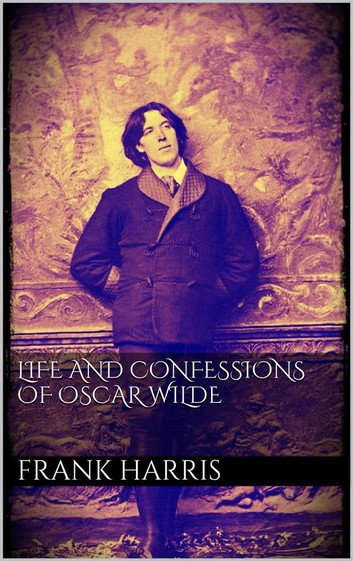
Life and Confessions of Oscar Wilde: Frank Harris’s Intimate Portrait of a Literary Genius
Introduction: Understanding Life and Confessions of Oscar Wilde
The Life and Confessions of Oscar Wilde stands as one of literature’s most controversial biographies. Frank Harris wrote this intimate portrait of his friend Oscar Wilde. Published after Wilde’s tragic death, it reveals the man behind the legend. Moreover, Harris provides firsthand accounts of Wilde’s brilliance and downfall.
This book offers more than a simple biography. Instead, it presents a deeply personal memoir of friendship. Harris knew Wilde during his greatest triumphs and darkest hours. Therefore, his perspective carries unique authenticity and emotional weight.
The biography explores Wilde’s genius, wit, and fatal flaws. Additionally, it examines the role of Victorian society in his destruction. Harris doesn’t shy away from controversial topics or difficult truths. Consequently, readers gain unprecedented insight into Wilde’s complex character.
Who Was Frank Harris?
Frank Harris was a journalist, editor, and writer. He moved in London’s literary circles during the 1890s. Furthermore, he befriended many prominent writers and artists of his era. His bold personality matched Wilde’s own flamboyant nature perfectly.
Harris edited several influential magazines and newspapers. He championed controversial causes and unconventional ideas. Moreover, he possessed a reputation for fearless honesty. This made him both admired and criticized by contemporaries.
His friendship with Wilde began during Wilde’s peak of success. They shared intellectual interests and bohemian lifestyles. Therefore, Harris witnessed Wilde’s transformation from celebrated playwright to imprisoned outcast. This personal connection shapes every page of the biography.
Oscar Wilde’s Early Life and Rise
Wilde was born in Dublin in 1854. His parents were accomplished intellectuals who encouraged his creativity. Additionally, his mother hosted a famous literary salon. Young Oscar absorbed culture and wit from an early age.
He excelled at Trinity College Dublin and later Oxford. His brilliant academic performance earned him prestigious prizes. Moreover, he developed his distinctive aesthetic philosophy during these years. Wilde became known for his paradoxical wit and unconventional views.
After university, Wilde conquered London society. He became famous for his conversation before publishing anything significant. Furthermore, his flamboyant dress and manner made him instantly recognizable. Society both mocked and adored his theatrical personality.
Literary Achievements and Genius
Harris devotes considerable attention to Wilde’s literary accomplishments. The biography examines his plays, poems, and prose works. Additionally, it analyzes what made Wilde’s writing so distinctive. His combination of wit and depth revolutionized English drama.
Wilde’s plays dominated London theaters in the early 1890s. “Lady Windermere’s Fan” and “A Woman of No Importance” achieved tremendous success. Moreover, “The Importance of Being Earnest” became his masterpiece. These comedies sparkled with epigrams and social satire.
His novel “The Picture of Dorian Gray” scandalized Victorian readers. The book provocatively explored beauty, morality, and corruption. Furthermore, it hinted at forbidden desires that shocked conservative society. Critics attacked it, but readers found it fascinating.
Harris also praises Wilde’s essays and fairy tales. “The Soul of Man Under Socialism” demonstrated his political thinking. Meanwhile, his children’s stories revealed unexpected tenderness. Thus, Wilde’s range extended far beyond comedy.
The Scandal That Destroyed Him
The Life and Confessions of Oscar Wilde addresses the scandal unflinchingly. Harris provides detailed accounts of Wilde’s relationship with Lord Alfred Douglas. This passionate friendship ultimately led to Wilde’s destruction. Moreover, Harris criticizes Douglas’s role in the tragedy.
The Marquess of Queensberry, Douglas’s father, publicly accused Wilde. He left a card calling Wilde a sodomite. Instead of ignoring the insult, Wilde sued for libel. This decision proved catastrophically wrong, as Harris had warned.
The libel trial exposed Wilde’s private life to public scrutiny. Evidence emerged of his relationships with young men. Consequently, Wilde faced criminal prosecution under Victorian morality laws. Harris describes the trials with painful detail and obvious sympathy.
Harris’s Perspective on the Trials
Harris believed Wilde should have fled England immediately. He offered to help Wilde escape to France. However, Wilde refused, perhaps from pride or fatalism. Therefore, he remained to face inevitable conviction and imprisonment.
Harris criticizes the legal proceedings as fundamentally unjust. Victorian laws criminalized private consensual behavior between adults. Moreover, the trials revealed society’s hypocrisy about sexuality. Many prominent men engaged in similar conduct secretly.
The biography portrays Wilde as a martyr to intolerance. Harris argues that genius deserves protection, not persecution. Furthermore, he suggests that jealousy motivated Wilde’s prosecutors. Society punished him for being too brilliant and unconventional.
Prison and Suffering
Wilde received two years’ hard labor in Reading Gaol. The conditions were deliberately brutal and dehumanizing. Additionally, prisoners endured silence, isolation, and physical punishment. Harris describes these horrors with righteous anger.
The imprisonment permanently damaged Wilde’s health. He suffered from illness, malnutrition, and psychological trauma. Moreover, the experience broke his creative spirit almost completely. The vibrant wit became a shadow of himself.
Harris visited Wilde in prison when few others dared. He witnessed his friend’s physical and mental deterioration firsthand. Therefore, his account carries particular emotional power and authenticity. The visits clearly haunted Harris for years afterward.
Wilde wrote “De Profundis” while in prison. This long letter to Douglas expressed his suffering and reflection. Furthermore, it showed Wilde seeking meaning in tragedy. Harris considers it among Wilde’s most profound works.
Exile and Final Years
After release, Wilde left England forever. He lived in France under the name Sebastian Melmoth. Additionally, he depended on friends’ charity for survival. His reputation prevented him from earning money through writing.
Harris describes Wilde’s exile as deeply melancholy. The former celebrity now lived in poverty and obscurity. Moreover, he struggled with alcoholism and declining health. Few former friends maintained contact with the disgraced writer.
Despite everything, Wilde retained flashes of his old brilliance. His conversation could still dazzle when circumstances permitted. However, these moments became increasingly rare as despair deepened. Harris treasured their final meetings despite their sadness.
Wilde died in Paris in 1900, aged only forty-six. He died in a cheap hotel room, nearly penniless. Furthermore, only a handful of people attended his funeral. Harris mourns this tragic end to such extraordinary talent.
Harris’s Controversial Approach
The Life and Confessions of Oscar Wilde generated significant controversy. Harris included explicit discussions of Wilde’s sexuality and relationships. Moreover, he criticized Victorian society’s hypocrisy about sexual matters. Many readers found his frankness shocking and inappropriate.
Some critics questioned Harris’s accuracy and motivations. They suggested he exaggerated his closeness to Wilde. Additionally, they accused him of sensationalizing events for commercial purposes. Harris’s own reputation for embellishment fueled these doubts.
However, Harris defended his approach as necessary honesty. He believed Wilde’s story required complete truthfulness. Furthermore, he argued that sanitized versions dishonored his friend’s memory. Only frank discussion could reveal the full tragedy.
The biography also includes Harris’s own philosophical reflections. He discusses art, morality, society, and human nature extensively. Therefore, the book becomes, in part, Harris’s own memoir. This dual perspective adds depth but sometimes overshadows Wilde.
Key Themes in the Biography
Harris explores several recurring themes throughout the book:
- The conflict between genius and conventional society
- Victorian hypocrisy about sexuality and morality
- The destructive power of pride and poor judgment
- Friendship’s obligations during times of disgrace
- Art’s relationship to life and morality
- The price of nonconformity in rigid societies
- Suffering’s potential for spiritual transformation
Each theme receives extensive treatment through anecdotes and analysis. Additionally, Harris connects Wilde’s personal story to broader social issues. This approach gives the biography philosophical weight beyond simple storytelling.
Why This Biography Matters Today
The Life and Confessions of Oscar Wilde remains important for multiple reasons. First, it provides irreplaceable firsthand testimony about Wilde’s character. Harris knew him personally during crucial periods. Therefore, his observations carry unique historical value despite any embellishments.
Second, the biography documents Victorian attitudes toward sexuality and nonconformity. It shows how society destroyed those who violated its norms. Moreover, it reveals the human cost of intolerance and rigid morality. These lessons remain relevant in contemporary discussions.
Third, Harris’s book influenced how later generations understood Wilde. It shaped the popular image of Wilde as a tragic martyr. Furthermore, it encouraged more open discussion of his sexuality. The biography helped begin Wilde’s rehabilitation and recognition.
Finally, the book offers insights into the creative personality. It explores how genius operates and what threatens it. Additionally, it examines the relationship between life and art. These questions continue to fascinate readers and scholars today.
Criticisms and Limitations
Modern readers should approach this biography with some caution. Harris’s reliability as a narrator has been questioned extensively. He sometimes exaggerated his own importance in events. Moreover, he occasionally invented conversations and details for dramatic effect.
The biography reflects Harris’s own biases and limitations. His Victorian attitudes sometimes show despite his progressive stance. Additionally, his focus on certain aspects neglects other important elements. A complete picture requires consulting multiple sources.
Harris’s writing style can seem overwrought to contemporary readers. He favored dramatic language and emotional appeals. Furthermore, his philosophical digressions sometimes interrupt the narrative flow. Modern biographies typically employ more restrained approaches.
Despite these limitations, the book retains significant value. It captures the emotional truth of Wilde’s tragedy powerfully. Moreover, it preserves important details found nowhere else. Scholars continue mining it for insights and information.
The Book’s Literary Qualities
Beyond its biographical content, Harris’s book demonstrates considerable literary merit. His prose often achieves genuine eloquence and power. Additionally, his character portraits bring Victorian London to vivid life. The writing succeeds as literature, not merely documentation.
Harris structures the narrative for maximum dramatic impact. He builds tension effectively, leading up to the trial scenes. Moreover, he uses foreshadowing and irony skillfully throughout. These techniques make the book compelling even though the reader knows the outcome.
The dialogue, whether accurate or reconstructed, sparkles with wit. Harris captures Wilde’s conversational brilliance effectively on the page. Furthermore, he conveys the intellectual excitement of their discussions. Readers understand why Wilde’s company was so prized.
The biography also contains moments of genuine pathos. Harris’s descriptions of Wilde’s suffering move readers deeply. Additionally, his anger at injustice comes through powerfully. The emotional authenticity compensates for any factual liberties taken.
Comparing Harris to Other Wilde Biographers
Many biographers have written about Oscar Wilde since Harris. Richard Ellmann’s definitive biography appeared decades later with superior scholarship. Moreover, recent biographers have had access to materials unavailable to Harris. They provide more balanced and accurate accounts.
However, Harris offers something these later works cannot match. He knew Wilde personally and witnessed events firsthand. Therefore, his testimony provides primary source material for other biographers. His book becomes part of Wilde’s story itself.
Harris’s emotional investment creates both strengths and weaknesses. His passion makes the narrative compelling and immediate. Yet, it also clouds his judgment and objectivity. Later biographers achieve greater balance but less intensity.
Modern readers benefit from consulting multiple Wilde biographies. Each offers different perspectives and emphasizes different aspects. Together, they create a fuller picture than any single work. Harris’s contribution remains valuable within this larger context.
The Book’s Cultural Impact
The Life and Confessions of Oscar Wilde significantly influenced culture. It helped keep Wilde’s memory alive during decades of neglect. Moreover, it inspired artists, writers, and activists who identified with Wilde. The book became a touchstone for outsiders and nonconformists.
The biography contributed to changing attitudes about sexuality and tolerance. It presented a sympathetic portrait of someone society had condemned. Furthermore, it questioned the justice of laws criminalizing private behavior. This helped prepare the ground for eventual legal reforms.
Writers and artists found inspiration in Wilde’s story as Harris told it. The tragic genius destroyed by philistine society became a powerful archetype. Additionally, Wilde’s wit and aesthetic philosophy gained new admirers. Harris’s book facilitated Wilde’s posthumous rehabilitation and celebration.
The biography also influenced how people write about controversial figures. Harris’s frankness, despite its problems, opened new possibilities. Moreover, it demonstrated that sympathetic treatment needn’t mean dishonest whitewashing. Complex figures deserve complex, honest portrayals.
Conclusion: A Flawed but Essential Portrait
The Life and Confessions of Oscar Wilde remains essential reading despite its flaws. Frank Harris created a passionate, personal tribute to his brilliant friend. Moreover, he preserved invaluable details and impressions from direct experience. No understanding of Wilde is complete without consulting this work.
The biography succeeds in its primary goal: making readers care about Wilde. Harris conveys both the genius and the tragic powerfully. Furthermore, he makes Victorian society’s cruelty viscerally real and infuriating. The emotional impact justifies the book’s continued relevance.
Modern readers should approach it as one perspective among many. Supplement Harris with more scholarly biographies for factual accuracy. However, don’t dismiss his contribution because of its limitations. The passion and immediacy offer something irreplaceable and valuable.
Ultimately, this book honors Wilde’s memory by refusing to be silent or ashamed. Harris insisted his friend deserved honest remembrance, not erasure. Therefore, he told the story in its entirety, including uncomfortable truths. This courage makes the biography a fitting tribute to Wilde’s own fearless honesty.
Whether you’re discovering Wilde for the first time or deepening your knowledge, Harris’s biography offers rewards. It brings you close to an extraordinary personality and a tragic story. Moreover, it raises timeless questions about genius, society, and human nature. The Life and Confessions of Oscar Wilde endures because these questions never lose their urgency.



Reviews
There are no reviews yet.