Description
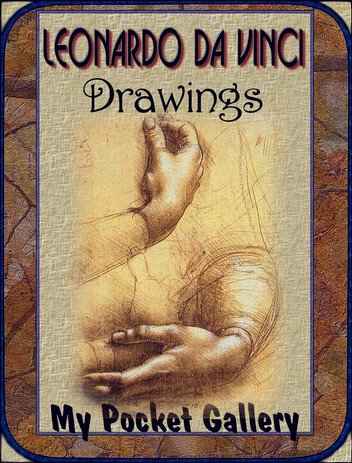
Leonardo da Vinci Drawings: Annotated drawings by Daniel Coenn – A Masterpiece Collection
Discover the Genius Through Leonardo da Vinci Drawings
Step into the mind of history’s greatest polymath. Leonardo da Vinci Drawings: Annotated drawings by Daniel Coenn offers an extraordinary journey through the Renaissance master’s creative process. Furthermore, this e-book provides unprecedented access to the sketches that shaped modern art and science.
Leonardo da Vinci remains unmatched in his contributions to humanity. His drawings reveal a mind that seamlessly blended art with engineering. Moreover, they showcase observations that were centuries ahead of their time.
This carefully curated collection brings together his most significant works. Additionally, Daniel Coenn’s expert annotations illuminate the context behind each piece. Consequently, readers gain deeper understanding of Leonardo’s revolutionary techniques and ideas.
What Makes Leonardo da Vinci Drawings Special
Daniel Coenn has meticulously annotated each drawing in this collection. Therefore, readers don’t just see the artwork—they understand it. The annotations explain the historical context, artistic techniques, and scientific principles behind each sketch.
Unlike simple image compilations, this e-book offers educational value. Each annotation reveals Leonardo’s thought process and methodology. Subsequently, readers appreciate the depth of his genius in new ways.
The book transforms casual viewing into meaningful learning. Indeed, Coenn’s insights help modern audiences connect with Renaissance brilliance. As a result, this collection serves both art enthusiasts and academic researchers.
The Breadth of Leonardo’s Artistic Vision
Leonardo’s drawings span an incredible range of subjects. His curiosity knew no boundaries, and his sketches reflect this. Furthermore, each drawing demonstrates his unparalleled observational skills and technical mastery.
Anatomical Studies
Leonardo’s anatomical drawings revolutionized medical illustration. He dissected over 30 human bodies to understand physiology. Consequently, his sketches show muscles, organs, and skeletal structures with stunning accuracy.
These drawings weren’t merely artistic exercises. Instead, they represented serious scientific inquiry. Moreover, they influenced medical education for centuries after his death.
Engineering and Invention Designs
His mechanical drawings showcase visionary engineering concepts. Leonardo designed flying machines, war devices, and hydraulic systems. Additionally, many inventions anticipated modern technology by hundreds of years.
The sketches reveal his problem-solving approach. Each design includes multiple perspectives and detailed mechanisms. Therefore, readers witness the birth of ideas that shaped technological progress.
Nature and Botanical Illustrations
Leonardo observed nature with scientific precision. His botanical drawings capture intricate details of plants and flowers. Furthermore, they demonstrate his belief that art and science were inseparable.
These studies influenced both artistic representation and scientific documentation. Indeed, his approach to natural observation became a model for future generations. Subsequently, his methods remain relevant to contemporary artists and scientists.
Understanding Annotated Drawings and Their Value
Annotated drawings include explanatory notes alongside the original artwork. These annotations provide context that enhances comprehension. Moreover, they bridge the gap between historical creation and modern understanding.
Daniel Coenn’s annotations serve multiple purposes:
- Historical Context: Explains when and why Leonardo created each drawing.
- Technical Analysis: Describes the materials, techniques, and methods used.
- Scientific Interpretation: Clarifies the principles Leonardo was exploring.
- Artistic Significance: Highlights the drawing’s influence on art history.
- Translation Notes: Provides English translations of Leonardo’s mirror-script annotations.
Without annotations, viewers might miss crucial details. Leonardo often wrote notes in mirror script beside his drawings. Therefore, Coenn’s translations make these insights accessible to English readers.
The annotations also correct common misconceptions. Many Leonardo drawings have been misinterpreted over centuries. Consequently, this e-book offers accurate, research-based explanations.
What Readers Will Find in This E-Book
This comprehensive collection includes drawings from various periods of Leonardo’s life. Each section focuses on different aspects of his work. Additionally, the organization makes navigation intuitive and enjoyable.
Early Career Sketches
The book begins with Leonardo’s formative years in Florence. These drawings show his developing style and technique. Furthermore, they reveal influences from his master, Andrea del Verrocchio.
Readers observe how Leonardo refined his approach over time. His early works already demonstrate exceptional skill. Nevertheless, they also show his continuous pursuit of improvement.
Masterwork Studies
The collection includes preparatory sketches for Leonardo’s famous paintings. Studies for “The Last Supper” and “Mona Lisa” appear here. Moreover, these sketches reveal his meticulous planning process.
Each study shows different compositional approaches. Leonardo experimented extensively before finalizing designs. Therefore, these drawings offer insight into his creative decision-making.
Scientific Investigations
Leonardo’s scientific drawings form a substantial portion of the collection. They cover anatomy, geology, botany, and physics. Additionally, they demonstrate his empirical approach to understanding nature.
These sketches aren’t merely illustrations. Instead, they represent original research and discovery. Consequently, they hold value for both art and science enthusiasts.
Architectural and Engineering Plans
The e-book features Leonardo’s architectural designs and city planning concepts. His engineering drawings include bridges, fortifications, and urban infrastructure. Furthermore, they showcase his practical problem-solving abilities.
Many designs were never built during his lifetime. However, they influenced architectural thinking for generations. Indeed, some concepts have been constructed in modern times.
The Types of Leonardo da Vinci Drawings Featured
This collection encompasses the full spectrum of Leonardo’s graphic work. Each type demonstrates different aspects of his genius. Moreover, the variety keeps readers engaged throughout the e-book.
Pen and Ink Drawings: These showcase Leonardo’s confident linework and hatching techniques. His pen drawings display remarkable precision and control. Additionally, they often include extensive written notes.
Chalk and Charcoal Studies: Softer media allowed Leonardo to explore tonal values. These drawings emphasize light, shadow, and three-dimensional form. Furthermore, they demonstrate his understanding of atmospheric perspective.
Silverpoint Sketches: This demanding technique requires exceptional skill. Leonardo mastered silverpoint early in his career. Consequently, these delicate drawings reveal his technical prowess.
Red Chalk Portraits: Leonardo’s red chalk portraits capture human emotion beautifully. The medium’s warmth suits portraiture perfectly. Moreover, these drawings influenced portrait techniques for centuries.
Mixed Media Compositions: Some drawings combine multiple techniques. Leonardo experimented freely with materials and methods. Therefore, these works showcase his innovative spirit.
Why This Collection Matters Today
Leonardo da Vinci’s drawings remain profoundly relevant. They inspire contemporary artists, designers, and scientists. Furthermore, they demonstrate the power of interdisciplinary thinking.
Timeless Artistic Excellence
Leonardo’s technical mastery sets a standard for all artists. His understanding of anatomy, perspective, and composition remains unsurpassed. Additionally, his drawings teach fundamental principles that transcend time.
Modern artists study these works to improve their craft. The drawings reveal techniques applicable to contemporary practice. Consequently, they serve as an eternal masterclass in visual art.
Scientific Curiosity and Method
Leonardo’s empirical approach anticipated the scientific method. He observed, hypothesized, and tested through drawing. Moreover, his interdisciplinary thinking offers lessons for modern researchers.
Today’s innovators benefit from his example. Leonardo showed that creativity and analysis work together. Therefore, his drawings inspire holistic approaches to problem-solving.
Historical and Cultural Significance
These drawings document Renaissance thought and culture. They provide windows into 15th- and 16th-century life. Additionally, they reveal how one individual shaped Western civilization.
Understanding Leonardo enriches our cultural literacy. His influence permeates art, science, and technology. Indeed, studying his work deepens appreciation for human achievement.
Daniel Coenn’s Expert Annotations
Daniel Coenn brings scholarly expertise to this collection. His annotations reflect years of research and study. Furthermore, his accessible writing style makes complex ideas understandable.
Coenn contextualizes each drawing within Leonardo’s life and times. He explains the circumstances surrounding each work’s creation. Moreover, he connects individual drawings to Leonardo’s broader projects and interests.
The annotations also address technical aspects. Coenn describes Leonardo’s materials, tools, and techniques. Subsequently, readers gain practical knowledge about Renaissance artistic practice.
Historical accuracy guides all annotations. Coenn distinguishes between documented facts and scholarly speculation. Therefore, readers receive reliable, trustworthy information.
Compelling Reasons to Read This E-Book
This collection offers unique value for diverse audiences. Whether you’re an artist, historian, or curious reader, you’ll find enrichment here. Additionally, the e-book format provides convenient access to these masterworks.
For Artists and Designers
Study Leonardo’s techniques to improve your own work. His drawings teach composition, anatomy, and perspective. Furthermore, they demonstrate how observation fuels creativity.
The annotations explain technical details that artists need. You’ll learn about Leonardo’s materials and methods. Consequently, you can apply these insights to contemporary practice.
For History and Culture Enthusiasts
Explore the Renaissance through its greatest mind. Leonardo’s drawings illuminate his era’s values and knowledge. Moreover, they show how one individual transcended his time’s limitations.
The historical context enriches your understanding. Coenn’s annotations place each drawing in its proper setting. Therefore, you gain comprehensive knowledge of Renaissance culture.
For Science and Technology Fans
Discover how art and science intersect. Leonardo’s drawings demonstrate empirical observation and analysis. Additionally, they showcase innovations that anticipated modern technology.
His approach to problem-solving remains instructive. The drawings reveal systematic thinking and experimentation. Indeed, they offer lessons for contemporary innovators.
For Educators and Students
This e-book serves as an excellent educational resource. Teachers can use it to illustrate multiple subjects. Furthermore, students gain access to primary historical sources.
The annotations provide ready-made teaching points. They explain complex concepts in accessible language. Consequently, the book supports learning across disciplines.
Accessibility and Convenience of the E-Book Format
The digital format offers significant advantages. You can access Leonardo da Vinci Drawings anywhere, anytime. Moreover, e-books allow for easy searching and navigation.
Zoom features let you examine details closely. You can study individual pen strokes and subtle shading. Additionally, digital viewing often reveals details invisible in print.
The e-book is environmentally friendly and space-efficient. You don’t need physical storage for this extensive collection. Furthermore, the digital format keeps costs affordable.
Updates and corrections can be implemented easily. If new research emerges, the e-book can be revised. Therefore, you receive the most current scholarship available.
The Legacy of Leonardo da Vinci
Leonardo’s influence extends far beyond his lifetime. His drawings inspired countless artists, scientists, and thinkers. Moreover, they continue shaping how we understand creativity and innovation.
He demonstrated that disciplines need not be separate. Art informs science, and science enriches art. Consequently, Leonardo’s holistic approach remains a model for integrated thinking.
His relentless curiosity drove unprecedented achievements. Leonardo never stopped questioning, observing, and experimenting. Indeed, his example encourages lifelong learning and growth.
The drawings preserve his genius for future generations. They allow us to witness his thought process directly. Therefore, they represent an invaluable cultural treasure.
How This Collection Enhances Appreciation
Daniel Coenn’s annotations transform passive viewing into active learning. You don’t just look at drawings—you understand them. Furthermore, this deeper engagement increases enjoyment and retention.
The book reveals layers of meaning in each sketch. What appears simple often contains profound complexity. Moreover, understanding context makes the artwork more meaningful.
Readers develop visual literacy through careful study. You learn to see what Leonardo saw. Consequently, this skill enhances appreciation of all visual art.
The collection also inspires personal creativity. Leonardo’s example encourages experimentation and curiosity. Therefore, readers often feel motivated to pursue their own creative projects.
A Journey Through Genius
Reading this e-book is like walking through Leonardo’s studio. You observe his works in progress and finished studies. Additionally, you gain insight into his daily practice and concerns.
The chronological organization shows artistic development. You witness Leonardo’s evolution from apprentice to master. Moreover, you see how his interests expanded over time.
Each drawing tells a story. Some reveal successful solutions to problems. Others show abandoned experiments and alternative approaches. Consequently, the collection presents a complete picture of creative work.
The annotations guide you through this journey. Coenn acts as an expert companion, explaining and contextualizing. Therefore, you never feel lost or overwhelmed.
The Intersection of Art and Science in Leonardo da Vinci Drawings
Leonardo refused to separate artistic and scientific pursuits. His drawings embody this integrated approach. Furthermore, they demonstrate how each discipline strengthens the other.
Artistic skill enabled accurate scientific documentation. Leonardo’s drawing ability captured details that words couldn’t describe. Moreover, his aesthetic sense made scientific illustrations beautiful.
Scientific knowledge improved his artistic work. Understanding anatomy made his figures more realistic. Additionally, studying optics enhanced his use of light and shadow.
This synthesis created something greater than either discipline alone. Leonardo’s drawings transcend categorization. Indeed, they represent human knowledge at its most unified.
Practical Information About the E-Book
ISBN: 1230000030752
Format: Digital e-book compatible with most devices
Content: Comprehensive collection of annotated Leonardo da Vinci drawings
Author: Daniel Coenn (annotations and commentary)
Ideal For: Art enthusiasts, history buffs, students, educators, and curious minds
The e-book includes high-resolution images for detailed examination. Each drawing appears with accompanying annotations on the same page. Furthermore, the layout facilitates easy reading and reference.
Navigation features allow quick access to specific sections. You can bookmark favorite drawings for later review. Additionally, search functions help locate particular topics or techniques.
Conclusion: Embrace the Renaissance Master’s Vision
Leonardo da Vinci Drawings: Annotated drawings by Daniel Coenn offers an unparalleled opportunity. You can explore the mind of history’s greatest genius from your own device. Moreover, expert annotations ensure you gain maximum understanding and appreciation.
This collection transcends simple art appreciation. It provides education, inspiration, and cultural enrichment. Furthermore, it demonstrates the heights human creativity and intellect can reach.
Whether you’re an artist seeking technical knowledge or a curious reader exploring history, this e-book delivers value. The combination of Leonardo’s genius and Coenn’s scholarship creates an essential resource. Additionally, the accessible format makes these masterworks available to everyone.
Don’t miss this chance to engage with Renaissance brilliance. Leonardo’s drawings have inspired generations for over 500 years. Indeed, they continue offering fresh insights and inspiration today.
Immerse yourself in Leonardo da Vinci Drawings and discover why his work remains eternally relevant. Experience the intersection of art and science through history’s most remarkable visual documents. Ultimately, this collection will transform how you see creativity, observation, and human potential.






Reviews
There are no reviews yet.