

Description
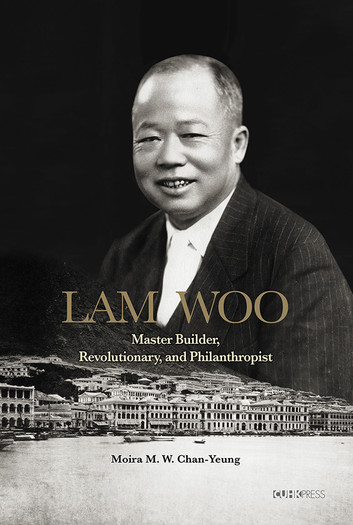
Lam Woo: Master Builder, Revolutionary, and Philanthropist—The Untold Story of Hong Kong’s Construction Pioneer
“Lam Woo: Master Builder, Revolutionary, and Philanthropist” by Moira M. W. Chan-Yeung reveals the extraordinary life of Hong Kong’s most influential early contractor. This compelling biography introduces readers to Lam Woo, a visionary builder who transformed Hong Kong’s landscape. Moreover, the book explores how one man’s ambition shaped an entire city’s development. Consequently, readers discover the hidden forces that built modern Hong Kong from the ground up.
Lam Woo exemplifies the marginal group of people who created Hong Kong’s foundation during turbulent times. He rose from humble beginnings to become the territory’s most successful Chinese building contractor. Furthermore, his company dominated Hong Kong’s construction industry throughout the early twentieth century. Therefore, understanding his story means understanding Hong Kong’s transformation from colonial outpost to thriving metropolis.
Moira M. W. Chan-Yeung combines meticulous research with engaging storytelling to bring this forgotten pioneer back to life. She draws on historical records, family archives, and construction documents to reconstruct his remarkable journey. Additionally, she places Lam Woo’s achievements within broader contexts of Chinese entrepreneurship and colonial development. However, she never loses sight of the human story behind the historical facts.
Lam Woo’s Revolutionary Impact as Master Builder in Early Hong Kong
The book chronicles how Lam Woo revolutionized construction practices in early twentieth-century Hong Kong systematically. He introduced modern building techniques that transformed how structures were designed and erected. Moreover, he trained generations of Chinese workers in advanced construction methods and safety practices. Consequently, his influence extended far beyond the buildings his company constructed directly.
Chan-Yeung examines the major projects that established Lam Woo’s reputation as Hong Kong’s premier contractor. His company built landmarks that still stand today as testaments to his engineering excellence. Furthermore, he completed projects that British contractors deemed impossible or too risky to undertake. Therefore, he proved Chinese entrepreneurs could compete with and surpass Western firms successfully.
Key achievements covered in the biography include:
- Pioneering construction techniques that became industry standards
- Building iconic structures that shaped Hong Kong’s skyline
- Training and employing thousands of Chinese workers
- Competing successfully against established British construction firms
- Navigating complex colonial politics and business relationships
- Establishing quality standards that elevated the entire industry
- Creating a business model that balanced profit with social responsibility
The author reveals how Lam Woo’s business acumen combined traditional Chinese values with modern practices. He maintained strong family connections while embracing Western construction technologies and management methods. Additionally, he understood that success required adapting to Hong Kong’s unique colonial environment. However, he never compromised his commitment to Chinese workers and community advancement.
The Philanthropist Who Built Communities Beyond Construction Projects
“Lam Woo: Master Builder, Revolutionary, and Philanthropist” explores his extensive charitable work and community contributions. He believed successful businessmen bore responsibility for improving society and helping those less fortunate. Moreover, he invested substantial portions of his wealth in education, healthcare, and social services. Consequently, his philanthropic legacy matched his construction achievements in lasting impact and significance.
Chan-Yeung documents how Lam Woo supported schools, hospitals, and charitable organizations throughout his lifetime. He funded educational opportunities for poor Chinese children who otherwise would have remained illiterate. Furthermore, he established scholarships and training programs that created pathways to prosperity for many. Therefore, his philanthropy transformed individual lives while strengthening Hong Kong’s Chinese community overall.
The book also examines how Lam Woo balanced business success with social responsibility during challenging times. He operated during periods of political upheaval, economic uncertainty, and social transformation in China. Additionally, he navigated the complex dynamics of colonial Hong Kong where Chinese entrepreneurs faced discrimination. However, he used his success to advocate for Chinese workers and challenge unfair practices.
Why Modern Readers Need This Master Builder’s Revolutionary Story
This biography offers crucial insights for anyone interested in Hong Kong’s development and Chinese entrepreneurship. Lam Woo’s story demonstrates how individuals can shape cities and societies through vision and determination. Moreover, his life illustrates the intersection of commerce, social change, and community service beautifully. Consequently, readers gain understanding of forces that created modern Hong Kong and contemporary Chinese business culture.
Business professionals will find valuable lessons in Lam Woo’s strategies for building successful enterprises ethically. He proved that profit and social responsibility can coexist and strengthen each other mutually. Furthermore, his approach to competition, innovation, and workforce development remains relevant today. Therefore, his example offers timeless wisdom for modern entrepreneurs and business leaders everywhere.
History enthusiasts will appreciate Chan-Yeung’s meticulous research and vivid portrayal of early twentieth-century Hong Kong. She brings this fascinating period to life through Lam Woo’s experiences and observations. Additionally, she illuminates the broader historical forces shaping China and Hong Kong during revolutionary times. However, she keeps the focus on human stories that make history accessible and engaging.
Conclusion: Rediscovering a Master Builder, Revolutionary, and Philanthropist
“Lam Woo: Master Builder, Revolutionary, and Philanthropist” rescues an important figure from historical obscurity successfully. Moira M. W. Chan-Yeung demonstrates why Lam Woo deserves recognition alongside other great builders and philanthropists. Moreover, she shows how his story illuminates Hong Kong’s transformation and Chinese entrepreneurial achievement.
This biography deserves attention from anyone interested in Hong Kong history, Chinese business development, or inspiring success stories. It combines scholarly rigor with accessible prose that engages specialists and general readers equally. Therefore, it succeeds as both historical contribution and compelling human story.
Ultimately, Lam Woo’s legacy reminds us that individuals can transform societies through vision, hard work, and commitment to community. By understanding his achievements as master builder, revolutionary, and philanthropist, we gain inspiration for our own endeavors. Consequently, this book offers both historical knowledge and timeless lessons for contemporary readers worldwide.





Reviews
There are no reviews yet