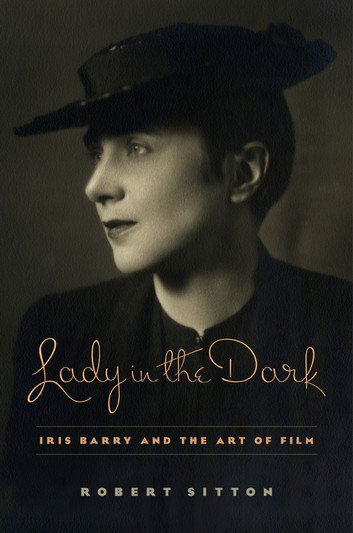
Description
Lady in the Dark: Iris Barry and the Art of Film – A Comprehensive Synopsis
Introduction: A Pioneer Who Changed Cinema Forever
Iris Barry revolutionized how the world views cinema. This remarkable woman transformed film from mere entertainment into recognized art. Robert Sitton’s “Lady in the Dark” chronicles her extraordinary journey through meticulous research and compelling narrative.
Before Iris Barry, movies were considered disposable amusement. However, she saw something deeper in the flickering images on screen. Therefore, she dedicated her life to elevating cinema’s cultural status. Her vision ultimately changed film history forever.
Sitton draws from extensive archival materials for this biography. Furthermore, he incorporates personal letters, memorabilia, and documentary evidence. Consequently, readers gain intimate access to Barry’s private and professional worlds. The book reveals a complex, brilliant woman ahead of her time.
Early Life and Formative Years
Born in 1895, Iris Barry grew up in England during tumultuous times. Nevertheless, she developed a passion for the arts and literature early on. Moreover, her intellectual curiosity set her apart from contemporaries. She questioned conventional thinking about culture and entertainment.
Barry began her career as a writer and critic in London. Meanwhile, she discovered cinema’s untapped artistic potential. Therefore, she started writing film criticism with unprecedented seriousness. Her reviews treated movies as worthy of intellectual analysis.
During the 1920s, Barry became Britain’s leading film critic. However, her ambitions extended beyond mere reviewing. Instead, she envisioned creating institutions dedicated to film preservation. Consequently, she began developing theories about cinema as art.
The Journey to America and MoMA
Iris Barry moved to America in 1930, seeking greater opportunities. Subsequently, she encountered the Museum of Modern Art in New York. This institution would become central to her life’s work. Moreover, it provided the perfect platform for her revolutionary ideas.
In 1935, Barry founded MoMA’s Film Library, a groundbreaking achievement. Furthermore, this became the first museum department dedicated to film. Therefore, she established cinema alongside painting and sculpture as legitimate art. Her work legitimized film studies in academic and cultural circles.
Barry faced considerable skepticism from figures in the traditional art establishment. Nevertheless, she persevered with determination and intellectual rigor. Additionally, she built relationships with filmmakers, collectors, and cultural leaders. Her diplomatic skills proved as valuable as her critical insights.
Building the Film Archive: A Revolutionary Vision
The MoMA Film Library represented Iris Barry’s most significant contribution. Moreover, it established worldwide standards for film preservation. Consequently, countless films were saved from destruction and neglect. Her foresight protected cinema’s heritage for future generations.
Barry understood that films were deteriorating and disappearing rapidly. Therefore, she launched aggressive acquisition and preservation campaigns. Furthermore, she convinced studios to donate prints and materials. Her persuasive abilities secured invaluable cinematic treasures for posterity.
The archive collected films from diverse sources and countries. Additionally, Barry emphasized the importance of international cinema alongside Hollywood productions. Thus, she created a comprehensive collection representing global film history. Her inclusive vision shaped modern film archiving practices.
Iris Barry’s Critical Philosophy and Influence
Iris Barry developed sophisticated theories about cinema’s artistic nature. However, she wrote in an accessible style for general audiences, not just academics. Therefore, her criticism reached both scholars and everyday moviegoers. She democratized film appreciation through clear, engaging prose.
Barry argued that film possessed unique aesthetic qualities. Furthermore, she identified cinema’s distinctive language of images and editing. Consequently, she helped establish film studies as a legitimate academic discipline. Her theoretical framework influenced generations of critics and scholars.
She championed directors as creative artists, not mere technicians. Moreover, Barry promoted auteur theory before it became fashionable. Additionally, she recognized cinematography, editing, and design as artistic elements. Her holistic approach to film analysis remains influential today.
Personal Life and Relationships
Sitton’s biography thoroughly explores Iris Barry’s complex personal relationships. Moreover, he examines her marriages, friendships, and romantic entanglements. Therefore, readers understand the woman behind the professional achievements. Her personal struggles humanize this pioneering figure.
Barry married multiple times, seeking partnership and understanding. However, her intense career focus created challenges in her relationships. Nevertheless, she maintained important friendships throughout her life. These connections sustained her through difficult periods.
The book reveals Barry’s correspondence with prominent cultural figures. Furthermore, these letters illuminate her personality, humor, and vulnerabilities. Consequently, Sitton presents a three-dimensional portrait of his subject. Readers encounter a brilliant yet flawed human being.
Challenges and Controversies
Iris Barry faced significant obstacles as a woman in male-dominated fields. Moreover, she encountered resistance from conservative museum board members. Nevertheless, she navigated institutional politics with strategic intelligence. Her persistence overcame numerous professional barriers.
Some colleagues questioned her qualifications and expertise. However, Barry proved herself through tireless work and scholarly rigor. Additionally, she built alliances with powerful supporters and advocates. Her diplomatic skills complemented her intellectual capabilities effectively.
Financial constraints constantly threatened the Film Library’s operations. Therefore, Barry became adept at fundraising and resource management. Furthermore, she convinced donors of cinema’s cultural importance. Her entrepreneurial abilities matched her curatorial talents.
Key Accomplishments and Innovations
Iris Barry’s achievements transformed how institutions treat film. Moreover, she established protocols for acquisition, preservation, and exhibition. Consequently, her methods became international standards for film archives. Modern film preservation owes an enormous debt to her pioneering work.
Major Contributions Include:
- Founding the first museum film department
- Establishing film preservation standards and practices
- Writing influential criticism that elevated cinema’s status
- Creating educational programs about film history and aesthetics
- Building international networks of archivists and collectors
- Advocating for film as a legitimate art form
- Preserving thousands of films from destruction
Barry also organized groundbreaking film exhibitions and retrospectives. Furthermore, these programs educated audiences about cinema’s artistic evolution. Therefore, she shaped public understanding of film history. Her curatorial vision influenced museum practices globally.
Later Years and Move to France
Eventually, Iris Barry retired from MoMA in the 1950s. Subsequently, she moved to France, seeking a quieter life abroad. However, she remained engaged with film culture and preservation. Her influence continued despite physical distance from New York.
In France, Barry reflected on her career and legacy. Moreover, she maintained correspondence with colleagues and friends worldwide. Additionally, she continued writing about cinema and culture. Her intellectual curiosity never diminished with age.
Sitton explores Barry’s final years with sensitivity and insight. Furthermore, he examines her reflections on accomplishments and regrets. Therefore, readers understand her life’s complete arc. The biography honors her contributions while acknowledging her humanity.
Research Methodology and Sources
Robert Sitton conducted extensive archival research for this biography. Moreover, he accessed previously unexplored letters and personal documents. Consequently, the book offers fresh insights into Barry’s life. His scholarly rigor ensures historical accuracy throughout.
The author examined materials from multiple institutions and collections. Furthermore, he interviewed people who knew or worked with Barry. Additionally, he consulted published writings and contemporary accounts. This comprehensive approach creates an authoritative, nuanced portrait.
Sitton’s use of primary sources brings Iris Barry’s voice alive. However, he contextualizes her words within broader historical frameworks. Therefore, readers understand both individual and cultural significance. The methodology balances intimacy with scholarly objectivity.
Legacy and Continuing Influence
Iris Barry’s impact on film culture remains profound today. Moreover, every film archive and museum program reflects her influence. Consequently, modern cinema studies exist partly because of her work. Her vision fundamentally changed how society values movies.
Contemporary film preservation follows principles Barry established decades ago. Furthermore, her critical approaches still inform film scholarship. Additionally, her institutional models guide cultural organizations worldwide. The field continues building on her foundational contributions.
Barry demonstrated that women could lead major cultural institutions. Moreover, she proved that the film deserved serious intellectual attention. Therefore, she opened doors for future generations of scholars. Her legacy extends beyond specific accomplishments to broader cultural shifts.
Why This Biography Matters Now
Sitton’s biography arrives at a crucial moment for film preservation. Moreover, digital technology creates new challenges for archivists. However, Barry’s core principles remain relevant despite technological changes. Her vision effectively guides contemporary preservation efforts.
Understanding Iris Barry’s struggles illuminates current cultural debates. Furthermore, her experiences resonate with ongoing discussions about representation. Additionally, her story inspires those fighting for institutional change. Historical perspective enriches contemporary advocacy and activism.
The book reminds readers that individuals can transform entire fields. Moreover, it demonstrates the power of persistence against institutional resistance. Therefore, Barry’s story offers lessons beyond film history. Her life exemplifies courage, vision, and intellectual integrity.
Conclusion: A Life Worth Remembering
“Lady in the Dark” presents Iris Barry as a complex, fascinating historical figure. Moreover, Sitton balances admiration with an honest assessment of flaws. Consequently, readers encounter an authentic human being rather than a sanitized icon. This approach honors Barry’s memory more than hagiography would.
The biography succeeds as both scholarly work and engaging narrative. Furthermore, it makes specialized subjects accessible to general readers. Therefore, the book appeals to film enthusiasts and casual readers alike. Sitton’s prose combines academic rigor with storytelling skill.
Ultimately, this book rescues Iris Barry from historical obscurity. Moreover, it ensures her contributions receive proper recognition. Consequently, future generations will understand cinema’s debt to her vision. Robert Sitton has given readers an essential, illuminating biography.
Iris Barry deserves recognition alongside other cultural pioneers. However, her story remained relatively unknown until this publication. Therefore, “Lady in the Dark” fills a crucial gap in film history. The book celebrates a remarkable woman who changed cinema forever.


Reviews
There are no reviews yet.