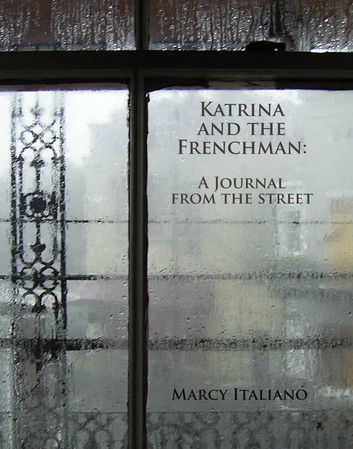
Description
Katrina and the Frenchman: A Raw, Unforgettable Journey Through America’s Deadliest Storm
Katrina and the Frenchman by Marcy Italiano offers readers an intimate, street-level account of one of America’s most devastating natural disasters. This powerful journal captures the chaos, heartbreak, and unexpected human connections that emerged during Hurricane Katrina. Through Italiano’s authentic voice, readers experience the storm not from news broadcasts or official reports, but from the ground itself. Moreover, this memoir stands as a testament to survival against impossible odds.
What Makes Katrina and the Frenchman Essential Reading
Marcy Italiano’s journal doesn’t sanitize the horror of Hurricane Katrina. Instead, it presents raw, unfiltered truth from someone who lived through the catastrophe. The narrative follows Italiano’s experiences as floodwaters rose and civilization crumbled around her. Furthermore, the book introduces readers to “the Frenchman,” a mysterious figure whose presence becomes central to her survival story.
This isn’t a polished retrospective written years after the fact. Rather, it’s a journal composed in real-time, capturing immediate emotions and observations. Consequently, readers feel the urgency, fear, and confusion that defined those terrible days in August 2005.
A Street-Level Perspective on Disaster
Katrina and the Frenchman distinguishes itself through its ground-level viewpoint. Italiano writes from the streets of New Orleans, documenting what ordinary people faced when systems failed. Her journal reveals the human cost behind statistics and headlines. Additionally, she captures moments of extraordinary kindness amid widespread devastation.
The “journal from the street” approach provides unparalleled authenticity. Readers witness:
- The initial disbelief as the storm approached
- The terrifying realization that help wasn’t coming quickly
- Desperate searches for food, water, and safety
- Unexpected alliances formed between strangers
- The breakdown of social order and infrastructure
- Small acts of heroism that saved lives
- The psychological toll of prolonged trauma
Through these observations, Italiano creates a historical document of immense value. Her words preserve experiences that might otherwise be forgotten or oversimplified.
The Mystery of the Frenchman
Central to Italiano’s narrative is her relationship with “the Frenchman.” This enigmatic figure becomes her companion through the worst days of the disaster. Their connection illustrates how crisis strips away social pretenses and creates profound bonds. Moreover, the Frenchman represents the international dimension of Katrina’s impact.
Italiano explores how two people from different worlds found common ground in survival. Their story adds a deeply human element to the larger tragedy. Furthermore, it demonstrates that disaster doesn’t discriminate based on nationality or background.
Themes of Resilience and Human Connection in Katrina and the Frenchman
Marcy Italiano’s journal explores several powerful themes that resonate beyond Hurricane Katrina itself. First, the book examines human resilience under extreme conditions. Italiano shows how people adapt, improvise, and persevere when everything familiar disappears. Second, the narrative highlights the importance of human connection during crisis.
The journal also confronts uncomfortable truths about inequality and institutional failure. Italiano documents how the most vulnerable populations suffered disproportionately. Additionally, she records the anger and betrayal felt by those abandoned by their government.
Yet despite the darkness, hope emerges throughout the pages. Small kindnesses, shared resources, and mutual support demonstrate humanity’s better nature. Consequently, readers finish the book with a complex understanding of both human cruelty and compassion.
Why This Journal Matters Today
Nearly two decades after Hurricane Katrina, Italiano’s journal remains urgently relevant. Climate change increases the frequency and severity of natural disasters worldwide. Therefore, firsthand accounts like Katrina and the Frenchman provide crucial lessons for future preparedness.
The book also serves as a memorial to those who died and suffered. Italiano’s words ensure their experiences aren’t forgotten or reduced to mere numbers. Furthermore, the journal challenges readers to consider their own preparedness and community responsibilities.
For history enthusiasts, this memoir offers primary source material of exceptional quality. Italiano’s observations capture details that official records often miss. Moreover, her emotional honesty provides insight into the psychological dimensions of disaster survival.
Marcy Italiano’s Authentic Voice
What sets this journal apart is Italiano’s distinctive narrative voice. She writes with brutal honesty, never romanticizing or exaggerating her experiences. Her prose is direct, accessible, and emotionally powerful. Additionally, she balances personal vulnerability with keen social observation.
Italiano doesn’t position herself as a hero or victim. Instead, she presents herself as an ordinary person thrust into extraordinary circumstances. This humility makes her story more relatable and impactful. Furthermore, her willingness to share fear, doubt, and mistakes creates genuine connection with readers.
The author’s background and perspective shape the narrative in unique ways. Her observations befit someone deeply familiar with New Orleans culture and geography. Consequently, readers gain insider knowledge about the city and its people.
The Historical Significance of Street-Level Documentation
Katrina and the Frenchman contributes to our historical understanding of Hurricane Katrina in invaluable ways. Official reports and media coverage often miss the texture of lived experience. Italiano’s journal fills these gaps with concrete details and personal testimony.
The book documents specific locations, times, and events that might otherwise be lost. Her descriptions of flooded neighborhoods, makeshift shelters, and rescue operations provide researchers with rich material. Moreover, the journal captures the evolution of the crisis over days and weeks.
Future generations studying Hurricane Katrina will find this memoir essential. It humanizes statistics and brings abstract concepts like “displacement” and “trauma” into sharp focus. Additionally, it preserves the voices of those who survived against tremendous odds.
Who Should Read This Powerful Memoir
This journal appeals to diverse audiences seeking authentic disaster narratives. Memoir enthusiasts will appreciate Italiano’s raw, unfiltered storytelling style. History readers gain valuable primary source material about a defining American tragedy. Furthermore, those interested in New Orleans culture and resilience will find deep satisfaction in these pages.
The book also resonates with readers who have experienced natural disasters themselves. Italiano’s descriptions validate their own trauma and survival experiences. Additionally, the journal offers insights for emergency management professionals and policymakers.
Anyone seeking to understand Hurricane Katrina beyond headlines and documentaries needs this book. Italiano provides the human context that statistics cannot convey. Moreover, her story reminds us that disasters affect real people with complex lives and relationships.
Experience Hurricane Katrina Through Unfiltered Eyes
Katrina and the Frenchman: A Journal from the Street stands as an essential document of American history and human endurance. Marcy Italiano’s unflinching honesty and vivid observations transport readers into the heart of catastrophe. Through her eyes, we witness both the worst and best of humanity under extreme pressure.
This journal doesn’t offer easy answers or comfortable conclusions. Instead, it presents truth in all its complexity and contradiction. The relationship between Italiano and the Frenchman adds depth and intimacy to the larger disaster narrative. Together, they navigate a world transformed by wind, water, and institutional failure.
For anyone seeking to understand Hurricane Katrina’s true impact, this memoir is indispensable. Italiano’s street-level perspective captures what official accounts miss and what time might erase. Her words preserve not just events, but emotions, relationships, and the texture of survival itself. This is history written in real-time, unpolished and unforgettable.


Reviews
There are no reviews yet.