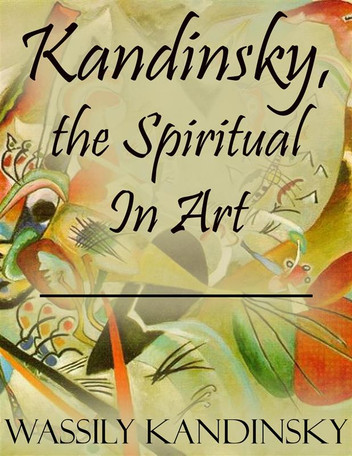
Description
Book Synopsis: Kandinsky, the Spiritual In Art by Wassily Kandinsky
A Revolutionary Vision of Art and the Soul
Kandinsky’s The Spiritual in Art transforms how we understand artistic expression. Wassily Kandinsky wrote this groundbreaking book in 1911. It freed art from traditional bonds to material reality. Moreover, the Spiritual In Art introduced revolutionary concepts about abstraction. Kandinsky believed art speaks directly to the human soul. And his ideas changed the course of modern art history forever.
This pioneering work challenges conventional thinking about painting and creativity. Kandinsky argued that art serves a higher spiritual purpose. He rejected the idea that art must represent physical objects. Instead, he championed abstract and non-objective painting. Therefore, artists could express pure emotion and spiritual truth. His vision opened entirely new possibilities for creative expression.
The book remains essential reading for anyone interested in art. It explores profound questions about creativity and human consciousness. Plus, it provides practical insights into color and form. Kandinsky’s writing beautifully combines philosophy with artistic technique. And his ideas continue to influence contemporary artists today.
The Spiritual Pyramid: Humanity’s Ascent
Kandinsky uses a powerful metaphor throughout “The Spiritual in Art.” He compares humanity’s spiritual life to a vast pyramid. The base represents people focused solely on material concerns. However, the apex symbolizes spiritual enlightenment and transcendence. Artists have a sacred mission to lead others upward.
This pyramid concept reveals Kandinsky’s vision for art’s purpose. He believed artists serve as spiritual guides for society. They create work that progressively elevates human consciousness. Also, they help people move beyond purely material existence. The artist’s role becomes almost prophetic in this framework.
Each level of the pyramid represents a different spiritual awareness. People at the bottom see only physical reality around them. But those climbing higher perceive deeper truths and meanings. Therefore, art becomes the vehicle for this upward journey. And artists must accept responsibility for guiding humanity forward.
The pyramid metaphor explains why some art feels transformative. Certain works speak to our souls in profound ways. Because they come from artists operating at higher spiritual levels, these creators channel universal truths through their creative expression. Plus, they invite viewers to ascend alongside them.
Color as a Direct Path to the Soul
Kandinsky revolutionized how we understand color in artistic practice. He argued that color directly influences the human soul. Each hue carries specific spiritual and emotional properties. Moreover, colors create psychological effects independent of representational content. This insight freed artists to use color abstractly.
The Spiritual In Art explores color theory with remarkable depth. Kandinsky describes how different colors affect our inner experience. Red excites and energizes the viewer’s emotional state. Blue creates calm and invites spiritual contemplation instead. Yellow radiates warmth and earthly joy to observers. And green provides balance between opposing spiritual forces.
The book explains that color operates like musical notes. Just as music moves us without depicting objects, so too can color communicate directly with our souls. Therefore, artists can compose with color like musicians compose melodies. This parallel between painting and music became central to abstraction.
Kandinsky’s insights into color remain relevant for contemporary artists. His theories help creators understand the spiritual power of their medium. Also, they explain why certain color combinations feel harmonious. The book provides both a philosophical framework and practical guidance. And it demonstrates that color choices carry profound significance.
Freeing Art from Material Reality
Kandinsky’s The Spiritual in Art challenged centuries of artistic tradition. Western art had long focused on representing physical reality. Painters tried to capture the visible world accurately. However, Kandinsky questioned why art should be limited this way. He argued that spiritual truths matter more than material appearances.
This revolutionary thinking paved the way for abstract art. Kandinsky demonstrated that paintings need not depict recognizable objects. Instead, they can express pure emotion and spiritual experience. Forms and colors can communicate directly without representational content. Therefore, artists gained unprecedented freedom to explore new possibilities.
The book explains why non-objective painting serves humanity better. Material reality binds us to earthly concerns and limitations. But abstract art elevates consciousness toward spiritual dimensions. It speaks the language of the soul rather than the language of the eyes. And it invites viewers into transcendent experiences beyond everyday life.
Kandinsky’s ideas faced significant resistance when first published. Many critics dismissed abstract art as meaningless or chaotic. However, his vision ultimately transformed modern art completely. Today, abstraction stands as one of art’s most important movements. Plus, Kandinsky’s spiritual approach continues to inspire artists across all media.
The Artist’s Sacred Mission
Kandinsky believed artists carry a profound responsibility toward humanity. They must not create merely for decoration or entertainment. Instead, their work should elevate human consciousness and spiritual awareness. Also, artists must lead society toward a progressively higher understanding. This mission requires courage, dedication, and spiritual development.
The Spiritual In Art outlines what this mission demands from creators:
- Spiritual development: Artists must cultivate their own inner life first
- Authentic expression: They must create from genuine spiritual experience, honestly
- Courage: They must resist pressure to conform to material values
- Vision: They must see beyond surface reality to deeper truths
- Service: They must dedicate their work to humanity’s spiritual progress
- Innovation: They must explore new forms that express spiritual realities
The book emphasizes that true artists serve as spiritual pioneers. They venture into unknown territories of consciousness and expression. Then they bring back insights that benefit all of humanity. This requires tremendous bravery because society often resists new ideas. But artists must persist despite criticism or misunderstanding.
Kandinsky argues that artistic creation is fundamentally a spiritual act. It connects the individual soul with universal spiritual forces. Moreover, it channels divine inspiration into material form that others experience. Therefore, artists participate in sacred work when they create authentically. And their paintings become bridges between material and spiritual worlds.
Why This Book Matters Today
Kandinsky’s The Spiritual In Art remains remarkably relevant for contemporary readers. Our modern world often emphasizes material success over spiritual growth. We focus on physical appearances rather than inner realities. However, Kandinsky’s vision offers an alternative path forward for humanity.
The book addresses timeless questions about art’s purpose and meaning. Why do certain artworks move us so deeply and profoundly? How can visual forms communicate without depicting recognizable objects? What responsibility do artists have toward society and human consciousness? These questions matter as much today as in 1911.
Kandinsky’s insights help us understand the continued power of abstract art. Many people still struggle with non-objective painting initially. They wonder what it means or how to appreciate it. But the Spiritual In Art provides the framework for understanding. It explains that abstract art speaks directly to our souls. And it invites us to experience rather than merely analyze.
The book also offers guidance for contemporary artists seeking purpose. Many creators struggle with questions about the significance of their work today. Kandinsky reminds them that art serves a higher spiritual mission. Therefore, artists need not feel their work is frivolous. Instead, they participate in humanity’s spiritual evolution through creative expression.
A Pioneering Document in Art History
This groundbreaking text stands among the most important art documents ever. It appeared at a crucial moment in the development of Western art. Traditional representational painting had reached its technical limits. But artists sensed new possibilities waiting to be explored fully.
Kandinsky’s ” The Spiritual In Art provided the theoretical foundation for abstraction. It explained why artists should move beyond material representation. Also, it offered a compelling vision of art’s spiritual purpose. The book gave the emerging abstract movement intellectual legitimacy. And it inspired countless artists to pursue non-objective painting boldly.
Kandinsky’s ideas rapidly influenced the art world. Abstract expressionism, color field painting, and many other movements followed. Each built upon the spiritual foundation Kandinsky established in this book. His vision of art as soul language became central to modernism. Plus, his emphasis on inner necessity guided generations of creators.
Reading this book connects us with a pivotal moment in history. We witness the birth of abstract art through Kandinsky’s own words. We understand the spiritual convictions that drove this revolutionary change. And we gain insight into one of art’s greatest pioneers. The book remains essential for anyone studying the development of modern art.
Conclusion: An Invitation to Spiritual Awakening
Kandinsky, The Spiritual In Art, offers more than art theory alone. It presents a vision of human potential and spiritual evolution. Kandinsky invites readers to see art as humanity’s path upward. He challenges us to move beyond material concerns toward transcendence. And he demonstrates that creativity serves our highest spiritual aspirations.
This book deserves attention from artists, art lovers, and spiritual seekers. It beautifully combines profound philosophy with practical artistic insights. Moreover, it speaks to universal human longings for meaning and connection. Kandinsky’s writing reminds us that art addresses our deepest needs. And it shows how creative expression can transform consciousness itself.
The ideas in the Spiritual In Art remain revolutionary and inspiring. They challenge our assumptions about art’s purpose and possibilities today. Also, they invite us to experience art more deeply and spiritually. Kandinsky believed that art could elevate all of humanity progressively. And this book shows us how that transformation might occur.
Readers will discover a visionary thinker who changed art forever. They will encounter ideas that challenge and inspire in equal measure. Plus, they will gain tools for understanding abstract art’s spiritual power. Kandinsky’s The Spiritual In Art stands as an essential text. And it continues guiding us toward art’s highest possibilities today.




Reviews
There are no reviews yet.