

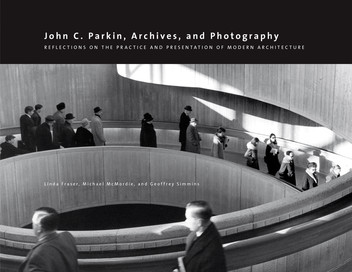
Description
John C. Parkin, Archives and Photography: A Complete Synopsis
Overview: Exploring John C. Parkin’s Architectural Legacy
“John C. Parkin, Archives and Photography” examines one of Canada’s most influential architects. This book explores John C. Parkin’s remarkable career and lasting impact. Furthermore, it reveals how photography shaped modern architectural presentation. The 176-page volume forms Book 11 in the prestigious series.
Linda Fraser, Michael McMordie, and Geoffrey Simmins authored this scholarly work. Moreover, the University of Calgary Press published this essential architectural study. The book combines interviews, essays, and stunning visual documentation. Additionally, it features 71 black-and-white photographs throughout.
Understanding John C. Parkin’s Significance
John C. Parkin transformed Canadian architecture between 1947 and 1988. He brought modernist principles to post-war Canadian building design. Furthermore, his work defined Toronto’s architectural landscape for decades. His influence extended across the entire nation significantly.
Born in 1922, Parkin became a British-Canadian architectural pioneer. Moreover, he studied under legendary modernist Walter Gropius at Harvard. This education shaped his entire design philosophy profoundly. Additionally, his University of Manitoba training provided strong foundations.
The Book’s Structure and Contents
This comprehensive volume offers multiple perspectives on Parkin’s work. The authors combine historical research with personal interviews effectively. Furthermore, they analyze architectural photography’s role in modern design. The book balances scholarly rigor with accessible writing beautifully.
The text includes previously unpublished interviews with Parkin himself. Moreover, these conversations reveal his design thinking and philosophy. Readers gain intimate insights into his creative process. Additionally, the interviews capture his personality and professional approach.
John C. Parkin’s Educational Background
Parkin’s education laid groundwork for his modernist approach. He studied architecture at the University of Manitoba initially. Furthermore, he pursued graduate studies at Harvard’s prestigious program. There, Walter Gropius became his mentor and inspiration.
Gropius taught Bauhaus principles and modernist design philosophy. Moreover, these lessons influenced Parkin’s entire career trajectory. He absorbed functionalism, clean lines, and rational planning concepts. Additionally, he learned to integrate art with architecture seamlessly.
Career at John B. Parkin Associates
Parkin joined John B. Parkin Associates in 1947 as partner. Furthermore, he became senior partner and chief designer quickly. The firm grew into Canada’s largest architectural practice. Moreover, it dominated the post-war building boom significantly.
Between 1947 and 1971, the firm completed hundreds of projects. Additionally, they designed buildings across Canada and internationally. Parkin’s leadership established the firm’s modernist reputation. Furthermore, his designs won numerous awards and critical acclaim.
Key Achievements During This Period:
- Established modernist design standards across Canada
- Created iconic Toronto landmarks still standing today
- Integrated contemporary art into architectural projects
- Mentored younger architects in modernist principles
- Expanded firm to become nation’s largest practice
- Won multiple architectural awards and recognition
- Influenced Canadian building codes and standards
The Parkin Partnership Years
Parkin founded Parkin Partnership in the 1970s after leaving. This new firm continued his modernist design philosophy. Furthermore, it allowed him greater creative control and flexibility. The partnership operated successfully throughout the 1980s.
During these years, Parkin refined his architectural approach. Moreover, he focused on integrating art with building design. His later work showed maturity and sophisticated understanding. Additionally, he mentored the next generation of architects.
Iconic Toronto Buildings and Projects
Parkin designed numerous Toronto landmarks that define the cityscape. Rosedale Subway Station showcases his clean, functional modernist style. Furthermore, Sidney Smith Hall at University of Toronto remains influential. These buildings demonstrate his commitment to accessible modernism.
The Sun Life Building exemplifies his corporate architecture expertise. Moreover, he contributed significantly to Toronto City Hall’s development. His work on the TD Centre helped shape downtown. Additionally, these projects established Toronto’s modern architectural identity.
Architectural Photography’s Role
The book examines how photography influenced modern architecture presentation. Furthermore, it explores the relationship between image and building. Photographers shaped public perception of modernist design significantly. Moreover, their work became essential to architectural practice.
Parkin understood photography’s power in communicating design ideas. Additionally, he collaborated closely with architectural photographers regularly. The book’s 71 photographs illustrate this important relationship. Furthermore, they document his buildings with artistic sensitivity.
Essays on Art and Architecture Integration
The authors provide insightful essays on art incorporation. Furthermore, they analyze how Parkin integrated artworks into buildings. This approach distinguished his projects from typical corporate architecture. Moreover, it enriched user experience and cultural value.
Parkin believed art elevated architecture beyond mere functionality. Additionally, he commissioned sculptures, murals, and installations regularly. The essays explore his collaborative relationships with artists. Furthermore, they document specific art-architecture integration examples.
The Interview Collection
Previously unpublished interviews form the book’s heart and soul. Moreover, they capture Parkin’s voice and design philosophy directly. Readers hear his thoughts on modernism and Canadian architecture. Additionally, the interviews reveal his personality and humor.
These conversations occurred during his later career years. Furthermore, they provide retrospective insights on his major projects. Parkin discusses successes, challenges, and lessons learned throughout. Moreover, he reflects on architecture’s social responsibility honestly.
Archival Research and Documentation
The authors conducted extensive archival research for this book. Furthermore, they examined drawings, correspondence, and project documentation carefully. This research reveals Parkin’s design process and evolution. Moreover, it contextualizes his work within Canadian architectural history.
The archives contain sketches, plans, and construction photographs. Additionally, they include client correspondence and project specifications. This material provides unprecedented access to Parkin’s practice. Furthermore, it documents his firm’s operations and methodology.
Visual Documentation and Illustrations
The book features 71 carefully selected black-and-white photographs. Moreover, these images showcase Parkin’s most significant buildings. The photographs capture architectural details and spatial qualities beautifully. Additionally, they demonstrate his modernist design principles clearly.
Professional architectural photographers created these documentary images. Furthermore, the photographs show buildings in their urban contexts. Readers see how Parkin’s designs interact with surroundings. Moreover, the images reveal his attention to proportion and detail.
Modernist Design Philosophy Explained
Parkin embraced International Style modernism with Canadian adaptations. Furthermore, he believed in functionalism, honesty, and clarity. His buildings express their structure and purpose directly. Moreover, they avoid unnecessary ornamentation and historical references.
He designed for human needs and contemporary life. Additionally, he considered climate, context, and cultural factors. His modernism responded to Canadian conditions specifically. Furthermore, it balanced universal principles with local requirements.
Impact on Canadian Architecture
Parkin’s influence shaped post-war Canadian building design profoundly. Furthermore, he established modernism as the dominant architectural language. His work inspired countless younger architects across Canada. Moreover, his buildings remain landmarks and cultural touchstones.
He demonstrated that Canadian architecture could achieve international standards. Additionally, he proved modernism suited Canadian cities and climate. His legacy continues influencing contemporary Canadian architects today. Furthermore, his buildings remain functional and admired decades later.
Educational Value for Students
This book serves as essential reading for architecture students. Furthermore, it provides case studies in modernist design excellence. Students learn about design process, client relationships, and practice. Moreover, they understand architecture’s historical and cultural context.
The interviews offer practical wisdom from experienced practitioner. Additionally, the essays provide theoretical frameworks for analysis. Students gain insights into professional practice and ethics. Furthermore, they see how great architecture emerges from collaboration.
For Architectural Historians and Scholars
Scholars find valuable primary source material throughout this book. Furthermore, the archival research contributes to Canadian architectural historiography. The authors provide rigorous analysis and contextual information. Moreover, they connect Parkin’s work to broader modernist movements.
The book fills gaps in Canadian architectural history documentation. Additionally, it preserves important interviews and archival materials. Historians use it to understand post-war Canadian development. Furthermore, it supports research on modernism’s Canadian manifestations.
For Practicing Architects Today
Contemporary architects discover relevant lessons in Parkin’s approach. Furthermore, his integration of art remains exemplary and inspiring. His attention to detail and craftsmanship offers valuable models. Moreover, his client relationships demonstrate professional excellence.
Practicing architects see how modernist principles remain relevant. Additionally, they learn from his problem-solving strategies and methods. His work shows how to balance aesthetics with functionality. Furthermore, it demonstrates architecture’s potential social and cultural impact.
For Photography and Visual Culture Enthusiasts
The book explores architectural photography as artistic practice. Furthermore, it examines how images shape architectural understanding. Photography enthusiasts appreciate the carefully curated visual documentation. Moreover, they learn about mid-century architectural photography techniques.
The 71 photographs demonstrate documentary photography’s artistic potential. Additionally, they show how photographers interpret architectural space. Visual culture scholars analyze representation and perception issues. Furthermore, they explore photography’s role in modernist architecture promotion.
For General Readers and Toronto Residents
Toronto residents discover stories behind familiar landmark buildings. Furthermore, they understand their city’s architectural heritage better. General readers appreciate accessible writing and engaging narratives. Moreover, they learn about Canadian cultural history through architecture.
The book reveals how architecture shapes daily urban experience. Additionally, it shows how design decisions affect community life. Readers develop appreciation for modernist architecture’s contributions. Furthermore, they understand preservation’s importance for cultural heritage.
The Art in Profile Series Context
This volume forms part of the prestigious series. Furthermore, the series documents Canadian art and architecture comprehensively. Each book examines significant figures, movements, or themes. Moreover, the series maintains high scholarly and production standards.
Book 11 continues the series’ tradition of excellence. Additionally, it contributes to Canadian cultural documentation and preservation. The series serves libraries, universities, and cultural institutions. Furthermore, it builds comprehensive Canadian art and architecture knowledge.
Publishing Quality and Production
University of Calgary Press produced this book with care. Furthermore, the 176-page format allows thorough subject coverage. The binding, paper quality, and printing meet academic standards. Moreover, the layout enhances readability and visual presentation.
The black-and-white photographs reproduce with excellent clarity. Additionally, the typography and design support scholarly reading. The book balances text and images effectively throughout. Furthermore, it serves both reference and continuous reading purposes.
Critical Reception and Significance
Scholars and critics praised this book upon publication. Furthermore, it received recognition for archival research and documentation. The interviews provide invaluable primary source material permanently. Moreover, the essays contribute original analysis and insights.
The book established itself as definitive Parkin reference work. Additionally, it influenced subsequent Canadian architectural history scholarship. Libraries and institutions acquired it for permanent collections. Furthermore, it remains essential reading for Canadian architecture studies.
Preservation of Architectural Heritage
This book contributes to architectural heritage preservation efforts. Furthermore, it documents buildings that face potential demolition threats. The photographs and documentation preserve design information permanently. Moreover, the book raises awareness about modernist architecture’s value.
Preservation advocates use it to support landmark designation campaigns. Additionally, it educates public about post-war architecture’s significance. The book demonstrates why these buildings deserve protection. Furthermore, it shows their continued relevance and functionality.
Interdisciplinary Connections and Applications
The book connects architecture with photography, art, and history. Furthermore, it demonstrates interdisciplinary research’s value and richness. Scholars from multiple fields find relevant material here. Moreover, it supports teaching across various academic disciplines.
Urban studies professors use it to discuss city development. Additionally, art historians examine art-architecture collaboration examples. Photography courses analyze architectural documentation techniques. Furthermore, Canadian studies programs incorporate it into curricula.
Research Methodology and Approach
The authors employed rigorous research methods throughout this project. Furthermore, they combined archival research with oral history interviews. This methodology produces comprehensive and nuanced understanding. Moreover, it balances documentary evidence with personal perspectives.
They consulted multiple archives and private collections extensively. Additionally, they interviewed colleagues, clients, and collaborators. The research process took several years to complete. Furthermore, it resulted in authoritative and definitive scholarship.
Legacy and Continuing Influence
Parkin’s architectural legacy continues inspiring contemporary designers today. Furthermore, his buildings remain functional and admired decades later. Young architects study his work for design principles. Moreover, his approach to art integration remains exemplary.
His influence extends beyond individual buildings to practice standards. Additionally, he established professionalism and excellence benchmarks. His legacy includes mentored architects who continued traditions. Furthermore, his work shaped Canadian architectural identity permanently.
Why This Book Matters Today
Contemporary architecture faces similar challenges Parkin addressed decades ago. Furthermore, his solutions offer relevant insights for current practice. The book demonstrates modernism’s enduring value and adaptability. Moreover, it shows how architecture serves social purposes.
Understanding architectural history informs better contemporary design decisions. Additionally, this book preserves important cultural heritage documentation. It reminds us that great architecture transcends temporary trends. Furthermore, it inspires commitment to design excellence and innovation.
Conclusion: An Essential Architectural Resource
“John C. Parkin, Archives and Photography” stands as definitive work. Furthermore, it comprehensively documents an influential Canadian architect’s career. The combination of interviews, essays, and photographs creates richness. Moreover, the scholarly rigor ensures lasting value and authority.
This book belongs in every architectural library and collection. Additionally, it serves students, scholars, and practitioners equally well. The authors preserved important cultural heritage for future generations. Furthermore, they created accessible and engaging architectural scholarship.
Anyone interested in Canadian architecture needs this essential volume. Moreover, it illuminates post-war modernism’s development and significance. The book honors Parkin’s contributions while advancing architectural understanding. Therefore, it remains indispensable for Canadian architectural studies today.



Reviews
There are no reviews yet.