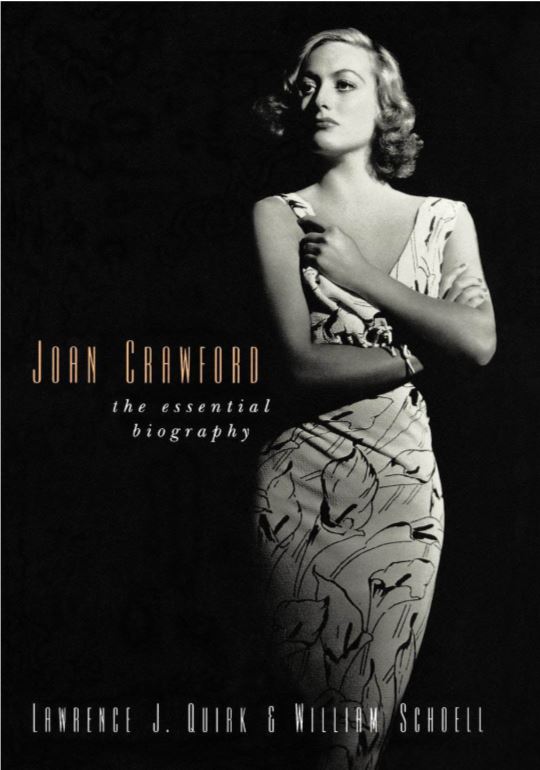
Description
Joan Crawford: The Essential Biography – A Comprehensive Look at Hollywood’s Most Enduring Icon
Joan Crawford remains one of Hollywood’s most fascinating and complex stars, and this essential biography offers an unprecedented look at her remarkable life. Lawrence J. Quirk and William Schoell deliver a meticulously researched portrait that spans her entire career.
Moreover, this book benefits from Quirk’s personal friendship with Crawford herself. The authors balance admiration with critical analysis throughout their comprehensive study. Furthermore, they examine both her triumphs and her struggles with equal attention.
The Unique Perspective: A Friend’s Intimate Portrait of Joan Crawford
This biography stands apart because Lawrence J. Quirk knew Crawford personally for many years. His friendship with the star provides invaluable insights that other biographers simply cannot offer. Additionally, Quirk’s firsthand observations add authenticity to the narrative. The authors combine personal anecdotes with rigorous research to create a complete picture. Consequently, readers gain access to stories and perspectives unavailable elsewhere.
Quirk’s relationship with Crawford began during her later career years. However, his understanding of her earlier life comes from extensive interviews and archival research. The personal connection enriches every chapter of this compelling biography. Therefore, readers experience Crawford through the eyes of someone who truly knew her. This intimate perspective makes the book both scholarly and deeply human.
From Lucille LeSueur to Joan Crawford: The Remarkable Rise from Poverty
Crawford’s journey began in the most unlikely circumstances imaginable. Born Lucille LeSueur, she grew up in grinding poverty that shaped her entire life. Her childhood was marked by hardship, instability, and relentless struggle. Yet these early experiences forged her legendary determination and work ethic. Moreover, they fueled her ambition to escape her circumstances through sheer willpower.
The transformation from Lucille LeSueur to Joan Crawford represents one of Hollywood’s greatest reinventions. She worked tirelessly to shed her past and create a glamorous new identity. Additionally, she studied other stars and learned everything about screen presence. Her dedication to self-improvement was absolute and unwavering. Furthermore, she never forgot where she came from, which drove her forward.
The authors trace this remarkable metamorphosis with careful attention to detail. They examine how poverty influenced Crawford’s later behavior and choices. Her fear of returning to destitution motivated her legendary professionalism. Consequently, she became known as one of Hollywood’s hardest-working performers. This section reveals the psychological foundations of her success.
The MGM Years: Joan Crawford as a Major Hollywood Star
Crawford’s tenure at Metro-Goldwyn-Mayer established her as a true Hollywood icon. The studio system shaped her into a glamorous star of the first magnitude. Moreover, MGM’s resources allowed her to develop her craft and refine her image. She appeared in numerous successful films that showcased her versatility and appeal. Additionally, she became one of the studio’s most reliable box office draws.
During these golden years, Crawford mastered the art of screen acting. She transitioned seamlessly from silent films to talkies, proving her adaptability. Her performances ranged from romantic dramas to sophisticated comedies. Furthermore, she developed the intense, dramatic style that became her trademark. The authors analyze her most significant MGM films with depth and insight.
The studio carefully cultivated Crawford’s image as a modern, independent woman. She represented aspiration and glamour to millions of Depression-era moviegoers. However, maintaining this status required constant effort and vigilance. Crawford worked with top directors, cinematographers, and costumers to perfect every detail. Consequently, she became synonymous with Hollywood elegance and star power.
Career Decline and Being Dropped by MGM
Even the brightest stars eventually face career challenges and setbacks. By the early 1940s, Crawford’s box office appeal had begun to wane. Her films were performing poorly, and younger actresses were capturing audience attention. Moreover, changing tastes in Hollywood left her seeming outdated and old-fashioned. The studio that had built her career now viewed her as a liability.
In 1943, MGM made the devastating decision to drop Crawford from their roster. This rejection was both professionally and personally crushing for the star. Additionally, it threatened to end her career after nearly two decades of success. Many observers believed her time in Hollywood had permanently ended. However, Crawford refused to accept defeat or fade quietly into obscurity.
The authors examine this difficult period with sensitivity and thorough research. They explore Crawford’s emotional response to this professional rejection. Furthermore, they analyze the industry factors that contributed to her decline. This section reveals Crawford’s vulnerability beneath her tough exterior. Yet it also foreshadows the remarkable resilience she would soon demonstrate.
The Triumphant Comeback: Joan Crawford at Warner Brothers
Crawford’s move to Warner Brothers marked one of Hollywood’s greatest career resurrections. She refused to let MGM’s rejection define the end of her story. Instead, she approached Warner Brothers with determination and a strategic plan. Moreover, she accepted a role that other actresses had rejected as too risky. This bold decision would transform her career and cement her legendary status.
The role was Mildred Pierce, a complex character in a noir-tinged melodrama. Crawford threw herself into the part with characteristic intensity and preparation. She worked closely with director Michael Curtiz despite their sometimes difficult relationship. Additionally, she delivered a performance of remarkable depth and emotional power. The film became both a critical and commercial triumph upon its release.
Warner Brothers proved to be the perfect home for Crawford’s reinvention. The studio specialized in grittier, more realistic dramas than MGM’s glossy productions. Furthermore, this style suited Crawford’s evolving screen persona perfectly. She appeared in several successful films at Warner Brothers throughout the 1940s. Consequently, she established herself as a dramatic actress of serious artistic merit.
Academy Award Glory: Joan Crawford’s Win for Mildred Pierce
The 1945 Academy Awards ceremony represented the pinnacle of Crawford’s comeback story. Her performance in Mildred Pierce earned her a Best Actress nomination. However, she was reportedly too nervous to attend the ceremony in person. Instead, she remained at home, claiming illness, while the industry gathered. Moreover, her absence only heightened the drama of the evening’s events.
When Crawford’s name was announced as the winner, Hollywood erupted in celebration. The award validated her talent and confirmed her triumphant return to prominence. Additionally, it proved that she remained relevant in a changing industry. Photographers and reporters rushed to her home to capture the historic moment. Furthermore, the win became one of the most memorable in Oscar history.
The authors provide fascinating details about this pivotal moment in Crawford’s life. They examine what the Oscar meant to her personally and professionally. The award represented vindication after MGM’s rejection and years of struggle. Consequently, it secured her place among Hollywood’s most respected dramatic actresses. This achievement demonstrated that talent and determination could overcome any obstacle.
Hollywood’s Great Dame: Joan Crawford’s Enduring Status and Legacy
Crawford earned her place among Hollywood’s legendary great dames through decades of work. Her career spanned an extraordinary period from silent films through the 1970s. Moreover, she adapted to every major change in the film industry. Few stars demonstrated such longevity or maintained relevance across so many eras. Additionally, her influence extended beyond her own performances to shape Hollywood itself.
The authors examine Crawford’s evolution as both actress and cultural icon. They trace her journey through different film genres and acting styles. Furthermore, they analyze how she maintained her star power across five decades. Her ability to reinvent herself repeatedly set her apart from contemporaries. Consequently, she became a symbol of survival and resilience in Hollywood.
Crawford’s status as a great dame encompassed more than just her filmography. She represented professionalism, glamour, and unwavering dedication to her craft. However, this status also came with expectations and pressures. The authors explore both the privileges and burdens of her legendary position. This balanced perspective reveals the complexity of her enduring legacy.
Career Longevity: From Silent Films Through the 1970s
Crawford’s career trajectory represents an unprecedented journey through cinema history. She began in silent films during the 1920s, learning her craft in Hollywood’s earliest days. Moreover, she successfully transitioned to sound when many silent stars failed. Her adaptability and willingness to evolve kept her relevant through constant industry changes. Additionally, she continued working into the 1970s, spanning nearly five decades.
The authors provide comprehensive analysis of Crawford’s work across all these periods:
- Silent Era (1920s): Early roles and development of screen presence
- Pre-Code Era (1930-1934): Bold, modern woman characters
- Golden Age (1935-1945): MGM glamour and dramatic roles
- Film Noir Period (1945-1955): Darker, more complex characters
- Horror Renaissance (1960s): “Whatever Happened to Baby Jane?” and similar films
- Final Years (1970s): Television appearances and last film roles
Each era required different skills and approaches to remain successful. Crawford studied contemporary actresses and adapted her style accordingly. Furthermore, she never stopped learning or improving her craft. This commitment to growth sustained her career far beyond typical Hollywood lifespans. Consequently, she became a living bridge between cinema’s past and present.
The Balanced Approach: Appreciation and Critical Reevaluation
Quirk and Schoell bring both admiration and objectivity to their biographical study. They celebrate Crawford’s achievements while also examining her flaws and failures. Moreover, they avoid the hagiography that mars many celebrity biographies. Their approach provides readers with a complete, honest portrait of their subject. Additionally, they challenge some myths while confirming others through careful research.
The authors conducted extensive interviews with Crawford’s colleagues, friends, and family members. These firsthand accounts provide multiple perspectives on her complex personality. Furthermore, they analyzed her films with critical rigor and cinematic expertise. The book includes detailed discussions of both her greatest triumphs and notable failures. Consequently, readers gain understanding of Crawford as both artist and human being.
This balanced methodology extends to controversial aspects of Crawford’s life and legacy. The authors address difficult topics without sensationalism or judgment. However, they don’t shy away from examining her less admirable qualities. Their fair-minded approach serves both Crawford’s memory and historical truth. Therefore, the biography stands as both tribute and serious scholarly work.
Personal Life, Marriages, and Enduring Controversies
Crawford’s personal life was as dramatic and complex as her screen roles. She married four times, with each relationship ending in divorce. Moreover, her romantic life generated constant media attention and public fascination. The authors examine these relationships with insight into Crawford’s emotional needs. Additionally, they explore how her marriages affected her career and public image.
Her role as a mother became particularly controversial after her death. The publication of “Mommie Dearest” by her daughter Christina created lasting damage. However, Quirk and Schoell provide context and alternative perspectives on these allegations. They interviewed people who observed Crawford’s parenting firsthand. Furthermore, they examine the complex dynamics of her family relationships.
The book addresses other controversies surrounding Crawford’s life and career. These include feuds with other stars, particularly Bette Davis. Additionally, the authors discuss her reputation for demanding perfection from everyone. They explore her struggles with aging in an industry that worships youth. Consequently, readers understand the pressures that shaped her sometimes difficult behavior.
Legendary Professionalism and Unmatched Work Ethic
Crawford’s professionalism became legendary throughout Hollywood and remains her defining characteristic. She arrived on set prepared, knowing every line and mark perfectly. Moreover, she expected the same level of commitment from everyone around her. Her dedication to her craft set standards that few could match. Additionally, she maintained this work ethic throughout her entire five-decade career.
The authors document numerous examples of Crawford’s extraordinary professional standards. She studied scripts meticulously and researched every character thoroughly. Furthermore, she worked closely with costume designers, cinematographers, and makeup artists. No detail was too small for her attention and concern. Consequently, her performances reflected this comprehensive preparation and commitment.
This legendary work ethic stemmed partly from her impoverished childhood experiences. She never took success for granted or assumed her position was secure. However, it also reflected genuine love for her craft and respect for audiences. Crawford believed moviegoers deserved her absolute best effort every time. Therefore, she gave everything to every role, regardless of the film’s quality.
Conclusion: Joan Crawford’s Permanent Place in Cinema History
“Joan Crawford: The Essential Biography” stands as the definitive account of an extraordinary life. Quirk and Schoell have created a comprehensive, balanced, and deeply researched portrait. Moreover, their work benefits from unique access and personal knowledge of their subject. The book examines every aspect of Crawford’s life, career, and enduring legacy. Additionally, it provides critical analysis of her films and performances.
Crawford’s journey from poverty to Hollywood royalty remains inspirational and fascinating. Her ability to reinvent herself repeatedly demonstrated remarkable resilience and intelligence. Furthermore, her five-decade career showcased extraordinary adaptability and talent. The authors capture both her achievements and her struggles with equal attention. Consequently, readers gain complete understanding of this complex, driven woman.
This essential biography ensures that Crawford’s contributions to cinema will never be forgotten. Her influence on Hollywood extends far beyond her own performances. Moreover, she paved the way for future generations of strong, independent actresses. The book serves as both historical document and compelling narrative. Therefore, it belongs on the shelf of anyone interested in Hollywood history or biographical literature.
Crawford’s legacy encompasses more than just her films and awards. She represented determination, professionalism, and the possibility of transformation. However, she was also deeply human, with flaws and vulnerabilities. This biography honors her memory while presenting the complete truth. Ultimately, it confirms her rightful place among cinema’s greatest and most enduring stars.


Reviews
There are no reviews yet.