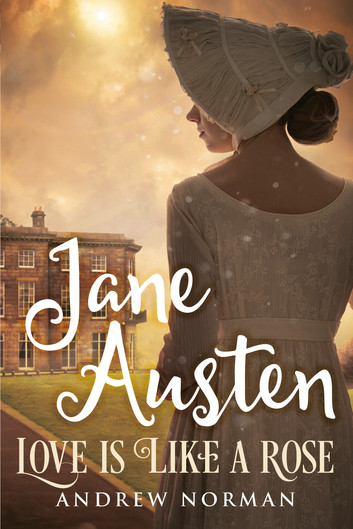
Jane Austen: Love is Like a Rose by Andrew Norman

Price range: $2.85 through $23.35

Andrew Norman explores the hidden romantic life of Jane Austen. This biography reveals the emotional inspirations behind her timeless novels. It offers a fresh look at the author’s private world.

Additional information

Publisher

Fonthill Media

Release Date

September 11, 2016

Number of pages

150

Language

English

ISBN

1230001343212

Download options

Epub

Format

Digital Book, Paper Book

SKU: 1230001343212 Categories: , , , Product ID: 26115

Description

Jane Austen: Love is Like a Rose – Exploring Romance Through Literature’s Most Beloved Author

Jane Austen: Love is Like a Rose by Andrew Norman offers a captivating exploration of romance through one of literature’s greatest voices. This e-book examines how Austen understood love’s beauty and complexity. Norman uses the rose metaphor to illuminate Austen’s romantic philosophy. Therefore, readers discover fresh insights into beloved novels like Pride and Prejudice and Sense and Sensibility. The book reveals how Austen’s views on love remain remarkably relevant today.

Jane Austen (1775-1817) created some of English literature’s most enduring love stories. Her novels explore courtship, marriage, and social expectations with wit and wisdom. Moreover, her heroines navigate romance with intelligence and moral clarity. Norman’s Love is Like a Rose analyzes these romantic themes through biographical and literary lenses. Consequently, the book serves both as Austen biography and literary analysis.

The rose metaphor captures Austen’s nuanced understanding of romantic relationships. Roses symbolize beauty, passion, and delicate emotion. However, they also possess thorns that can wound. Similarly, Austen portrayed love as both wonderful and challenging. Her novels acknowledge romance’s complications while celebrating its transformative power. Therefore, the rose becomes the perfect symbol for Austen’s balanced romantic vision.

Understanding Jane Austen’s Literary Legacy

Jane Austen revolutionized the English novel through her focus on domestic life and relationships. She wrote six major novels that continue captivating readers worldwide. Her work combines sharp social observation with deep psychological insight. Additionally, Austen’s prose style set new standards for clarity and elegance. Her influence on subsequent literature cannot be overstated.

Austen’s novels center on young women seeking love and security. Her heroines must navigate complex social rules and economic realities. Marriage represented women’s primary path to stability in Austen’s era. Nevertheless, her novels insist that true love should accompany practical considerations. This balance between romance and realism defines Austen’s unique contribution.

Her most famous works include Pride and Prejudice, Emma, and Persuasion. Each novel explores different aspects of romantic relationships and personal growth. Moreover, Austen’s characters face obstacles both external and internal. They must overcome pride, prejudice, misunderstanding, and social pressure. Therefore, her love stories feel earned rather than inevitable.

Austen’s wit and irony distinguish her writing from sentimental romance novels. She gently mocks foolish characters while sympathizing with human weakness. Her narrative voice combines warmth with critical distance. Additionally, Austen’s dialogue reveals character through natural conversation. These techniques make her novels endlessly rereadable.

The Rose Metaphor: Beauty and Thorns in Love

Jane Austen: Love is Like a Rose uses this powerful metaphor throughout Norman’s analysis. Roses represent love’s most appealing qualities: beauty, fragrance, and delicate perfection. They symbolize romantic idealism and emotional intensity. However, roses also possess sharp thorns that protect their blooms. Similarly, Austen understood that love involves vulnerability and potential pain.

The metaphor illuminates how Austen’s novels balance romantic hope with realistic caution. Her heroines experience love’s beauty through genuine connection and mutual respect. They discover partners who appreciate their intelligence and character. Moreover, Austen’s love stories celebrate emotional intimacy and companionship. These elements represent the rose’s beautiful petals.

Yet Austen never ignores love’s thorns and complications. Her characters face misunderstandings, social obstacles, and personal flaws. They experience rejection, disappointment, and heartbreak. Additionally, economic pressures create difficult choices about marriage and security. Therefore, Austen’s romantic vision acknowledges love’s challenges alongside its rewards.

Norman explores how this balanced perspective makes Austen’s work timeless. Modern readers still navigate similar tensions between idealism and practicality. We still seek partners who offer both passion and compatibility. Furthermore, we still face external pressures that complicate romantic choices. The rose metaphor helps readers understand Austen’s continued relevance.

Andrew Norman’s Biographical and Analytical Approach

Andrew Norman brings extensive research skills to his examination of Austen’s life and work. He combines biographical details with close literary analysis. Norman investigates how Austen’s personal experiences shaped her romantic philosophy. Therefore, readers gain deeper understanding of both the woman and the writer.

Norman examines Austen’s own romantic history, including her brief engagement to Harris Bigg-Wither. She accepted his proposal but withdrew her acceptance the next morning. This decision suggests Austen valued love over financial security. Moreover, it demonstrates her commitment to authentic feeling in relationships. Norman uses such biographical moments to illuminate Austen’s fictional choices.

The book also analyzes Austen’s family relationships and social context. She lived in a close-knit family that valued education and literature. Her father encouraged her writing from an early age. Additionally, Austen observed many marriages among relatives and acquaintances. These observations informed her nuanced portrayal of matrimony’s realities.

Norman’s analytical approach examines specific passages from Austen’s novels. He shows how she uses language to convey romantic development. Her characters’ conversations reveal growing understanding and attraction. Furthermore, Norman traces recurring themes across different novels. This comparative analysis highlights Austen’s consistent romantic philosophy.

How Love is Like a Rose Explores Austen’s Romantic Views

The book systematically examines Austen’s portrayal of love across her major works. Norman identifies key principles that guide Austen’s romantic vision. First, genuine love requires mutual respect and understanding. Austen’s successful couples appreciate each other’s minds and characters. They communicate honestly and value each other’s opinions.

Second, Austen insists that love should improve both partners. Her heroes and heroines grow through their relationships. They recognize their own flaws and work to overcome them. Moreover, they inspire each other toward better behavior and clearer self-knowledge. Therefore, Austen presents love as morally transformative.

Third, Austen balances emotion with reason in romantic decisions. Her heroines feel deep passion but also exercise judgment. They consider practical factors without sacrificing authentic feeling. Additionally, Austen criticizes both cold calculation and reckless emotionalism. Her ideal combines heart and head.

Fourth, Austen values gradual development over instant attraction. Her best love stories unfold through extended acquaintance and conversation. Characters discover each other slowly, overcoming initial misimpressions. Furthermore, this gradual process creates more stable foundations for marriage. Norman shows how this pattern repeats across Austen’s novels.

Jane Austen: Love is Like a Rose also examines what Austen rejects in romance. She criticizes superficial attraction based solely on appearance or wealth. She mocks excessive sentimentality and romantic posturing. Moreover, Austen condemns marriages based purely on economic advantage. Her novels consistently advocate for authentic emotional connection.

Key Themes: Love, Relationships, and Romantic Complexity

Norman’s analysis identifies several recurring themes in Austen’s romantic vision. These themes demonstrate the depth and sophistication of her understanding. Moreover, they explain why her novels continue resonating with contemporary readers. The following themes appear throughout Love is Like a Rose:

  • Self-knowledge as prerequisite for love – Characters must understand themselves before choosing partners wisely
  • Social pressure versus personal choice – Austen’s heroines navigate expectations while asserting individual agency
  • Economic realities in romantic decisions – Money matters but shouldn’t determine marriage choices
  • Communication and misunderstanding – Many romantic obstacles arise from poor communication or misinterpretation
  • Personal growth through relationship – Love challenges characters to become better versions of themselves
  • Companionship as foundation for marriage – Austen values friendship and compatibility alongside passion

Each theme reflects both the beauty and thorns of romantic experience. Self-knowledge brings clarity but requires painful honesty. Social pressure provides structure but can constrain authentic choice. Economic considerations ensure security but may compromise feeling. Therefore, Austen’s themes capture love’s inherent complexity.

Norman demonstrates how these themes interconnect throughout Austen’s novels. Characters who lack self-knowledge make poor romantic choices. Those who ignore economic realities face hardship. Meanwhile, characters who communicate openly avoid unnecessary misunderstanding. This thematic consistency reveals Austen’s coherent romantic philosophy.

Why This Book Matters for Jane Austen Fans

Devoted Austen readers will find fresh perspectives in Norman’s analysis. The rose metaphor provides a new framework for understanding familiar novels. It highlights connections between different works and recurring patterns. Moreover, Norman’s biographical research adds context to Austen’s fictional choices. Therefore, even longtime fans discover new insights.

The book helps readers appreciate Austen’s sophistication and depth. She wasn’t simply writing romance novels for entertainment. Instead, Austen created serious literature that examines fundamental human experiences. Her work explores how people find happiness and meaning through relationships. Additionally, she investigates social structures that shape individual choices.

Norman’s approach validates taking Austen’s romantic themes seriously. Academic criticism sometimes dismisses romance as trivial subject matter. However, Jane Austen: Love is Like a Rose demonstrates that love deserves thoughtful analysis. Romantic relationships profoundly affect human wellbeing and social organization. Therefore, Austen’s exploration of love constitutes an important literary achievement.

The book also enhances readers’ enjoyment of Austen’s novels. Understanding her romantic philosophy deepens appreciation of specific scenes and character development. Readers notice subtle details they might have missed before. Furthermore, Norman’s analysis encourages rereading with fresh eyes. Austen’s work rewards repeated engagement.

Appeal to Different Audiences

Love is Like a Rose successfully reaches multiple reader demographics. Academic readers will appreciate Norman’s scholarly research and textual analysis. He engages with existing Austen criticism while offering original insights. Moreover, his arguments rest on careful evidence from the novels. Therefore, the book contributes meaningfully to Austen studies.

Romance readers will enjoy Norman’s focus on love and relationships. The book celebrates Austen’s romantic vision while analyzing its components. It validates readers’ emotional responses to beloved love stories. Additionally, Norman shows how Austen’s romances differ from formulaic genre fiction. Her sophisticated approach elevates romantic themes.

General literary enthusiasts will find an accessible introduction to Austen’s work. Norman writes clearly without excessive academic jargon. He explains historical context that helps modern readers understand Austen’s world. Furthermore, the book works as a companion to reading or rereading Austen’s novels. It enhances rather than replaces direct engagement with her texts.

Biography readers will appreciate Norman’s attention to Austen’s life and personality. He presents her as a complex individual navigating her own romantic challenges. The book humanizes Austen while respecting her privacy and dignity. Moreover, Norman avoids sensationalizing limited biographical information. He maintains scholarly integrity while telling an engaging story.

Connection to Austen’s Novels and Personal Life

Norman carefully traces connections between Austen’s life experiences and fictional creations. He avoids simplistic biographical readings that reduce novels to autobiography. Instead, he shows how personal experience informed but didn’t determine Austen’s artistic choices. Therefore, the book respects both biographical and literary evidence.

Austen’s decision to refuse Harris Bigg-Wither’s proposal illuminates her values. She chose uncertain independence over comfortable security without love. This choice appears reflected in characters like Elizabeth Bennet and Anne Elliot. They also refuse advantageous matches that lack genuine affection. Moreover, Austen’s heroines insist on respecting their own feelings.

Austen never married, though she apparently experienced romantic attraction. Some scholars suggest she loved Tom Lefroy during her youth. However, practical obstacles prevented their union. Additionally, Austen may have experienced other attachments that remain undocumented. Norman explores how these experiences might have shaped her romantic vision.

The book also examines Austen’s observations of others’ marriages. She witnessed both happy and unhappy unions among family and friends. Her parents enjoyed a companionate marriage based on mutual respect. However, Austen also saw marriages motivated purely by economics or social pressure. Therefore, she understood marriage’s varied realities.

Norman shows how Austen transformed personal and observed experience into universal themes. Her novels transcend specific biographical details to explore fundamental romantic questions. They ask what makes relationships succeed or fail. Moreover, they investigate how individuals can find authentic love within social constraints. These questions remain perpetually relevant.

Contemporary Relevance of Austen’s Romance Themes

Jane Austen: Love is Like a Rose demonstrates why Austen’s romantic vision still matters today. Modern readers face different social structures but similar emotional challenges. We still seek partners who respect and understand us. Moreover, we still balance practical considerations with romantic idealism. Therefore, Austen’s insights remain applicable.

Contemporary dating culture emphasizes instant attraction and physical chemistry. However, Austen’s novels suggest that lasting love requires a deeper foundation. Her characters build relationships through conversation, shared values, and mutual growth. Additionally, they learn to see beyond superficial qualities. This perspective offers a valuable counterpoint to modern romance culture.

Economic pressures still influence romantic decisions, though differently than in Austen’s era. Modern couples negotiate career demands, student debt, and housing costs. They consider financial compatibility alongside emotional connection. Furthermore, economic inequality affects relationship opportunities and stability. Therefore, Austen’s attention to money’s role remains relevant.

Gender dynamics have evolved significantly since Austen’s time. Women now enjoy greater independence and career opportunities. Nevertheless, relationship negotiations still involve power dynamics and social expectations. Moreover, questions about equality and mutual respect remain central. Austen’s insistence on partnership rather than dominance speaks to contemporary concerns.

Norman argues that Austen’s balanced approach offers wisdom for modern readers. She neither dismisses romance as foolish nor treats it as life’s only purpose. Instead, she presents love as important but not all-consuming. Additionally, Austen shows how romantic relationships connect to broader questions of character and values. This mature perspective benefits readers of any era.

Conclusion: Discovering Austen’s Romantic Wisdom

Jane Austen: Love is Like a Rose by Andrew Norman provides an illuminating exploration of literature’s greatest romantic novelist. The rose metaphor perfectly captures Austen’s nuanced understanding of love’s beauty and complexity. Norman’s analysis reveals the sophisticated philosophy underlying beloved novels. Moreover, his biographical research contextualizes Austen’s fictional choices. Therefore, the book enriches readers’ appreciation of Austen’s enduring achievement.

The book demonstrates that Austen’s romantic themes deserve serious critical attention. Love profoundly affects human happiness and social organization. Austen’s exploration of romantic relationships constitutes important literary and philosophical work. Additionally, her insights remain relevant to contemporary readers navigating their own romantic lives. Her wisdom transcends historical period.

Norman’s accessible writing style welcomes readers regardless of academic background. He explains complex ideas clearly while maintaining scholarly rigor. The book works equally well as an introduction to Austen or deeper analysis for devoted fans. Furthermore, it encourages readers to return to Austen’s novels with a fresh perspective. This combination of accessibility and depth makes the book valuable.

Jane Austen: Love is Like a Rose reminds us why Austen’s novels continue captivating readers worldwide. Her romantic vision balances idealism with realism, emotion with reason. She celebrates love’s transformative power while acknowledging its challenges. Moreover, Austen insists that authentic feeling and moral integrity should guide romantic choices. These principles remain as important today as in Regency England.

Pick up this e-book to discover new dimensions in Jane Austen’s romantic philosophy. Learn how the rose metaphor illuminates her sophisticated understanding of love. Explore connections between Austen’s life and her fictional creations. Most importantly, gain insights that will deepen your appreciation of literature’s most beloved love stories. Love is Like a Rose offers both scholarly analysis and reading pleasure for everyone who loves Jane Austen.

Reviews

There are no reviews yet.

Be the first to review “Jane Austen: Love is Like a Rose by Andrew Norman”

Your email address will not be published. Required fields are marked *

E-mail
Password
Confirm Password