Description
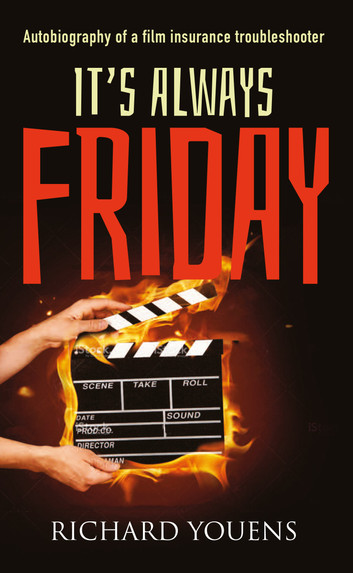
It’s Always Friday: Inside the World of a Film Insurance Troubleshooter
Richard Youens spent decades as a film insurance troubleshooter, navigating the chaotic, unpredictable world of movie production. His autobiography, “It’s Always Friday,” offers readers an unprecedented look behind the curtain of Hollywood’s risk management machinery. Moreover, this compelling memoir reveals how one man’s expertise saved productions from financial disaster while collecting unforgettable stories along the way.
What Does a Film Insurance Troubleshooter Actually Do?
The role of a film insurance troubleshooter remains mysterious to most people outside the industry. However, Youens demystifies this crucial position with clarity and humor. Essentially, troubleshooters assess risks, investigate claims, and solve problems when productions face potential catastrophes. They work at the intersection of creativity and commerce, protecting millions of dollars in investments.
Furthermore, these professionals must understand both filmmaking processes and complex insurance policies. They arrive on set when disasters strike—injuries, equipment failures, weather delays, or worse. Consequently, they need diplomatic skills, technical knowledge, and nerves of steel. Youens possessed all three in abundance throughout his remarkable career.
Richard Youens: The Man Behind the Memoir
Richard Youens built his reputation handling some of the industry’s most challenging situations. His career spanned multiple decades and countless productions across various continents. Additionally, he worked with legendary directors, temperamental stars, and production teams under extreme pressure. Each experience added another layer to his expertise.
The author’s background uniquely qualified him for this demanding role. He combined insurance expertise with genuine passion for filmmaking. Therefore, he could speak both languages fluently—the creative vocabulary of directors and the technical terminology of underwriters. This dual fluency made him invaluable when crises erupted.
The “Always Friday” Philosophy: A Troubleshooter’s Mindset
The book’s title encapsulates Youens’ approach to his unpredictable profession. “It’s Always Friday” represents a mindset of optimism and anticipation. However, it also acknowledges the constant readiness required in crisis management. Every day brought new challenges that demanded fresh solutions and creative thinking.
Moreover, this philosophy helped Youens maintain perspective during stressful situations. When productions faced potential shutdowns, he approached problems with Friday’s hopeful energy. Consequently, he could think clearly when others panicked. This mental framework became his secret weapon throughout countless emergencies.
Behind-the-Scenes Stories That Define Film Insurance Work
Youens’ memoir overflows with captivating anecdotes from actual productions. These stories reveal the hidden machinery that keeps filmmaking running smoothly. Furthermore, they demonstrate how quickly things can go wrong on set. From natural disasters to human errors, the film insurance troubleshooter encounters every imaginable scenario.
The book includes memorable incidents involving:
- Major stars injured during dangerous stunts
- Productions threatened by extreme weather events
- Equipment failures costing millions in delays
- Political upheavals in foreign shooting locations
- Disputes between producers and insurance companies
- Creative decisions that created massive liability risks
- Last-minute solutions that saved productions from collapse
Each story illustrates the high-stakes nature of film production insurance. Additionally, they showcase Youens’ problem-solving abilities under pressure. These real-world examples make abstract insurance concepts tangible and engaging.
Memorable Challenges and Crisis Management
Throughout his career, Youens faced situations that would overwhelm most professionals. However, his calm demeanor and systematic approach consistently delivered results. The memoir details specific crises that tested his skills to their limits. These accounts provide valuable lessons about risk management and creative problem-solving.
One particularly gripping chapter describes a production stranded by political unrest. The troubleshooter had to evacuate cast and crew while protecting expensive equipment. Meanwhile, insurance claims needed immediate processing to prevent financial catastrophe. Consequently, Youens orchestrated a complex operation involving multiple governments and insurance carriers.
Another memorable incident involved a star’s injury during a crucial scene. Production faced shutdown unless alternative solutions emerged quickly. Therefore, Youens negotiated with medical professionals, insurance adjusters, and studio executives simultaneously. His innovative approach kept cameras rolling while ensuring proper care for the injured performer.
What Readers Learn About the Film Industry
“It’s Always Friday” offers insights unavailable in typical Hollywood memoirs. Readers discover how financial protection enables creative risk-taking. Moreover, they understand why insurance professionals play crucial roles in bringing stories to screen. The book demystifies the business side of filmmaking without losing entertainment value.
Furthermore, Youens explains how productions budget for potential disasters. He reveals the calculations behind coverage decisions and premium negotiations. Additionally, readers learn which risks producers accept and which they transfer to insurers. This knowledge illuminates the economic realities underlying every production decision.
The memoir also exposes common misconceptions about film insurance. Many assume it simply covers equipment damage or injury claims. However, Youens demonstrates the field’s complexity and sophistication. Policies address everything from weather delays to director death to negative publicity.
The Intersection of Insurance, Risk Management, and Filmmaking
Film production represents one of the most complex risk management challenges imaginable. Consequently, specialized insurance products evolved to address unique industry needs. Youens’ career coincided with significant developments in film insurance sophistication. His experiences chronicle this evolution from multiple perspectives.
The book explores how risk assessment influences creative decisions. Directors want spectacular stunts; producers worry about liability exposure. Therefore, the film insurance troubleshooter mediates between artistic vision and financial prudence. This balancing act requires understanding both filmmaking craft and insurance principles.
Moreover, Youens discusses how international productions complicate risk management. Different countries have varying regulations, healthcare systems, and legal frameworks. Additionally, political instability and currency fluctuations create additional uncertainties. Navigating these complexities demands expertise that few professionals possess.
Why This Insider Perspective Matters
Few books examine filmmaking through the insurance lens. However, this perspective reveals essential truths about how movies actually get made. Furthermore, it demonstrates that creativity requires financial infrastructure to flourish. Youens’ stories prove that unsung professionals enable the magic audiences enjoy.
The memoir appeals to multiple audiences with different interests. Film industry professionals gain practical knowledge about managing production risks. Insurance specialists discover how their principles apply in glamorous, high-pressure environments. Meanwhile, movie enthusiasts satisfy curiosity about behind-the-scenes operations.
Additionally, the book offers valuable lessons about crisis management applicable beyond filmmaking. Youens’ problem-solving approaches work in any high-stakes, time-sensitive situation. His emphasis on preparation, communication, and creative thinking transcends industry boundaries.
Unforgettable Incidents That Shaped a Career
Certain cases stand out in Youens’ memory for their complexity or consequences. These defining moments tested his abilities and shaped his professional philosophy. The memoir recounts these incidents with vivid detail and honest reflection. Readers experience the tension, uncertainty, and ultimate resolution of each crisis.
One chapter describes a production plagued by seemingly cursed circumstances. Equipment malfunctioned repeatedly, actors fell ill, and weather refused to cooperate. However, Youens identified patterns suggesting sabotage rather than bad luck. His investigation uncovered deliberate interference, leading to criminal prosecution and insurance recovery.
Another memorable case involved negotiating with hostile local authorities threatening production shutdown. The troubleshooter had to balance diplomatic sensitivity with firm advocacy for his clients. Consequently, he spent weeks building relationships and finding mutually acceptable solutions. His persistence ultimately saved the production and established valuable precedents.
The Human Side of Film Insurance
Beyond technical expertise, Youens emphasizes the human relationships central to his work. He dealt with frightened actors, frustrated directors, and anxious producers daily. Moreover, he understood that empathy and communication mattered as much as insurance knowledge. This human touch distinguished him from purely bureaucratic adjusters.
The memoir includes touching moments alongside dramatic crises. Youens describes comforting injured performers and reassuring worried crew members. Furthermore, he celebrates the collaborative spirit that emerges when productions face adversity together. These personal connections made his career meaningful beyond professional accomplishments.
Additionally, the book acknowledges the emotional toll of constant crisis management. However, Youens’ “Always Friday” philosophy helped maintain psychological resilience. He found joy in solving problems and satisfaction in enabling creative expression. This positive mindset sustained him through decades of high-pressure situations.
Lessons for Aspiring Film Insurance Professionals
Young professionals considering careers in film insurance will find invaluable guidance here. Youens outlines the skills, knowledge, and temperament required for success. Moreover, he provides realistic expectations about the role’s demands and rewards. His candid advice helps readers determine whether this path suits their abilities and interests.
The memoir emphasizes continuous learning as essential for troubleshooters. Film technology evolves constantly, creating new risks and insurance challenges. Therefore, professionals must stay current with industry developments and emerging coverage needs. Additionally, they need broad knowledge spanning legal, medical, technical, and creative domains.
Youens also stresses the importance of building trust and maintaining integrity. Producers must believe their troubleshooter advocates for their interests while respecting insurance principles. Consequently, reputation becomes a professional’s most valuable asset. The author’s career demonstrates how consistent ethical behavior creates long-term success.
The Global Scope of Film Production Insurance
Modern filmmaking occurs worldwide, creating international insurance complexities. Youens’ career took him to dozens of countries across multiple continents. Each location presented unique challenges requiring cultural sensitivity and local knowledge. Furthermore, coordinating coverage across jurisdictions demanded sophisticated understanding of international insurance markets.
The book describes productions in remote locations with minimal infrastructure. These situations required creative solutions when standard insurance approaches proved inadequate. Moreover, Youens had to assess risks that traditional underwriting models never anticipated. His adaptability and resourcefulness repeatedly proved essential.
Additionally, the memoir explores how different cultures approach risk and insurance. Some societies embrace comprehensive coverage; others prefer minimal protection. Therefore, the troubleshooter must adapt strategies to local attitudes and expectations. This cultural intelligence separates effective professionals from those who struggle internationally.
Why “It’s Always Friday” Resonates Beyond Film
Although focused on film insurance, Youens’ memoir offers universal insights about work and life. His optimistic philosophy applies to any profession involving uncertainty and pressure. Moreover, his problem-solving approaches work across industries and situations. Readers from diverse backgrounds find applicable wisdom in his experiences.
The book celebrates finding meaning in unexpected places. Few children dream of becoming insurance troubleshooters. However, Youens discovered profound satisfaction in his unconventional career. Furthermore, he contributed significantly to an industry he loved without seeking spotlight recognition. This quiet dedication inspires readers pursuing their own unique paths.
Additionally, the memoir demonstrates how specialized expertise creates irreplaceable value. Youens developed knowledge that few others possessed through decades of focused experience. Consequently, he became indispensable to productions worldwide. His story encourages readers to develop deep competence in their chosen fields.
The Legacy of a Film Insurance Troubleshooter
Richard Youens’ career influenced film insurance practices that continue today. His innovative approaches to complex problems established precedents for future troubleshooters. Moreover, his emphasis on collaboration between creative and financial professionals improved industry relationships. The memoir documents this legacy while entertaining and educating readers.
The book also preserves important film industry history from an unusual perspective. Standard Hollywood histories focus on stars, directors, and studio executives. However, Youens’ account reveals the essential infrastructure supporting creative work. This alternative narrative enriches understanding of how films actually get made.
Furthermore, “It’s Always Friday” inspires appreciation for unsung professionals throughout the industry. Every production depends on countless specialists working behind the scenes. The troubleshooter represents just one example of expertise that audiences never see but productions cannot survive without.
Conclusion: A Must-Read for Film and Insurance Enthusiasts
“It’s Always Friday: Autobiography of a Film Insurance Troubleshooter” delivers entertainment, education, and inspiration. Richard Youens transforms potentially dry subject matter into compelling storytelling through vivid anecdotes and honest reflection. Moreover, he provides unique insights into filmmaking’s business realities that few other books offer.
The memoir succeeds on multiple levels simultaneously. It functions as professional memoir, industry history, and practical guide for aspiring troubleshooters. Additionally, it offers engaging reading for anyone curious about behind-the-scenes film production. This versatility makes it valuable for diverse audiences with varying interests.
Ultimately, Youens’ story celebrates finding purpose in unexpected places and approaching challenges with optimistic determination. His “Always Friday” philosophy reminds readers that attitude shapes experience regardless of circumstances. Whether you work in film, insurance, or completely different fields, this memoir offers wisdom worth absorbing. The film insurance troubleshooter may operate in shadows, but his story deserves spotlight recognition.






Reviews
There are no reviews yet.