

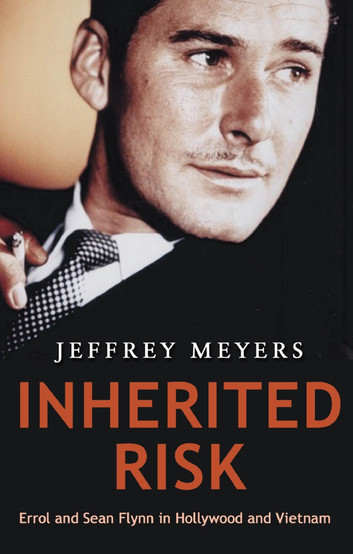
Description
Inherited Risk: The Tragic Tale of Errol and Sean Flynn in Hollywood and Vietnam
Introduction: A Father-Son Story of Fame and Danger
Jeffrey Meyers explores the captivating lives of Errol and Sean Flynn. This dual biography reveals how father and son shared dangerous appetites. Moreover, it examines their parallel paths toward self-destruction. The Flynn family legacy includes both glamour and tragedy.
Errol Flynn dominated Hollywood’s golden age as a swashbuckling star. Meanwhile, his son Sean pursued danger in Vietnam’s war zones. Furthermore, both men lived recklessly and died young. Their story fascinates readers who love Hollywood history and war journalism.
Errol Flynn: Hollywood’s Scandalous Swashbuckler
Errol Flynn became one of cinema’s most iconic leading men. He starred in classic adventure films throughout the 1930s and 1940s. However, his off-screen life proved even more dramatic than his movies. Additionally, scandals followed him throughout his entire career.
Flynn’s personal life included numerous affairs and legal troubles. He faced serious accusations that permanently damaged his reputation. Nevertheless, audiences continued to adore his on-screen charisma and charm. His self-destructive behavior eventually caught up with him tragically.
The actor’s appetite for risk extended beyond romantic entanglements. He engaged in dangerous stunts, excessive drinking, and drug use. Furthermore, he lived without regard for consequences or personal safety. This pattern would later emerge in his son’s life.
The Flynn Family Legacy of Risk-Taking
Inherited risk defines the relationship between Errol and Sean Flynn. Both men seemed constantly compelled to seek danger and excitement. Moreover, they shared similar personality traits that led to destruction. The parallels between their lives prove remarkably striking.
Jeffrey Meyers examines how traits pass from father to son. He explores whether genetics or environment shaped Sean’s dangerous choices. Additionally, he considers how Errol’s absence affected his son’s development. These questions make the biography psychologically compelling and thought-provoking.
Sean Flynn: From Actor to War Photographer
Sean Flynn initially followed his father into Hollywood acting. He appeared in several films during the 1960s as a handsome leading man. However, acting never satisfied his need for authentic adventure and danger. Consequently, he abandoned his promising film career for photojournalism.
The Vietnam War drew Sean like a magnet to metal. He traveled to Southeast Asia to document the brutal conflict firsthand. Furthermore, he took extraordinary risks to capture compelling combat photographs. His work earned respect from fellow journalists and news organizations.
Sean’s photography revealed the war’s harsh realities to American audiences. He ventured into dangerous territories that other journalists avoided completely. Moreover, he seemed to actively seek out the most perilous situations. This behavior mirrored his father’s reckless approach to life.
Dangerous Appetites: Shared Traits Between Father and Son
Both Errol and Sean Flynn exhibited remarkably similar personality characteristics:
- Compulsive risk-taking in professional and personal situations
- Charismatic charm that attracted admirers and romantic partners
- Restlessness that prevented settling into conventional lifestyles
- Self-destructive tendencies despite obvious intelligence and talent
- Difficulty maintaining stable relationships or family connections
- Attraction to danger that ultimately led to their downfalls
These shared traits suggest inherited patterns of behavior and thinking. Meyers explores whether such tendencies can truly be passed down through generations. Additionally, he examines how the environment reinforced these dangerous inclinations.
Hollywood Glamour Meets Vietnam War Reality
The contrast between Errol’s Hollywood and Sean’s Vietnam fascinates readers. Errol lived in luxury while playing heroes on elaborate film sets. Meanwhile, Sean experienced real combat in muddy jungles and war-torn villages. Nevertheless, both men sought excitement and lived on the edge.
Hollywood’s golden age provided Errol with fame, fortune, and adoration. He enjoyed privileges that few people ever experience in their lifetimes. However, he remained perpetually dissatisfied and searched for greater thrills. This dissatisfaction eventually destroyed his health and career completely.
Sean rejected Hollywood’s artificial glamour for authentic danger and purpose. He found meaning in documenting the brutal truth of war for audiences. Furthermore, he earned respect through courage rather than inherited celebrity status. Yet his choices ultimately led to the same tragic outcome.
The Tragic Disappearance of Sean Flynn
Sean Flynn vanished in Cambodia in April 1970 while covering the war. He and fellow journalist Dana Stone rode motorcycles into dangerous territory. Moreover, they ignored warnings about Khmer Rouge activity in the area. Neither man was ever seen alive again by friends or family.
The circumstances surrounding Sean’s disappearance remain mysterious even today. Various theories suggest capture, execution, or death in combat occurred. However, no definitive evidence has ever emerged about his fate. This uncertainty adds another tragic layer to the Flynn family story.
Errol had died years earlier from health problems caused by excessive living. He never witnessed his son’s transformation into a respected war photographer. Additionally, he never experienced the pain of Sean’s mysterious disappearance. Both men died relatively young after living dangerously and recklessly.
Jeffrey Meyers’ Masterful Dual Biography
Jeffrey Meyers brings exceptional skill to this complex father-son narrative. He effectively balances Errol’s Hollywood scandals with Sean’s wartime heroism. Moreover, he avoids sensationalism while acknowledging both men’s serious flaws. His writing remains engaging, insightful, and deeply researched throughout.
The author draws fascinating parallels between two very different careers. He shows how inherited traits manifested in completely different contexts. Furthermore, he examines the psychological forces driving both men’s choices. This analysis elevates the book beyond simple biographical storytelling.
Meyers conducted extensive research using interviews, archives, and personal documents. He presents a nuanced portrait that acknowledges complexity and contradiction. Additionally, he writes with clarity and compassion for his subjects. The result feels both scholarly and accessible to general readers.
Why This Biography Matters Today
“Inherited Risk” offers valuable insights into fame, family, and self-destruction. It explores timeless questions about the nature-versus-nurture debate in human behavior. Moreover, it documents important moments in Hollywood and Vietnam War history. The Flynn family story resonates with contemporary readers seeking understanding.
The book appeals to multiple audiences with diverse interests and backgrounds. Hollywood history enthusiasts will appreciate the insider details about Errol’s career. Meanwhile, Vietnam War scholars will value Sean’s photojournalism documentation and perspective. Additionally, psychology readers will find the inherited behavior patterns fascinating.
Lessons from the Flynn Family Tragedy
This dual biography teaches important lessons about recognizing destructive patterns. Both Errol and Sean Flynn possessed talent, charm, and opportunity for success. However, their compulsive risk-taking ultimately destroyed them both tragically. Their story serves as a cautionary tale about inherited tendencies.
Readers learn how family patterns can unconsciously repeat across generations. They also discover how the environment and choice interact with genetics. Furthermore, they understand the importance of self-awareness in breaking destructive cycles. These lessons make the book valuable beyond its entertainment value.
The Vietnam War Through Sean’s Lens
Sean Flynn’s photography provided crucial documentation of the Vietnam War. His images vividly captured the brutality and human cost of the conflict. Moreover, his work influenced public opinion about American military involvement. He risked everything to show audiences the war’s true nature.
The book includes a discussion of Sean’s most important photographic work. Meyers effectively explains the context and significance of key images. Additionally, he describes the dangerous circumstances under which Sean worked. This coverage honors Sean’s contribution to war journalism and historical documentation.
Errol Flynn’s Hollywood Legacy
Despite scandals, Errol Flynn left an indelible mark on cinematic history. His swashbuckling roles defined an entire genre of adventure films. Furthermore, his charisma and screen presence remain unmatched by modern actors. Movies like “The Adventures of Robin Hood” continue entertaining audiences today.
Flynn’s personal life often overshadowed his considerable acting talent. He brought athleticism, charm, and energy to every role he played. Moreover, he performed many of his own dangerous stunts without hesitation. His dedication to entertainment came at a tremendous personal cost.
The actor’s influence extended beyond his own films and performances. He helped establish Hollywood’s reputation for glamour and excess during its golden age. Additionally, his scandals contributed to the public’s fascination with celebrity culture. His legacy remains complex, controversial, and endlessly fascinating to film historians.
Perfect for Biography and History Enthusiasts
This book satisfies readers who love well-researched biographical narratives and historical analysis. Meyers combines scholarly rigor with engaging storytelling throughout the entire work. Moreover, he provides context that helps readers understand both men’s choices. The result feels both educational and emotionally compelling for diverse audiences.
History buffs will appreciate the detailed coverage of two important eras. The book illuminates Hollywood’s golden age and the Vietnam War period. Furthermore, it shows how individual lives intersect with broader historical movements. These connections enrich and deepen the narrative.
The Psychology of Inherited Risk
Meyers explores fascinating questions about inherited personality traits and behavioral patterns. He examines whether risk-taking tendencies can pass from parent to child. Moreover, he considers how childhood experiences shape adult choices and behaviors. This psychological dimension significantly adds depth to the biographical narrative.
The concept of inherited risk extends beyond the Flynn family specifically. Many readers will recognize similar patterns in their own family histories. Additionally, the book encourages reflection on personal tendencies toward risky behavior. This universal relevance makes the story resonate with broad audiences.
Conclusion: A Compelling Tale of Two Lives
“Inherited Risk” stands as a masterful exploration of the Errol and Sean Flynn legacy. Jeffrey Meyers crafted a biography that honors both men while acknowledging flaws. Moreover, he created a narrative that educates, entertains, and provokes thought. This book deserves recognition as an outstanding contribution to biographical literature.
The parallel lives of father and son create a uniquely compelling story. Their shared traits and tragic fates raise important questions about destiny. Furthermore, their individual accomplishments deserve recognition despite their personal struggles. Pick up this remarkable biography to discover their extraordinary story today.
Whether you love Hollywood history, Vietnam War accounts, or psychological biographies, this book delivers. Meyers’ skilled writing brings both Flynns to life on every page. Additionally, his research provides insights unavailable in other biographical works. “Inherited Risk” belongs on every biography enthusiast’s essential reading list.


Reviews
There are no reviews yet