Description
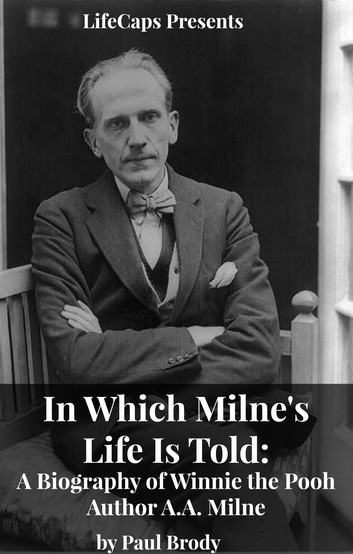
In Which Milne’s Life Is Told: A Biography of Winnie the Pooh Author A.A. Milne by Paul Brody
Introduction: Discovering the Man Behind the Hundred Acre Wood
A.A. Milne created one of literature’s most beloved characters, Winnie-the-Pooh, yet few know his story. This comprehensive biography by Paul Brody reveals the fascinating life of Alan Alexander Milne. Moreover, it explores how this accomplished playwright and humorist became immortalized through children’s literature.
The author of Winnie-the-Pooh lived a complex life, marked by literary triumphs and personal struggles. Furthermore, his relationship with his son, Christopher Robin, profoundly shaped both their destinies. Paul Brody’s “In Which Milne’s Life Is Told” offers readers unprecedented insight into this enigmatic figure.
Published in 2015, this biography examines A.A. Milne’s complete journey from childhood through literary immortality. Additionally, it reveals the man behind the beloved stories that continue to enchant generations worldwide.
A.A. Milne’s Early Life and Formative Years
Alan Alexander Milne was born in London in 1882 to middle-class parents. His father ran a private school where young Alan received his early education. Moreover, this educational environment fostered his love of literature and creative expression from a young age.
The future Winnie-the-Pooh author showed exceptional academic promise and wit even as a boy. Furthermore, his relationship with his father significantly influenced his later parenting approach.
Milne attended Westminster School and later Trinity College, Cambridge, where he flourished academically. Additionally, he edited the student magazine Granta, showcasing his emerging talent for humor and satire. These formative years shaped his distinctive voice and literary sensibilities that defined his career. However, few could have predicted that he would eventually create the Hundred Acre Wood’s timeless inhabitants.
His early experiences laid the foundation for both his sophisticated adult writing and children’s classics. Therefore, understanding A.A. Milne’s youth helps readers fully appreciate his later creative achievements.
The Playwright and Humorist Before Pooh
Before creating Winnie-the-Pooh, A.A. Milne established himself as a successful playwright and humorist. He wrote for Punch magazine, Britain’s premier humor publication, for many years with distinction. Moreover, his witty essays and satirical pieces earned him a considerable reputation among literary circles.
The creator of Christopher Robin demonstrated remarkable versatility across multiple writing genres and styles successfully. Furthermore, his plays enjoyed commercial success on London’s West End stages throughout the 1920s.
Milne’s adult work consistently showcased sophisticated humor, social commentary, and keen observational skills. Additionally, plays like “Mr. Pim Passes By” and “The Dover Road” received critical acclaim. He crafted clever dialogue and explored human relationships with insight and gentle mockery. However, this accomplished body of work would eventually be overshadowed by his children’s books.
His pre-Pooh career reveals A.A. Milne as a multifaceted writer of considerable talent and range. Therefore, Paul Brody’s biography restores appreciation for Milne’s broader literary contributions beyond children’s literature.
Marriage to Dorothy de Sélincourt and Family Life
A.A. Milne married Dorothy de Sélincourt, known as Daphne, in 1913 after a courtship period. Their relationship proved complex, marked by both affection and emotional distance over the years. Moreover, Daphne’s social ambitions and personality significantly influenced their family dynamics and lifestyle choices.
The couple’s marriage reflected typical upper-middle-class British conventions of their era and social standing. Furthermore, their partnership would produce the son who inspired Milne’s most famous literary creation.
Christopher Robin Milne was born in 1920, bringing joy and new purpose to his parents. Additionally, the boy’s arrival coincided with A.A. Milne’s growing interest in writing for children. The family employed a nanny, Olive Rand, who became instrumental in Christopher’s upbringing daily. However, the dynamics among parents, the child, and the nanny created complex emotional relationships that lasted a lifetime.
This family structure directly influenced the stories that would make A.A. Milne internationally famous. Therefore, understanding these relationships illuminates the personal context behind Winnie-the-Pooh’s creation and enduring appeal.
World War I’s Impact on Milne’s Life and Writing
A.A. Milne served in World War I, an experience that profoundly affected his worldview. He joined the Royal Warwickshire Regiment and witnessed the war’s devastating human cost firsthand. Moreover, the trauma of combat influenced his later pacifist beliefs and political activism significantly.
The Winnie-the-Pooh author returned from war changed, seeking meaning and peace in his writing. Furthermore, his wartime experiences created tension between his public persona and private convictions throughout life.
After the war, Milne became an outspoken advocate for peace and international cooperation actively. Additionally, he wrote “Peace with Honour,” a controversial pacifist book that severely damaged his reputation. His anti-war stance proved unpopular in Britain during the 1930s as tensions rose again. However, Milne remained committed to his principles despite public criticism and professional consequences.
This aspect of A.A. Milne’s life reveals his moral courage and complexity beyond the confines of children’s literature. Therefore, Paul Brody’s biography presents a complete portrait of a man shaped by history’s darkest moments.
The Birth of Winnie-the-Pooh and Christopher Robin
The creation of Winnie-the-Pooh began with bedtime stories A.A. Milne told his son Christopher. These imaginative tales featured Christopher’s stuffed animals brought to life through his father’s storytelling genius. Moreover, the real Christopher Robin’s toys became the basis for Pooh, Piglet, Eeyore, and Tigger.
The author of Winnie-the-Pooh transformed ordinary playtime into extraordinary literary adventures that captivated children worldwide. Furthermore, illustrator E.H. Shepard’s drawings perfectly complemented Milne’s gentle, whimsical prose and characterizations.
“Winnie-the-Pooh” was published in 1926, followed by “The House at Pooh Corner” in 1928. Additionally, two poetry collections, “When We Were Very Young” and “Now We Are Six,” completed the series. These books achieved immediate commercial success and critical acclaim beyond anyone’s expectations or predictions. However, this success came with unexpected consequences for both father and son that lasted decades.
The creation of these beloved characters represents A.A. Milne’s greatest literary achievement and legacy. Therefore, understanding how Winnie-the-Pooh emerged from family life enriches appreciation for these timeless stories.
The Hundred Acre Wood’s Real-Life Inspiration
The Hundred Acre Wood was inspired by Ashdown Forest near the Milne family’s country home. A.A. Milne and Christopher Robin explored these woods together, creating memories that informed the stories. Moreover, specific locations in the forest became recognizable settings in the Winnie-the-Pooh books directly.
The creator of Christopher Robin drew on real landscapes to build his fictional world authentically. Furthermore, this connection between reality and imagination gave the stories their distinctive sense of place.
Cotchford Farm, the Milne family’s Sussex retreat, provided the peaceful setting for creative work. Additionally, the rural environment offered the family an escape from the pressures and distractions of London. Milne wrote many of his most famous works in this tranquil countryside setting surrounded by nature. However, the idyllic image presented in his books masked more complicated family realities beneath.
These real-world inspirations ground the Winnie-the-Pooh stories in tangible English countryside beauty. Therefore, readers can still visit these locations today and experience the landscapes that inspired literary magic.
A.A. Milne’s Literary Style and Philosophy
A.A. Milne consistently combined simplicity with profound emotional depth and psychological insight. He understood children’s perspectives while crafting stories that resonated with adults as powerfully as they did with children. Moreover, his gentle humor never condescended to young readers or oversimplified complex human emotions.
The Winnie-the-Pooh author created characters with distinct personalities, flaws, and endearing qualities that felt authentic. Furthermore, his prose rhythm and word choice demonstrated masterful control of language and pacing.
Milne’s philosophy emphasized kindness, friendship, and acceptance of individual differences throughout his children’s works. Additionally, he explored themes of belonging, adventure, and the bittersweet nature of growing up. His stories acknowledged childhood’s joys while recognizing its anxieties and challenges with remarkable sensitivity. However, he maintained optimism and warmth that made his books comforting rather than troubling.
This distinctive literary approach explains why A.A. Milne’s children’s books endure across generations and cultures. Therefore, his writing style deserves recognition as a significant contribution to the development and evolution of children’s literature.
The Burden of Fame on Christopher Robin Milne
Christopher Robin Milne’s childhood fame created lifelong challenges and complicated his relationship with his father. The real boy became permanently inseparable from his fictional counterpart in the public’s imagination. Moreover, he struggled with identity and resentment about his childhood being commercialized without his consent.
The Winnie-the-Pooh author’s success inadvertently burdened his son with unwanted attention and expectations throughout life. Furthermore, Christopher felt exploited by parents who prioritized literary success over his emotional well-being.
As an adult, Christopher Robin Milne wrote his own memoirs, honestly addressing his complicated feelings. Additionally, he opened a bookshop and lived quietly, seeking distance from his famous childhood persona. His relationship with his father remained strained, marked by unresolved hurt and misunderstanding. However, later in life, Christopher achieved some peace with his unique place in literary history.
This tragic dimension of the Winnie-the-Pooh story reveals the human cost of literary immortality. Therefore, Paul Brody’s biography doesn’t shy away from honestly and compassionately examining this painful family legacy.
Milne’s Later Years and Literary Output
After the Pooh books, A.A. Milne continued writing plays, novels, and essays with varying success. He struggled to escape the shadow of his children’s literature despite his other accomplishments. Moreover, critics and audiences seemed unable to appreciate his adult work after the overwhelming success of Winnie-the-Pooh.
The creator of Christopher Robin felt trapped by his most famous creation in ways he never anticipated. Furthermore, his later works received less attention and acclaim than his earlier pre-Pooh achievements had.
Milne adapted Kenneth Grahame’s “The Wind in the Willows” for the stage with considerable success. Additionally, he wrote an autobiography, “It’s Too Late Now,” reflecting on his life and career. His later years included health challenges and the pain of his strained relationship with Christopher. However, he continued working and maintaining his literary output until his health declined significantly.
These later years reveal A.A. Milne’s persistence and dedication to his craft despite disappointments. Therefore, understanding his complete career arc provides a fuller appreciation for his literary contributions and personal resilience.
The Enduring Legacy of A.A. Milne’s Creation
Winnie-the-Pooh has become one of the most recognizable and beloved characters in world literature. A.A. Milne’s creation has been translated into dozens of languages and adapted across multiple media. Moreover, the stories continue selling millions of copies annually, nearly a century after their original publication.
The author of Winnie-the-Pooh achieved a form of immortality through his gentle bear and friends. Furthermore, his characters have influenced countless writers, artists, and creators worldwide across generations and cultures.
Disney’s adaptations introduced Pooh to new audiences while changing some aspects of Milne’s original vision. Additionally, the Hundred Acre Wood has become a cultural touchstone representing childhood innocence and friendship.
Scholars study Milne’s work for its literary merit, psychological depth, and cultural significance in children’s literature. However, this massive success came at personal costs that Milne himself couldn’t have fully anticipated.
The legacy of A.A. Milne extends far beyond his original intentions when writing bedtime stories. Therefore, his impact on children’s literature and popular culture remains immeasurable and continues to grow over time.
Key Insights from Paul Brody’s Biography
Paul Brody’s “In Which Milne’s Life Is Told” offers readers valuable perspectives on A.A. Milne’s life:
- Early Promise: Milne showed exceptional literary talent from childhood through his Cambridge years, consistently
- Versatile Writer: He succeeded as a playwright, humorist, and children’s author across multiple genres
- War’s Impact: World War I profoundly shaped his pacifist beliefs and worldview permanently
- Complex Family: His marriage and relationship with Christopher Robin involved complicated emotional dynamics
- Unintended Consequences: Winnie-the-Pooh’s success created burdens for both father and son, unexpectedly
- Literary Prisoner: Milne felt trapped by his children’s books’ success throughout his later career
- Moral Courage: His pacifist stance demonstrated conviction despite public criticism and professional costs
- Lasting Influence: His creation achieved cultural immortality that continues to grow across generations worldwide
These insights reveal A.A. Milne as a complex, talented, and ultimately tragic literary figure. Moreover, they help readers understand the man behind the beloved stories with greater depth. Therefore, Brody’s biography serves as essential reading for anyone interested in Milne’s life and legacy.
Why This Biography Matters for Modern Readers
Understanding A.A. Milne’s complete story enriches appreciation for Winnie-the-Pooh’s enduring appeal and significance. Paul Brody’s biography reveals the human complexity behind seemingly simple children’s stories that captivate millions. Moreover, it explores themes of fame, family, creativity, and unintended consequences that remain relevant today.
The Winnie-the-Pooh author’s life demonstrates how artistic success can create unexpected personal challenges. Furthermore, his story raises important questions about childhood, privacy, and the costs of literary immortality.
Modern readers benefit from understanding the historical and personal context surrounding these beloved classics. Additionally, Brody’s work restores appreciation for Milne’s broader literary achievements beyond children’s literature alone.
The biography offers lessons about courageously balancing artistic ambition with family responsibilities and personal integrity. However, it also celebrates the magic Milne created, which continues to bring joy to children worldwide.
This biography matters because it presents A.A. Milne as a complete human being rather than merely Pooh’s creator. Therefore, readers gain a deeper understanding of both the man and his enduring literary contributions to culture.
The Relationship Between Biography and Literary Criticism
Paul Brody’s biography functions as both a life story and a literary analysis of A.A. Milne’s work. The book examines how Milne’s personal experiences directly influenced his writing themes and character development. Moreover, it explores the psychological depth beneath the surface simplicity of the Winnie-the-Pooh stories.
The creator of Christopher Robin’s own childhood, war experiences, and family dynamics all shaped his literary output. Furthermore, understanding his life illuminates subtle meanings and emotional currents within his seemingly straightforward children’s tales.
Brody comprehensively analyzes Milne’s writing style, thematic concerns, and literary techniques throughout the biography. Additionally, he places Milne’s work within the broader context of early twentieth-century British literature.
The biography demonstrates how personal biography and literary criticism enhance each other when skillfully combined. However, Brody maintains balance, never reducing Milne’s art to mere autobiography or psychological case study.
This integrated approach makes “In Which Milne’s Life Is Told” valuable for both casual readers and scholars. Therefore, the biography serves multiple audiences seeking different levels of engagement with Milne’s life and work.
Who Should Read This Biography
Paul Brody’s comprehensive biography appeals to diverse readers interested in literature, history, and human stories:
- Winnie-the-Pooh fans seeking to understand the stories’ creator and real-life inspirations behind characters
- Students and scholars of children’s literature are studying the genre’s development and major contributors
- Biography enthusiasts who appreciate well-researched, thoughtfully written life stories of cultural figures
- Parents and educators want a deeper context for the books they regularly share with children.
- Readers interested in early twentieth-century British literary culture and social history comprehensively
- Anyone fascinated by the relationship between artists’ lives and the meaning of their creative work
- People exploring themes of fame, family dynamics, and the unintended consequences of success.
- Literary historians studying how classic children’s books emerged from specific historical and personal contexts
Brody’s accessible writing style welcomes general readers while satisfying those seeking scholarly depth. Moreover, the biography balances admiration for Milne’s achievements with an honest examination of his flaws. Therefore, “In Which Milne’s Life Is Told” offers something valuable for virtually anyone interested in A.A. Milne.
Conclusion: Honoring the Complete Life of A.A. Milne
“In Which Milne’s Life Is Told” by Paul Brody presents a comprehensive portrait of the Winnie-the-Pooh author. This thoughtful biography reveals A.A. Milne as a talented, complex man whose life extended far beyond children’s literature. Moreover, it examines his achievements as a playwright, humorist, and pacifist alongside his famous bear creation.
The creator of Christopher Robin’s story encompasses triumph and tragedy, success and unintended consequences in equal measure. Furthermore, Brody’s work restores appreciation for Milne’s complete literary legacy beyond just his children’s books.
Understanding A.A. Milne’s full life story enriches our relationship with his beloved characters and timeless stories. Additionally, the biography offers valuable insights into creativity, family, fame, and the costs of immortality. Readers discover how personal experience, historical context, and artistic vision combined to create literary magic. However, they also confront the painful realities behind the idyllic Hundred Acre Wood’s creation and legacy.
Paul Brody has crafted an essential biography that honors both A.A. Milne’s achievements and his humanity. Therefore, “In Which Milne’s Life Is Told” deserves recognition as the definitive introduction to this important literary figure. The book ensures readers remember Alan Alexander Milne as more than just the creator of Pooh. Consequently, it preserves his complete story for future generations seeking to understand the man behind childhood’s most enduring tales.


Reviews
There are no reviews yet.