

Description
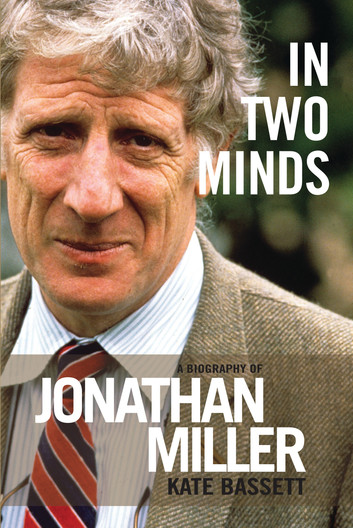
In Two Minds: A Biography of Jonathan Miller by Kate Bassett – A Complete Synopsis
Meta Description: Discover Kate Bassett’s Jonathan Miller biography, exploring the polymath’s dual careers in medicine and theatre, from Beyond the Fringe to opera directing.
Introduction: Understanding the Jonathan Miller Biography
This Jonathan Miller biography by Kate Bassett explores one of Britain’s most fascinating minds. Jonathan Miller was a true Renaissance man of post-war Britain. He excelled in multiple fields throughout his remarkable career. Moreover, he balanced medicine with entertainment in unprecedented ways.
The book reveals how one man mastered so many disciplines. Additionally, it shows the complexity behind his public persona. Kate Bassett crafted this comprehensive portrait through extensive research. Furthermore, she conducted in-depth interviews to capture Miller’s essence.
The Early Years and Beyond the Fringe Success
Jonathan Miller first captured public attention through groundbreaking comedy. He starred in “Beyond the Fringe” alongside legendary performers. Alan Bennett, Peter Cook, and Dudley Moore were his collaborators. The show revolutionized British comedy in the early 1960s. Therefore, Miller was immediately launched into the entertainment spotlight. However, this was just the beginning of his journey.
The satirical revue broke new ground in British theatre. It combined intellectual wit with sharp social commentary. Consequently, audiences embraced this fresh approach to comedy. The show ran successfully in London and New York. Miller’s medical background informed his unique comedic perspective. Nevertheless, he never completely abandoned his scientific training.
A Career Spanning Multiple Disciplines
Theatre Director and Visionary
Miller became one of Britain’s most respected theatre directors. He brought fresh interpretations to classic plays and productions. His approach combined intellectual rigor with creative innovation. Therefore, critics praised his unconventional staging choices. He served as boss of the Old Vic theatre. During this time, he significantly shaped British theatrical culture.
His directorial style consistently challenged traditional theatrical conventions. He questioned established interpretations of canonical works. Moreover, he encouraged actors to explore psychological depth. His productions often sparked debate among critics and audiences. However, this controversy only enhanced his reputation further.
Opera Director and Television Presenter
Miller’s talents extended far beyond traditional theatre work. He directed numerous opera productions across Europe and America. His operatic interpretations were bold and intellectually stimulating. Additionally, he became a beloved television presenter and personality. He regularly appeared on chat shows and documentary programs. Furthermore, he authored several books on various subjects.
His television work made complex ideas accessible to audiences. He discussed art, science, and culture with equal expertise. Therefore, he became a household name in Britain. His presenting style was conversational yet deeply informed. Audiences appreciated his ability to explain difficult concepts clearly.
The Medical Career That Never Ended
Miller trained as a medical doctor before entering the entertainment industry. He studied medicine at Cambridge University with distinction. However, he never completely abandoned his medical interests. Instead, he maintained connections to the medical world throughout. His scientific background profoundly influenced his artistic work. Consequently, his productions often explored human psychology and physiology.
He continued to think like a doctor even while directing. His understanding of human anatomy informed his staging choices. Moreover, his medical training shaped his analytical approach. He viewed theatre as a form of human behavior study. Therefore, his work possessed unique intellectual depth and rigor.
Kate Bassett’s Approach to This Jonathan Miller Biography
Research and Interview Methodology
Kate Bassett conducted extensive in-depth interviews for this biography. She spoke with Miller himself for many years. Additionally, she interviewed colleagues, friends, and family members. Her research was thorough and meticulously documented throughout. Therefore, the biography offers unprecedented insight into Miller’s life.
Bassett is an accomplished theatre critic with impressive credentials. She worked for the Independent on Sunday as theatre critic. Previously, she wrote for the Times and Daily Telegraph. Her expertise in theatre made her ideal for this project. Furthermore, her critical eye helped her analyze Miller’s work objectively.
Painting a Rounded Portrait
The biography reveals both strengths and weaknesses in Miller’s character. Bassett doesn’t shy away from difficult or controversial aspects. Instead, she presents a balanced and honest portrayal. Moreover, she explores his frequent career changes and restlessness. Miller changed direction often throughout his professional life. However, this versatility was also his greatest strength.
The book examines Miller’s relationships with collaborators and critics. It explores how he inspired and, at times, frustrated colleagues. Additionally, it reveals his perfectionist tendencies and high standards. His demanding nature sometimes created tension in productions. Nevertheless, it also drove him to consistently achieve excellence.
Key Themes Explored in the Biography
The Polymath’s Dilemma
Miller struggled with being pulled in multiple directions simultaneously. He excelled at many things but mastered them all. Therefore, he sometimes felt torn between competing interests. His medical training constantly competed with his theatrical ambitions. However, this tension also fueled his creative energy.
The biography explores how Miller balanced these competing demands. It examines the psychological cost of maintaining multiple careers. Moreover, it reveals how he integrated different disciplines creatively. His diverse interests enriched rather than diminished his work. Consequently, he brought unique perspectives to every project undertaken.
Innovation and Tradition in Theatre
Miller constantly questioned theatrical conventions and established practices. He challenged how classic plays should be staged. His interpretations often sparked heated debate among traditionalists. However, he believed theatre must evolve to remain relevant. Therefore, he pushed boundaries while respecting the source material.
The book analyzes his most controversial and celebrated productions. It examines how he balanced innovation with textual fidelity. Additionally, it explores his relationships with playwrights and composers. His approach significantly influenced a generation of younger directors. Furthermore, his legacy continues to shape British theatre today.
The Public Intellectual in Modern Britain
Miller represented a particular type of British intellectual figure. He could discuss complex ideas in an accessible language. Moreover, he moved easily between highbrow and popular culture. His television appearances made him a cultural icon. Therefore, he helped democratize intellectual discourse in Britain.
The biography examines his role as a public commentator. It explores how he used his platform to educate. Additionally, it reveals his views on art, science, and society. His opinions sometimes generated controversy and strong reactions. Nevertheless, he remained committed to public intellectual engagement throughout.
What Makes This Biography Essential Reading
Comprehensive Coverage of Miller’s Life
This is the first comprehensive biography of Jonathan Miller. It covers his entire life and career in detail. Moreover, it draws on previously unavailable sources and interviews. Bassett spent years researching and writing this definitive account. Therefore, it currently stands as the authoritative Miller biography.
The book also includes insights into Miller’s personal life. It explores his family relationships and private struggles. Additionally, it examines his friendships with other cultural figures. The biography reveals the man behind the public persona. Furthermore, it shows how his personal experiences shaped his work.
Critical Analysis of His Work
Bassett provides expert critical analysis of Miller’s productions. She evaluates his theatrical and operatic work objectively. Moreover, she places his achievements in a proper historical context. Her background in theatre criticism proves invaluable for this task. Therefore, readers gain a deep understanding of his artistic contributions.
The book examines both successes and failures in detail. It doesn’t shy away from productions that didn’t work. Instead, it analyzes what went wrong and why. Additionally, it celebrates his greatest triumphs and innovations. This balanced approach makes the biography more credible overall.
Understanding Post-War British Culture
Miller’s life story illuminates post-war British cultural history. He participated in major cultural movements and changes. Moreover, he significantly helped shape British theatre and television. The biography, therefore, serves as cultural history too. It reveals how British intellectual life evolved over the course of decades.
The book explores Miller’s relationships with other cultural figures. It examines his place within British artistic circles. Additionally, it shows how he influenced younger generations. His impact extended far beyond his individual productions. Consequently, understanding Miller means understanding modern British culture better.
Key Accomplishments Covered in the Biography
The biography documents Miller’s impressive list of achievements:
- Beyond the Fringe: Revolutionary comedy revue that changed British entertainment
- Theatre Direction: Acclaimed productions at major venues, including the Old Vic
- Opera Direction: Innovative stagings at leading opera houses worldwide
- Television Work: Popular presenter and documentary maker for the BBC
- Writing: Author of books on art, medicine, and culture
- Medical Training: A qualified doctor who maintained scientific interests throughout life
- Cultural Commentary: Influential public intellectual and social commentator
- Teaching: Mentor to younger directors and theatre practitioners
The Author’s Perspective and Writing Style
Kate Bassett’s Credentials
Bassett brings exceptional qualifications to this biographical project. Her career as a theatre critic spans decades. She worked consistently for Britain’s most prestigious newspapers. Therefore, she understands theatre from a professional perspective. Moreover, her writing is clear, engaging, and accessible.
Her critical eye helps her evaluate Miller’s work fairly. She honestly recognizes both brilliance and occasional missteps. Additionally, her interviews reveal her skill at drawing people out. She gained Miller’s trust and cooperation over time—consequently, the biography benefits from his personal insights.
An Entertaining and Illuminating Portrait
The biography is both scholarly and highly readable. Bassett writes with wit and intelligence throughout. Moreover, she captures Miller’s personality vividly on the page. The book entertains while thoroughly informing readers. Therefore, it appeals to both academics and general readers.
Bassett uses anecdotes effectively to illustrate larger points. She includes amusing stories from Miller’s career and life. Additionally, she provides context for his artistic choices. The narrative flows smoothly from chapter to chapter. Furthermore, she maintains reader interest across hundreds of pages.
Why Read This Jonathan Miller Biography?
For Theatre and Opera Enthusiasts
Theatre lovers will find invaluable insights into Miller’s directorial approach. The book clearly explains his methods and artistic philosophy. Moreover, it analyzes specific productions in illuminating detail. Opera fans will appreciate coverage of his operatic work. Therefore, anyone interested in performing arts should read this.
The biography reveals how Miller approached classic texts with fresh eyes. It shows his rehearsal techniques and collaborative methods. Additionally, it explores his relationships with actors and singers. His influence on British theatre was profound and lasting. Consequently, understanding him enriches appreciation of modern theatre.
For Students of British Culture
Miller embodied a particular moment in British cultural history. He represented the post-war intellectual flowering in Britain. Moreover, he participated in the satire boom of the 1960s. The biography, therefore, illuminates this important cultural period. Additionally, it shows how British culture evolved over the decades.
Students of cultural history will find rich material here. The book documents changing attitudes toward art and entertainment. Furthermore, it explores the role of public intellectuals. Miller’s career trajectory reflects broader social changes, too. Therefore, the biography serves as valuable historical documentation.
For Anyone Interested in Polymaths
Miller’s ability to excel in multiple fields fascinates readers. The biography explores how he managed such diverse interests. Moreover, it examines the benefits and costs of being a polymath. His story inspires those with varied talents and passions. Therefore, it offers lessons about pursuing multiple careers simultaneously.
The book shows how different disciplines can inform each other. Miller’s medical training significantly enhanced his theatrical work. Additionally, his scientific thinking shaped his artistic approach. His example demonstrates the value of interdisciplinary thinking. Consequently, readers gain insights into creative problem-solving and innovation.
Critical Reception and Impact
The biography received widespread critical acclaim upon publication. Reviewers praised Bassett’s thorough research and engaging writing style. Moreover, they appreciated her balanced and honest portrayal. The book was recognized as the definitive Miller biography. Therefore, it became essential reading immediately.
Critics highlighted the book’s comprehensive coverage of Miller’s career. They noted how it captured his complexity and contradictions. Additionally, they praised the depth of Bassett’s analysis. The biography won recognition from literary and theatrical communities. Furthermore, it introduced Miller to new generations of readers.
Conclusion: A Definitive Portrait of a Renaissance Man
Kate Bassett’s “In Two Minds” stands as the definitive account. It captures Jonathan Miller’s extraordinary life and career comprehensively. Moreover, it reveals the man behind the public achievements. The biography succeeds because of Bassett’s thorough research and skill. Therefore, it will remain the standard Miller biography indefinitely.
Miller’s story continues to inspire and fascinate readers today. His ability to excel across multiple disciplines seems remarkable. However, the biography also shows the human cost involved. His restlessness and perfectionism created personal challenges throughout life. Nevertheless, his contributions to British culture remain undeniable and significant.
The book demonstrates how one person can profoundly influence culture. Miller shaped British theatre, opera, and television for decades. Moreover, he helped democratize intellectual discourse in Britain. His legacy extends far beyond his individual productions. Consequently, understanding his life enriches our broader cultural understanding.
Get Your Copy Today
“In Two Minds: A Biography of Jonathan Miller” is available now. You can purchase it in paperback and digital formats. Moreover, it’s available from major booksellers worldwide. The ISBN is 9781849437387 for easy ordering. Therefore, obtaining your copy is simple and convenient.
This comprehensive biography belongs on every theatre lover’s bookshelf. It offers insights into Miller’s life unavailable anywhere else. Additionally, it provides hours of engaging and informative reading. Don’t miss this opportunity to discover one of Britain’s greatest polymaths. Order your copy today and explore Jonathan Miller’s fascinating world.




Reviews
There are no reviews yet.