

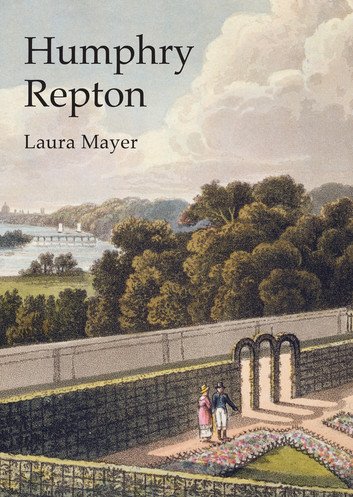
Description
Humphry Repton: The Master of English Landscape Design
Introduction to Humphry Repton and Laura Mayer’s Biography
Humphry Repton stands as England’s most influential landscape architect of the Georgian era. And his innovative designs transformed how people viewed and experienced gardens. Moreover, this pioneering designer created over 400 landscapes across Britain and beyond. Consequently, understanding Repton’s work remains essential for anyone studying garden history.
Laura Mayer’s biography in the Shire Library series offers comprehensive insight. And it examines Repton’s career from his humble beginnings to lasting fame. Moreover, Mayer explores how this self-taught designer revolutionized landscape architecture. Therefore, readers gain a deep appreciation for Repton’s genius and contributions.
The book covers Repton’s entire life from birth in 1752 to death in 1818. Furthermore, it thoroughly analyzes his most important projects and design innovations. And it places his work within the broader context of Georgian culture. Therefore, this biography serves as an essential resource for design students.
Humphry Repton lived during a transformative period in British history. Moreover, he witnessed the transition from formal to naturalistic garden styles. And he helped shape the Romantic movement’s approach to landscape. Therefore, his legacy extends far beyond individual garden designs.
Humphry Repton’s Early Life and Background
Humphry Repton was born in Bury St Edmunds, Suffolk, in 1752. And he grew up in a prosperous merchant family with comfortable means. Moreover, his early education prepared him for business rather than artistic pursuits. Consequently, his path to landscape design was unexpected and unconventional.
His father intended him to follow a commercial career in textiles. Furthermore, young Humphry worked briefly in the family business. And he also spent time in the Netherlands learning a trade. Therefore, his early years seemed destined for mercantile success.
However, financial difficulties dramatically and permanently changed Repton’s trajectory. Moreover, business failures forced him to seek alternative sources of income. And he discovered his natural talent for landscape observation and design. Therefore, necessity became the mother of his artistic invention.
Repton possessed keen observational skills and artistic sensibility from childhood. Furthermore, he sketched landscapes and studied natural scenery extensively. And he developed strong opinions about beauty and composition. Therefore, his early interests prepared him for his eventual career.
The Path to Becoming a Landscape Designer
Repton entered landscape design relatively late at age thirty-six. And this career change followed several unsuccessful business ventures. Moreover, he essentially invented his profession through determination and talent. Consequently, Repton’s story demonstrates the power of reinvention and persistence.
He recognized a market opportunity after Capability Brown died in 1783. Furthermore, wealthy landowners still desired professional landscape design services. And no single designer had emerged to fill Brown’s role. Therefore, Repton boldly declared himself Brown’s successor.
His self-promotion was audacious yet ultimately successful and justified. Moreover, he coined the term “landscape gardener” to describe his profession. And he actively marketed his services to aristocratic clients. Therefore, Repton demonstrated entrepreneurial spirit alongside artistic talent.
His lack of formal training proved both a challenge and an advantage. Furthermore, he approached design with fresh eyes and innovative thinking. And he wasn’t constrained by traditional methods or established conventions. Therefore, Repton’s outsider status enabled his creative breakthroughs.
Repton’s Self-Proclaimed Succession to Capability Brown
Capability Brown dominated English landscape design for decades before his death. And his naturalistic style transformed hundreds of estates across Britain. Moreover, Brown’s influence seemed impossible to match or surpass. Consequently, succeeding him required extraordinary confidence and skill.
Repton studied Brown’s work carefully and learned from his achievements. Furthermore, he understood Brown’s principles of natural beauty and flowing lines. And he appreciated Brown’s ability to enhance existing landscape features. Therefore, Repton built upon Brown’s foundation rather than rejecting it.
However, Repton also recognized limitations in Brown’s approach. Moreover, he believed Brown’s designs sometimes lacked variety and interest. And he thought Brown removed too many formal elements unnecessarily. Therefore, Repton developed a more flexible and eclectic design philosophy.
He positioned himself as Brown’s natural successor through strategic marketing. Furthermore, he emphasized continuity while promising innovation and improvement. And he successfully convinced clients of his unique qualifications. Therefore, Repton’s self-promotion proved remarkably effective and prescient.
The Revolutionary Red Books Innovation
Repton’s most famous innovation was his ingenious Red Books. And these presentation volumes revolutionized how designers communicated with clients. Moreover, the Red Books combined practical information with stunning visual effects. Consequently, they became Repton’s signature marketing and design tool.
He created over 400 Red Books during his career. Furthermore, each book was custom-made for a specific client and property. And each contained detailed proposals, sketches, and innovative visual demonstrations. Therefore, the Red Books represented both art and business strategy.
The books’ distinctive red leather binding made them instantly recognizable; moreover, the luxurious presentation elevated landscape design’s professional status. And clients treasured these beautiful volumes as valuable possessions. Therefore, the Red Books enhanced Repton’s reputation and prestige.
Many Red Books survive today in museums and private collections. Furthermore, they provide invaluable records of Repton’s design process and thinking. And they demonstrate his remarkable skill as both designer and communicator. Therefore, the Red Books remain essential sources for understanding Repton’s work.
How Repton’s Red Books Worked: The Genius of Overlays
The Red Books’ most ingenious feature was their overlay system. And Repton invented hinged flaps that transformed “before” views into “after” scenes. Moreover, these overlays allowed clients to visualize proposed changes instantly. Consequently, the technique was revolutionary for its time and remains impressive today.
Each overlay was carefully painted to show the existing landscape. Furthermore, lifting the flap revealed Repton’s proposed improvements in the same view. And the transformation demonstrated the design’s impact in a dramatic and convincing way. Therefore, clients could immediately understand and appreciate Repton’s vision.
The overlays required exceptional artistic skill and technical precision. Moreover, Repton had to paint two versions that aligned perfectly with each other. And he needed to anticipate how changes would actually appear. Therefore, creating the overlays demanded both artistic and practical expertise.
This visualization technique gave Repton an enormous advantage over competitors. Furthermore, clients could see results before committing to expensive projects. And the dramatic reveals made presentations memorable and persuasive. Therefore, the overlay system was a brilliant marketing and design tool.
The Before-and-After Visualization Technique
Repton’s before-and-after approach transformed landscape design presentation forever. And it allowed clients to compare existing conditions with proposed improvements directly. Moreover, the technique made abstract design concepts concrete and understandable. Consequently, Repton could communicate his vision with unprecedented clarity.
He carefully selected viewpoints that showcased his designs most effectively. Furthermore, he understood how to frame scenes for maximum impact. And he knew which changes would appear most dramatic and appealing. Therefore, Repton’s presentations were strategically crafted for persuasion.
The technique also demonstrated Repton’s confidence in his designs. Moreover, showing direct comparisons required certainty that improvements would be obvious. And it proved his ability to significantly enhance any landscape. Therefore, the before-and-after method reinforced his professional credibility.
Modern landscape architects still use variations of Repton’s visualization technique. Furthermore, computer renderings and photomontages follow his basic principle. And the before-and-after comparison remains the most effective presentation method. Therefore, Repton’s innovation continues to influence design communication today.
Repton’s Prolific Career: Over 400 Projects
Humphry Repton’s career output was extraordinarily prolific and geographically diverse. And he completed over 400 commissions across England, Wales, Scotland, and Ireland. Moreover, his projects ranged from small villa gardens to vast estates. Consequently, Repton’s influence spread throughout Britain and beyond.
His client list included aristocrats, wealthy merchants, and even royalty. Furthermore, he worked for the Prince Regent at the Royal Pavilion in Brighton. And he designed landscapes for numerous dukes, earls, and baronets. Therefore, Repton operated at the highest levels of Georgian society.
The sheer volume of work demonstrates his popularity and success. Moreover, he maintained consistent quality despite the demanding workload. And he managed multiple projects simultaneously across different regions. Therefore, Repton possessed remarkable organizational skills and stamina.
Many of his landscapes survive today in various states of preservation. Furthermore, some remain largely intact and can still be visited. And others have been restored based on his original Red Books. Therefore, Repton’s work continues to enrich Britain’s cultural landscape.
Famous Projects and Estates Designed by Repton
Repton designed landscapes for some of Britain’s most important estates. And his work at Woburn Abbey demonstrated his ability to enhance grand properties. Moreover, he created the picturesque approach and improved the park’s overall composition. Consequently, Woburn remains one of his most celebrated achievements.
His designs for Sheringham Park in Norfolk showcase his mature style. Furthermore, the property features dramatic coastal views and carefully composed plantings. And it demonstrates his skill at integrating buildings with the landscape. Therefore, Sheringham exemplifies Repton’s design philosophy perfectly.
The Royal Pavilion in Brighton represents his most exotic commission. Moreover, he worked alongside architect John Nash on this extraordinary project. And he created gardens that complemented the building’s Indian-inspired architecture. Therefore, Brighton shows Repton’s versatility and adaptability.
Other notable projects include Ashridge, Attingham Park, and Longleat. Furthermore, each demonstrates different aspects of his design approach and skill. And together they illustrate his range and consistent excellence. Therefore, studying these projects reveals Repton’s genius in its entirety.
Repton’s Design Philosophy and Core Principles
Humphry Repton developed a sophisticated and nuanced design philosophy. And he believed landscapes should balance natural beauty with human comfort. Moreover, he argued that gardens should serve both practical and aesthetic purposes. Consequently, his approach was more holistic than purely artistic.
He emphasized the importance of “appropriateness” in landscape design. Furthermore, he believed designs should suit the property’s character and the owner’s needs. And he rejected one-size-fits-all solutions in favor of customized approaches. Therefore, Repton’s work was always contextual and site-specific.
Repton valued variety and interest over monotonous uniformity. Moreover, he incorporated diverse elements, including formal gardens, natural woodlands, and water features. And he believed landscapes should offer different experiences and moods. Therefore, his designs were rich and layered rather than simple.
He also considered practical matters like drainage, access, and maintenance. Furthermore, he understood that beautiful designs must also function effectively. And he balanced aesthetic ideals with real-world constraints. Therefore, Repton was both an artist and a practical problem-solver.
The Picturesque Movement’s Influence on Repton
The Picturesque movement profoundly influenced Repton’s design thinking and approach. And this aesthetic philosophy emphasized irregular, varied, and dramatic compositions. Moreover, Picturesque theorists valued roughness and complexity over smooth perfection. Consequently, the movement shaped Repton’s approach to landscape design.
Theorists like Uvedale Price and Richard Payne Knight championed Picturesque principles. Furthermore, they criticized Capability Brown’s smooth, flowing landscapes as monotonous. And they advocated for more varied and textured compositions. Therefore, Repton engaged with these ideas throughout his career.
However, Repton didn’t fully embrace the Picturesque movement’s extreme positions. Moreover, he believed in balancing Picturesque elements with comfort and utility. And he rejected purely theoretical approaches that ignored practical considerations. Therefore, Repton developed his own synthesis of competing ideas.
His debates with Picturesque theorists were sometimes contentious but always productive. Furthermore, these intellectual exchanges refined his thinking and design approach. And they demonstrated his willingness to engage with criticism constructively. Therefore, the Picturesque movement helped Repton develop his mature philosophy.
Romantic Era Landscape Design and Emotional Impact
Repton worked during the Romantic era when emotion and feeling gained importance. And landscape design increasingly aimed to evoke specific moods and responses. Moreover, gardens became settings for contemplation, melancholy, and sublime experiences. Consequently, Repton’s designs reflected these Romantic sensibilities.
He understood that landscapes could trigger powerful emotional responses. Furthermore, he carefully orchestrated views and sequences to create desired effects. And he used light, shadow, and composition to enhance emotional impact. Therefore, Repton’s work was psychologically sophisticated and intentional.
His designs often included elements that evoked nostalgia and historical associations. Moreover, he deliberately incorporated ruins, ancient trees, and historical references. And he created spaces that encouraged reflection and romantic contemplation. Therefore, Repton’s landscapes served emotional and spiritual purposes.
The Romantic emphasis on individual experience aligned with Repton’s client-centered approach. Furthermore, he designed landscapes that reflected owners’ personalities and preferences. And he believed gardens should express individual taste and sensibility. Therefore, Repton’s work was deeply personal and expressive.
Transition from Formal to Naturalistic Garden Styles
Repton’s career spanned a crucial transition in English garden history. And he witnessed the shift from formal geometric gardens to naturalistic landscapes. Moreover, he participated actively in this transformation while maintaining flexibility. Consequently, Repton’s work bridges two distinct design traditions.
Earlier Georgian gardens featured formal parterres, straight walks, and geometric patterns. Furthermore, these designs reflected French and Dutch influences. And they emphasized human control over nature through rigid organization. Therefore, formal gardens expressed power and order.
Capability Brown pioneered the naturalistic style that dominated later Georgian design. Moreover, his landscapes featured flowing lawns, serpentine lakes, and informal tree groupings. And he removed formal elements to create a seamless, natural effect. Therefore, Brown fundamentally revolutionized English landscape design.
Repton appreciated both formal and naturalistic approaches strategically. Furthermore, he reintroduced formal elements near houses where they seemed appropriate. And he used naturalistic treatments in outer park areas. Therefore, Repton’s eclectic approach combined the best of both traditions.
Creating Emotional and Theatrical Effects in Design
Humphry Repton excelled at creating dramatic landscape experiences. And he understood how to manipulate views for maximum emotional impact. Moreover, he carefully controlled what visitors saw and when they saw it. Consequently, his landscapes functioned like carefully choreographed performances.
He used techniques like concealment and revelation to create surprise. Furthermore, he hid dramatic views until visitors reached specific vantage points. And he designed approach sequences that gradually built anticipation. Therefore, experiencing Repton’s landscapes was like watching a theatrical production.
His designs often featured carefully framed views of distant landmarks. Moreover, he strategically positioned buildings and plantings to direct attention. And he used light and shadow to enhance dramatic effects. Therefore, Repton’s landscapes were composed like paintings or stage sets.
He also created spaces with distinct characters and moods. Furthermore, some areas were designed for cheerful social gatherings. And others encouraged solitary contemplation and melancholy reflection. Therefore, Repton’s landscapes offered diverse emotional experiences.
Repton’s Innovative Use of “Borrowed” Scenery
Repton pioneered the technique of “borrowing” distant scenery in English design. And he incorporated views of the surrounding landscape into his compositions. Moreover, he understood that gardens didn’t end at property boundaries. Consequently, he dramatically expanded the visual scope of his designs.
He carefully positioned viewpoints to capture distant churches, hills, or landmarks. Furthermore, he removed obstacles that blocked desirable views. And he framed borrowed scenery with foreground plantings and structures. Therefore, Repton made distant features seem part of the designed landscape.
This technique required a sophisticated understanding of visual perception and composition. Moreover, he needed to anticipate how views would appear from different positions. And he had to ensure the borrowed scenery enhanced rather than distracted. Therefore, incorporating distant views demanded exceptional skill.
The borrowed scenery technique made modest properties seem more expansive. Furthermore, it visually connected private estates to the broader landscape. And it demonstrated Repton’s ability to work creatively with existing conditions. Therefore, this innovation showcased his design intelligence.
Partnership with Architects and Collaborative Design
Repton frequently collaborated with leading architects on major projects. And these partnerships produced some of his most successful and integrated designs. Moreover, working with architects allowed him to coordinate buildings and landscapes seamlessly. Consequently, his collaborative projects achieved exceptional unity and coherence.
His most famous partnership was with architect John Nash. Furthermore, they worked together on numerous projects, including the Royal Pavilion. And their collaboration combined Nash’s architectural brilliance with Repton’s landscape genius. Therefore, their joint projects represent Georgian design at its finest.
Repton also worked with other prominent architects like Jeffry Wyatville. Moreover, these collaborations required mutual respect and effective communication. And they demonstrated Repton’s ability to work as part of design teams. Therefore, his collaborative skills matched his individual talents.
He understood that buildings and landscapes should complement each other harmoniously. Furthermore, he believed architecture and landscape design were inseparable disciplines. And he advocated coordinated planning from the earliest stages of projects. Therefore, Repton pioneered integrated design approaches still valued today.
Practical Landscape Design Techniques and Methods
Repton developed numerous practical techniques for implementing his designs effectively. And he understood that beautiful concepts required skilled execution. Moreover, he provided detailed instructions for planting, grading, and construction. Consequently, his designs could be realized successfully by estate workers.
He was particularly skilled at manipulating topography to create desired effects. Furthermore, he understood how subtle grade changes affected views and drainage. And he specified earth-moving operations with precision and clarity. Therefore, Repton’s technical knowledge matched his artistic vision.
His planting plans balanced immediate impact with long-term development. Moreover, he specified fast-growing trees for quick effect alongside slower permanent specimens. And he understood plants’ mature sizes and growth habits thoroughly. Therefore, his landscapes improved over time as intended.
Repton also addressed practical matters like paths, drainage, and maintenance requirements. Furthermore, he designed functional circulation systems that also enhanced beauty. And he considered ongoing care and management in his proposals. Therefore, his designs were sustainable and practical.
Client Relationships and Marketing Strategies
Humphry Repton excelled at building and maintaining client relationships. And his success depended on understanding and satisfying wealthy patrons. Moreover, he developed sophisticated marketing strategies to attract commissions. Consequently, Repton was as skilled at business as design.
His Red Books served as powerful marketing tools and client gifts. Furthermore, the beautiful volumes impressed potential clients and demonstrated his capabilities. And satisfied clients often recommended him to friends and relatives. Therefore, the Red Books generated referrals and repeat business.
He cultivated relationships with influential aristocrats and social leaders. Moreover, he understood that prestigious commissions generally enhanced his reputation. And he leveraged high-profile projects to attract additional clients. Therefore, Repton strategically built his practice through networking.
His written proposals were persuasive and professionally presented. Furthermore, he explained his reasoning clearly and addressed potential objections. And he demonstrated how his designs would enhance property values. Therefore, Repton’s business communications were as polished as his designs.
Georgian and Regency Style Periods
Repton’s career spanned the Georgian and Regency periods in British history. And these eras were characterized by elegance, refinement, and cultural sophistication. Moreover, landscape design reflected broader artistic and social trends. Consequently, understanding these periods illuminates Repton’s work and context.
The Georgian era emphasized classical proportions and rational order. Furthermore, architecture and design drew inspiration from ancient Greece and Rome. And landscapes reflected Enlightenment values of reason and natural beauty. Therefore, Georgian design balanced formality with naturalism.
The Regency period saw increased interest in exotic and romantic styles. Moreover, the Prince Regent’s patronage encouraged architectural and landscape experimentation. And designers incorporated influences from India, China, and medieval Europe. Therefore, Regency design was more eclectic and adventurous.
Repton’s work evolved to reflect changing tastes throughout his career. Furthermore, his early designs were more purely naturalistic and Georgian in style. And his later work incorporated more varied and romantic elements. Therefore, his career mirrors broader stylistic developments.
Repton’s Legacy and Influence on Victorian Gardens
Humphry Repton’s influence extended far beyond his lifetime. And his ideas profoundly and permanently shaped Victorian garden design. Moreover, later designers built upon his innovations and principles. Consequently, Repton’s legacy continued to develop throughout the nineteenth century.
Victorian gardeners embraced his reintroduction of formal elements near houses. Furthermore, they expanded on his use of terraces, parterres, and bedding schemes. And they appreciated his balanced approach to formality and naturalism. Therefore, Victorian gardens reflected Repton’s influence directly.
His emphasis on variety and interest aligned perfectly with Victorian tastes. Moreover, Victorians loved collecting diverse plants and creating elaborate displays. And they valued the rich, layered landscapes Repton pioneered. Therefore, his aesthetic sensibility anticipated Victorian preferences.
Many of his landscapes were modified during the Victorian era. Furthermore, later owners added features like elaborate bedding schemes and conservatories. And they intensified the decorative elements Repton had introduced. Therefore, Victorian gardens often evolved from Repton’s foundations.
Modern Relevance and Contemporary Landscape Design
Repton’s principles and techniques remain remarkably relevant to contemporary landscape design. And modern designers still study his work for inspiration and guidance. Moreover, his holistic approach addresses concerns that remain current today. Consequently, Repton speaks to twenty-first-century designers and clients.
His emphasis on site-specific design resonates with contemporary sustainable practices. Furthermore, his attention to existing conditions and local character aligns with current values. And his integration of practical and aesthetic concerns remains essential. Therefore, Repton’s approach feels surprisingly modern and applicable.
His visualization techniques pioneered methods still used in design communication. Moreover, computer renderings and photomontages follow his before-and-after principle. And his understanding of how to present designs persuasively remains valuable. Therefore, Repton’s communication strategies continue to influence professional practice.
Contemporary landscape architects appreciate his balanced, flexible design philosophy. Furthermore, his rejection of rigid formulas in favor of contextual solutions seems prescient. And his integration of multiple design traditions offers lessons for today. Therefore, studying Repton enriches contemporary design thinking.
Why Study Humphry Repton Today
Studying Humphry Repton offers numerous benefits for contemporary designers and historians. And his work provides insights into design thinking that transcend historical periods. Moreover, his career demonstrates how to build a successful creative practice. Consequently, Repton remains relevant for both practical and theoretical reasons.
His designs showcase timeless principles of composition and spatial organization. Furthermore, his understanding of how people experience landscapes remains applicable. And his techniques for creating emotional impact still work effectively. Therefore, Repton’s work teaches fundamental design skills.
His career illustrates how to navigate changing tastes and market conditions. Moreover, his entrepreneurial spirit and marketing savvy offer business lessons. And his ability to reinvent himself demonstrates professional adaptability. Therefore, Repton’s career provides practical guidance for design professionals.
His intellectual engagement with design theory enriches contemporary discussions. Furthermore, his debates with Picturesque theorists raise questions still relevant today. And his synthesis of competing ideas demonstrates sophisticated critical thinking. Therefore, Repton contributes to ongoing theoretical conversations.
Educational Value for Designers and Historians
Laura Mayer’s biography provides invaluable educational resources for multiple audiences. And it offers a comprehensive introduction to Repton’s life and work. Moreover, it explains complex design concepts in an accessible language. Consequently, the book serves students, professionals, and general readers equally well.
Design students learn fundamental principles of landscape composition and planning. Furthermore, they discover how to balance aesthetic and practical considerations. And they see how successful designers communicate effectively with clients. Therefore, the book teaches essential professional skills.
Historians gain insight into Georgian and Regency culture and society. Moreover, they understand how landscape design reflects broader social changes. And they appreciate gardens’ roles in expressing status and taste. Therefore, the book contributes to cultural and social history.
The book also teaches research methods and historical interpretation. Furthermore, Mayer demonstrates how to analyze primary sources, such as Red Books. And she shows how to reconstruct historical landscapes from fragmentary evidence. Therefore, the biography models scholarly methodology.
How to Visit and Experience Repton’s Landscapes Today
Many of Repton’s landscapes survive and can be visited today. And experiencing his designs firsthand provides insights impossible to gain otherwise. Moreover, walking through his landscapes reveals his genius for spatial composition. Consequently, visiting Repton sites should be essential for anyone studying his work.
Several properties maintain their landscapes largely as Repton designed them. Furthermore, Sheringham Park in Norfolk is managed by the National Trust. And it preserves Repton’s design intent while allowing public access. Therefore, Sheringham offers an excellent opportunity to experience his work directly.
Other properties have been restored based on Repton’s original Red Books. Moreover, these restorations demonstrate how his designs were meant to appear. And they show the care and skill required to realize his visions. Therefore, restored landscapes appropriately honor Repton’s legacy.
Some properties offer guided tours that explain Repton’s design strategies. Furthermore, these tours help visitors understand what they’re seeing and why. And they reveal subtle details that might otherwise go unnoticed. Therefore, guided visits significantly enhance appreciation and understanding.
Repton’s Design Innovations and Lasting Contributions
Humphry Repton’s innovations transformed landscape architecture permanently and profoundly:
- Red Books: Revolutionary presentation method using overlay flaps for before-and-after visualization
- Professional identity: Coined the term “landscape gardener” and established design as a respected profession
- Eclectic approach: Balanced formal and naturalistic elements based on site requirements
- Client communication: Developed sophisticated methods for explaining and selling designs
- Borrowed scenery: Incorporated distant views to expand landscapes visually
- Emotional design: Created landscapes that evoked specific moods and feelings
- Practical integration: Combined aesthetic beauty with functional requirements
- Collaborative practice: Worked effectively with architects for integrated designs
- Theoretical engagement: Contributed to design theory through writing and debate
- Marketing innovation: Used beautiful presentation materials to attract clients
These contributions established foundations for modern landscape architecture practice. Moreover, they demonstrate Repton’s genius extended beyond individual designs. And they explain why his influence remains powerful today. Therefore, Repton deserves recognition as the founding figure of landscape architecture.
Conclusion: Humphry Repton’s Enduring Importance
Humphry Repton secured his place among history’s most important landscape designers. His career transformed English gardens and established landscape architecture as a profession. Moreover, his innovations in design and communication continue to influence contemporary practice. Therefore, Repton remains essential for understanding the development of landscape design.
Laura Mayer’s biography in the Shire Library provides an accessible introduction to Repton’s achievements. Furthermore, it offers a comprehensive overview suitable for students and general readers. And it makes Repton’s complex work understandable and engaging. Therefore, this book serves as an ideal starting point for Repton studies.
His work demonstrates that great design balances beauty with practicality. Moreover, it shows how designers can navigate changing tastes while maintaining integrity. And it proves that innovation requires both creativity and business acumen. Therefore, Repton’s career offers lessons extending beyond landscape design.
His landscapes continue to enrich Britain’s cultural heritage and natural beauty. Furthermore, they provide pleasure and inspiration to countless visitors annually. And they demonstrate landscape architecture’s power to enhance human experience. Therefore, Humphry Repton’s legacy lives on in gardens across Britain and beyond.





Reviews
There are no reviews yet.